Verona has a way of rewarding slow attention. This guided walk turns Piazza Bra into a live timeline, from Roman Verona to the Medieval city core. I especially like two things: the small group size (so you actually hear and ask questions) and the over-ear headsets, which make the storytelling easy to follow even in busy streets.
The tour also strings famous landmarks together with quieter stops that help the city click into place. One thing to consider: it’s a walking tour with short photo stops, so if you want lots of time inside major sites, you’ll likely need to plan extra time on your own.
In This Review
- Key highlights that make this tour worth your time
- Verona’s best first move: get the city’s story early
- Meeting at Palazzo Barbieri in Piazza Bra
- Verona Arena: gladiator drama, explained in architecture
- Roman Porta Borsari and the pull of the old walls
- Riva San Lorenzo and Adige River views that feel earned
- Piazza delle Erbe: the square that still acts like a market
- Piazza dei Signori: Medieval power in plain sight
- Basilica di Santa Anastasia: a church stop that works for non-art experts
- Romeo and Juliet, placed inside real Verona
- Beyond the postcards: synagogue, convent, and quieter corners
- How the guide style makes the 2 hours actually work
- Price and value: what $41 buys you (and what it doesn’t)
- Logistics that matter: rain or shine, and comfy shoes
- Best fit: who should book this Verona walk
- When it might not be your match
- Should you book this Verona history-and-streets walk?
- FAQ
- How long is the Verona History and Hidden Gems Guided Walking Tour?
- Where do I meet the guide?
- What is the group size?
- Which languages are offered?
- Is the tour wheelchair accessible?
- What’s included in the tour price, and what isn’t?
- Does it run in bad weather?
Key highlights that make this tour worth your time
- Piazza Bra to the Verona Arena with a clear story behind the gladiator battles and architecture
- Roman-era Porta Borsari plus river views along Riva San Lorenzo
- Piazza delle Erbe and the oldest fountain, with market history and classic façades
- Piazza dei Signori and key palaces, including an explanation of the city’s Medieval power
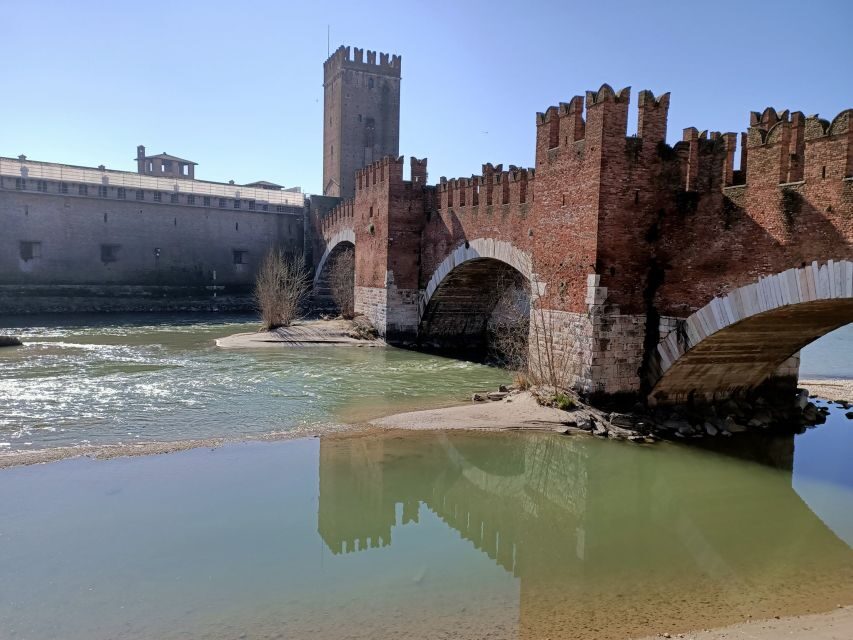
- Adige River and Ponte Scaligero viewpoints framed in context, not just sightseeing
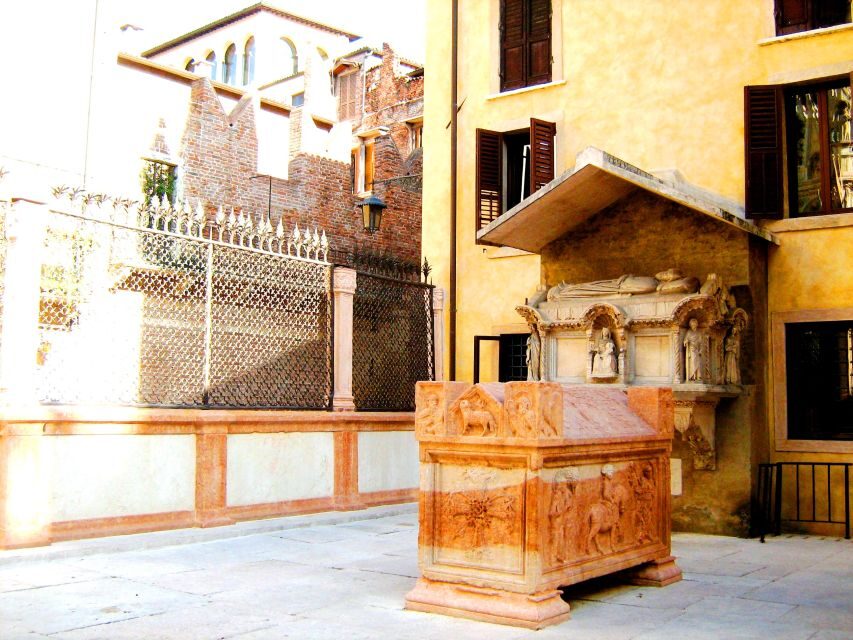
- Romeo and Juliet area stops alongside the dramatic Arche Scaligere mausoleums
Verona’s best first move: get the city’s story early
If you only have a day (or even half a day) in Verona, this is a smart way to get oriented fast. The route starts in the big open space most visitors know, then it tightens into streets and squares that explain how the city grew.
The magic is that you don’t just hear dates. You learn why certain buildings sit where they do, how the river and walls shaped movement, and what the main squares meant to people living in Verona—not just tourists taking photos. And because the group is capped at 10 people, the guide can keep the pace human and the questions welcome.
You can also read our reviews of more walking tours in Verona
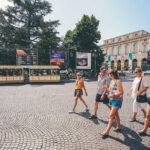
Meeting at Palazzo Barbieri in Piazza Bra
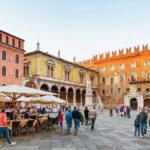
You meet your guide at Palazzo Barbieri – Comune di Verona, standing below the Italian flag in Piazza Bra. This matters more than it sounds. Piazza Bra is wide and easy to orient to, so you won’t waste the first ten minutes playing Where’s the flag?
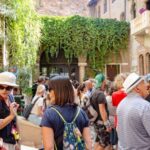
From there, the guide keeps the walk moving but not rushed. Headsets are provided, so you can listen without craning your neck toward a person holding a microphone. That small detail makes a big difference in a city full of tight corners and loud intersections.
Verona Arena: gladiator drama, explained in architecture
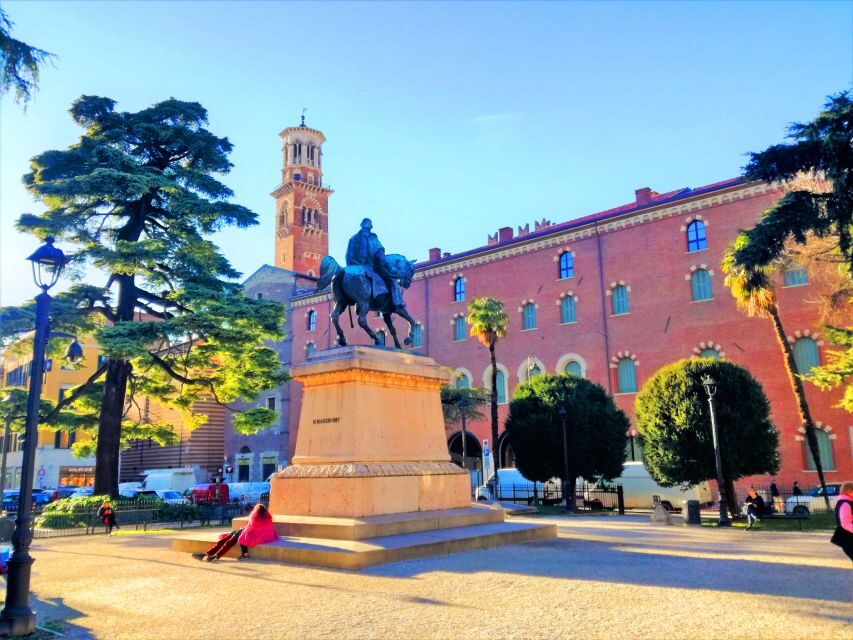
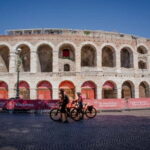
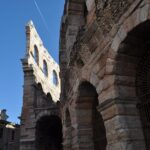
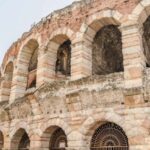
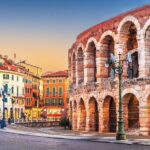
The first big stop is the Verona Arena, with a photo pause that doesn’t feel like a speed-bump. The guide ties what you see—its dramatic Roman structure—to what happened there, including the gladiator battles and why the site mattered.
Even if you’ve seen photos of the Arena before, you’ll start noticing the building like a puzzle piece. You begin to understand why Verona brands itself through this monument, not around it.
Roman Porta Borsari and the pull of the old walls
After the Arena area, the tour follows traces of Verona’s earlier defenses and moves toward Roman remnants. You’ll see the Porta Borsari with a photo stop that’s quick, but the guide frames it so it’s not just another archway.
You also pass through areas connected to the old city walls and older streets, including the Corso, described as one of the oldest streets in the city. You start to feel how Verona’s layout funnels pedestrians through centuries of urban planning.
Riva San Lorenzo and Adige River views that feel earned
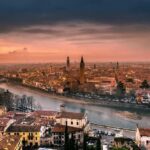
Next comes one of the tour’s practical wins: it finds places where you can actually look out. Along Riva San Lorenzo, you get scenic pauses with views over the Adige River on the way to the next sights.
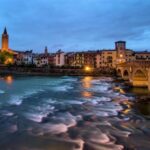
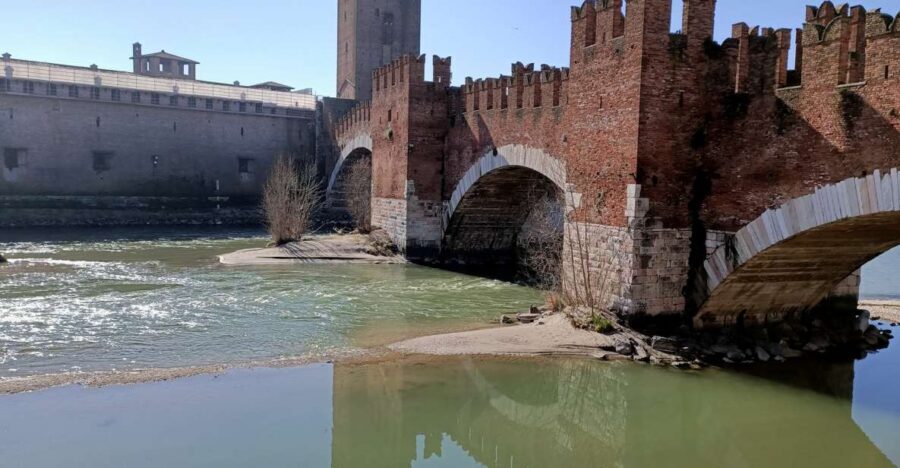
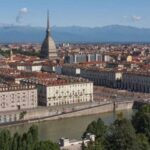
Then the tour brings you toward the Ponte Scaligero, one of the most photogenic bridges in the center. The best part here isn’t the postcard picture. It’s how the guide connects the river crossing to the bigger story of power, defense, and movement through the city.
You can also read our reviews of more guided tours in Verona

Piazza delle Erbe: the square that still acts like a market
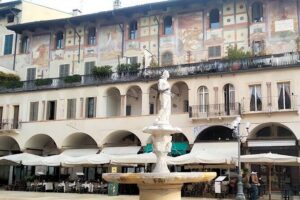
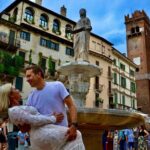
If Verona had a social hub, it would be Piazza delle Erbe. You’ll spend a longer stretch here, with time for photos and the guide’s market-history explanation.
Two specific things to expect:
- You’ll learn about the square’s role as a market space over time
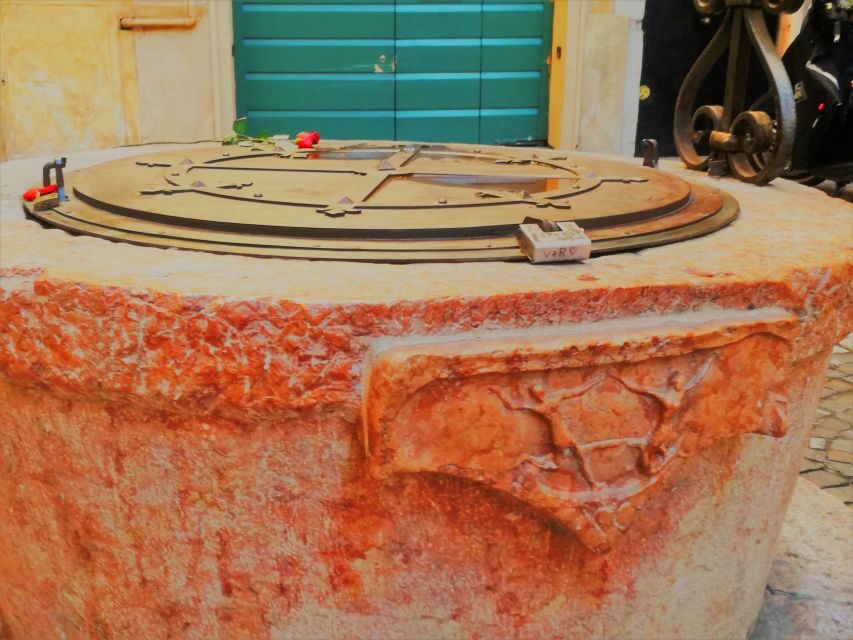
- You’ll see the oldest fountain in the city
And yes, you’ll also take in the surrounding historic façades. But the tour keeps it grounded: you’re not just staring at pretty stone. You’re learning why this square mattered to everyday life.
Piazza dei Signori: Medieval power in plain sight
From Piazza delle Erbe, the route heads to Piazza dei Signori, where you’ll see public buildings including Palazzo della Ragione, Palazzo Della Scala, and Palazzo del Capitano. The guide explains what these structures signal about Medieval Verona’s leadership and civic life.
There’s also a stop where you learn about the highest tower in the city, connected to the broader Medieval era in Verona. The tower detail helps you stop thinking of the skyline as random decoration. You start reading the city’s vertical clues.
Basilica di Santa Anastasia: a church stop that works for non-art experts
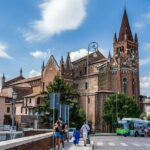
You’ll pass by and take a photo at Basilica di Santa Anastasia. Even if churches aren’t your thing, this stop can be worth it because the guide’s focus stays on context—what the building represents and how it fits into the city’s timeline.
This is also a good moment to slow down for a quick look, especially if the walk has you in motion-mode. The guide’s pace makes it feel like a breather, not a chore.
Romeo and Juliet, placed inside real Verona
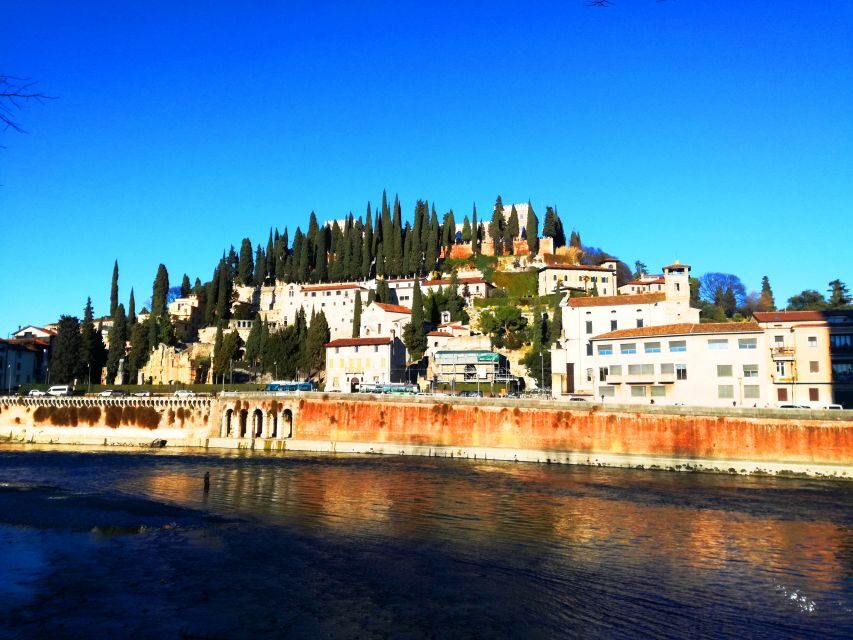
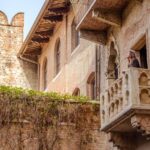
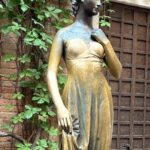
You’ll get the Romeo area and the Juliet House zone as the tour moves through the dramatic Arche Scaligere mausoleums. The guide frames these stops as more than Shakespeare tourism, explaining the historical inspiration and how Verona’s Medieval rulers became part of the story people know today.
Here’s a helpful way to think about this: famous names can turn into noise if you only chase them. With this tour, you connect the names to the physical setting around them—the mausoleums, the palaces, the square logic. That’s what makes the stops feel meaningful instead of rushed.
Beyond the postcards: synagogue, convent, and quieter corners
One reason people love this walk is that it keeps moving into less obvious parts of the city. You’ll pass Sinagoga di Verona (with a photo stop) and the Convent of Saint Mary ’della Scala’ of the Servants of Mary.
You’ll also get small pauses in places like:
- Piazzetta Bra Molinari, with views on the way
- Courtyard of the Old Market, again tied to everyday life, not just monuments
- Via Dietro Anfiteatro, which gives you a different angle on the Arena area before wrapping up
These side streets help you see Verona’s personality. The city feels lived-in, not staged.
How the guide style makes the 2 hours actually work
A good tour can be loud and forgettable. This one is designed to keep the information clear. The headsets are a major reason why. You can follow the guide without yelling back and forth, and it’s easier to hear in traffic-sound zones.
Another strength is pacing. The route includes frequent short photo pauses, plus a few “pass by” moments that still feel intentional—places where the guide explains what you’re seeing and why it matters. On hot days, the guide has a reputation for trying to keep the group in shade and even pointing out where you can fill up with water.
Also, Fabio Massimo Rapanà is a lifelong Veronese, and his approach comes through: story first, then details. People who like history and architecture tend to feel satisfied because the walk doesn’t treat these topics like facts to recite. It turns them into a reason to notice.
Price and value: what $41 buys you (and what it doesn’t)
At $41 per person for about 2 hours, this tour stacks up well for what you get:
- a fully licensed local guide from Verona (Fabio Massimo Rapanà)
- a small group up to 10
- headsets
- a route optimized for storytelling across major squares plus quieter streets
What’s not included is important: entries and food/drinks aren’t part of the price. So when you see places like Juliet’s House or the Arena area, plan for the possibility that you’re getting photos and context rather than walking inside for a long visit. If you want to go in, you’ll likely pay separately or schedule it on another day.
Still, the tour is great value as an orientation tool. It helps you pick what’s worth your time later.
Logistics that matter: rain or shine, and comfy shoes
This walk runs rain or shine, so bring a practical plan for wet weather (a compact umbrella or light rain layer can save your day). The company explicitly asks you to bring comfortable shoes and water, which is exactly what you should do in a city built for pedestrians and steep stone underfoot.
It’s also listed as wheelchair accessible. That doesn’t mean it’s effortless for every mobility level, but it does mean they’ve built the tour route with accessibility in mind.
Best fit: who should book this Verona walk
This is a strong choice if you:
- are visiting Verona for the first time and want your bearings fast
- care about how Roman and Medieval Verona connects in real places
- like architecture explanations that don’t require art-class background
- prefer a small-group feel over big coach energy
If you’re the type who wanders aimlessly, this tour can be a great corrective. It teaches you what to look for so your future self gets more out of the same streets.
When it might not be your match
Skip or add caution if:
- you want long inside-the-site visits (this is timed for walking and photo stops)
- you strongly dislike walking tours, since the route is built for steady movement
- you expect all major attractions to include entry tickets (they don’t)
Should you book this Verona history-and-streets walk?
If you’re weighing options, I’d book this if you want the city’s story in a short window. The combination of a licensed local guide, small group size, and headsets makes it feel efficient without being rushed.
It’s also a great way to avoid the common first-day mistake in Verona: seeing the headline sites but missing why they matter. This walk gives you the “why” and then shows you the “where,” so you can enjoy the rest of your time with better eyes.
FAQ
How long is the Verona History and Hidden Gems Guided Walking Tour?
It lasts about 2 hours.
Where do I meet the guide?
Meet your guide at Palazzo Barbieri – Comune di Verona in Piazza Bra, standing below the Italian flag.
What is the group size?
The tour runs as a small group, with a maximum of 10 participants.
Which languages are offered?
The live guide is available in English, German, Italian, and Spanish.
Is the tour wheelchair accessible?
Yes, it’s listed as wheelchair accessible.
What’s included in the tour price, and what isn’t?
Included are the professional licensed guide, headsets, and the small-group experience. Not included are transport, food and drinks, and entries.
Does it run in bad weather?
Yes, the tour takes place rain or shine.