REVIEW · VERONA
Verona Walking Tour with Audio and Written Guide by a Local
Book on Viator →Operated by Walking Cap · Bookable on Viator
Verona without rushing. This self-guided tour uses a local audio and written guide so you can wander between the top sights at your own tempo, starting and ending at Arena di Verona. I love how the route is easy to follow on Google Maps, and I love the short stories that explain what you’re looking at. One catch: you’ll need a smartphone with internet to run the digital guide smoothly.
You’re not stuck in a loud group line. The provider, Walking Cap, created the route with an on-the-ground feel from local guide Matteo, and the experience is paired with text and audio in multiple languages so you can switch formats if you want.
Plan on a smooth 2 to 3 hours if you keep moving, and expect it to take longer if you stop for museum time or lunch. The tour is capped at a maximum of 99 travelers, but you’ll still walk at your own pace since it’s built for independent listening.
In This Review
- Key things I’d plan around
- Verona at Your Tempo: How a Self-Guided Audio Walk Actually Feels
- Price and Value: What $7.86 Buys You in Verona
- Before You Go: Smartphone Setup, Headphones, and Battery Reality
- Your Route: Arena di Verona to Arena di Verona (with the Stops That Matter)
- Castelvecchio Bridge (Scaliger Bridge): Photo-first Verona
- Museo di Castelvecchio: Courtyard and garden without the full museum pressure
- Porta Borsari: Verona’s Roman main entrance
- Ponte Garibaldi: A bridge with a trick in its past
- The city’s main church stop: paintings and the big-city feeling
- Ponte Pietra: Roman roots and a viewpoint on St. Peter’s Hill
- Piazza dei Signori: Verona’s drawing room
- The 84-meter tower: the top for stunning views
- Piazza delle Erbe: Old square, Roman layers underneath
- Casa di Giulietta: Juliet’s house from the outside
- Verona’s final anchor: Arena di Verona
- When It’s a Perfect Fit (and When It Isn’t)
- The Most Praised Parts That Matter in Real Life
- Possible Downsides to Plan For
- Should You Book This Verona Walking Tour?
- FAQ
- How long is the Verona walking tour?
- Where does the tour start and end?
- What’s included in the ticket price?
- Do I need headphones?
- What languages are available?
- Do I need internet to use the guide?
- Is admission required for the stops?
- Is there a group size limit?
- How far in advance should I book?
- Can I get a full refund if I cancel?
Key things I’d plan around
- Start and finish at Arena di Verona (Piazza Bra, 1): easy to meet up with, even if you’re coming in from town or train.
- Audio + written guide (multi-language): you can read when it’s noisy and listen when it’s calm.
- Big photo moments early: Castelvecchio Bridge (often referred to as Scaliger Bridge) is a highlight for views and pictures.
- Roman gate and bridge stops: Porta Borsari, Ponte Garibaldi, and Ponte Pietra give you the city’s older bones.
- Most admission stops are free: you’ll hit multiple sights without paying entry fees just to follow the route.
- You may need tech patience: audio or map links can hiccup, but support has helped quickly in some cases.
Verona at Your Tempo: How a Self-Guided Audio Walk Actually Feels
This is the kind of walking tour that works because it’s designed for you, not for a schedule. You’ll follow a set route, but you decide when to pause, reread, or move on. That alone makes it a good match for Verona, where you’ll naturally want time to sit in a piazza and watch life go by.
The best part is that the guide doesn’t just name monuments. It gives you quick, practical context as you arrive, so the city starts making sense while you’re still standing in front of it. That means you’re not cramming history after the fact—you get it in the moment.
The main trade-off with any phone-based tour is dependence on your device and connection. If your internet is weak, the audio and navigation can become frustrating fast, and that’s the one thing you’ll want to prepare for.
You can also read our reviews of more walking tours in Verona

Price and Value: What $7.86 Buys You in Verona
At $7.86 per person, you’re paying for a guided route without paying for a full-time human guide. You get both a digital written guide and an audio guide tied to the stops, which usually costs more when you buy it as a standard group tour add-on.
You’ll also notice value in the lineup: many stops are marked as free admission (or free access to specific areas like a courtyard/garden). That matters in Verona, because you can spend your money on a proper sit-down meal or gelato instead of feeling pressured to pay entry fees just to keep the walk going.
One more value point: the route starts and ends at Arena di Verona. That’s a huge convenience for planning. If you want to tailor the day—spend extra time in a museum, detour for food, or just keep walking—you’re not stuck far away from a main hub.
Before You Go: Smartphone Setup, Headphones, and Battery Reality
This is not a printed map tour. You’ll use a smartphone with an internet connection to access the digital guide, and activation details come in your voucher. There’s also a mobile ticket involved, so double-check you can show it when needed.
Headphones are not included. You can listen through your phone’s speakers, or use your own headphones if you have them. In busy spots, audio through speakers can be harder to hear, so if you care about audio quality, pack earbuds.
A few practical tips make the whole experience smoother:
- Bring a battery-friendly plan (power bank is smart if you rely on maps all day).
- Keep your phone screen on while you’re listening. If the screen turns off, playback can stop depending on your device settings.
- Test your access before you leave the meeting area, not halfway through Roman streets.
The biggest operational advice is simple: make sure you can load the guide link before you start walking. Once it’s running, it’s typically straightforward to follow the map to the next stop.
Your Route: Arena di Verona to Arena di Verona (with the Stops That Matter)

The tour is built as a loop that takes you across the city’s most recognizable scenes—bridges, Roman gateways, piazzas, and the classics around Juliet and the Arena. Even if you don’t do every stop fully, the route is useful as a way to get oriented fast.
Timing is flexible. You might finish closer to 2–3 hours if you move quickly between points. If you linger for photos or take a museum moment, expect it to stretch—one common pattern is turning it into a half-day stroll.
Below are the stops and what you should actually pay attention to.
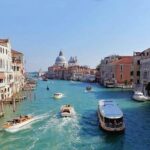
Castelvecchio Bridge (Scaliger Bridge): Photo-first Verona
Your walk begins at Castelvecchio Bridge, a lovely crossing that sets the story tone for Verona. This is your big “wow” moment early: open views, great angles for photos, and a clear sense of how the city is laid out around the water and fortification areas.
At this stop, the guide’s purpose is to get you looking with context. Don’t just cross—pause mid-bridge long enough to frame the city view and check the details you can’t see once you’re in a hurry.
You can also read our reviews of more guided tours in Verona


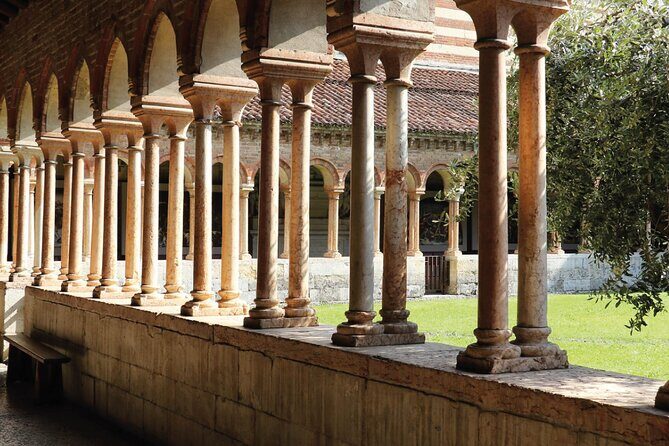
Museo di Castelvecchio: Courtyard and garden without the full museum pressure
Next comes Museo di Castelvecchio. The key practical detail here: you can enter the courtyard and garden for free, so you can get the atmosphere even if you don’t want to pay for the full museum galleries.
This is a good break stop. Verona gets warm, stone gets interesting, and courtyards are ideal for slowing down for a few minutes—especially if you’re taking photos or just want a calm reset.
Porta Borsari: Verona’s Roman main entrance
Then you’ll reach Porta Borsari, a World Heritage Site and the main entrance to Verona from Roman times. It’s one of those spots where the name alone doesn’t do it justice—you’ll want to stand close, take in the structure, and let the guide explain the backstory behind the monument.
This stop is short, so treat it like a quick archaeology moment. Make sure you look at scale and placement, not just the facade.
Ponte Garibaldi: A bridge with a trick in its past
At Ponte Garibaldi, you get one of the more memorable “how people used to do things” stories. The guide points out that there was once a special trick used to cross the bridge, which makes the walking part feel more alive.
Look at how it connects points in the city. Even if you only spend a few minutes here, the explanation will help you understand why this bridge mattered.
The city’s main church stop: paintings and the big-city feeling
There’s a stop for the most important church in the city, with interesting paintings. The itinerary doesn’t name it in the details you provided, but you should expect to spend a few minutes orienting yourself to the artwork and the church’s central role in Verona.
Because church interiors can be quiet and details are easy to miss, give this one more than a quick glance. If you’re here at a busy time, consider stepping to the side so you can read the painting details at your own pace.
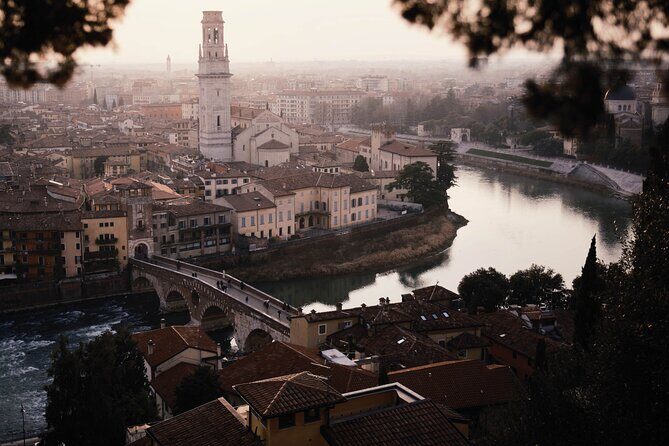
Ponte Pietra: Roman roots and a viewpoint on St. Peter’s Hill
Ponte Pietra is a quick stop with a Roman-time feel. The important payoff is the view—you’ll look toward St. Peter’s Hill, which adds depth to the scene. This is one of those bridges where you’ll want to stand still for a moment and let your eyes adjust.
Even if you’re moving, don’t rush past it. The guide’s timing is short here for a reason, but the viewpoint is where the value is.
Piazza dei Signori: Verona’s drawing room
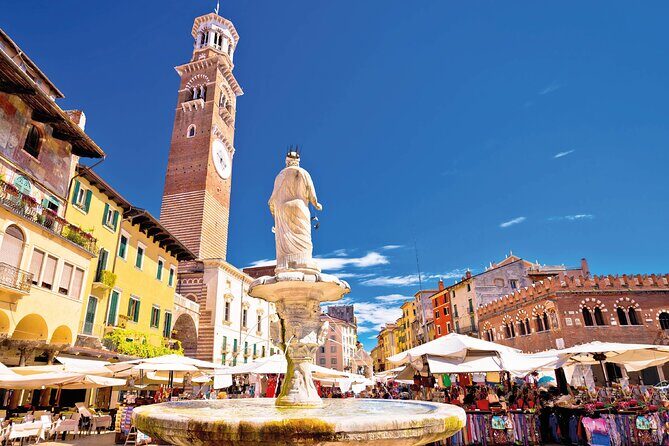
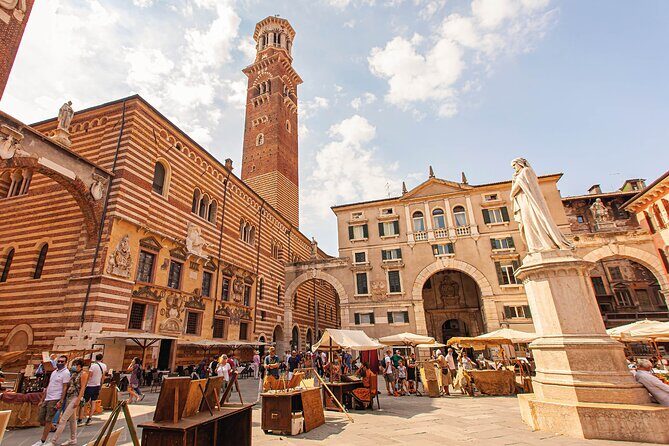
Next is Piazza dei Signori, often described as the drawing room of Verona because it feels curated and elegant. The square is known for extraordinary beauty, smart perspectives, and the impressive buildings that frame it.
Take two slow steps instead of one fast one. The city’s architecture here is meant to be read from angles, and your best photos often come when you shift your position just slightly.
The 84-meter tower: the top for stunning views
There’s also a stop at the tallest building in the city at 84 meters, where the view from the top is described as stunning. This is a strong “choose your own adventure” moment: if you’re up for extra stairs or an ascent, do it. If you’d rather keep walking, you can still appreciate the tower from below and decide later.
Either way, this stop works as a natural break between the squares and the Roman anchor points later in your walk.
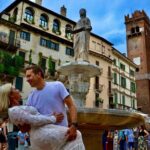
Piazza delle Erbe: Old square, Roman layers underneath
Then comes Piazza delle Erbe, described as the oldest square in Verona and located above the area of the Roman Forum. This is a place where you can combine people-watching with context—because the ground under your feet has a long timeline.
The guide also cues you for curiosities. Use that as permission to slow down and look for small details you might otherwise ignore—signage, building shapes, and the way the square is organized.
Casa di Giulietta: Juliet’s house from the outside
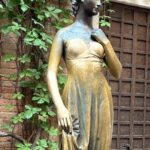
After that, you’ll get to Casa di Giulietta, one of Verona’s iconic sights. The famous balcony can be seen from outside for free, so you don’t need extra tickets just to get the classic photo.
The guide also teases that there’s a curious story behind the famous house that many people don’t know. If you’re a details person, this stop rewards attention because you’ll notice the significance of what you see compared to what you’ve heard in other places.
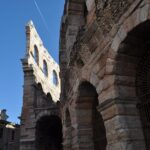
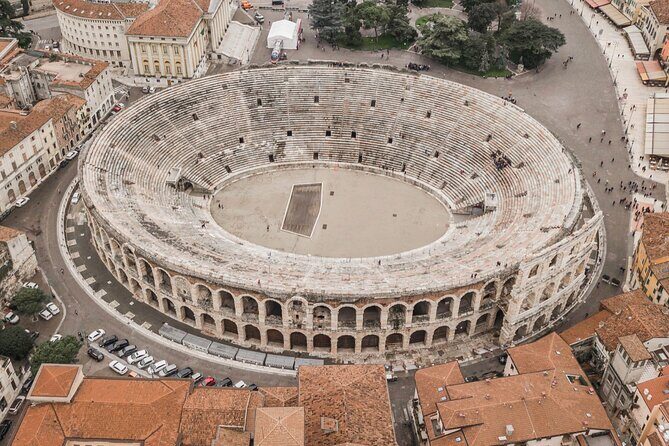
Verona’s final anchor: Arena di Verona
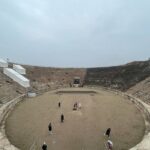
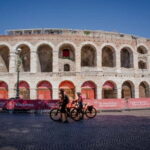
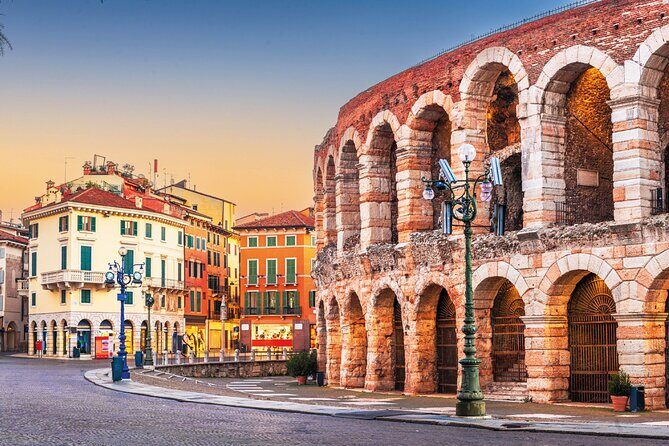
Your walk ends back at Arena di Verona, the famous Roman amphitheater that closes the loop. The tour description frames it as the most important monument of the city, so this is where you get your final “lock in the day” moment.
If you still have energy, the best use of the last stop is to take in the Arena as a scale reference for everything you walked past. Bridges, gates, piazzas—Verona all feels connected once you’re standing by the amphitheater.
When It’s a Perfect Fit (and When It Isn’t)
This Verona audio walking tour is ideal if you like control. You don’t want to wait for a group, you don’t want forced stops, and you want explanations that match what you’re seeing right now.
It’s also a good first-day tool. If you want to understand the city’s layout quickly—Roman core, medieval edges, and the big piazzas—this route gives you a structured overview without turning the day into an obligation.
You might want to think twice if you’re the type who hates phone dependence. If you’re worried about signal, low battery, or awkward audio quality, you’ll have to plan for that. Also, if you strongly prefer human voices over text-to-speech style narration, audio style can be a deal-breaker for some people.
The Most Praised Parts That Matter in Real Life
A quick read of what people value most points to a few practical strengths:
The pace is free. The guide is built for stopping and starting. That means you can linger at bridges for photos or take more time in piazzas without feeling behind.
The information is sized right. The explanations are described as short and useful—enough to make the monuments click, without turning your walk into a lecture.
The route is easy to follow. People like that the map and guidance make it simple to jump between points. Even when they took extra time, the underlying structure stayed usable.
Local support can save the day. When connections and links caused problems, the provider’s responsiveness came through in real-world troubleshooting, which is exactly what you want if your day runs into tech snags.
Optional extras help. Some people mention using the guide to extend beyond the core route—adding churches or food ideas along the way. That’s a big deal if you want your Verona day to feel personal.
Possible Downsides to Plan For
No tour is perfect, and this one has a few predictable issues.
Audio can fail to load if your connection is weak or if a link doesn’t behave. Sometimes a refresh solves it, and sometimes you might need quick tech help from the operator, so keep that in mind.
There’s also criticism of audio delivery style. Some people describe the narration voice as robotic, and others note pronunciation of Italian place names can be hit-or-miss. If you’re sensitive to voice quality, consider using the written guide segments as a backup.
Finally, because it’s phone-based, battery drain can happen if you keep running GPS and maps the whole time. A power bank is your simplest insurance policy.
Should You Book This Verona Walking Tour?
If you want a low-cost way to see Verona’s headline sites with audio and written guidance—and you’re comfortable relying on your phone—this is a smart buy. The route is well laid out from Arena di Verona to Arena di Verona, and the stop selection hits bridges, Roman structure, major squares, Juliet, and the Arena itself.
If you hate phone-based tours, refuse to use internet on the street, or expect a traditional live guide voice, you’ll likely find the experience frustrating. In that case, it may be better to choose a guided group tour or plan your day using an offline approach.
FAQ
How long is the Verona walking tour?
It’s listed as about 2 to 3 hours.
Where does the tour start and end?
It starts and ends at Arena di Verona, Piazza Bra, 1, Verona.
What’s included in the ticket price?
You get a digital written guide plus an audio guide with text in multiple languages.
Do I need headphones?
Headphones aren’t included. You can hear the audio through your phone speakers or through your own headphones.
What languages are available?
The guide includes English, plus other languages listed as Eng, Esp, Ita, Ger.
Do I need internet to use the guide?
Yes. You need a smartphone with an internet connection to use the digital guide.
Is admission required for the stops?
Many stops are listed with admission ticket free. For Museo di Castelvecchio, the courtyard and garden are free to enter.
Is there a group size limit?
The tour/activity has a maximum of 99 travelers.
How far in advance should I book?
On average, it’s booked about 10 days in advance.
Can I get a full refund if I cancel?
Free cancellation is available up to 24 hours in advance for a full refund.