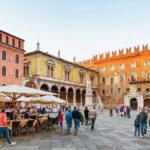
Sunset turns Verona into a living lesson. Hidden Verona at Sunset is a private evening walk through the city center with a strong focus on Verona’s old Jewish Ghetto, tying street details to the Jewish community’s past and present. I love that it pairs “big Verona” sights with Jewish context, and I also like how the pace stays human-sized for a relaxed 2 hours. One thing to consider: entry into the Arena di Verona is not included, so you may pay extra if you want to go inside.
This tour runs in the early evening, with a start window from 5:00 PM to 8:00 PM, so the light is softer and walking feels easier than midday. You’ll meet at Piazza Bra and the tour ends back at the same spot, which keeps the logistics simple. Since it’s offered in English and uses a mobile ticket, you can focus on the streets instead of paper tickets.
If you want more than photos, this is a good fit. The experience is designed to give you context—why a place matters, what you’re looking at, and how it connects to Jewish life in Verona today. Expect an easy flow through key squares and landmarks, with time for questions and small route adjustments when needed.
In This Review
- Key highlights you’ll feel right away
- Why the old Jewish Ghetto focus changes how you see Verona
- Piazza Bra and Piazza delle Erbe: Market square energy, explained
- Piazza dei Signori: Architecture of power (and where to look next)
- The street mark and the Arena square: from everyday streets to tragedy
- Practical note on the Arena
- Castelvecchio at dusk: medieval Verona, built to last
- Ponte Pietra: the oldest bridge, with real river views
- Private tour value: what you’re paying for (and what you’re not)
- The guide makes the difference: expect clear explanations and flexible pacing
- How to plan your evening for comfort (so you can enjoy it)
- Should you book Hidden Verona at Sunset?
- FAQ
- FAQ
- What is the duration of the Hidden Verona at Sunset evening walking tour?
- How much does the tour cost?
- Is this tour private?
- What language is the tour offered in?
- Where does the tour start?
- Does the tour end somewhere else?
- When does the tour run?
- What tickets or admissions are included?
- How will I receive confirmation after booking?
- What is the cancellation policy?
Key highlights you’ll feel right away
- A sunset-centered route that keeps the vibe calm and the walking comfortable
- Verona’s Jewish Ghetto focus with “why this spot matters” context, not just sightseeing
- Classic highlights in order: Piazza delle Erbe, Piazza dei Signori, the Arena area, Castelvecchio, and Ponte Pietra
- Perfect size for conversation: it’s a private group tour up to 15 people, so questions don’t get lost
- Arena di Verona as a viewpoint moment (but ticket entry isn’t included)
- Old city orientation fast—you’ll understand how the pieces fit together as you walk
Why the old Jewish Ghetto focus changes how you see Verona
Most Verona tours skim the surface: pretty squares, famous stonework, and Roman leftovers. This one tries to do something smarter. It uses Verona’s layout—its piazzas, streets, and landmark alignments—to explain Jewish life in the city, then brings you back to what you can still notice today.
That matters because the Jewish presence in many European cities is easy to miss if you only look for grand monuments. Here, the story is tied to street-level clues: you’re taught to recognize markers and understand how the community lived within the urban fabric. So the tour feels like a walking map. Once it clicks, you’ll start spotting details you’d normally walk past.
You can also read our reviews of more walking tours in Verona
Piazza Bra and Piazza delle Erbe: Market square energy, explained
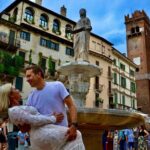
You start where many people begin their Verona adventures: Piazza Bra. From there, the first stop is Piazza delle Erbe, the market square. It’s a quick stop (about 10 minutes), but it’s a useful “setting the scene” moment.
Piazza delle Erbe is the kind of place where Verona shows off. Even in a short time, you can see why locals hang out here: it’s a center of daily life, not a museum room. And because the tour starts with this square, you get oriented fast. You’re learning how to read the city before the route moves into more specific areas.
What I like about starting here is the mental reset it gives you. You’re not jumping immediately into ruins or legends. You’re first learning the city’s rhythm, then using that rhythm as context for the Jewish story that follows.
Piazza dei Signori: Architecture of power (and where to look next)
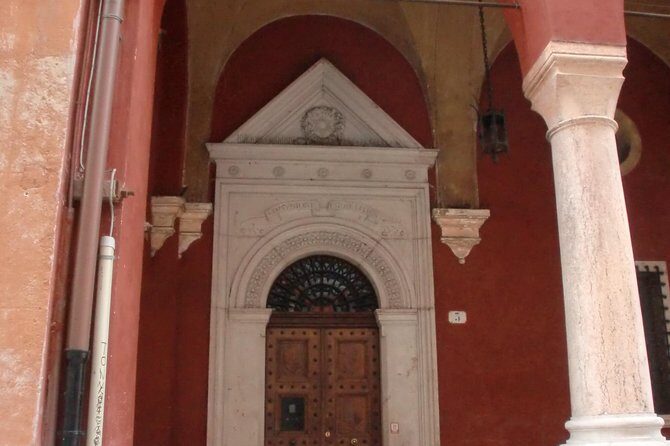
Next is Piazza dei Signori, another short stop (about 10 minutes) with a spotlight on the architecture linked to Verona’s ruling families. This square works as a “before you go deeper” transition. You see the look of authority—stone lines, official geometry, the sense that decisions were made here.
Why it matters for this tour: history isn’t just what happened far away or centuries ago. It’s also who held power, where power sat in the city, and what that meant for communities living nearby. This is where the guide’s context helps you connect the dots instead of just collecting sights.
From this square, you also move toward the route elements connected to the Jewish district—so you’ll want to keep your eyes open as the walk turns into a story walk. Even if you’re not a history buff, the physical layout helps you understand the narrative.
The street mark and the Arena square: from everyday streets to tragedy
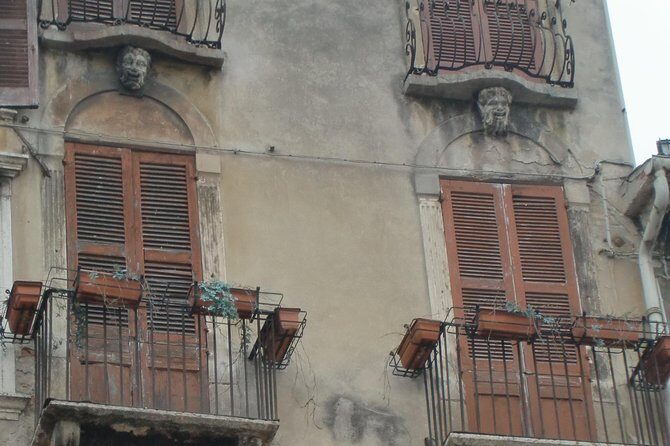
Between the main piazzas, there are two “story” moments that turn the walk from sightseeing into understanding.
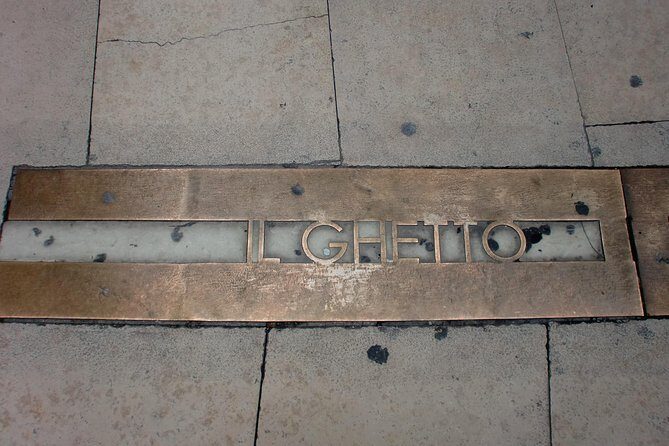
First: there’s a mark in the street indicating the Jewish district. This is the kind of detail that’s easy to miss on your own. But once someone points it out and explains what it represents, it becomes a reference point you’ll remember.
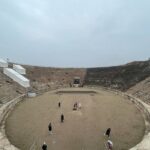
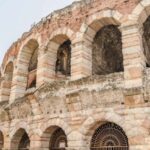
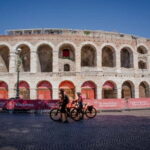
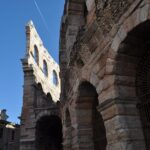
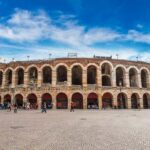
Then the route connects you to the main square where the Arena sits—the amphitheater area that defines Verona for most visitors. You’ll spend time at the Arena di Verona itself, where you learn about how it was made somewhat earlier than the Colosseum was built, and why the Arena remains the symbol of Verona.
The Arena stop is about 10 minutes, and admission is not included. That means two possible ways to enjoy it:
- If you’re happy with exterior views and the historical framing, you can treat it as a powerful photo-and-explanation stop.
- If you want entry inside, budget for the ticket separately.
This is also where the tour connects to the most famous love tragedy tied to Verona. You’ll hear the story angle while standing in the real place that draws those legends into the city’s identity.
Practical note on the Arena
Because entry isn’t included, I suggest you decide ahead of time: do you want to pay for the Arena visit, or do you prefer to focus on the walking story route? Either choice works, but it affects how you plan your money.
You can also read our reviews of more evening experiences in Verona
Castelvecchio at dusk: medieval Verona, built to last
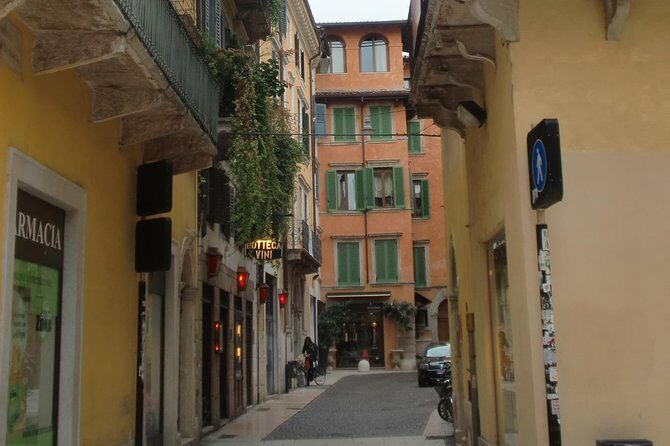
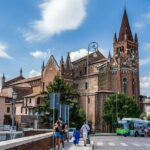
After the Arena area, the tour heads to Castelvecchio, an enchanting medieval castle stop (about 10 minutes) with free admission. Even as a short visit, Castelvecchio changes the mood.
The Arena feels monumental and Roman. Castelvecchio feels defensive and human-scale—part fortress, part power statement, all stone. In a sunset walk, it also becomes a great “time-bridge.” You’re moving through eras without realizing you’re doing it, because the guide keeps the city’s timeline understandable.
What you’ll likely get from this stop is a sense of Verona’s layers: how the city defended itself, how it looked when it mattered, and how those ideas of power connect back to the social story you’ve already started learning.
If you like architecture and want your pictures to mean something, Castelvecchio gives you both.
Ponte Pietra: the oldest bridge, with real river views
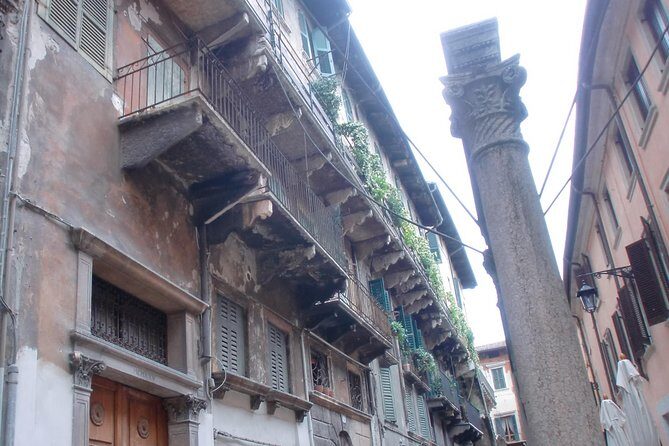
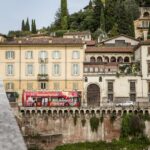
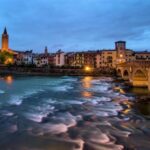
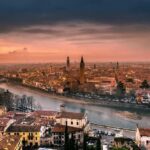
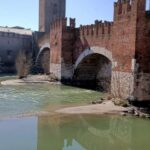
The final major stop is Ponte Pietra, described as the oldest bridge in Verona, with free admission. It’s another quick stop (about 10 minutes), but it lands well at the end of the route.
By this point, you’ve already built context. So instead of seeing the river crossing as a postcard backdrop, you’re seeing it as a piece of Verona’s working city. Bridges are practical things. They shape movement, trade routes, and daily life. That makes them a smart ending for a tour focused on communities.
One more reason to pay attention here: when the light is low, stone and water contrast makes details easier to spot. Even in a short time, you’ll likely capture views that look better than the same spot in flat afternoon daylight.
Private tour value: what you’re paying for (and what you’re not)
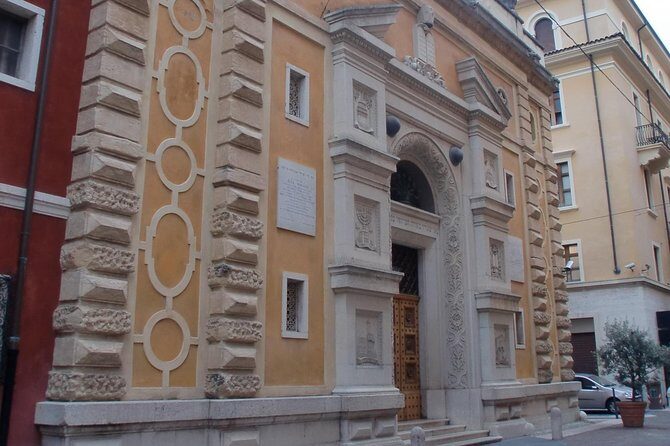
This is priced at $360.88 per group, with room for up to 15 people. That number can look high if you’re imagining paying per person. But in a group-max setup, the math becomes friendlier: if you filled every spot, you’re effectively paying about $24 per person for the guided experience. If your group is smaller, it costs more per person—but the experience stays private.
So what are you really paying for?
- A guide who focuses on context, not just a list of sights
- The ability to keep asking questions without feeling rushed
- A route that links Verona’s center to the Jewish quarter story in a way you can’t easily reconstruct on your own
What you’re not paying for: Arena di Verona admission. Everything else in the itinerary is free at the listed stops, so your extra spending is likely limited to what you choose at the Arena.
The guide makes the difference: expect clear explanations and flexible pacing
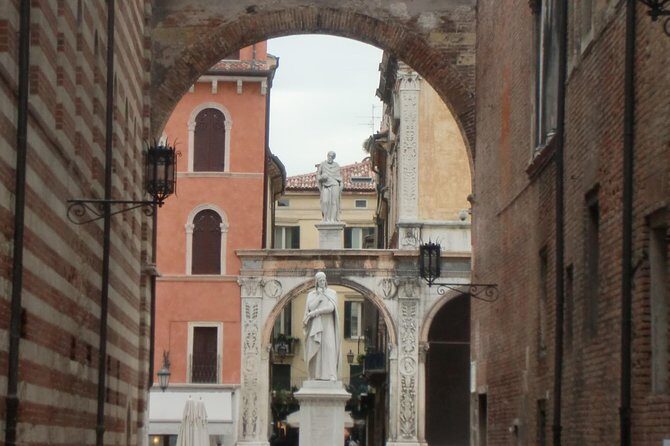
The tour is led by Silvia, and that name comes up with a consistent theme: clear explanations, and a willingness to adjust when real life happens. One group even chose to wrap up a bit early due to heat, which tells you the guide isn’t running a robot schedule.
If you ask questions—even detailed ones—you should expect thoughtful answers. I like this style because it turns the walk into something you can steer. You can spend more time where you’re curious and skim what doesn’t interest you as much.
If you want a smooth experience, come with a few questions ready. For example:
- Where do you see the community’s presence in the city today?
- What street details should I notice as we move?
- How does the power and layout of the city connect to the Jewish district story?
Even without those, the guide’s job is to point things out you’d otherwise miss.
How to plan your evening for comfort (so you can enjoy it)
This tour is only about 2 hours, but Verona walking is still walking. To get the best version of this sunset route:
- Wear comfortable shoes. Castelvecchio to Ponte Pietra is not a sit-on-a-bench kind of journey.
- Bring water, especially in warmer months. Even the most patient walking tour can feel long if you’re overheated.
- Arrive a few minutes early at Piazza Bra so you don’t feel rushed at the start.
- If you’re considering Arena entry, decide before the tour so you’re not scrambling for a plan after the stop.
Also, because it ends back at Piazza Bra, you don’t need to worry about “how do we get home” right after the last stop. You’re right back where many evening plans start.
Should you book Hidden Verona at Sunset?
If you’re deciding between a general city walk and something more specific, I’d book this if:
- You want Verona with meaning, not just highlights
- Jewish history and city geography both interest you
- You like private tours where your questions matter
- You’re visiting in warmer months and want an evening pace
I would skip or switch to a different option if:
- You only want major monuments and don’t care about the Jewish district focus
- You strongly prefer fully ticketed museum entries (because Arena admission is not included)
- You dislike short stops and prefer long time inside buildings (this is a walking route with brief landmark time)
My bottom line: this is a smart way to see Verona at golden-hour tempo while learning how one community’s story threads through the city. The value comes from the way the guide turns ordinary streets and famous backdrops into an organized narrative you can actually remember.
FAQ
FAQ
What is the duration of the Hidden Verona at Sunset evening walking tour?
The tour lasts about 2 hours.
How much does the tour cost?
It costs $360.88 per group (up to 15 people).
Is this tour private?
Yes. It’s a private tour/activity, and only your group participates.
What language is the tour offered in?
The tour is offered in English.
Where does the tour start?
The meeting point is Piazza Bra, Verona VR, Italy.
Does the tour end somewhere else?
No. This activity ends back at the meeting point.
When does the tour run?
The listed hours are Monday through Sunday, 5:00 PM to 8:00 PM.
What tickets or admissions are included?
Piazza delle Erbe, Piazza dei Signori, Castelvecchio, and Ponte Pietra are listed as free. Arena di Verona is not included.
How will I receive confirmation after booking?
Confirmation is received within 48 hours of booking, subject to availability.
What is the cancellation policy?
Free cancellation is available up to 24 hours in advance for a full refund. If you cancel less than 24 hours before the start time, the amount paid is not refunded.