REVIEW · VERONA
Verona: Pasta and Tiramisu Cooking Class with Fine Wine
Book on GetYourGuide →Operated by The Roman Food Tour · Bookable on GetYourGuide
Three hours can upgrade your Verona dinner. In a popular central restaurant, you learn fresh pasta dough and build classic tiramisu, starting with Prosecco and ending with wine over what you made.
I love two things here: the step-by-step guidance that makes pasta feel doable, and the sit-down lunch or dinner where your creations actually get eaten with wine.
The only real catch is food expectations: the traditional recipe uses gluten, dairy and eggs, and even with substitutions, cross contamination can’t be guaranteed.
In This Review
- Key highlights worth planning for
- A Verona Cooking Class That Feels Like Dinner, Not Homework
- Finding Your Meeting Point and Getting Oriented in the First 30 Minutes
- The Pasta Dough Lesson: Flour Choice and Pasta Fresca vs Secca
- Rolling, Cutting, and Learning What Good Dough Feels Like
- Tiramisu Workshop: Turning Technique Into a Dessert You Can Replicate
- Wine With Your Meal: How It Changes the Experience
- Price and Value in Verona: What You’re Really Paying For
- Dietary Needs and Food Reality Check (Read This Before You Book)
- Who This Class Suits Best (and Who Might Want Something Else)
- Instructor Style: Why Clear Teaching Makes Cooking Feel Easy
- Should You Book This Pasta and Tiramisu Class in Verona?
- FAQ
- How long is the Verona pasta and tiramisu cooking class?
- What’s included in the price?
- Is the class taught in English?
- Can I choose a dietary option?
- Are there substitutions for allergies?
- Will I eat what I make?
- Is hotel pickup included?
- What are the age limits?
- Final tip
Key highlights worth planning for
- Prosecco on arrival so you start the class in a relaxed mood
- Behind-the-scenes look at how a busy Verona restaurant works
- Fresh pasta coaching with advice on flour choice and pasta fresca vs pasta secca
- Tiramisu made with guidance so you finish confident, not just hungry
- Two glasses of wine with lunch or dinner to turn cooking into a real meal
- Friendly instruction from hosts like Elodie (and others, depending on the session)
A Verona Cooking Class That Feels Like Dinner, Not Homework
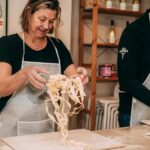
This isn’t a dry demonstration where you watch someone else work. You actually tie on an apron, roll up your sleeves, and make fresh pasta and tiramisu right in a popular Verona restaurant setting. The vibe is part classroom, part dinner party.
I like that it’s built around Italian technique, not just plating. You get clear instruction on what you’re doing and why, so when you eat at the end, it feels earned. And yes, the day starts with something celebratory: Prosecco.
The class also gives you a break from the usual sightseeing loop. Verona’s beautiful, but it can get repetitive fast. This is a hands-on way to spend time in the city without chasing one more church photo.
You can also read our reviews of more cooking classes in Verona
Finding Your Meeting Point and Getting Oriented in the First 30 Minutes
The meeting point can vary by the option you book, so don’t assume it’s always the same address. What matters is that you arrive, step inside, and the staff gets you into the rhythm quickly.
You’re welcomed with a glass of Prosecco, then you’ll get a quick explanation of how the session will work. After that, you usually head behind the scenes to see how the restaurant operates day to day. It helps you understand what you’re stepping into, not just where you’re standing.
This early orientation matters more than you might think. Cooking classes go better when you know the plan, the timing, and what’s expected of you at each station. The pace here is set up so you’re not overwhelmed.
The Pasta Dough Lesson: Flour Choice and Pasta Fresca vs Secca
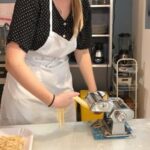
This is the heart of the experience. You’ll learn how to make fresh pasta dough with step-by-step guidance, including what to look for and what to adjust if things feel off. One of the best parts is that you’re not guessing.
You also get practical explanations that travel well. The class covers the difference between pasta fresca and pasta secca, which is useful even if you never roll pasta at home again. Fresh pasta tends to be softer and shorter-lived; dried pasta is made to last. Knowing that helps you order with more confidence when you’re eating out.
Flour choice also comes up, and that’s where the “simple” part stops being simple in a good way. The instructor helps you understand how different flours affect dough texture and handling. That means the final result feels more like skill than luck.
Even better, it’s taught in English. And based on recent feedback from people who took the class, the instructions are clear enough that beginners can get good results. The overall mood tends to be relaxed, with lots of humor and patience in the teaching style.
Rolling, Cutting, and Learning What Good Dough Feels Like
After you start mixing and kneading, you move into the hands-on part: shaping and working the dough until it’s ready for cooking. This is where your senses do the teaching. You learn to judge texture, elasticity, and how the dough responds when you work it.
The goal isn’t perfection. It’s competence. You’re guided to understand the dough as a living material, not as a mystery. And when people finish with pasta they genuinely want to eat, that’s the payoff.
One practical benefit for you: once you’ve made fresh dough in front of an instructor, ordering pasta in Verona gets easier. You start to notice quality, feel more comfortable asking questions, and recognize what might be handmade versus mass-produced.
Tiramisu Workshop: Turning Technique Into a Dessert You Can Replicate
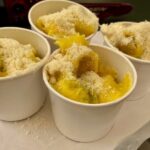
Then you switch gears from savory to sweet. Tiramisu is a classic Italian dessert, but it’s also one people often get wrong at home because the steps aren’t intuitive. Here, you get guidance while you assemble it, not just after the fact.
The class walks you through the process in a way that helps you understand timing and texture. You’re learning how to build the layers so the dessert holds up and tastes balanced. And since you sample what you make, you don’t have to wonder if you did it right.
This part also tends to be a crowd-pleaser because it’s interactive and satisfying. Recent experiences described a lot of laughter during the process, with instructors keeping the mood friendly and comfortable. If you’re cooking as a couple or small group, this is often the section where you start feeling like real teammates.
You can also read our reviews of more wine tours in Verona

Wine With Your Meal: How It Changes the Experience
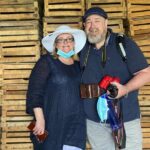
After cooking, you sit down together for lunch or dinner, with a glass of wine included to accompany the meal. The package includes two glasses of wine total, plus the Prosecco at arrival. That turns the whole thing from a class into an actual Italian dining moment.
And it’s not just about drinking. Wine is part of how Italians experience food: you eat, you talk, you slow down, and the meal becomes the point. Many people love this format because it keeps the class from feeling like a chore you need to finish.
One review even mentioned a finishing glass of limoncello as a nice surprise. That’s not listed as a standard inclusion in the basic details you provided, so treat it as a possible extra rather than a guarantee. Still, it signals the experience has room for a little local flair.
Price and Value in Verona: What You’re Really Paying For
At $35 per person, this sits in the budget-friendly zone for hands-on food experiences in a major Italian city. You’re not just paying for ingredients. You’re paying for instruction, workspace access, and the chance to eat the results as part of the package.
The value becomes clearer when you break it down:
- You get Prosecco on arrival
- You get two glasses of wine with your meal
- You get a full 3-hour class covering fresh pasta and tiramisu
- You get lunch or dinner included
That matters because the class doesn’t stop at teaching. It ends with you eating what you made, with drinks to match. In many other food experiences, you pay for the show and maybe a snack. Here, the price supports the full arc: learn, cook, taste, relax.
Dietary Needs and Food Reality Check (Read This Before You Book)
You can request dietary options at booking, including vegetarian and other diets. However, the experience is marked as not suitable for vegans, and it also lists restrictions for people with gluten intolerance and lactose intolerance.
There’s also an allergy note you should take seriously. Substitutes may be offered for allergies or food preferences, but the instructions stay focused on the traditional recipe that includes gluten, dairy, and eggs. And there’s no guarantee of 100% avoidance of cross contamination.
So here’s the practical way to handle it: if you have allergies or strict dietary needs, contact the provider before you commit. If your needs fall into the listed unsuitability categories, consider choosing a different food tour format.
If you’re not dealing with those specific restrictions, this is still a good fit. Many people come in ready to learn, and the experience is structured so you can enjoy the food at the end.
Who This Class Suits Best (and Who Might Want Something Else)
This is ideal if you want a break from sightseeing that still feels very Verona. If you like cooking, enjoy wine, and you’re the type who learns better by doing, you’ll probably get a lot out of it.
It’s also a strong pick for:
- Couples who want a shared activity and a relaxed evening pace
- Friends looking for an experience that’s social without being chaotic
- Anyone who wants to take home technique, not just photos
It might be less ideal if:
- You can’t handle alcohol or don’t want drinks included
- You have strict dietary restrictions in the categories listed as not suitable
It also doesn’t work for the youngest kids: it lists children under 3 years as not suitable, and babies under 1 year as not suitable. So if you’re traveling with small children, you’ll likely need a different plan.
Instructor Style: Why Clear Teaching Makes Cooking Feel Easy
A big part of why these classes land well is the instructor. Multiple recent participants praised their teaching style, often highlighting how comfortable they felt, how patient the guidance was, and how easy it was to follow along.
Names in the feedback include Elodie as a standout host/instructor, and there are also mentions of other instructors such as Ilhandra and Elsie. Different sessions can mean different personalities, but the common thread is instruction that stays clear and friendly.
If you’re worried you won’t be good at pasta dough, don’t stress. The class is structured to teach process and technique, not just results. You’ll get step-by-step direction, and you’ll see what the finished dough should look and feel like through guided practice.
Should You Book This Pasta and Tiramisu Class in Verona?
I think you should book this if you want a hands-on Italian meal experience that’s structured, social, and genuinely tasty at the end. For $35 and a 3-hour time block, the combination of fresh pasta technique, tiramisu workshop, and included drinks makes it good value.
I’d skip it or ask lots of questions first if you have gluten intolerance, lactose intolerance, or need strict vegan substitutions. Also be honest about your alcohol comfort level since Prosecco and two wine glasses are part of the experience.
If you want something that turns Verona from a list of sights into a story with flavor, this is a very strong choice.
FAQ
How long is the Verona pasta and tiramisu cooking class?
The class lasts 3 hours.
What’s included in the price?
You get a welcome glass of Prosecco, a pasta and tiramisu cooking class, lunch or dinner, and 2 glasses of wine.
Is the class taught in English?
Yes, the instructor teaches in English.
Can I choose a dietary option?
Dietary options are listed as available at booking, but the activity is marked not suitable for vegans, and it also lists restrictions for gluten intolerance and lactose intolerance. If you have dietary needs, inform the provider when booking.
Are there substitutions for allergies?
Substitutes may be offered for allergies or food preferences, but the traditional recipe still includes gluten, dairy and eggs, and the provider states it cannot guarantee 100% free of cross contamination. Inform them of allergies when booking.
Will I eat what I make?
Yes. You’ll sample the dishes you prepare, and you sit down together for lunch or dinner at the end.
Is hotel pickup included?
No. Hotel pickup and drop-off are not included.
What are the age limits?
The experience is not suitable for children under 3 years and babies under 1 year.
Final tip
If you’re choosing between another Verona food experience and this one, pick the one where you want to learn technique you can actually repeat. This class is built for that, and the meal at the end is part of the deal.