REVIEW · VERONA
Verona: City Walking Tour with Cable Car & Wine Aperitif
Book on GetYourGuide →Operated by Walks In Europe · Bookable on GetYourGuide
Verona can feel like a film set. This small-group walk strings together the Roman core, the Adige riverside, and a serious viewpoint from Castel San Pietro, ending with a wine aperitif. I love how practical the route is (you get your bearings fast), and I love the mix of big monuments plus the quieter stories your guide spots along the way. One thing to consider: you do a fair amount of walking, and you’ll face some steps after the cable car, so it’s not ideal if mobility is limited.
The pace is guided and easy to follow, with plenty of stops for questions and context. You’ll see the Arena from outside, check out the major gates and bridges, ride the cable car uphill (only), then walk back down toward the center along the river. Your finale is built for enjoyment: two regional wines with local ham and cheeses—more than a light sip, less formal than a sit-down dinner.
In This Review
- Key highlights you should care about
- Piazza Bra Start: Arena Views Without the Inside-Ticket Hassle
- Roman Verona Walk: Arches, Gates, and Bridges Over the Adige
- Cable Car to Castel San Pietro: The Best Panorama Is One-Way
- Squares and Shakespeare Outside: Juliet’s Balcony Without the Indoor Detour
- Wine Aperitif Finale: Two Regional Wines Plus a Proper Platter
- Price and Value for a 3-Hour Verona Introduction
- Who This Tour Fits Best (and Who Might Skip It)
- Should You Book This Verona Walking Tour?
- FAQ
- Where is the meeting point?
- How long is the tour?
- What does the wine aperitif include?
- Is the Arena interior included?
- Will we go inside Juliet’s House?
- How does the cable car work?
- What languages are the tours offered in?
- Is this tour wheelchair accessible?
- Can I join the tour after it starts?
Key highlights you should care about
- Arena-area focus without ticket lines, since the interior isn’t included
- Roman Borsari Gate, Arco dei Gavi, and multiple Adige crossings in one smooth loop
- One-way cable car uphill to the Belvedere viewpoint at Saint Peter Hill
- Romeo and Juliet seen from the outside, with story time and context
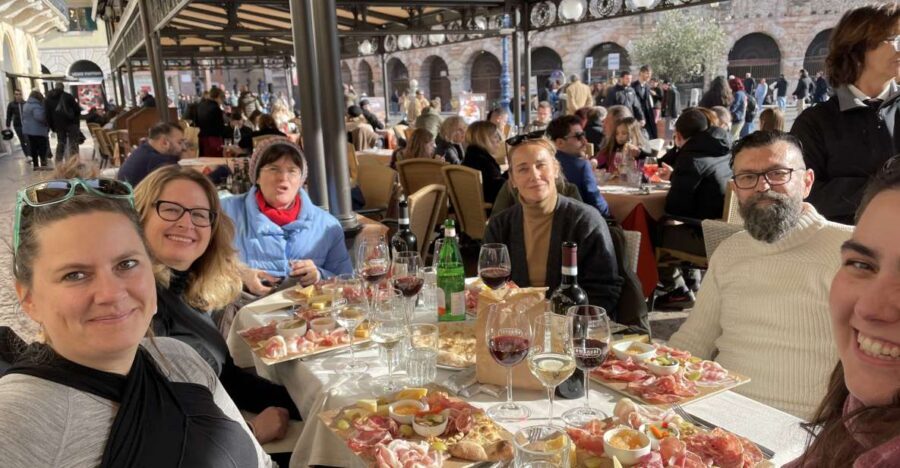
- Wine aperitif finale with two regional wines plus ham and cheese platter
Piazza Bra Start: Arena Views Without the Inside-Ticket Hassle
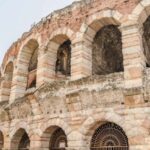
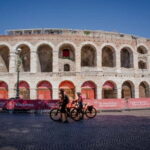
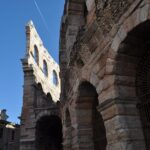
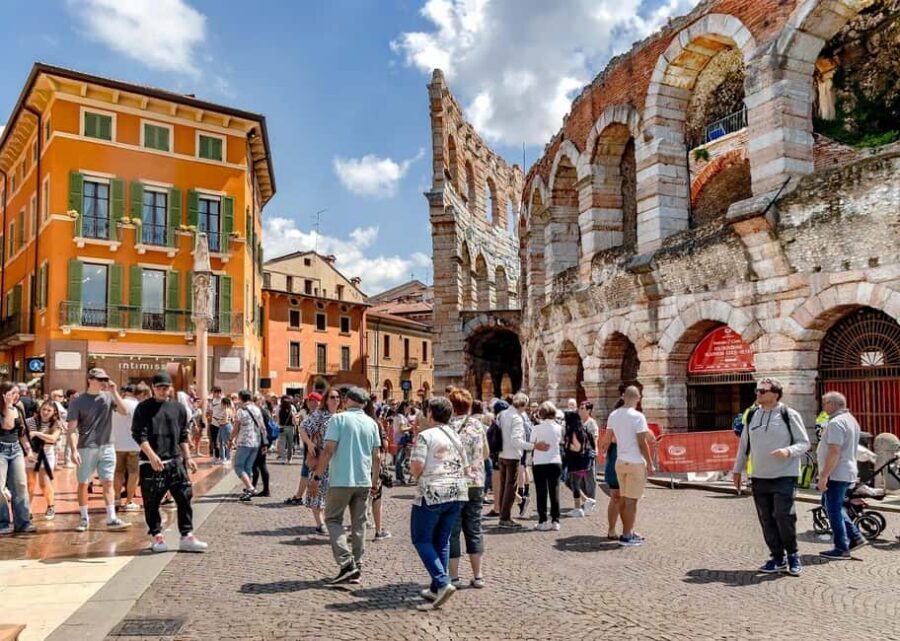
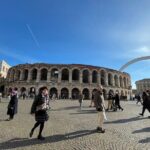
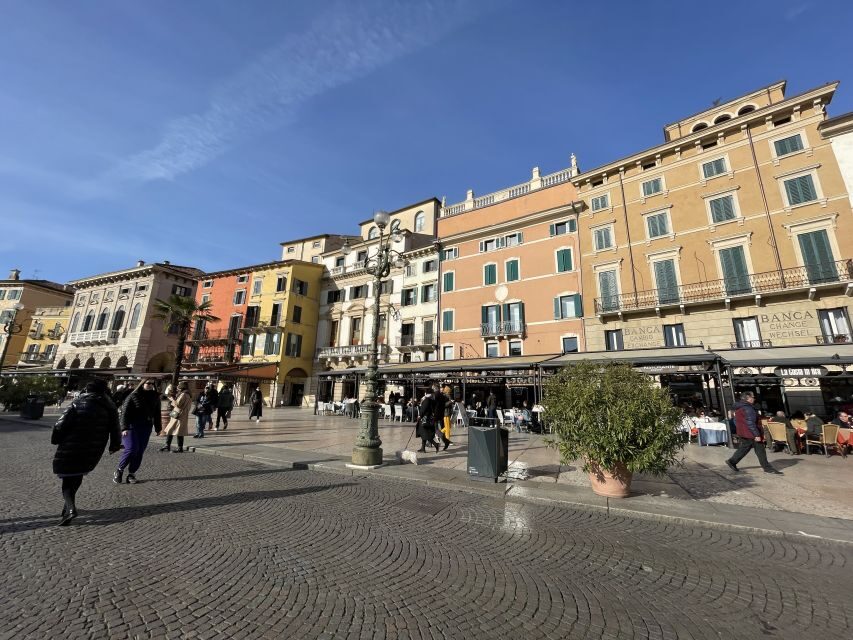
Most Verona “walks” start in the right place, but this one starts with confidence: Piazza Bra (P.za Brà, 10). From here, the Roman Arena takes center stage. You get the big-picture why behind it—how this huge amphitheater shaped the city’s identity long before Romeo and Juliet ever hit the page.
Here’s what I like about beginning at Piazza Bra: you’re immediately oriented. The guide can point out sightlines, explain what you’re looking at, and tie it to the next stops so the city starts making sense rather than just looking pretty.
Also, don’t expect an inside visit of the Arena. That’s not a downside for everyone; it actually keeps your time more flexible. You spend your energy on Verona’s streets and viewpoints, and you avoid getting stuck in a ticketed attraction when you could be seeing bridges and riverfront history.
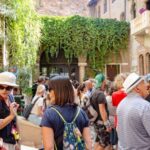
Your group is small and your guide is live (English or German). That matters because Verona is detail-heavy: gates, arches, medieval layers, and street-level clues. A good guide helps you read the city as you walk, not just “collect photos.”
You can also read our reviews of more walking tours in Verona

Roman Verona Walk: Arches, Gates, and Bridges Over the Adige
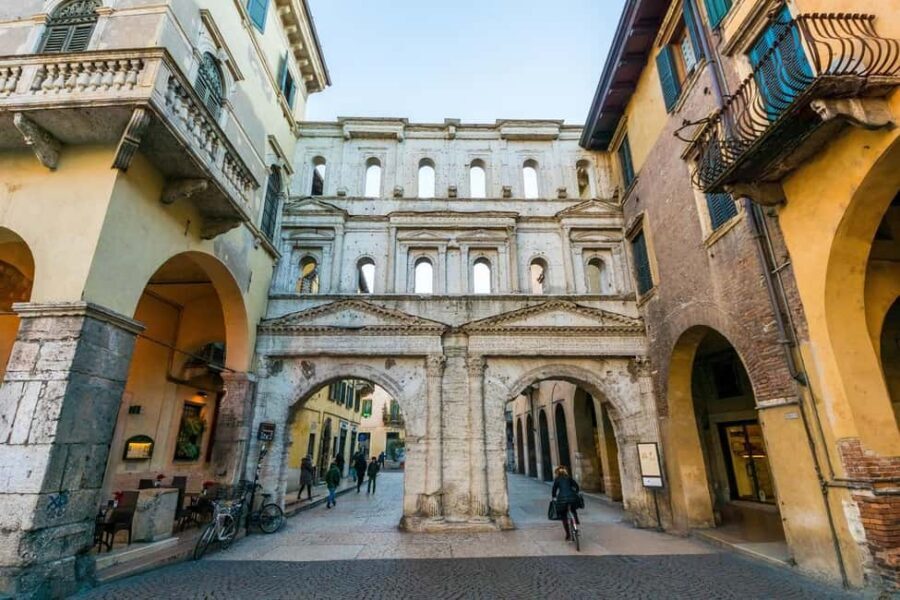
After Piazza Bra, the tour moves through the Roman and medieval spine of the city, and it’s built around a classic theme: time layers. You’ll pass and learn about Arco dei Gavi and the Porta Borsari—both are short stops, but they’re the kind that change how you understand a place once someone explains what you’re seeing.
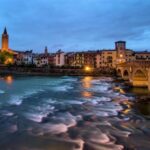
You’ll also cross through the bridge sequence: Ponte Pietra and Ponte Scaligero. Bridges sound simple until you’re standing on one and realizing Verona’s story keeps running alongside the water. The Adige isn’t just scenery here—it’s part of the historical logic of where people built and how the city evolved.
One of the more interesting moments is the riverside storytelling. Your guide shares details about Saint Thomas Island, a place that used to exist in the Adige. It’s the sort of detail that makes Verona feel less like a postcard and more like a city that changed for real reasons.
Then you head onward into the medieval lanes, where Verona’s architecture starts to look like its own language. Even if you’ve been to Italy before, these streets reward slow attention. The guide’s job is to keep the walk moving while still giving you “oh, that’s why” moments—why certain buildings are where they are, and how the city’s different eras overlap.
A practical tip: wear shoes you’d be happy walking in for a couple hours. The route isn’t an obstacle course, but you’re on cobbles and stone for meaningful stretches.
Cable Car to Castel San Pietro: The Best Panorama Is One-Way
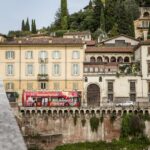
The highlight jump here is the cable car ride up to Saint Peter Hill (Castel San Pietro). It’s a one-way uphill ticket included in the tour, and that detail shapes the whole experience. You climb for the view, then you earn the view with a scenic downhill walk afterward.
From the Belvedere viewpoint, you get a sweeping angle on Verona that you don’t get from street level. It’s the classic “I get it now” moment—rooftops, river bends, and the density of the center all clicking into place.
What I like most is that the cable car doesn’t become a separate attraction that eats your day. It’s integrated. The viewpoint is for perspective, and the downhill walk is for connection back to the city.
Keep your expectations realistic: you’re not going to sprint around from photo spot to photo spot. The value is in staying present, letting the guide narrate while you look out over the city. And since the cable car is uphill only, plan on some stairs and walking during the descent.
If you’re thinking ahead for comfort, this is a good moment to hydrate and check your pace. One review noted the guide can help with shade during hot weather—so if it’s warm out, lean into that by moving when the group moves, not when you personally feel like it.
Squares and Shakespeare Outside: Juliet’s Balcony Without the Indoor Detour
Back in the historic center, the tour threads together a few different flavors of Verona.
You’ll pass through Signori Square and Erbe Square, which are both great for understanding how the city functions day-to-day. These spaces help you shift from “ancient Verona” to “lived-in Verona,” so your Roman stops don’t feel like an isolated museum moment.
You’ll also see more Roman references, including the Roman Theatre and the Della Scala Medieval Tombs. These aren’t just “more stops.” They show how Verona kept reusing prestige: new power structures grew around older foundations, and the city kept building in the same general stage.
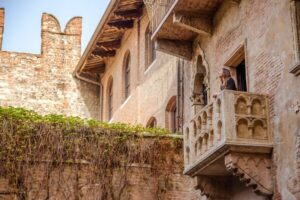
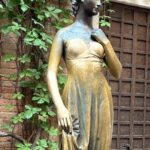
And yes, the Shakespeare stops are included—but in the right way. You’ll view Romeo’s House and Juliet’s Balcony from the outside, and the guide gives you the stories that make them famous. The interior of Juliet’s House isn’t visited, which might disappoint anyone hoping for an indoor wander, but for most people it keeps the day moving and prevents the “line + overwhelm” trap.
My take: outside views plus guided context often beats an indoor visit when you have a time-limited trip. You’ll walk away remembering the city, not only the building.
Wine Aperitif Finale: Two Regional Wines Plus a Proper Platter
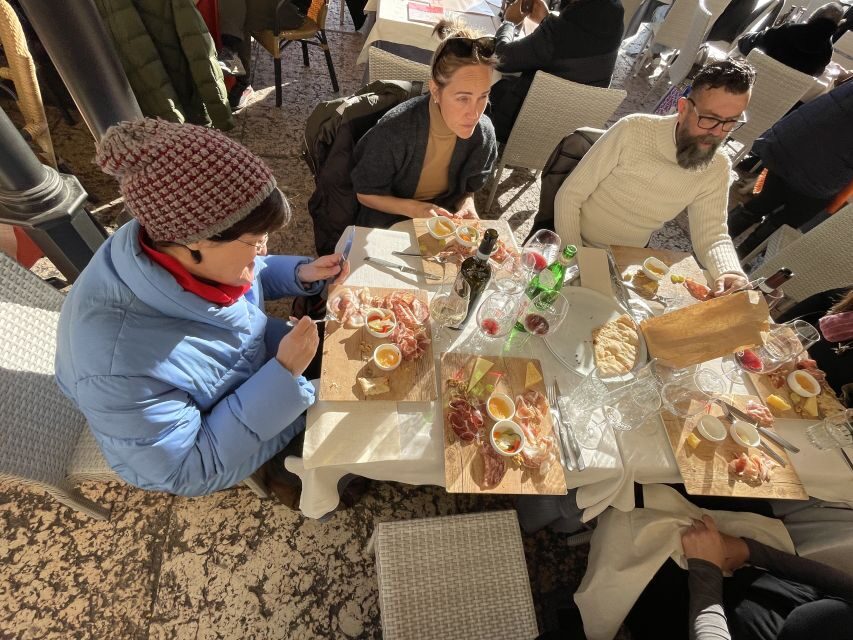
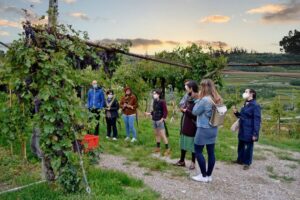
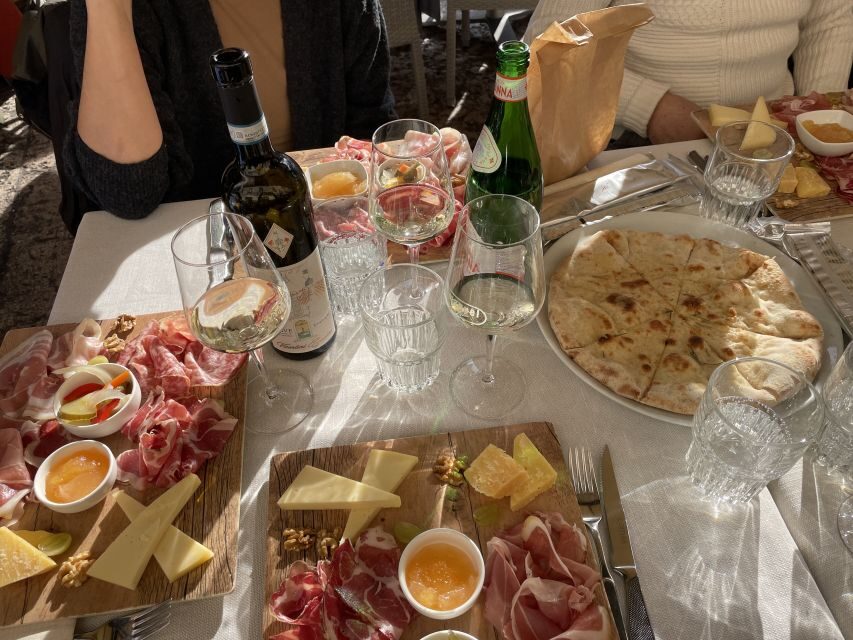
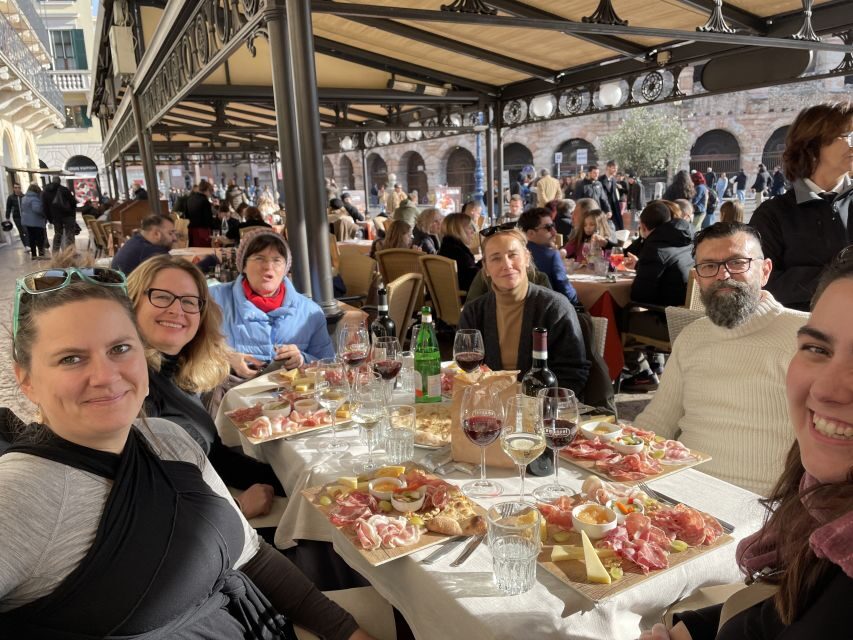
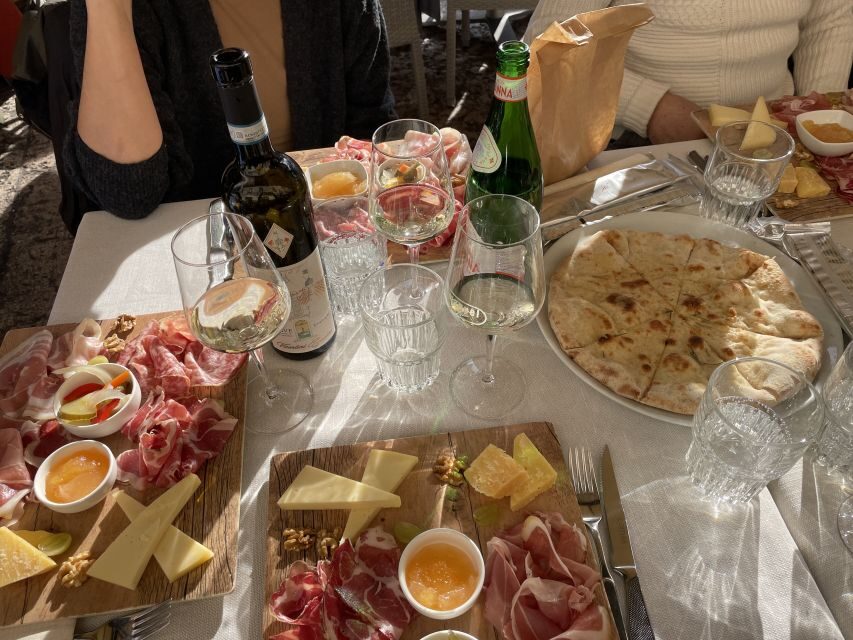
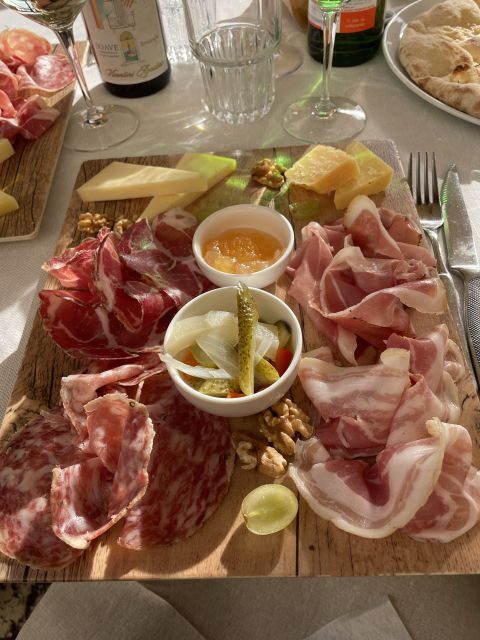
The last act lands back at Piazza Bra, where you relax with a wine aperitif. This isn’t a tiny finger-snack situation. You get two regional wines, plus a cheese and ham platter that’s meant to feel like a real finish to a walking day.
This is where the tour earns its “value” points. If you tried to recreate this yourself, you’d spend time figuring out where to go, which wines to order, and what pairings make sense. Here, the guide route funnels you into the right kind of rest: you’ve done the sightseeing, now you get to slow down.
A few things to keep in mind so you’re not surprised:
- The food is served as a platter style spread, not a guided-by-a-sommelier tasting flight.
- Portions can feel lunch-level, not just appetizer-level, so you might not want a heavy meal before the tour ends.
If you have dietary needs, plan to communicate them in advance. One standout detail from customer experiences: some places handled gluten-free and celiac requests with extra care, including separate cutlery and precautions against cross contamination. That’s exactly the kind of thing you want to confirm beforehand. Also, if allergies are part of your reality, don’t wait until you arrive—ask early and directly.
You can also read our reviews of more city tours in Verona



Price and Value for a 3-Hour Verona Introduction
At about $81 per person for 3 hours, this tour looks pricey only if you compare it to a self-guided stroll. But compare it to what’s included and what you’re buying.
You’re paying for:
- An expert local guide for a tight, structured route
- A cable car ride uphill
- A wine aperitif with two regional wines
- A ham and cheese platter
That combination is the value. The guide is what turns “I walked through Verona” into “I understand Verona.” And the cable car + wine pairing turns the endpoint into something satisfying, not just a photo stop and back to your hotel.
If you’re in Verona for a short time, this is also a smart use of money. You’re not spreading effort across multiple half-decisions. You get a coherent loop that covers the major Roman anchors, the Adige story moments, and the signature viewpoint.
Who This Tour Fits Best (and Who Might Skip It)
This tour is ideal if you want:
- A guided way to learn the city fast
- A balanced mix of Roman sites, medieval streets, and scenic viewpoints
- A relaxing food-and-wine finish that doesn’t require planning
It’s less ideal if:
- You need wheelchair accessibility (it’s not suitable for wheelchair users)
- You strongly prefer indoor visits at major attractions (the Arena and Juliet’s House interiors aren’t included)
- You’re trying to minimize walking and steps, especially after the cable car
If you’re the type who likes to wander with purpose—stops that explain what you’re looking at—this will feel efficient and rewarding. If you’d rather pick your own pace and skip structured storytelling, a self-guided loop might suit you better.
Should You Book This Verona Walking Tour?
I’d book it if your goal is a high-impact introduction to Verona in one morning or early afternoon block. The route makes sense, the viewpoint is worth the effort, and the ending with two regional wines plus ham and cheese gives your day a clean, enjoyable finish.
I’d think twice only if walking with steps is a dealbreaker for you, or if you specifically want inside entry to both the Arena and Juliet’s House. Otherwise, this is a solid way to see Verona like a connected story instead of a list of monuments.
If you do book, bring comfortable shoes, plan for shade/warmth as needed, and tell the provider about dietary restrictions early so the aperitif lands well.
FAQ
Where is the meeting point?
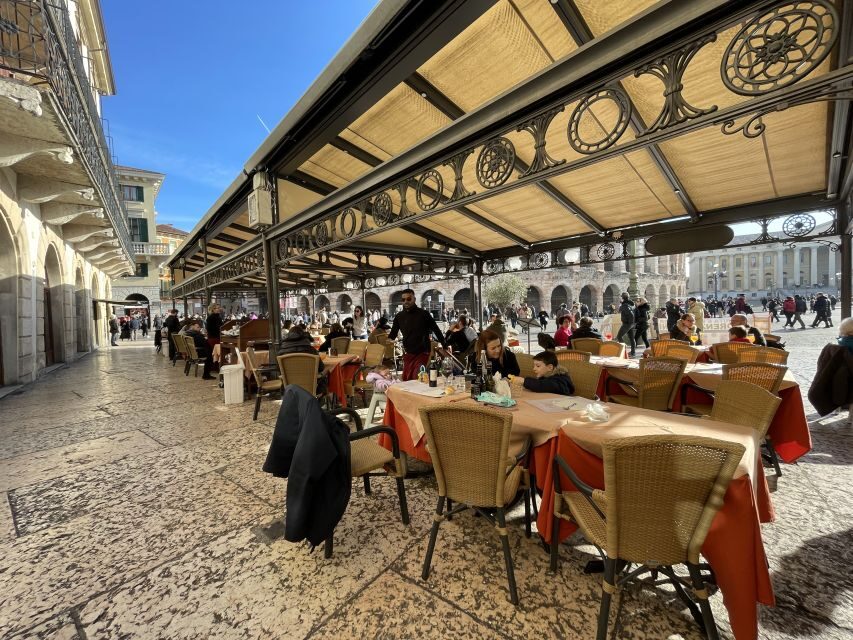
You meet at Piazza Bra, 10 (P.za Brà, 10), 37121 Verona. The guide will have a signboard that says Walks In Europe. Arrive 5 to 10 minutes early.
How long is the tour?
The tour lasts 3 hours.
What does the wine aperitif include?
The finale includes two regional wines and a platter with local ham and cheese.
Is the Arena interior included?
No. You view the Arena from outside as part of the tour.
Will we go inside Juliet’s House?
No. Juliet’s House and Juliet’s Balcony are viewed from the outside only.
How does the cable car work?
The cable car ticket covers the one-way uphill ride to Saint Peter Hill. Walking downhill is part of the experience.
What languages are the tours offered in?
The live guide speaks English and German.
Is this tour wheelchair accessible?
No, it is not suitable for wheelchair users.
Can I join the tour after it starts?
No. You can’t join once the tour has started.