REVIEW · VERONA
The Highlights of Verona Small Group Walking Tour
Book on GetYourGuide →Operated by Ways Tours | B Corp certified · Bookable on GetYourGuide
Verona can feel like two cities at once. This small-group walk stitches the present to the Roman past and the Shakespeare-to-now love story. You’ll see the UNESCO-listed center on foot with a local guide, then you’ll get the kind of context that makes the streets make sense fast. Two things I like a lot: the focus on the Verona Arena outside (with opera-festival details) and the fun, hands-on stop at Juliet’s Balcony where you can pin a love letter. One possible drawback: it’s an outside-only sightseeing route, so if you’re hunting for major interiors, you’ll want to pair it with other visits.
Pacing is another big plus here. In just two hours, you cover the core sights—bridges, arches, main squares—without turning the day into a sprint. And you’re in a small group with a real licensed guide; guides such as Maria, Giuliana, and Francesco show up in the most praised feedback for being upbeat, detailed, and easy to follow.
In This Review
- Key Highlights Worth Your Time
- Why This 2-Hour Walking Tour Hits the Sweet Spot in Verona
- Starting Point Options: Arena Area vs. Theater Area
- Verona Arena: Pink Marble, Roman Power, and Opera Season Clues
- The Quick Photo Stops That Make the Big Sights Feel Real
- Castelvecchio Bridge (Photo Stop)
- Arco dei Gavi (Photo Stop)
- Piazza delle Erbe and Torre dei Lamberti: The Civic Core
- Piazza dei Signori to Juliet’s House: Power, Poetry, and the Love-Letter Wall
- Piazza dei Signori
- Juliet’s Balcony and Casa di Giulietta
- Piazza Bra to the Final Arena Views: Where You’ll Want Your Best Photos
- The Human Part: Why the Guide Can Make or Break the Value
- Price and Value: Is $41 Worth Two Hours?
- What You Should Know Before You Go (The Practical Stuff)
- Should You Book This Verona Walking Tour?
- FAQ
- How long is the Verona small-group walking tour?
- Where does the tour start?
- Is hotel pickup included?
- What sights will I see during the walk?
- Is the Verona Arena visit inside or outside?
- Does the tour run in rain?
- Can I bring pets, luggage, or large bags?
- Are unaccompanied minors allowed?
- What languages is the tour offered in?
Key Highlights Worth Your Time
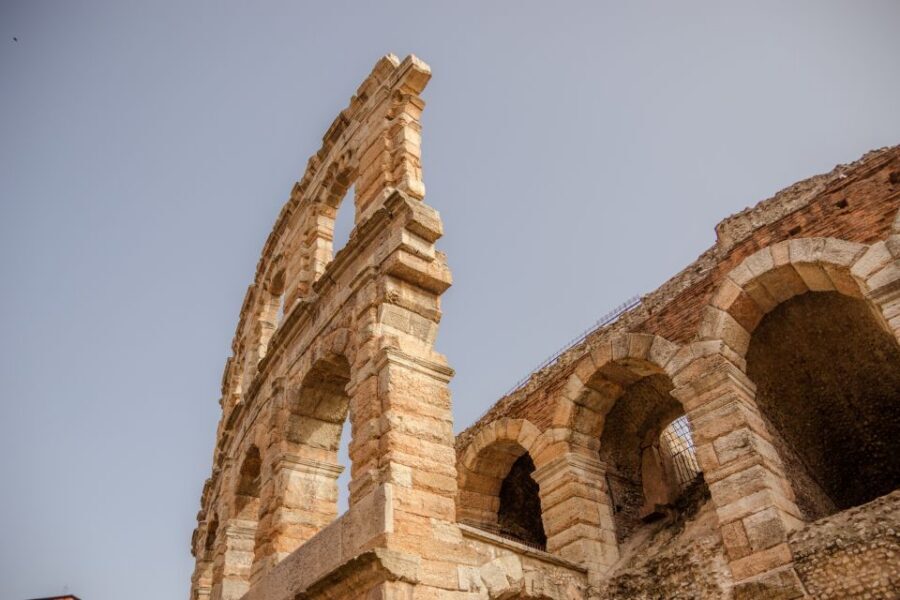
- Roman Arena 30 AD perspective: see the pink-marble façade and learn how it still drives summer opera.
- Juliet’s Balcony experience: pin a love letter to the wall by Casa di Giulietta.
- UNESCO center orientation: get your bearings around Verona’s key historic zones.
- Piazza Erbe and Torre dei Lamberti: a quick hit of medieval civic life and great photo angles.
- Piazza dei Signori and Piazza Bra: the city’s power-and-procession squares in one arc.
- Guides who teach with personality: from humor to practical tips like where to eat after the tour.
Why This 2-Hour Walking Tour Hits the Sweet Spot in Verona
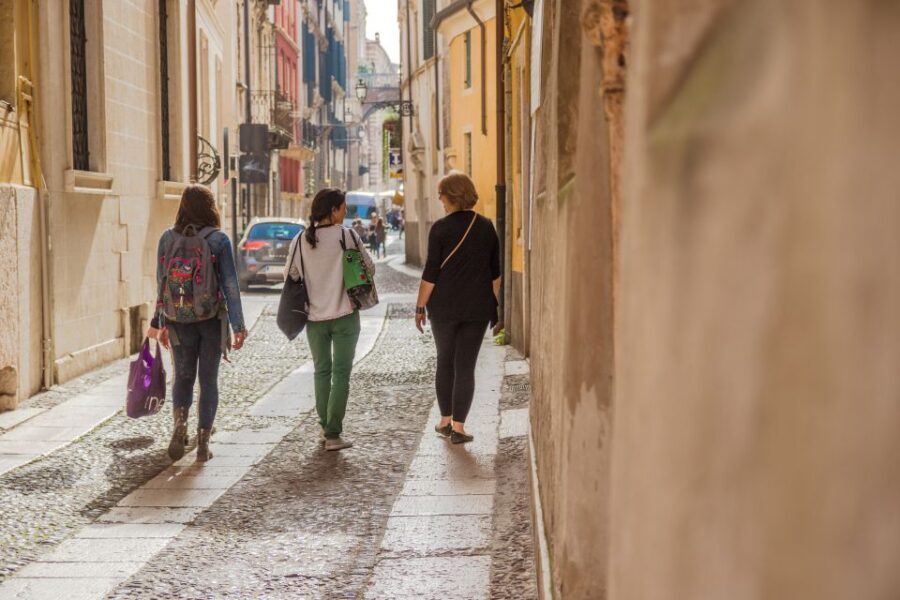
Verona is one of those cities where the “where do I go first?” question can steal your vacation time. This tour solves that with a tight loop through the historic center. You get a guided route that links major monuments to the stories that shaped them—Roman architecture, medieval Verona, and the opera season that keeps the Arena alive.
The other reason this works is mental pacing. It’s long enough to feel like a proper introduction, but short enough that you can still enjoy an unplanned wander afterward. If you’re only in town for a day or you don’t want to spend your morning lost between piazzas, the two-hour format is the smart move.
And because the tour runs rain or shine, you’re not forced to gamble on the weather. Verona weather can be moody. Having a scheduled, guided walk means your plans keep moving.
You can also read our reviews of more walking tours in Verona

Starting Point Options: Arena Area vs. Theater Area
You can begin at one of two starting spots, depending on what you book: Teatro Ristori or Arena di Verona. Either choice places you near the core sights, but it changes the vibe at the beginning.
- Starting at Arena di Verona usually feels like you’re walking into the main event right away—perfect if you’re most excited about the amphitheater.
- Starting near Teatro Ristori can feel like a slightly more scenic warm-up before the route links into the Arena and main squares.
If you’re trying to minimize transit after the tour, pick the option that best matches where you’ll be after 2 hours.
Verona Arena: Pink Marble, Roman Power, and Opera Season Clues
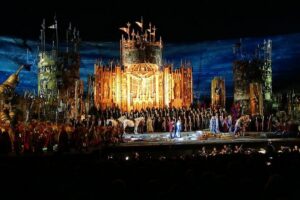
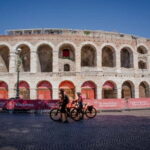
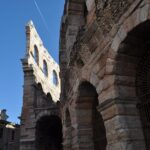
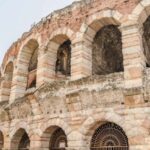
The heart of the walk is the Verona Arena, the famous Roman amphitheater built in 30 AD. Even from the outside, it’s an architectural punch. The tour calls out the pink marble façade, and once you know what to look for, the building starts to read like a living machine—made for crowds, built to last, and still used today.
Here’s what makes this stop more than a photo moment: you’ll learn why it’s considered one of the best-preserved structures of its kind. That matters because the Arena isn’t just a relic you admire. It’s a working venue, and it’s tied to the Verona Opera Festival as the main location for summer performances.
You also get a feel for how the Arena fits into Verona’s modern rhythm. The guide’s job is to connect those dots in a way you can carry with you. After this stop, when you walk past the city streets later, you’ll notice how often public life and big events orbit this same space.
Practical note: you’re on foot, and the route includes photo stops along the way, so wear comfortable shoes. The Arena area is worth lingering, so don’t plan something tight right after the tour ends.
The Quick Photo Stops That Make the Big Sights Feel Real
The tour doesn’t rush from one landmark to another. It inserts short pauses that help you register the city.
Castelvecchio Bridge (Photo Stop)
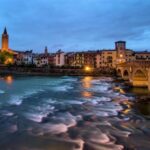
You’ll make a brief stop at Castelvecchio Bridge—time enough for photos and context, not enough for a long detour. This is a good moment to reset your bearings. Bridges are natural “landmark glue” in Verona: they help you understand how neighborhoods connect.

Arco dei Gavi (Photo Stop)
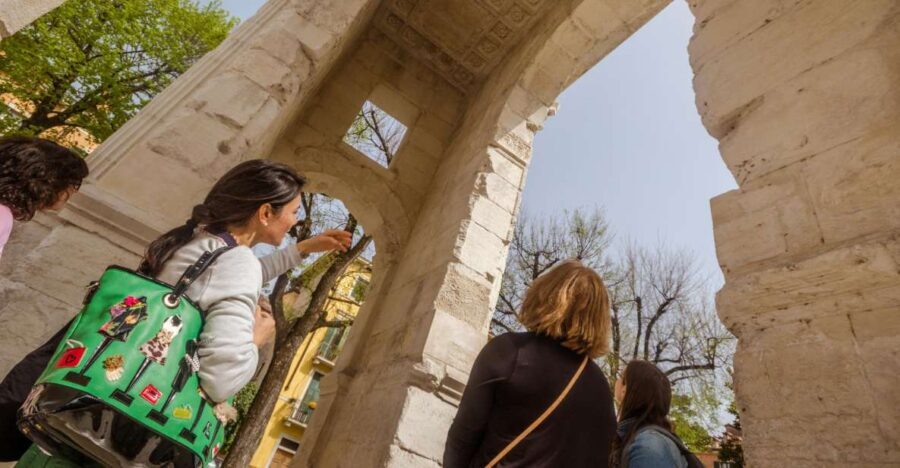
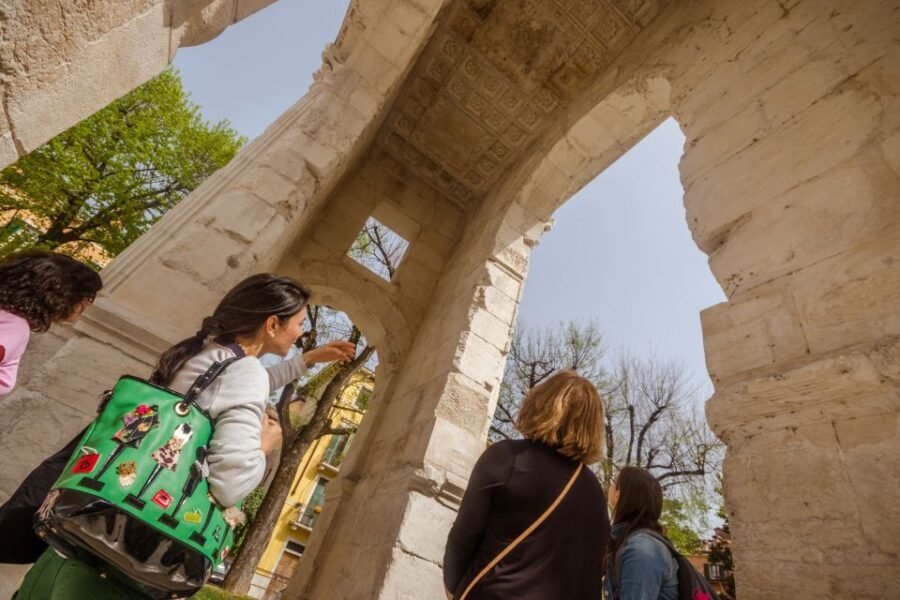
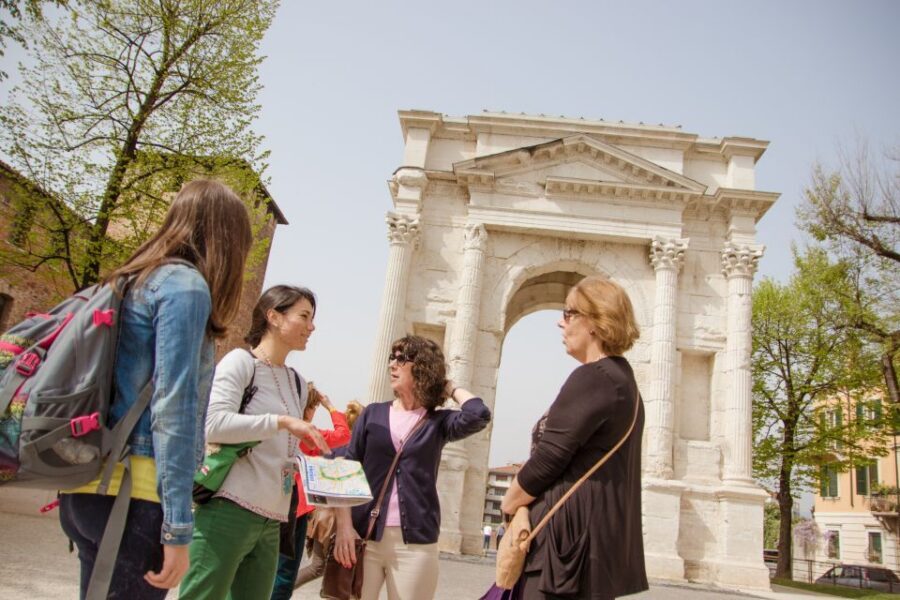
Next is Arco dei Gavi. Think of it as a history bookmark: an arch that signals Roman-era layering under the medieval and later fabric. These kinds of small structures are easy to miss on your own, but guided stops make them meaningful.
In a city like Verona, these short stops do two things: they give your camera a rest and they help the bigger monuments stick in your memory.
Piazza delle Erbe and Torre dei Lamberti: The Civic Core
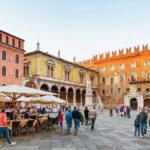
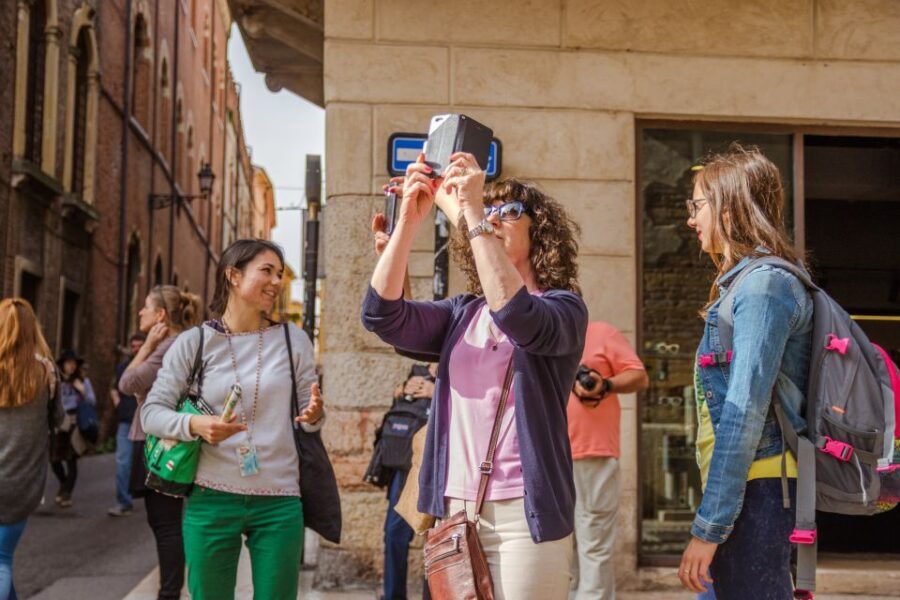
One of the most satisfying parts of the route is how it lands in the city’s civic heartbeat: Piazza delle Erbe. You’ll stop for photos and scenic views while the guide explains what this square represents in Verona’s historic center.
This is where Verona stops being only romantic. Piazza Erbe has that medieval-market energy—buildings that look like they’ve watched centuries of everyday life roll by. Then you get Torre dei Lamberti in the mix. The tower isn’t just scenery; it’s a landmark that helps you orient visually. Even if you don’t climb it, you’ll start spotting it as a reference point.
If your goal is to walk Verona first with confidence and then explore freely later, this is a key moment. After Piazza Erbe, your self-guided wandering is easier because you’ll know where you are in the bigger map.
Piazza dei Signori to Juliet’s House: Power, Poetry, and the Love-Letter Wall
From Piazza Erbe, the route moves through Piazza dei Signori and toward Juliet’s House (Casa di Giulietta). These stops give you two different flavors of Verona: civic authority and literary myth.
Piazza dei Signori
You’ll get a photo stop here with guidance on what makes it important. Think of it as another “people gather here” square, but with a slightly more formal, historic aura. It’s the kind of place where the architecture does some of the storytelling for you.
Juliet’s Balcony and Casa di Giulietta
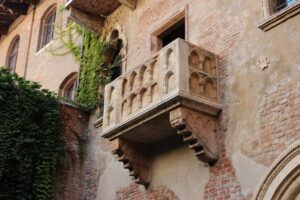
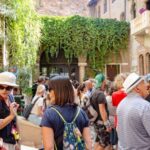
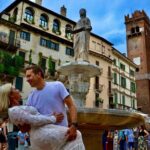
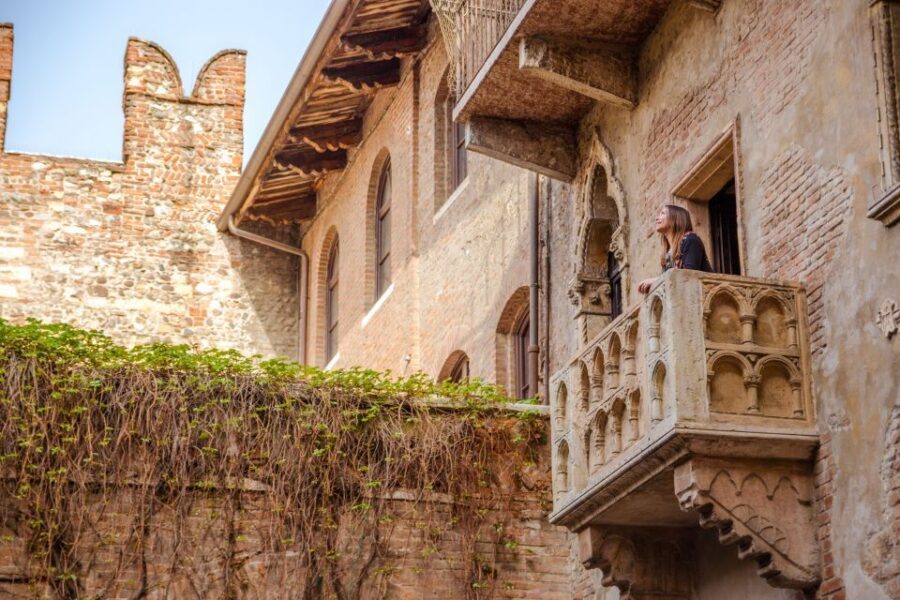
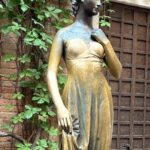
Then comes the signature moment most people come for: Juliet’s Balcony at Casa di Giulietta. You’re not just walking past a famous sight—you get to do something at the wall. The tour includes the chance to pin a love letter to the wall.
A good way to approach this stop: treat it like a living tradition rather than just a set piece. The balcony and the house are famous, yes—but what makes the experience worthwhile is the emotional charge. It’s playful, it’s interactive, and it creates a personal memory you won’t get by standing near a plaque alone.
Piazza Bra to the Final Arena Views: Where You’ll Want Your Best Photos
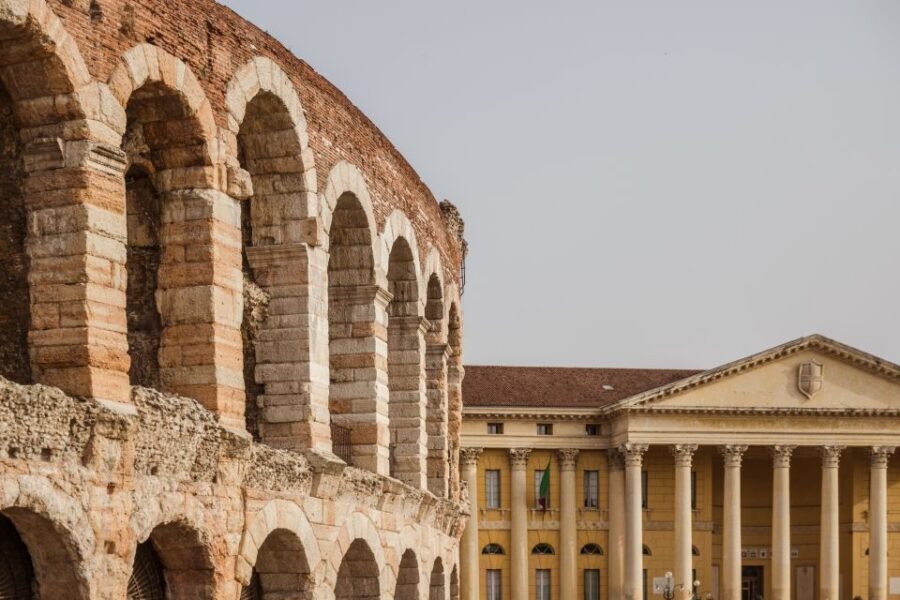
Later in the route, you’ll reach Piazza Bra. This square works like the runway into the Arena area. You’ll get time for sightseeing and scenic views on the way—enough to look around, check lines of sight, and then settle in near the Arena.
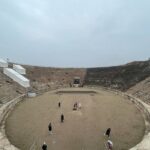
The tour then gives a longer stretch focused on the Arena: about 45 minutes for photo and sightseeing time around Verona Arena. That’s a big deal in a two-hour walking tour. It means you’re not rushed at the main event. You can take a second look, reframe your photos, and enjoy the monument as more than a quick stop.
If you’re an architecture-leaning traveler, this is where the Roman story starts to feel physical. If you’re more of an opera fan, this is where the practical tie to the summer festival clicks into place.
The Human Part: Why the Guide Can Make or Break the Value
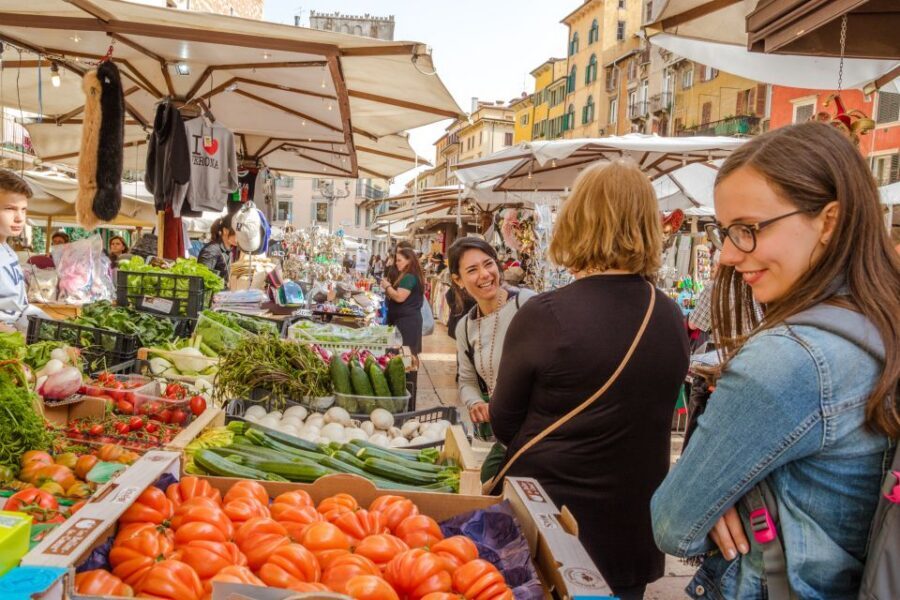
At $41 for about two hours, the math is simple: you’re paying for access to the route and for the guide’s ability to turn stone and squares into something you can actually understand. This tour’s best asset is that its guides often bring both structure and personality.
Names that repeatedly show up in the most enthusiastic feedback include Maria, Giuliana, Franc/Franco (spelled in different ways across bookings), and Francesco/Frank. The common thread is clear: guides are described as engaging and entertaining, with plenty of detail you’d miss if you just walked from spot to spot. Some guides also switch between English and Italian, and several people specifically call out that explanations are paced well.
There’s also a practical side. Several guides offer recommendations after the walk—things like where to eat that still feel local, plus tips about what to look for as you keep exploring on your own. That kind of real-world advice is hard to find in a brochure, and it turns a guided sightseeing tour into a smarter itinerary.
Price and Value: Is $41 Worth Two Hours?
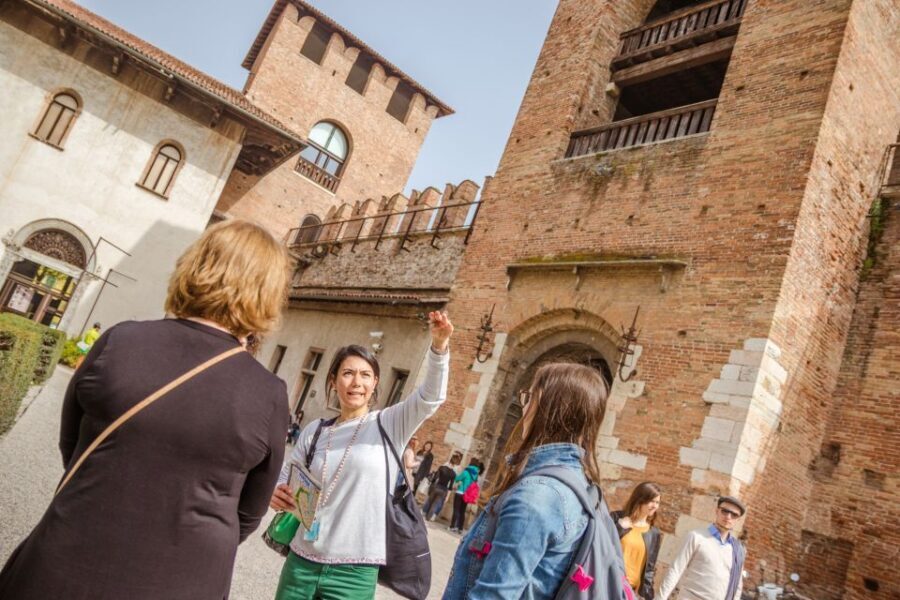
For Verona, $41 for a two-hour small-group guided walk is fairly strong value if you care about orientation and context. You’re not paying for museum entry or anything that requires timed tickets. Instead, you’re buying the guidance that helps you see more with less confusion.
Here’s how I judge value here:
- You get an efficient route through the UNESCO center without having to map it yourself.
- You get guided explanation tied to major landmarks: Roman Arena, medieval-era squares, and Juliet’s Balcony.
- The included licensed guide is what turns “I saw these places” into “I understand how these places fit together.”
If you’re the type who loves solo roaming and you already know your Verona basics, you might feel the price is optional. But if you want Verona to make sense quickly—especially if it’s your first visit—this is a cost that can pay off fast.
What You Should Know Before You Go (The Practical Stuff)
This is an outside-focused walking tour. The route is designed to show you the main monuments from the outside, so set expectations accordingly.
A few other important points:
- It runs rain or shine.
- It’s offered in English and Italian with a live licensed guide.
- You won’t get hotel pickup or drop-off, so plan to arrive at the chosen meeting point on time. (Meeting point varies based on the starting option.)
- Pets aren’t allowed, and you can’t bring luggage or large bags.
- Unaccompanied minors aren’t allowed.
- Some areas may be difficult for reduced mobility, since parts of the route might not be easy to access.
Who it suits best:
- First-time Verona visitors who want the key sights plus context
- Opera lovers who want the Arena story tied to the festival
- Families who want a lively, short walk (with adults accompanying underage guests)
Should You Book This Verona Walking Tour?
If you want a quick, guided way to understand Verona’s main landmarks and how they connect—from Roman architecture to medieval civic life to Juliet’s legend—this is an easy yes. The two-hour timing is ideal for packing in the highlights without burning your whole day.
I’d think twice if you’re looking for lots of indoor time or museum-style ticketed experiences, since the tour focuses on exterior views and walking stops. And if mobility access is a major issue for your group, you’ll want to double-check how comfortable your route will be, since some parts may not be easy.
If your goal is: get oriented fast, enjoy the sights, and leave with better understanding—book it.
FAQ
How long is the Verona small-group walking tour?
It lasts 2 hours.
Where does the tour start?
You choose between two starting locations when booking: Teatro Ristori or Arena di Verona. The exact meeting point can vary based on the option booked.
Is hotel pickup included?
No. Hotel pickup and drop-off are not included.
What sights will I see during the walk?
You’ll visit major UNESCO-listed historic center sights and focus on the Roman Arena, Juliet’s Balcony and House, and key piazzas such as Piazza delle Erbe and Piazza dei Signori.
Is the Verona Arena visit inside or outside?
The tour allows you to discover the main monuments from the outside.
Does the tour run in rain?
Yes. It runs rain or shine.
Can I bring pets, luggage, or large bags?
No. Pets aren’t allowed, and luggage or large bags are not allowed.
Are unaccompanied minors allowed?
No. Unaccompanied minors are not allowed.
What languages is the tour offered in?
The live guide is available in English and Italian.