REVIEW · VERONA
Verona: Hop-on Hop-off Tour 24 or 48-Hour Ticket
Book on GetYourGuide →Operated by Sightseeing Experience · Bookable on GetYourGuide
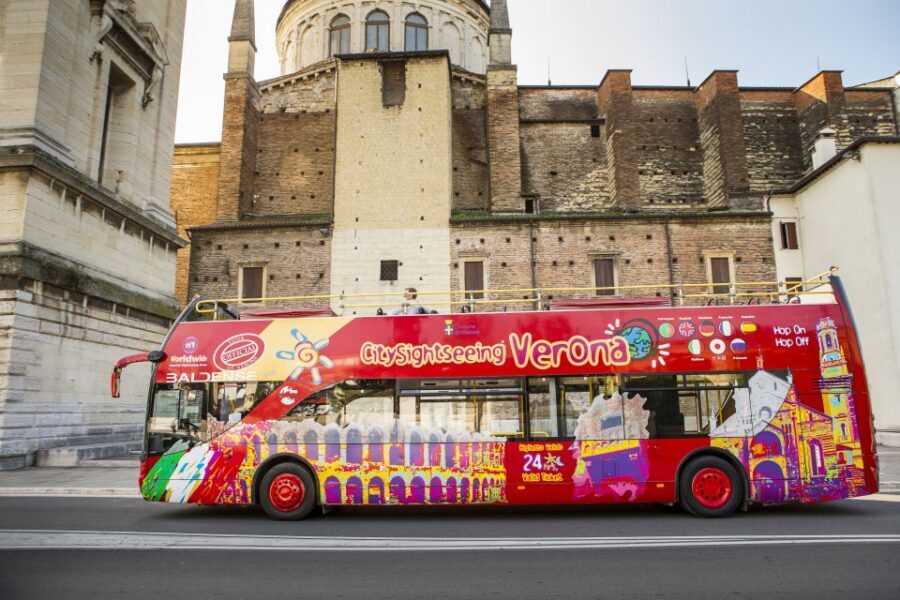
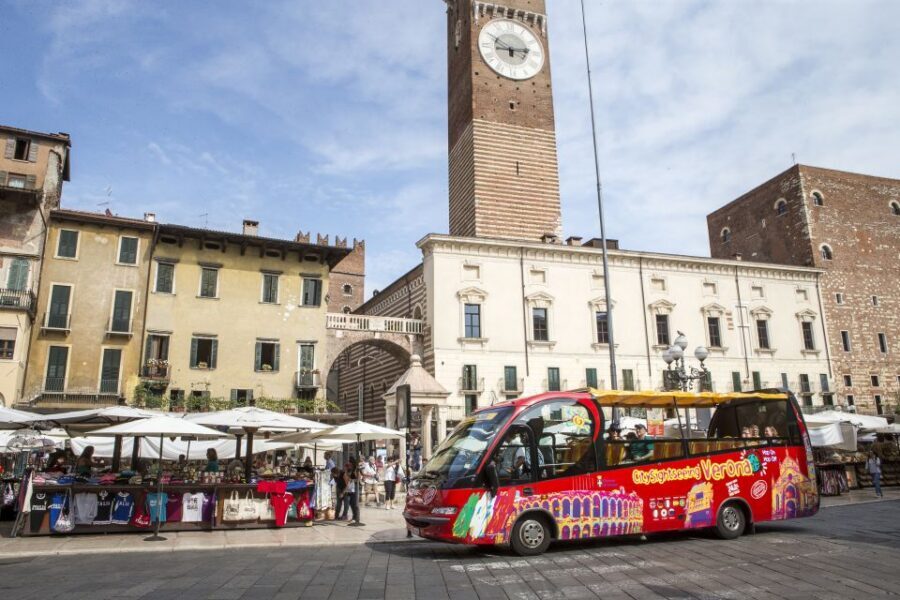
First, Verona rewards you fast when you start rolling. This hop-on hop-off bus lets you glide past the big-name sights with multilingual recorded audio in your headphones, while the open-top views make the whole city feel close-up. You can hop off, poke around, then hop back on whenever you’re ready.
I especially like that the tour is built around two practical loops from Piazza Bra, the Arena Square—so you’re not stuck with a single, boring checklist. And the blue route uses a smaller bus, which is handy when you want to feel tucked into the tighter streets and get a better sense of how neighborhoods connect.
One thing to keep in mind: the buses run about every hour, so short hops for quick photos can feel a bit tight if you’re trying to make everything “grab-and-go.” Audio quality can also vary a little by route, so plan your time around what you actually care to hear and see.
In This Review
- Key tour takeaways before you ride
- Piazza Bra start point: the easiest way to get your bearings
- Red route vs Blue route: pick based on where you want to feel Verona
- Red route: a clean overview of the main sights
- Blue route: smaller streets and stronger photo breaks
- Roman Verona on the schedule: Teatro Romano and the Arena area
- San Zeno and medieval Verona: the stops that make the city feel real
- Via Diaz and Porta areas: practical breaks for walking and photos
- Juliet stops without getting trapped in one “romance mode”
- How long to ride: 24 hours vs 48 hours
- 24-hour ticket: perfect for a tight schedule
- 48-hour ticket: the freedom upgrade
- What the audio commentary feels like in real life
- Crowds, timing, and where you might lose time
- Ticket price and value: is $29 actually fair?
- Should you book this Verona hop-on hop-off bus?
- FAQ
- Where do both bus routes start?
- How long is the ticket valid?
- How often do the buses run?
- Are attraction tickets included?
- What languages is the audio available in?
- What’s the meeting point?
- Is service affected on any date?
Key tour takeaways before you ride
- Two routes, one smart base: Both lines start at Piazza Bra, making it easy to manage your day.
- Red for the core hits: You’ll cover major central sights like Via Diaz shopping areas and Roman highlights.
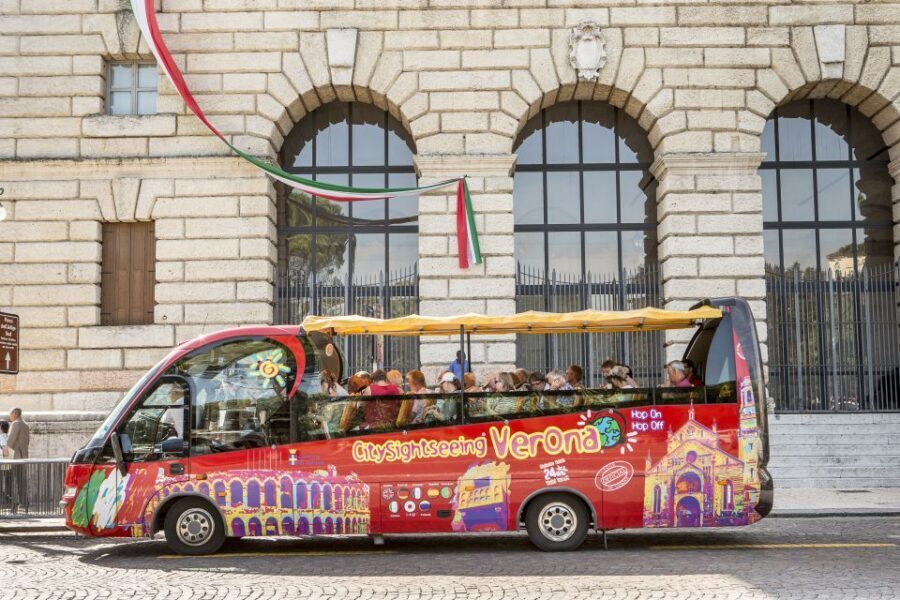
- Blue for small-street energy: The smaller bus route can feel more personal and photo-friendly.
- Roman Verona is front and center: Teatro Romano is on both routes, so you can time it for your best light.
- Juliet-adjacent stops are staged well: From Juliet-themed stops to Piazza Leoni, you can tailor how much you lean into the romance.
- 48 hours buys flexibility: Two days is where “hop-on” turns into real freedom, not rushed logistics.
Piazza Bra start point: the easiest way to get your bearings
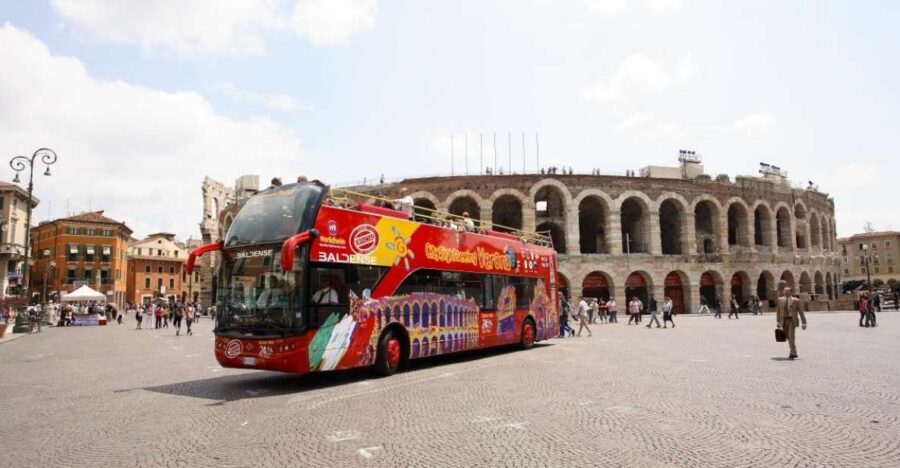
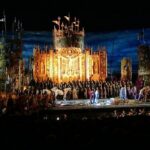
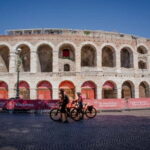
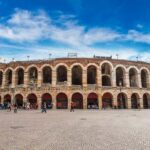
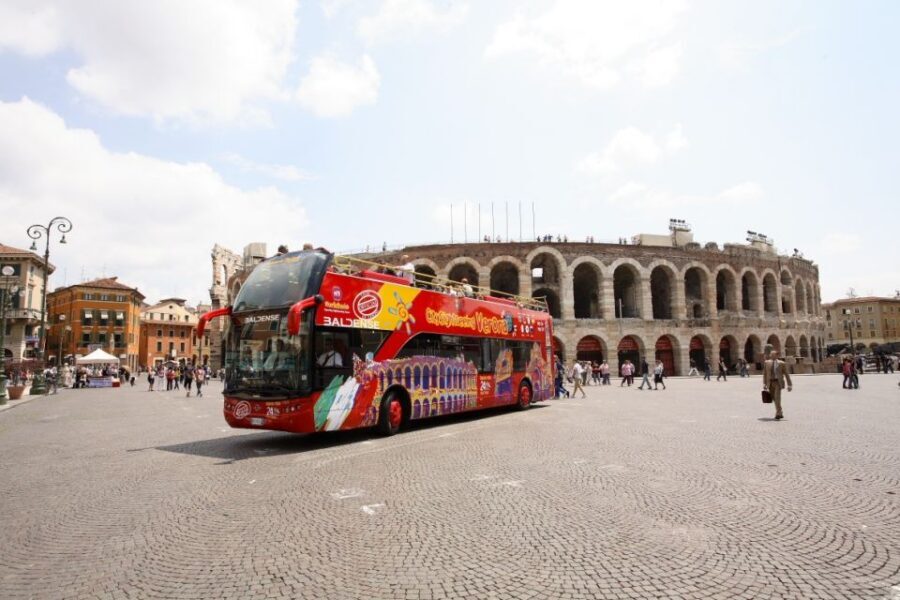
Piazza Bra is one of the best places to begin in Verona because it’s naturally linked to the big draw: the Arena area. Even if you’re not going to a show, starting here puts you near the city’s main gravity. From this hub, the two routes fan out so you can see how different parts of Verona relate to each other.
If you’re the type who likes to orient first and decide later, this format works. You’re not forced into a strict walking circuit, and you’re not paying for attraction tickets you might not use. Instead, you get a narrated drive that helps you understand what you’re looking at while you’re still fresh—then you can hop off where your curiosity sparks.
Practical tip: since buses run on an hourly rhythm, I’d aim to begin earlier rather than later, especially in hot weather or busy periods. One rider noted that the first departure can be around 10am (not earlier), so give yourself buffer time at the start of the day.
You can also read our reviews of more tours and experiences in Verona
Red route vs Blue route: pick based on where you want to feel Verona
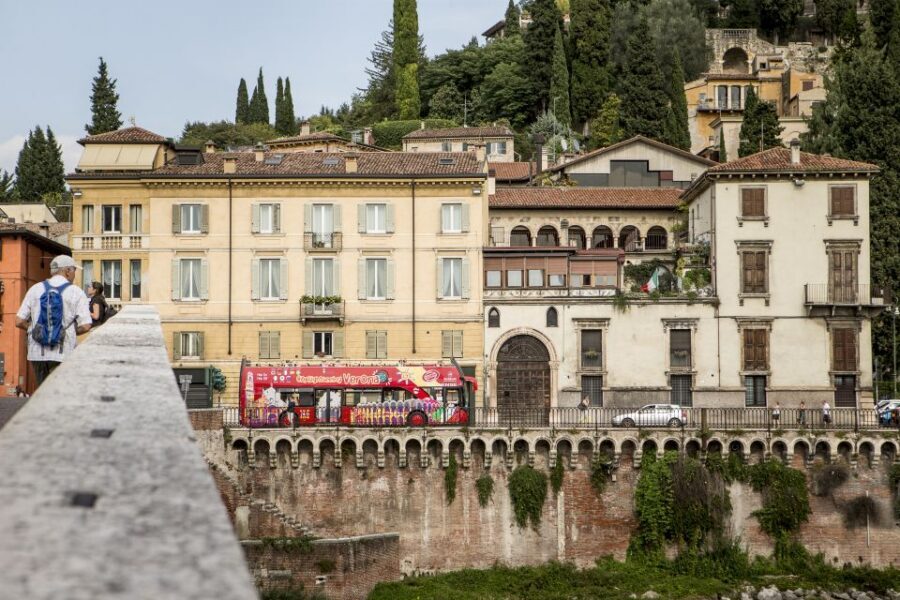
You’ve essentially got two different “ways of seeing” Verona.
Red route: a clean overview of the main sights
The red line is built for big-picture touring. It starts at Piazza Bra and then moves through a series of central and classic stops, including:
- Corso Porta Nuova Giardini Pradaval
- Stazione FS Porta Nuova
- Piazza Pozza
- Basilica S. Zeno and the San Zeno area
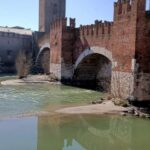
- Castelvecchio
- Via Diaz (shopping stop)
- Porta Borsari
- Teatro Romano
- Porta Leoni
- Piazza Leoni (Juliet’s House)
Why this works: it connects the city’s headline moments in a sensible flow. If you want a “see the essentials” day—without trying to stitch together buses and walks—this route is the straightforward choice.
Blue route: smaller streets and stronger photo breaks
The blue line also starts at Piazza Bra, then goes to a different set of stops, including:
- Via Pallone (Tomba Giulietta)
- Via G. Giusti
- S. Stefano (Teatro Romano)
- Castel S Pietro
- Duomo
- Piazza Erbe (Casa Giulietta)
- Porta Leoni
- Piazza Leoni (Juliet’s House)
Here’s the value of the blue route: it often feels less like a giant tour bus loop and more like you’re working your way through parts of the city. One reviewer specifically recommended the blue line because it gets into smaller streets, and another highlighted the scenic payoff from the hill area (linked to Castel S Pietro). If you like photos and viewpoints, blue is where I’d prioritize time.
Roman Verona on the schedule: Teatro Romano and the Arena area
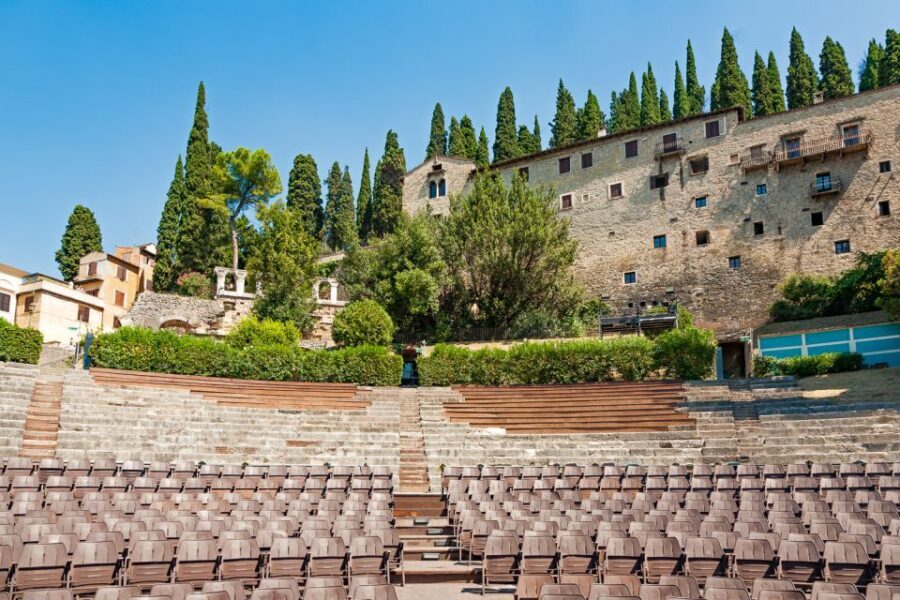
Even if you’re not a hardcore ruins person, Verona’s Roman layers matter because they’re still visible in how the city is laid out. The buses are good at this: they put you near the places where the Roman past isn’t hidden behind museums and walls.
You’ll see Teatro Romano on both lines (listed directly on the red route, and via S. Stefano on the blue route). That means you can choose which route timing feels best for you. If one loop has you there midday and the other gets you there later, you can line up your visit for better light and fewer pacing issues.
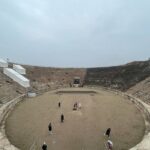
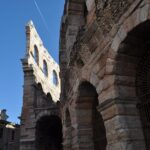
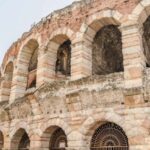
And since both routes originate at Piazza Bra, you’re also positioned for a quick look around the Arena Square area before you go farther afield. This is useful if you’ve got limited time and want at least one “wow” moment early.

San Zeno and medieval Verona: the stops that make the city feel real
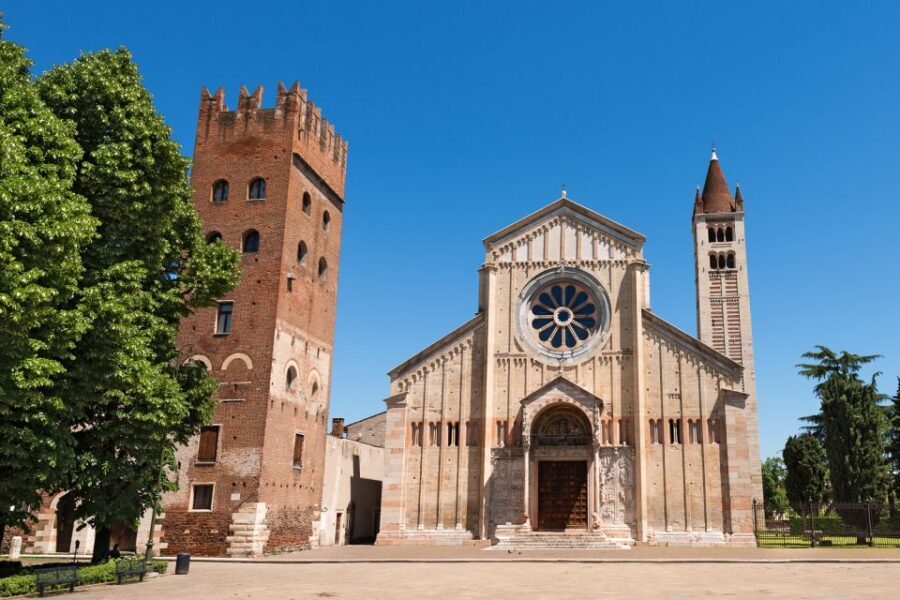
Verona isn’t just romance signage and souvenir streets—it also has a strong medieval backbone. The red route directly includes the Basilica S. Zeno stop, tied to the quarter of San Zeno and its famous cathedral. That matters because it’s one of the clearest “different Verona eras” transitions you’ll make during the day.
What I like about how the bus handles this: it doesn’t send you there blindly. You get a narrated run with recorded audio while you’re moving, so by the time you’re near Basilica S. Zeno and the surrounding areas, you’re not just staring at stones. You’re getting context about why this part of the city is a major deal.
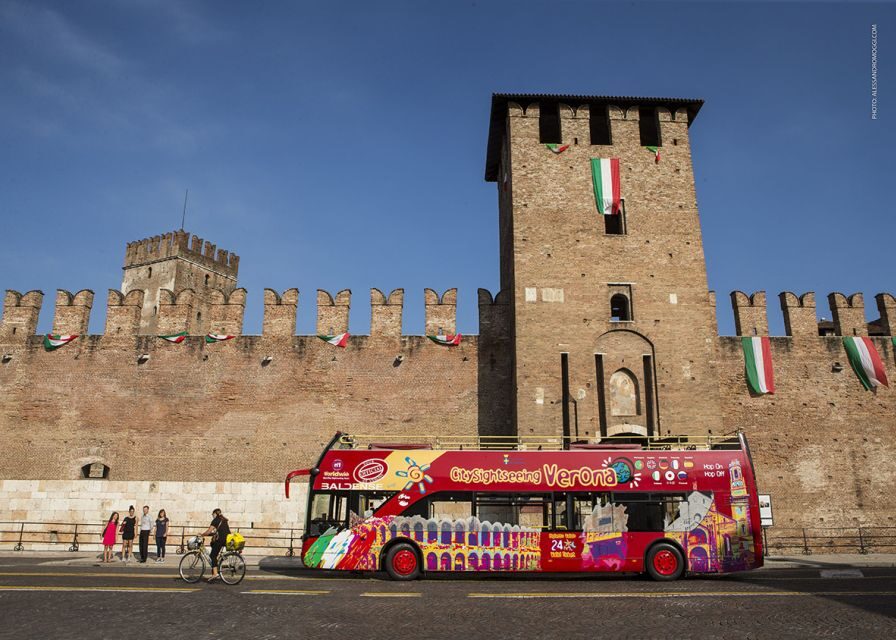
Nearby on the red route is Castelvecchio. Even if you only do a quick walk-around, this cluster of stops gives you a medieval-feeling pocket without you needing to plan a deep itinerary.
Via Diaz and Porta areas: practical breaks for walking and photos
City buses are good for two things: views and repositioning. They’re also good for giving you permission to stop and do something small and real—like shopping, stretching your legs, or grabbing a photo from the right angle.
Via Diaz is one of those practical stops. It’s explicitly described as an upscale shopping street, which means it’s a natural place to hop off if you want a change of pace from historic sights. If you’re traveling with someone who likes browsing (or you just want a predictable “wander zone” with storefront energy), this is a smart mid-route checkpoint.
You’ll also find stops around the Porta names (Porta Borsari and Porta Leoni). Since these are included as part of the main sightseeing sweep, they’re useful if you want the sense of how Verona opens up and where you can re-attach yourself to the loop quickly.
Juliet stops without getting trapped in one “romance mode”
Let’s be honest: Verona sells the Romeo and Juliet story hard. The good news is the bus doesn’t lock you into it—you can choose how much you play along.
Both routes include Juliet-related stops:
- Red route: Piazza Leoni (Juliet’s House)
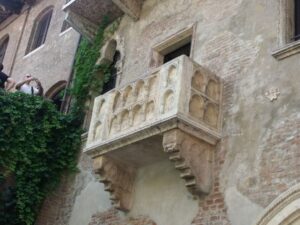
- Blue route: Via Pallone (Tomba Giulietta) and Piazza Erbe (Casa Giulietta), plus Piazza Leoni (Juliet’s House)
This matters because different people want different levels of devotion. If you’re casual about the story, you can use the bus stop as a quick orientation moment and spend a short time at Piazza Leoni. If you’re more into it, you can spread Juliet stops across the two days and connect them with Roman and medieval sights so the day feels varied rather than repetitive.
One small planning note: a couple of passengers noted that the commentary can repeat the same points on different segments. So instead of listening like it’s a single unbroken lecture, treat the audio as flexible background that helps you decide where to hop.
How long to ride: 24 hours vs 48 hours
This is where the value math becomes clear.
24-hour ticket: perfect for a tight schedule
If you’ve only got a short Verona visit, the 24-hour ticket can be enough to get a strong overview. One rider used it for just 5 hours and said it worked well because the bus let them learn the city layout while still doing real sightseeing.
24 hours is also good if:
- You want one main loop plus a targeted hop-off visit
- You don’t want to feel forced to “complete everything”
- You’d rather repeat the stops you liked than add new ones
48-hour ticket: the freedom upgrade
The 48-hour option is where the hop-on hop-off idea really pays off. With two routes available, you can do both without rushing, and you can repeat stops if you want a second pass with different energy (or better light).
It’s also useful if your hotel area makes walking between key zones annoying. One reviewer pointed out that having the longer pass can help you use the bus as a practical way to move between the station area and the Arena area.
If you’re the kind of person who likes to say yes to “one more place,” I’d choose 48 hours.
What the audio commentary feels like in real life
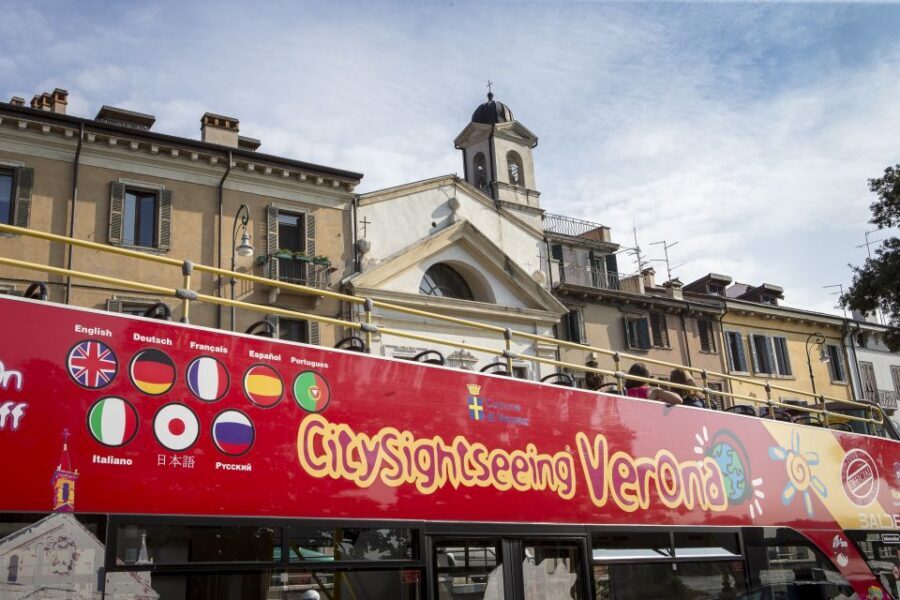
The bus includes recorded audio in a long list of languages: English, Italian, Spanish, French, German, Portuguese, Japanese, Russian, Arabic, Chinese, Danish, Dutch. That’s a big deal if you’re traveling internationally or if one person needs a specific language option.
In general, the commentary style is designed to give you context as you pass major landmarks. Some passengers loved how informative it felt, and several said it helped them understand Verona quickly.
Two practical cautions from the experience itself:
- Audio can vary by route. A couple of riders felt the blue line’s audio wasn’t as good as the red line’s.
- Headphones might not be great. One rider said the complimentary headphones were poor quality, so bring your own if you can. Even simple wired earbuds can save the day.
Crowds, timing, and where you might lose time
This tour is popular because it’s easy. That also means you can hit crowds.
One passenger noted the B-line van can get crowded and not everyone gets on at first—so if you’re traveling during peak hours, I’d aim for earlier departures when possible. Since the buses run every hour, you don’t want to miss one and then wait through the next cycle while your day shrinks.
Then there’s the “short stop problem.” One rider said the hourly frequency can make quick hop-offs for brief photo stops a little impractical. My rule of thumb:
- If you want photos only, plan for a slightly longer stop (so you don’t feel pressured).
- If you want a proper walk, hop off and commit to it—then come back when you’re ready.
Also, keep an eye on route segments that include hill viewpoints. One passenger mentioned the blue line offered a photo break on the hill area and the operator waited a few minutes so people could take pictures without panic. That kind of behavior makes a big difference in how the day feels.
Ticket price and value: is $29 actually fair?
At about $29 per person, this tour can be a strong value—mostly because you’re buying time-saving movement plus interpretation.
Here’s how I think about it:
- You’re paying for transport between clusters of sights, not just a ride.
- You’re paying for narration that helps you choose better what to do after you hop off.
- You’re not paying attraction entry fees (those are separate), which means you’re keeping your costs flexible. If you decide you don’t need a paid ticket, you’re not stuck.
So the best value is when you use the ticket in a “real” way: hop off where you actually want to walk, then return. If you treat it like a one-time drive-by, the value drops.
For solo travelers and couples, it’s often a smooth way to reduce decision fatigue. For families, it can be especially helpful because it cuts down on exhausting walking between far-apart sights.
Should you book this Verona hop-on hop-off bus?
I’d book it if you want a fast, low-stress way to see Verona’s key neighborhoods without planning a mini transit system. It’s also a smart choice if you like your sightseeing with context—recorded audio helps turn a series of landmarks into a story you can follow.
I’d think twice if:
- You hate waiting for departures (it’s hourly).
- Your priority is a tiny number of sites and you’re confident you can reach them efficiently by foot or taxi.
- You’re picky about audio delivery quality and don’t want to bring your own headphones (since some riders felt audio/headsets were inconsistent).
If you’re deciding between 24 and 48 hours, I’d lean 48 if you want to cover both routes and not feel rushed. If you just need an overview and a couple of targeted visits, 24 hours can be enough to make your Verona time feel well-spent.
FAQ
Where do both bus routes start?
Both the red and blue routes start from Piazza Bra (Arena Square).
How long is the ticket valid?
Your ticket is valid for either 24 or 48 hours, depending on the option you choose.
How often do the buses run?
The buses run on each route every hour.
Are attraction tickets included?
No. Attraction tickets are not included.
What languages is the audio available in?
The audio commentary is available in English, Italian, Spanish, French, German, Portuguese, Japanese, Russian, Arabic, Chinese, Danish, and Dutch.
What’s the meeting point?
The meeting point is Piazza Bra, and buses on both lines A and B start there.
Is service affected on any date?
Yes. On Wednesday 15 October, the service is suspended due to a cycling race.