REVIEW · VERONA
Secret Verona Walking Tour
Book on Viator →Operated by Beescover | Best Ecolocal Experience · Bookable on Viator
Verona gets better when you leave the main loop. This 2.5-hour secret walking tour mixes Roman remains with medieval lanes and bridges, then adds local “only-here” stories about obscure symbols and strange artifacts. I especially like the small group size (max 15) and the fact that a local guide can steer you away from the usual sightseeing scripts. One thing to consider: this is very weather-dependent, so plan on good walking conditions.
The walk is built around a local guide from Beescover | Best Ecolocal Experience, and it moves at a pace that feels made for noticing details. You’ll get a mobile ticket, you’ll likely learn how certain locations connect to older tales, and you’ll finish near Ponte Garibaldi with your bearings more solid than when you started. I also like that the core focus is the guide-led experience, not a long list of paid add-ons.
If you’re the type who wants only the big-name stops, you might find the emphasis on lesser-known corners a little different. That’s not a dealbreaker, just a choice.
In This Review
- Key highlights at a glance
- Entering the hidden side of Verona on foot
- Meeting at Piazza Brà and ending by Ponte Garibaldi
- The guide: where the detail level really comes from
- Roman remains and medieval bridges: what you’re really seeing
- Specific stops that help you picture the day
- When Romeo and Juliet is only half the story
- Price and value: $80.29 buys meaning, not just motion
- Weather, pacing, and who this tour fits best
- Practical travel tips to get more from the secret route
- Should you book Secret Verona Walking Tour?
- FAQ
- Where does the Secret Verona Walking Tour start?
- Where does it end?
- What time does the tour begin?
- How long is the walking tour?
- How much does it cost per person?
- How many people are in the group?
- What’s included in the price?
- Is there an admission ticket to purchase?
- What if the weather is bad or you need to cancel?
Key highlights at a glance
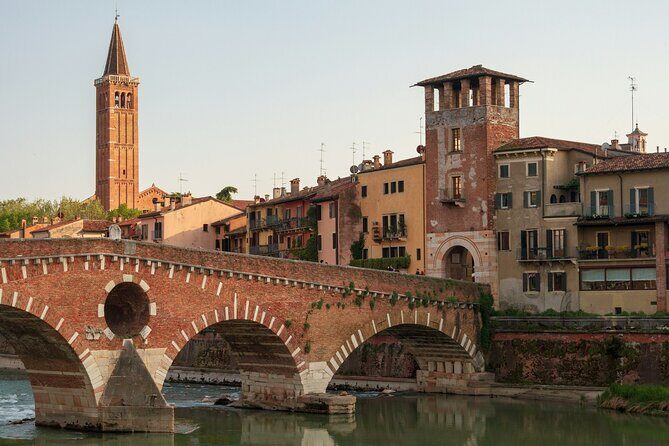
- Max 15 people: easier questions, better listening, less crowd pressure.
- Roman + medieval route: you see the layers of Verona up close on foot.
- Hidden symbols and artifacts: the guide turns “random details” into meaning.
- Guided by a Beescover local: the route is positioned as off-the-beaten-path.
- Finish near Ponte Garibaldi: a natural end point for further wandering.
Entering the hidden side of Verona on foot
I get why people start Verona with Romeo and Juliet. The trouble is that once you’ve seen the headline spots, the city can feel a bit like a photo album. This tour is designed to fix that. You spend your time where Verona’s past still shows—around Roman remains, medieval streets, and bridges that make you slow down without anyone having to tell you.
Walking helps in a very practical way. Verona’s charm is physical: corners turn suddenly, elevations change, and the best views often show up as you’re rounding a bend. On a guided walk like this, you also don’t have to guess what you’re looking at. The guide steers your eyes toward the parts that would be easy to miss on your own—symbols, odd details on walls, and references to older tales that connect places in a way maps don’t.
And yes, the city’s UNESCO World Heritage status is real context here. Verona isn’t just pretty. It’s a layered place where different eras overlap in a way that makes the city feel alive rather than museum-still.
You can also read our reviews of more walking tours in Verona
Meeting at Piazza Brà and ending by Ponte Garibaldi
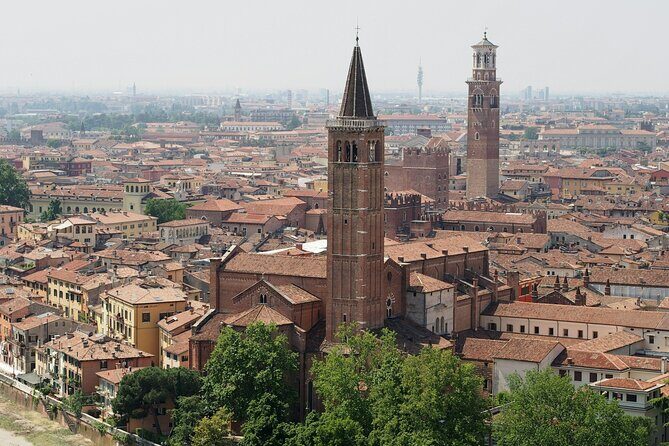
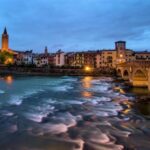
This tour starts at Statua di Vittorio Emanuele II, Piazza Brà (P.za Brà, 37121 Verona VR). The end point is Ponte Garibaldi in Verona. It’s a classic setup: begin in a central, easy-to-find spot, then finish at a bridge that’s simple to use as a “wrap-up” location for the rest of your day.
The start time is 3:00 pm, which is a smart window. Late afternoon light tends to flatter stone and street details, and the crowds often feel more manageable than in peak morning hours. Also, the fact that the meeting area is near public transportation matters. Verona is compact, but trains and buses still save you time when you’re switching neighborhoods.
One small practical note: since the tour ends at a different location than it starts, plan a next step before you get too relaxed. Ponte Garibaldi is a convenient launching pad for your post-walk stroll, but you’ll want to decide ahead of time where you’ll go next—dinner nearby, a short ride, or a final wander toward the center.
The guide: where the detail level really comes from
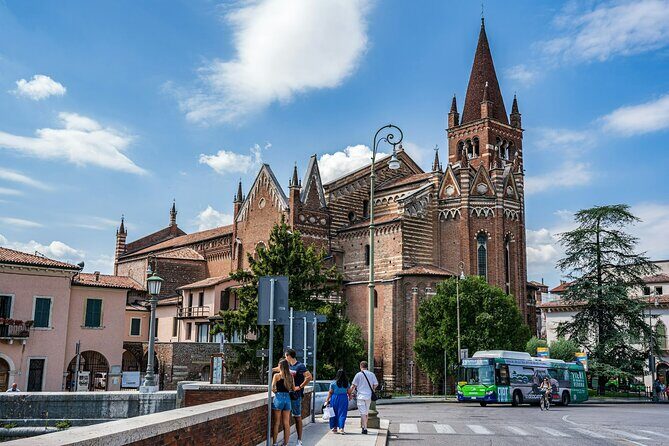
The biggest value of a tour like this is the person holding the thread. This one is led by a local guide connected to Beescover | Best Ecolocal Experience, and that matters because the tour focuses on interpretation, not just movement.
From the information shared, you can expect the guide to point out:
- obscure symbols and strange artifacts you might otherwise ignore
- scenes tied to grim figures and ancient tales
- how medieval street patterns and bridges relate to the city’s older storylines
In other words, the guide helps you read Verona like a text. Without that, you’d probably enjoy the city—but you’d miss the “why is that there?” part.
One guide name specifically mentioned is Julia, and she’s described as competent. That’s a useful detail because it signals the kind of guiding you’re likely to get: someone who knows the material and can explain it without turning it into a lecture you’re forced to endure.
Also, small group size (up to 15) isn’t just a comfort perk. It affects the quality of the interaction. You can ask a question, get a straightforward answer, and still keep the group moving.
Roman remains and medieval bridges: what you’re really seeing
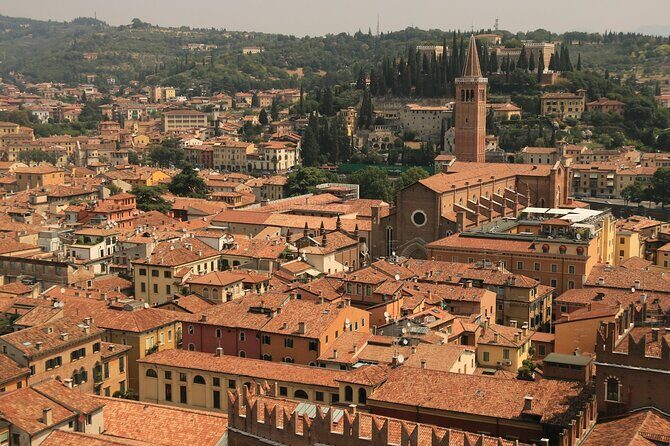
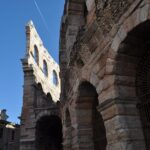
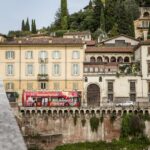
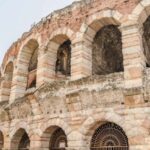
The route is designed around impressive Roman remains, then it shifts into medieval streets and bridges. That mix is exactly what makes Verona feel different from other Italian cities: you’re not jumping between eras. They’re right next to each other, and you can feel the transition as you walk.
Here’s what I’d pay attention to during the Roman-to-medieval shift:
- how street lines and crossings change
- how the stonework and surfaces reflect different construction eras
- how bridges create sudden viewpoints and make you reframe the space
Roman remains in Verona can feel like they belong to the city’s bones rather than a separate attraction. When you’re guided to the right spots, those remains stop being background scenery and start becoming part of the narrative the guide is building.
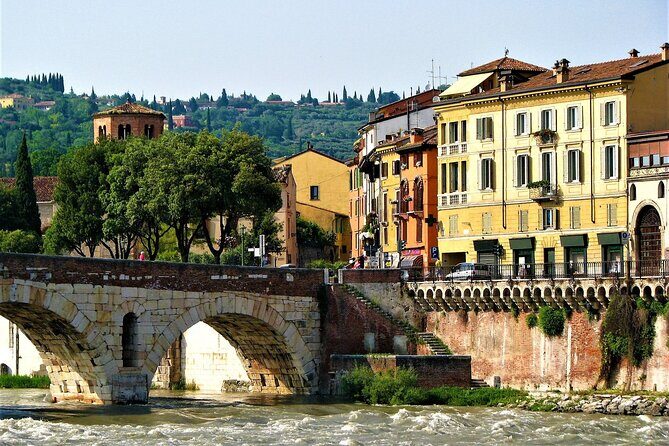
Then the medieval bridges do their job. Bridges slow you down. You look longer. You notice symmetry, alignments, and the way streets funnel toward older landmarks. This is especially true in an afternoon walk when you have time to let the route unfold instead of rushing from stop to stop.
A fair consideration: you’ll be walking through urban streets and over bridges, so wear shoes you trust. This is a walking tour, not a sit-and-smile transfer.
Specific stops that help you picture the day
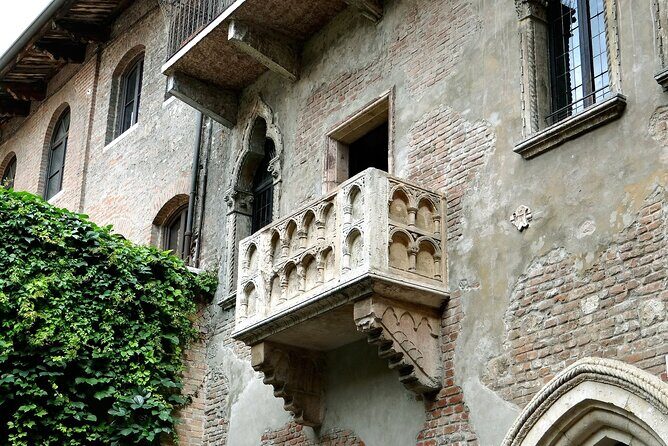
The overall itinerary is built around “hidden places,” and one clue comes from the types of places people mention. Two specific examples that show up in the provided details are Borgo Malanotte and the church of San Giorgio.
Borgo Malanotte is the kind of area where side streets feel like they’re holding onto older Verona traditions. During a secret-style walk, you’ll likely be encouraged to look beyond the obvious streetscape and focus on details—markers, symbols, and the human scale of the neighborhood.
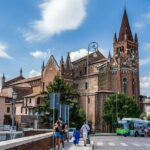
The church of San Giorgio is another strong choice because religious buildings often contain layered meaning in their architecture and setting. On a guided walk, the payoff is rarely just seeing the structure—it’s understanding what stories connect to the place and why certain details would matter to someone from centuries ago.
Even without those specific names, the tour’s promise is consistent: you’ll see obscure symbols, strange artifacts, and locations tied to ancient tales. That’s the core theme, and it’s what turns the afternoon from a simple stroll into a guided “reading” of Verona.
When Romeo and Juliet is only half the story
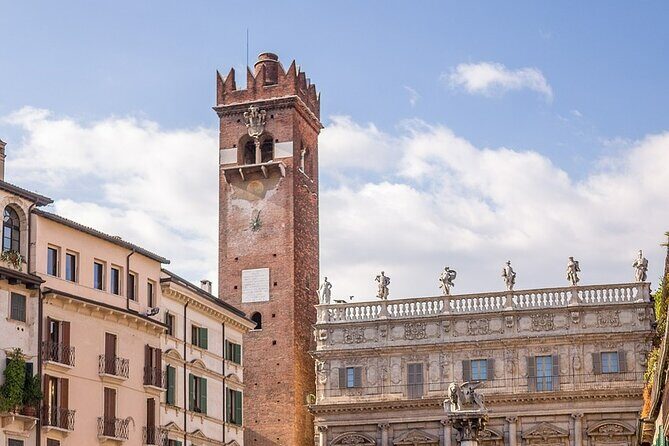
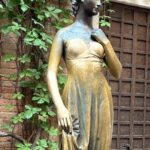
Let’s be honest: Verona’s biggest brand story is Romeo and Juliet. This tour doesn’t ignore that Verona is famous for love. It just refuses to let romance be the only lens.
You’re spending your time in Roman remains and medieval spaces, and you’re learning about symbols and grim figures that don’t fit the cute postcard vibe. That changes how you remember the city.
I like this approach because it gives you variety. If you’ve already done a Romeo-and-Juliet-only day, a tour like this acts as your “second Verona” layer. If you haven’t done the classic stops yet, this walk can still work, because you’ll come away with context for why certain areas feel the way they do.
Also, a small group format tends to make the experience feel more like conversation than sightseeing checklist. That helps when the tour is focused on interpretation rather than only landmark photography.
Price and value: $80.29 buys meaning, not just motion
The tour costs $80.29 per person, runs about 2 hours 30 minutes, and includes a tourist guide. Admission tickets are listed as free, so you’re mostly paying for guided time and local interpretation rather than paying for a series of entrance fees.
That’s important for value. In many city tours, the price is “I’ll walk you past things and charge you for access.” Here, the price seems oriented toward the expertise and the ability to show you lesser-known places, including details you’d likely miss without help.
Where the value really shows is in how the tour is framed:
- a small group
- local guide knowledge
- focus on symbols, artifacts, and stories
- a route designed to reach unusual parts of Verona
You’re not just buying a stroll; you’re buying someone who knows where to point your attention and how to connect the dots. If you enjoy history-as-story instead of history-as-dates, this style tends to feel worth it.
One consideration: tips aren’t included, so you’ll want a little cash or a plan for guide gratuity.
Weather, pacing, and who this tour fits best
This experience requires good weather. That’s not a minor footnote—walking tours live or die by conditions. If rain or poor weather hits, you could be offered a different date or a full refund.
Pacing-wise, 2.5 hours is a sweet spot. It’s long enough to get beyond the center, short enough that you won’t feel like your whole day has disappeared. It’s also long enough for the guide to build a storyline rather than just sprint between stops.
Most travelers can participate, and the maximum group size is 15, which makes it more relaxed than big bus-style walking. Still, it’s not described as an assisted tour, so if you have mobility limits, you should think carefully about cobblestones, stairs, and bridge walking.
This tour is a strong match if you:
- like guided stories that explain what you’re looking at
- want quieter, more offbeat Verona corners
- enjoy small groups and asking questions
- already know some Verona classics and want the next layer
It’s less ideal if you want only the most famous sights with minimal explanation, or if you have zero patience for walking in older streets.
Practical travel tips to get more from the secret route
You’ll have the best experience if you treat this like a guided story walk, not a selfie march.
A few practical moves:
- Wear comfortable, grippy shoes for bridges and older street surfaces.
- Bring a light layer, especially because 3:00 pm can shift temperature quickly.
- Come ready to look closely. The tour’s value is in symbols and details, not just big views.
- If you care about photo stops, tell the guide briefly. In small groups, quick coordination keeps things smooth.
Also, since it’s described as near public transportation, it’s easy to build around it. I’d plan one clean block of time for this walk, then keep dinner flexible near Ponte Garibaldi.
Should you book Secret Verona Walking Tour?
If you want Verona in two layers—the postcard version and the “what am I looking at?” version—this is a solid booking.
Book it if you like:
- a small-group guide-led experience
- Roman and medieval streets where details matter
- stories about symbols, artifacts, and ancient tales
- paying for local interpretation rather than just access
Skip it if:
- your priority is only the most famous attractions with minimal walking
- weather is unreliable on your dates and you hate rescheduling
My practical verdict: at $80.29, you’re paying for a local brain and a route that’s meant to feel different from the standard walking loop. For the price, that’s usually the kind of expense that turns into better memories—because you leave Verona understanding it, not just seeing it.
FAQ
Where does the Secret Verona Walking Tour start?
The tour starts at Statua di Vittorio Emanuele II, Piazza Brà (P.za Brà, 37121 Verona VR, Italy).
Where does it end?
The tour ends at Ponte Garibaldi in Verona.
What time does the tour begin?
The start time is 3:00 pm.
How long is the walking tour?
The duration is about 2 hours 30 minutes.
How much does it cost per person?
The price is $80.29 per person.
How many people are in the group?
This experience has a maximum of 15 travelers.
What’s included in the price?
It includes a tourist guide.
Is there an admission ticket to purchase?
Admission is listed as free.
What if the weather is bad or you need to cancel?
The tour requires good weather. If it’s canceled due to poor weather, you’ll be offered a different date or a full refund. Cancellation is free up to 24 hours in advance for a full refund.