REVIEW · VERONA
Guided Food Tour with Wine Tasting in Verona
Book on GetYourGuide →Operated by Slow Travel · Bookable on GetYourGuide
Verona tastes better when you walk it. This 2-hour guided food tour strings together 9 local tastings with Roman and medieval sights in the city center, so your meal and your sightseeing feed each other. Expect a local, English-speaking guide born and raised in Verona, plus plenty of stories tied to what you’re eating.
I really like the format: you get a serious range of flavors without committing to a full sit-down lunch. I also love that the stops are built around clear Verona identities, like Monte Veronese cheese, regional ham including soppressa, and the city’s signature sweets such as Pandoro.
One thing to consider: the walking pace can feel brisk, and the wine pours are small (a couple of glasses). If you want a lot of drinking or a slow, laid-back stroll, you might want to plan your expectations.
In This Review
- Key highlights at a glance
- Verona in Two Hours: How Food Turns Sights Into a Plan
- Your 9 Stops of Verona Bites: From Olive Oil to Pandoro
- Cheese, Ham, and Chocolate: What You’re Really Learning
- Wine Near the Arena: Valpolicella Reds (and a Lake Garda Rosé Option)
- Roman and Medieval Stops Without Museum Tickets
- How the 2-Hour Walk Feels: Pace, Groups, and Comfort
- Price and Value at $80: What You Get for the Money
- Who Should Book (and Who Should Skip) This Verona Tour
- Should You Book This Verona Food and Wine Tour?
- FAQ
- How long is the guided food tour in Verona?
- How many tastings and glasses of wine are included?
- Where do I meet the guide?
- What wine will I taste?
- Is the tour suitable for vegetarians?
- Can the tour accommodate gluten and lactose allergies?
- Is the tour wheelchair accessible?
- Are museum entrances included?
- Is there free cancellation?
Key highlights at a glance
- 9 tastings in just 2 hours, covering savory to sweets
- Wine near the Arena, with two iconic Verona picks (or a Lake Garda rosé option)
- Local, born-and-raised guides who connect food to city landmarks
- No museum time needed, just quick stops that help you navigate Verona
- Pandoro or risini as a satisfying finale (so you actually end with something Verona-famous)
Verona in Two Hours: How Food Turns Sights Into a Plan
This tour works because it’s designed like a guided route you can repeat later on your own. You start near the Arena and end with Verona’s dessert culture, which gives you a neat mental map of the center.
The timing matters, too. Two hours sounds short until you realize you’re doing multiple tastings at different spots, then walking between Verona’s major highlights. It’s an efficient way to get your bearings fast, especially if it’s your first day in town.
Most guides on this experience (I’ve seen names like Leonardo, Giovanni/Giovanni, and Miriam come up often) focus on practical storytelling: how ingredients are tied to the region, why certain cheeses and cured meats are typical, and what to look for as you pass famous buildings.
And because it’s a small group (up to 10), you’re not fighting for attention at each counter. That makes it easier to ask what to buy, what to taste again later, and where to head next for dinner.
You can also read our reviews of more food & drink experiences in Verona
Your 9 Stops of Verona Bites: From Olive Oil to Pandoro
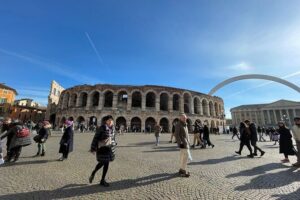
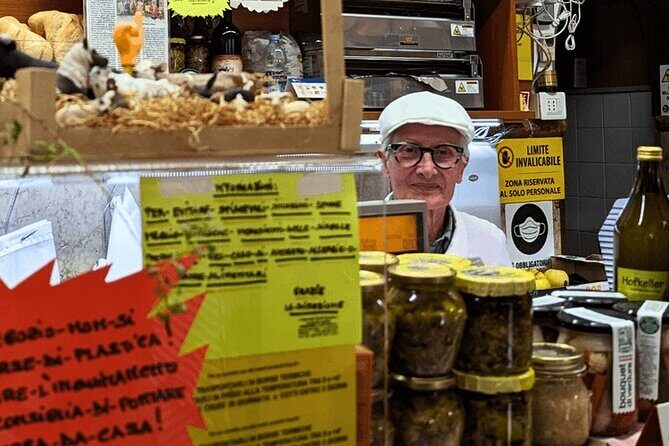
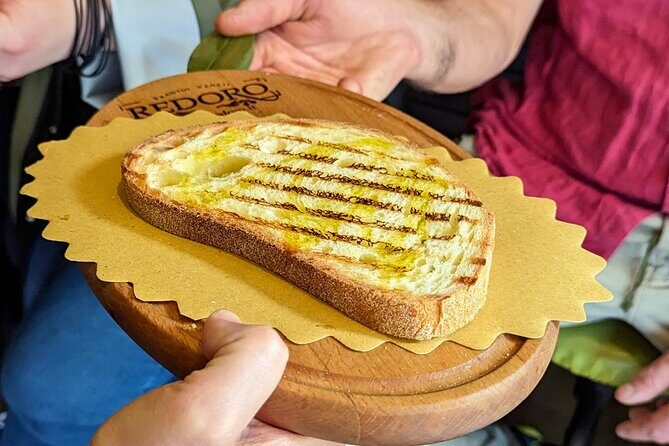
The tour begins at Redoro, a bruschetteria right by the Arena, where you’re set up with a first taste that’s very Verona. You’ll try extra-virgin olive oil, tied to the Lake Garda growing area and served with bruschetta plus raw olives. It’s a smart opener: it teaches you how simple ingredients can taste dramatic when they’re fresh and local.
From there, you keep moving through the historic center with short sight stops and quick bites. One stop is at a chocolatier where you sample older-style chocolates and hear the story behind traditional makers. Another tasting focuses on confectionery at Confetteria Filarmonica, keeping things light before the more substantial flavors show up.
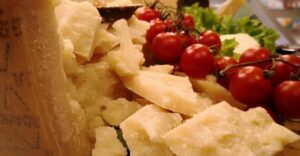
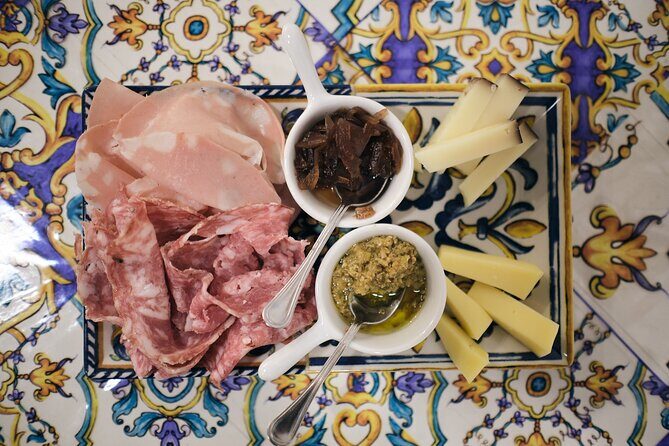
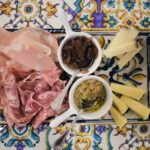
Then you hit the Verona comfort-food section: cheese and cured meats. You’ll taste Monte Veronese, a semi-hard cheese made in the local hills, followed by a selection of regional ham that includes soppressa (a typical salami). This is where the tour becomes more than a snack run; you start understanding what “regional” means in practice.
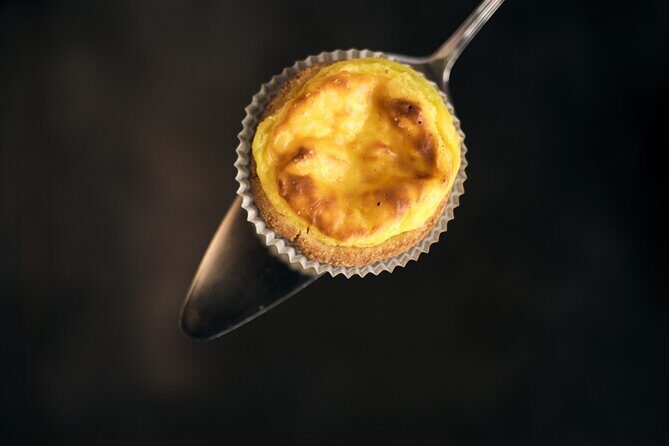
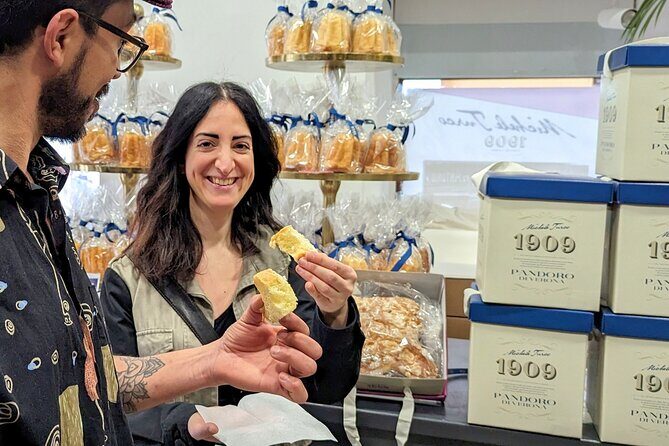
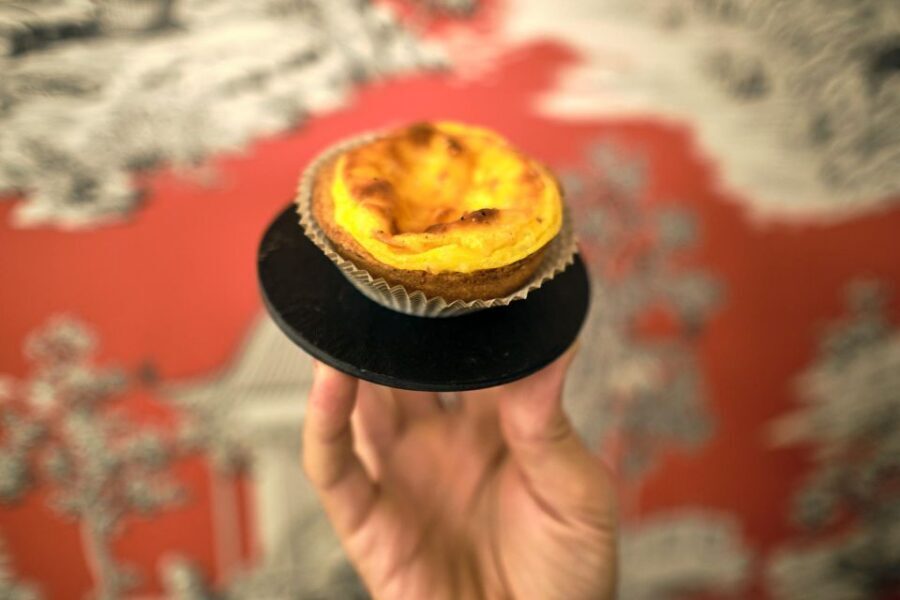
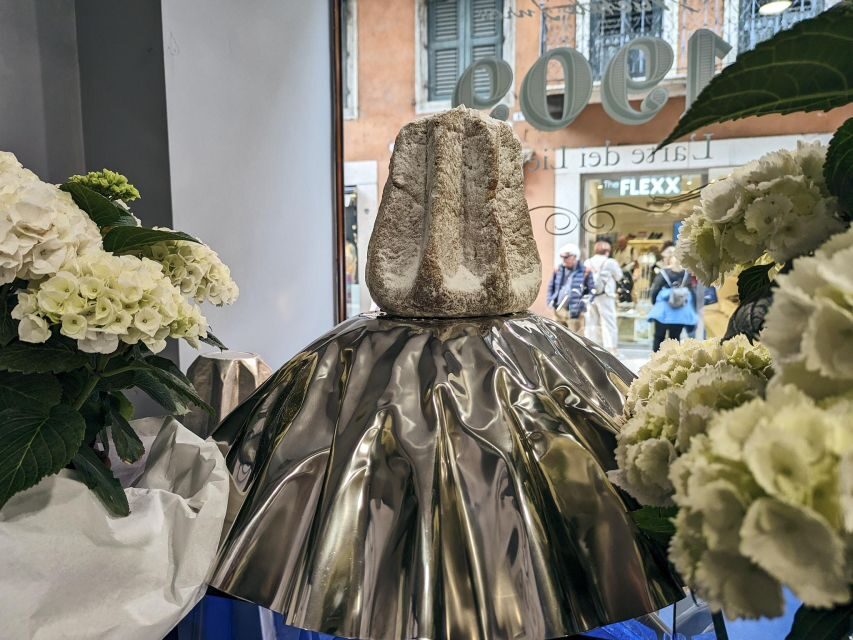
The tour doesn’t end after all that savory eating. Your last stop is at Flego Pasticceria, where you’ll either taste Pandoro (Verona’s famous cake) or risini, a pastry made with rice from fields south of Verona. Either option gives you a sweet end that matches the region, not just a random dessert.
Cheese, Ham, and Chocolate: What You’re Really Learning
I love that this tour teaches you to recognize flavor patterns instead of just collecting bites. The olive oil start sets an Italian baseline—fruitiness, pepper, and that clean oil finish. The chocolate stop then shifts your palate into something older and more classic, not the mass-market candy vibe.
At the cheese stop, Monte Veronese is a clear choice because it’s local and distinctive. It’s not described as mild or generic, which matters because it gives you a real taste of the hills around Verona. If you’re buying cheese later, this kind of tasting helps you know what direction you like.
Then comes the ham and salami section. You’ll try local cured meats, including soppressa, plus another niche charcuterie. This is one of the best ways to understand Italian dining habits: cured meats aren’t just snacks here; they’re part of how people build a meal from simple pieces.
One practical tip I’d follow: don’t treat this as a light sampling stroll. You can end up full by the end, especially if you ate breakfast normally. More than one guide-style experience note points out the tastings can be carb-heavy, so arrive hungry and ready to slow down your next meal decision.
Wine Near the Arena: Valpolicella Reds (and a Lake Garda Rosé Option)
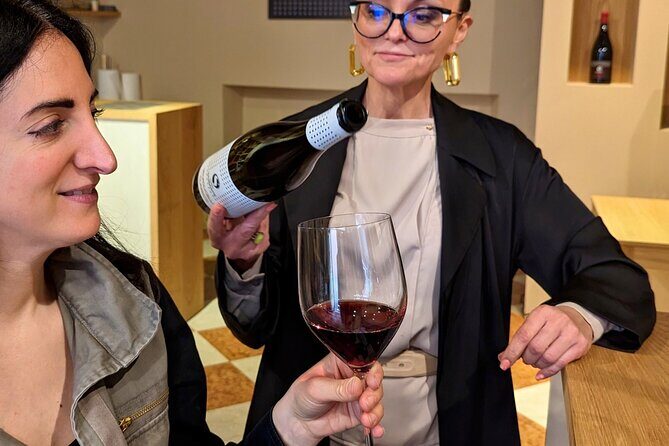
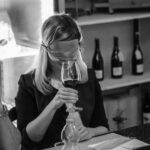
Wine is the second half of the story, and it’s placed in a smart location near the Arena. You’ll do a tasting of two iconic Verona wines, with water provided, plus taralli as a classic Italian wine snack.
The tour messaging specifically calls out Verona wines and Valpolicella as the core theme. If you prefer something lighter, you can choose a rosé from Lake Garda instead. That’s a nice option because it keeps the experience flexible without turning the tour into a random wine list.
Two glasses is not a party amount. If your main goal is heavy drinking, this won’t be your style of tour. But if your goal is tasting wines you’ll actually want to remember, it’s a good middle ground: you get guidance on what to look for and a chance to pair it with the flavors you’ve already been eating.
Also, keep your expectations realistic about timing. Some groups note that the tour may provide water early and then wine later, so you’ll want to pace yourself and carry water if you’re walking in warm weather. Comfortable shoes help too, because wine makes long walking feel more intense if you’re already tired.
Roman and Medieval Stops Without Museum Tickets
One of the easiest wins on this tour is how it ties food to navigation. Even when the sightseeing time is brief, it points you toward key anchors you’ll see again across Verona.
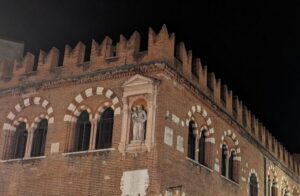
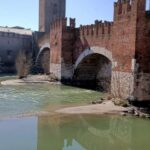
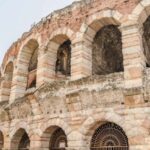
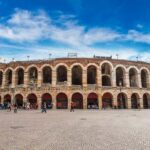
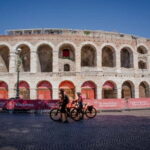
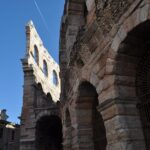
You’ll pass the Arena of Verona area early, then move toward spots like Museo Lapidario Maffeiano for a short viewpoint stop. Next comes Castelvecchio Bridge, followed by Porta Borsari, a Roman-era landmark that instantly makes the city feel layered.
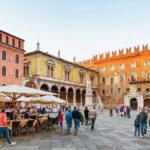
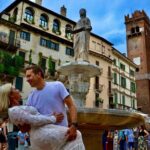
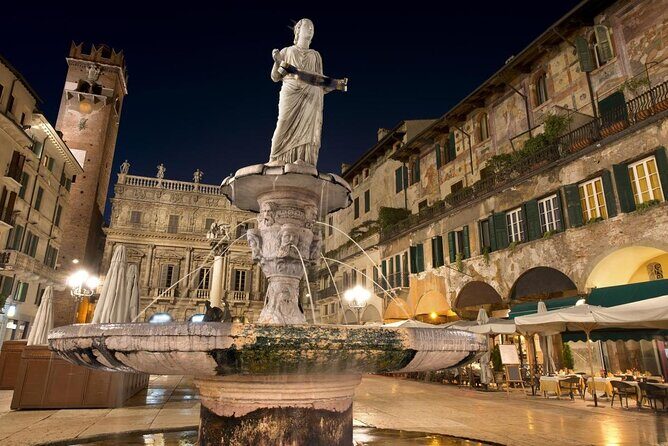
Later you’ll reach Piazza Erbe, one of the best-known squares in Verona. It’s a perfect pause point because it makes the walk feel less like a checklist and more like a city stroll with meaning behind it.
The big value here is that you don’t need museum tickets to get the benefit. Entrance to museums isn’t included, and the stops are mostly about seeing the sights from the outside or in quick moments. If you want to do museums later, you can. If you don’t, you still leave with a mental map of where Verona’s power points are.
You can also read our reviews of more tours and experiences in Verona


How the 2-Hour Walk Feels: Pace, Groups, and Comfort
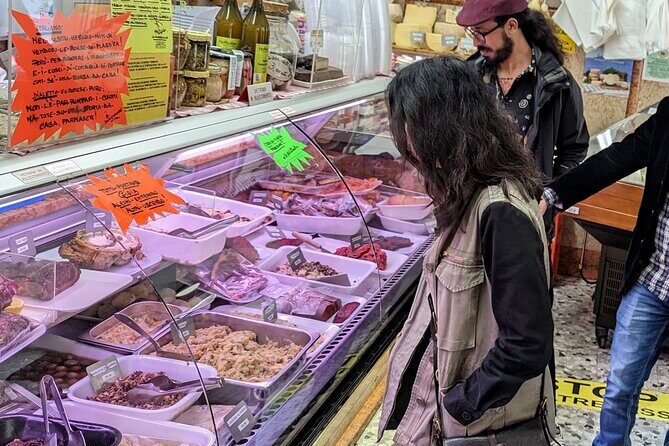
This is a 2-hour walking tour with multiple stops, so your comfort matters. Wear comfortable shoes and clothes, and plan for uneven pavement in the older parts of Verona. Even when the pace feels easy on paper, you’ll be on your feet a lot.
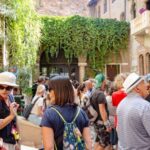
Group size is small, limited to 10 participants, which usually helps the guide keep things friendly and responsive. In past experiences with this tour format, guides have done well at chatting and adjusting to what people want to focus on, especially when the group is tiny.
Still, don’t expect a slow, single-file march. Some notes mention the walking pace can be fast and groups can split briefly at certain stops. If you like to linger at architecture details, take your photos during designated stops and don’t count on long browsing time between tastings.
Language is covered as well: the tour is English-speaking (and also Italian). If you like food history, you’ll likely enjoy the way guides connect ingredients to Verona traditions as you walk.
Price and Value at $80: What You Get for the Money
At $80 per person for 2 hours, the value depends on what you’re comparing it to. If you’re thinking of it as a casual “few snacks” tour, it’ll feel pricey. If you treat it as a guided tasting menu in walking form, it starts to make sense quickly.
You get 9 tastings plus two glasses of wine. That’s a lot of different products in a short window, including olive oil, chocolate, cheese, cured meats, taralli with wine, and a Verona-famous cake or rice pastry at the end. You’re also buying the guide’s role: someone local helps you connect the food to the city, and that kind of context can be the difference between tasting and truly understanding.
One caution that comes up in feedback is that the wine amount can feel small for the price. You’re paying more for variety, pacing, and guidance than for a long drinking session. If you want a lot of alcohol and a longer meal, you’d likely be happier with a different kind of wine tour.
If you want a practical first-day activity—one that reduces guesswork for where to eat next—this is the kind of tour that can pay back quickly. Guides often share recommendations for later restaurants and bars, which can help you turn the rest of your trip into better choices.
Who Should Book (and Who Should Skip) This Verona Tour
This tour is a strong fit if you:
- Want a first taste of Verona without planning a full meal
- Enjoy food-and-walking tours where history is tied to ingredients
- Like structured stops, but still want some room to ask questions
- Prefer small groups and a guided route through the center
It’s wheelchair accessible, which is a meaningful plus for a walking-focused activity. The route is still walking-heavy, so you’ll want to judge it based on your own mobility comfort.
It’s not suitable for pregnant women, and it’s not suitable for people with gluten intolerance. Vegetarians are welcome, which is great, but keep in mind the tour can’t cater for gluten and lactose allergies. If dairy is a problem or gluten is a strict no, you’ll want to think carefully before booking.
If you’re sensitive to pacing, be aware some experiences note the walk can feel quicker than expected. If that’s your biggest concern, plan a low-energy day around it.
Should You Book This Verona Food and Wine Tour?
Book it if you want a smart, efficient way to learn Verona through food: 9 tastings, two glasses of wine, and major city landmarks strung together in a manageable 2-hour block. It’s especially appealing as a first visit when you need your bearings and your appetite at the same time.
Pass on it if you want a long wine experience, or if you know gluten or lactose will be a problem for you. Also skip if you dislike walking between several small tasting stops, because even with a friendly pace, it’s still a walking tour.
If you do book, I’d follow one simple rule: come hungry and wear shoes you trust. Then you’ll get the best version of this experience, where the last bite of Pandoro or risini feels like a natural finish to the flavors you sampled along the way.
FAQ
How long is the guided food tour in Verona?
The tour lasts 2 hours.
How many tastings and glasses of wine are included?
You get 9 food tastings and a wine tasting with 2 glasses of wine.
Where do I meet the guide?
Meet the guide in front of Redoro, a bruschetteria about a 1-minute walk from the Arena of Verona.
What wine will I taste?
The tour includes two iconic Verona wines, with an option for rosé from Lake Garda if preferred.
Is the tour suitable for vegetarians?
Yes, vegetarians are welcome.
Can the tour accommodate gluten and lactose allergies?
No. The tour cannot cater for gluten and lactose allergies.
Is the tour wheelchair accessible?
Yes, the tour is wheelchair accessible.
Are museum entrances included?
No, entrance to museums is not included.
Is there free cancellation?
Yes, you can cancel up to 24 hours in advance for a full refund.