REVIEW · VERONA
Verona: Vineyard and Winery Tour with Wine Tasting
Book on GetYourGuide →Operated by Tenuta Santa Maria Valverde s.a. · Bookable on GetYourGuide
Valpolicella wine tastes better with family stories. This Verona-area visit centers on Tenuta Santa Maria Valverde, a 5-generation winery, where you’ll walk the vines, see the old cellar spaces, and learn how Appassimento shapes Amarone’s character. Expect a relaxed pace and plenty of time outdoors, with the winemaking story told by people who actually live with these grapes.
Two things I especially like: the tour gives you real hands-on context, from vineyard basics to the cellar’s working methods, not just a sales pitch. And the tasting is paired with local antipasti, so you taste in context—rather than sipping wine in isolation. Guides such as Raquel, Claudia, Jacopo, Ginevra, and Raphaela show up in different groups, and the consistent vibe is warm, personal, and practical.
One consideration: the experience is intentionally short (2 hours), and the tasting focuses on a small, curated set (including Valpolicella, Ripasso, and Amarone). If you’re chasing an all-day, multi-cru sampling festival, this format may feel a bit tight.
In This Review
- Key highlights I’d plan around
- Tenuta Santa Maria Valverde: what makes this Valpolicella stop feel real
- How the 17th-century cellar and old winemaking spaces help you taste smarter
- Vineyard walk: the quick scene-setting that makes the rest of the tour click
- Amarone and Appassimento: the drying-room moment you’ll remember
- The tasting: Valpolicella, Ripasso, and Amarone with antipasti on the terrace
- Who this tour is best for (and who should pick something else)
- Price and value: is $82 worth it?
- Timing, transport, and the one logistics tip that saves stress
- What to bring so you enjoy every minute
- Should you book the Verona Vineyard and Winery Tour?
Key highlights I’d plan around
- 17th-century cellar + rural house spaces that make winemaking feel rooted, not staged
- Appassimento Amarone explanation (how drying changes flavor)
- Tasting with senses—you’re guided to look, smell, and taste like a mini sommelier
- Terrace antipasti pairing with local cheeses, salami, olive oil, and chutney
- Family-run hospitality with frequent small extras, like meeting the property dogs
Tenuta Santa Maria Valverde: what makes this Valpolicella stop feel real
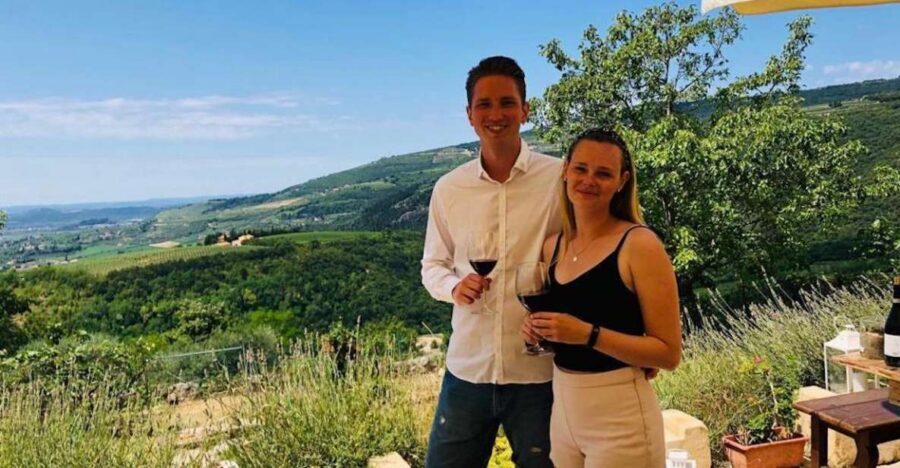
If you picture a winery visit that’s all photos and no substance, this isn’t that. Tenuta Santa Maria Valverde is set up for conversation and learning, with a working, family-run feel. You’re not just passing through a tasting room—you’re moving through vineyard and cellar spaces, guided by the people who keep the place running.
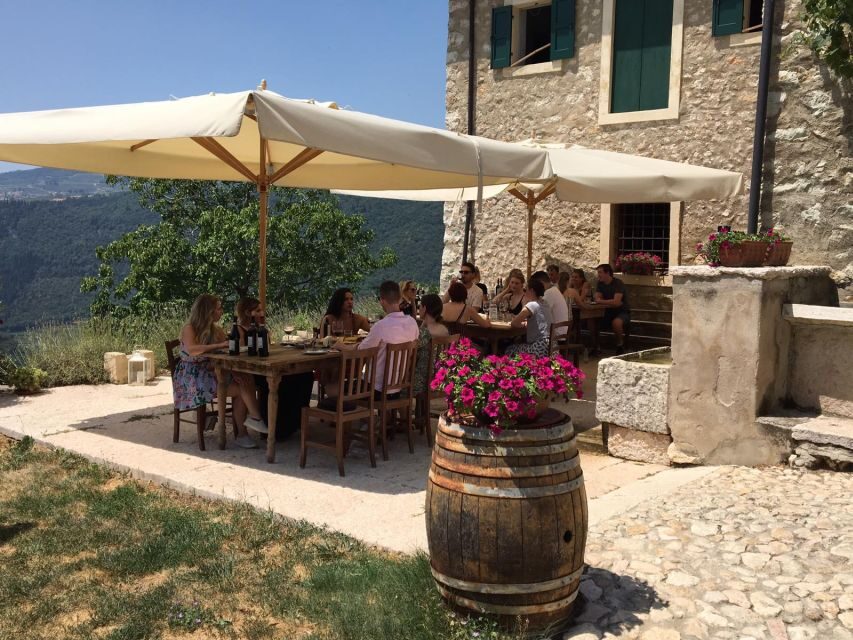
The setting is also a big part of the value. You’re in the Valpolicella countryside, so even before you drink anything, you’re getting that “Italy is bigger than the city” perspective. During the outdoor moments—especially the terrace tasting—you’ll be looking across rolling hills rather than a parking lot.
And because this is a family winery, the storytelling lands better. One host might frame the region through the family’s estates and traditions; another might focus on how the winemaking choices show up in what you taste. Either way, the goal stays the same: you walk away with clearer wine intuition, not just a list of labels.
You can also read our reviews of more food & drink experiences in Verona


How the 17th-century cellar and old winemaking spaces help you taste smarter
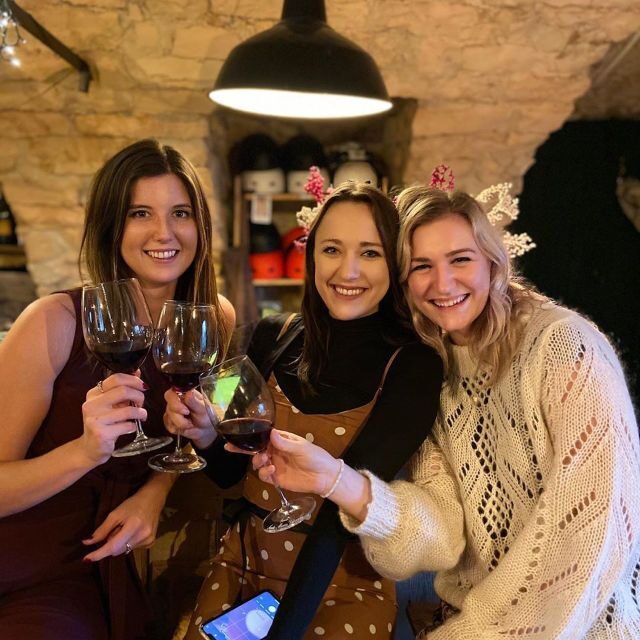
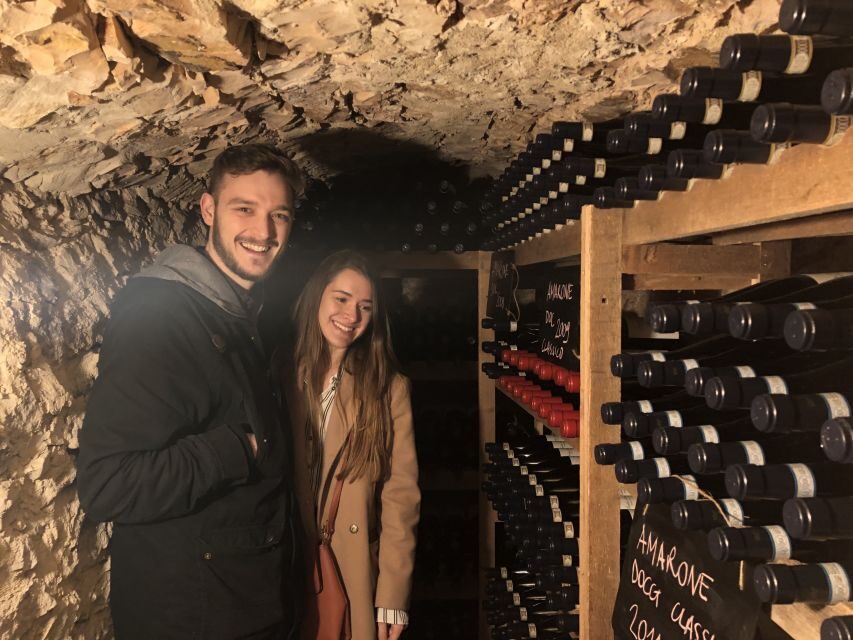
A lot of wine tours tell you what to drink. This one helps you understand why. When you’re guided through the cellar and the rural house spaces that have been used for winemaking since the 1600s, it’s easier to connect the present to the craft.
Here’s what I think you’ll appreciate: you get to see how place and process link up. Old rooms are not just scenic. They give you context for why certain steps matter, including fermentation timing, storage decisions, and the logic behind the drying approach used for Amarone.
You’ll also likely get a more grounded explanation of the wine styles you’re about to taste—Valpolicella, Ripasso, and Amarone—because you’re learning while you’re inside the environment where those wines come from.
Vineyard walk: the quick scene-setting that makes the rest of the tour click
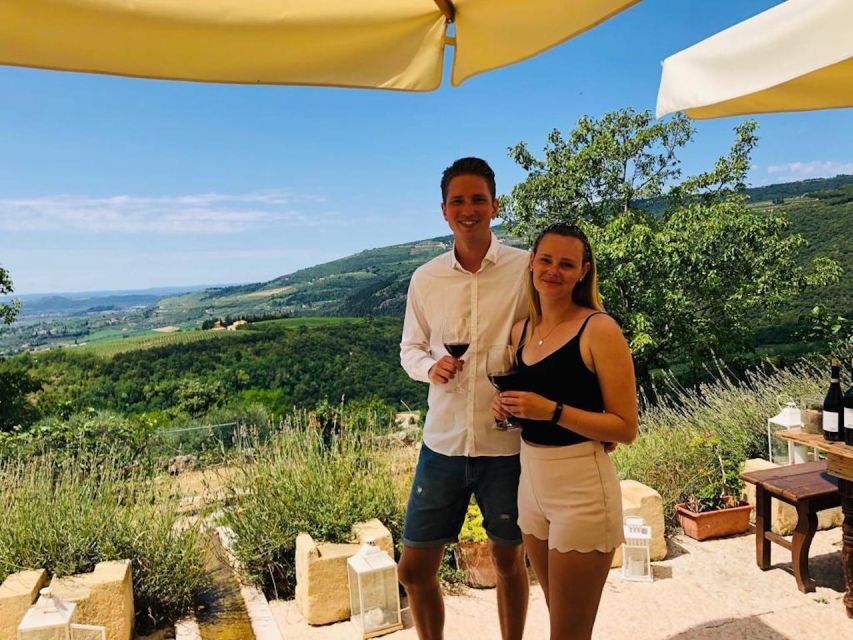
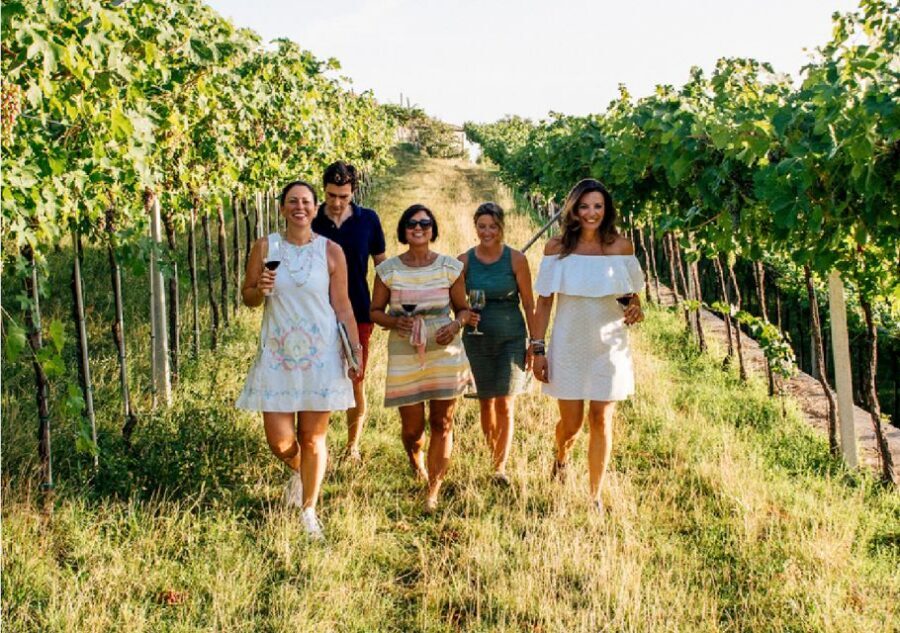
The experience starts with the countryside view and a stroll through the vineyard area. This isn’t meant to be a strenuous hike, but it does what a good vineyard introduction should do: it gives you something to picture when you hear grape-to-glass terms.
I like that you’re not treated like a blank slate. The guide’s story ties the landscape to grape choices and typical regional practices. Even if you don’t know your Corvina from your Valpolicella, you’ll start noticing how wine styles can differ even within the same broader valley.
It also helps you slow down. In a city, wine can feel like a product. Here, it feels like a season-long process happening in real time—like you’re borrowing five generations of attention for a couple of hours.
Amarone and Appassimento: the drying-room moment you’ll remember
The standout technical stop is the traditional drying room, where you learn about Appassimento—how grapes are dried (after harvest) to concentrate flavor before fermentation. This matters because Amarone isn’t just a stronger wine. It’s a different approach to extraction, balance, and taste.
In practical terms, Appassimento is the reason you can get that deeper, more layered profile people associate with Amarone—things like richness, intensity, and often a warmer, more complex finish. The guide explains how grape behavior during drying contributes to the final character, so when you taste Amarone later, it won’t feel like a mystery potion.
This part is also where the tour becomes most useful for future ordering. Once you understand the role of drying, you’ll have a clearer mental model for why certain wines taste the way they do, even when you’re not standing in the cellar.
The tasting: Valpolicella, Ripasso, and Amarone with antipasti on the terrace
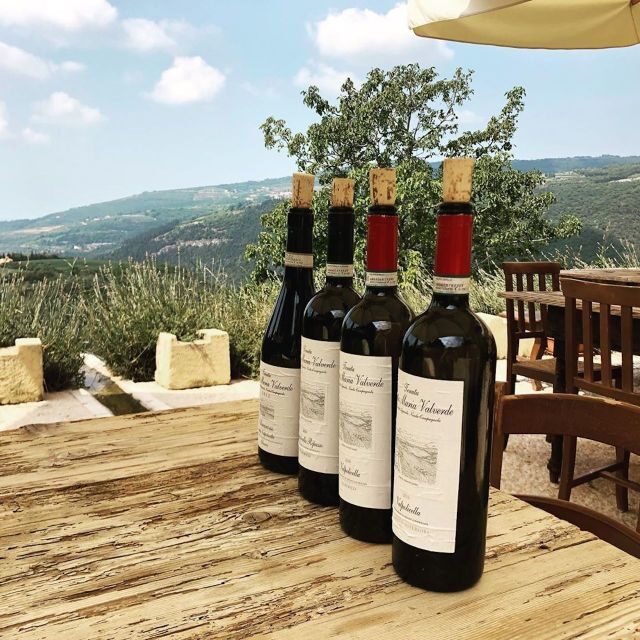
The tasting is built around a short, focused lineup, typically including Valpolicella, Ripasso, and Amarone. That small number can be a good thing. You taste each wine with attention, guided to use sight, smell, and taste rather than gulp-and-go.
I also like the pacing because it’s not a rushed conveyor belt. You get to learn how to evaluate wine, then you get to practice with food alongside it. That pairing is where the flavors start making sense.
On the terrace, you’ll have local antipasti such as cheeses and salami, plus extra virgin olive oil and bread. Light lunch tastings also include items like chutney (many groups report cherry chutney) and other local bites. The view makes this feel like a real meal break, not a snack between rooms.
One more practical win: because you’re pairing wine with salty and savory foods, you’ll notice how tannins and acidity behave. It’s easier to understand what you like when the tasting isn’t happening in a vacuum.
You can also read our reviews of more wine tours in Verona


Who this tour is best for (and who should pick something else)
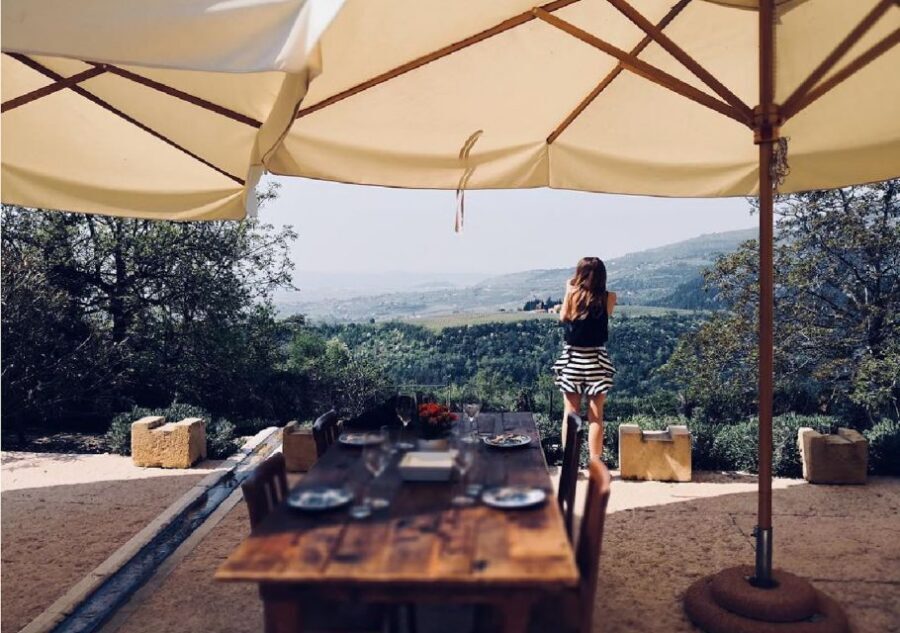
This is a great match if you want a relaxed, family-led winery visit with real explanations and a scenic finish. It’s also a strong choice if you like structured learning—how grapes turn into taste—without the pressure of a formal class.
It’s especially ideal for:
- Wine-curious people who want to understand Amarone and Appassimento
- Travelers who prefer small, personal stops over big tourist factories
- Couples and friends who want a calm outdoor break from city touring
It may be less ideal if you:
- Want lots of different wines beyond a small set
- Need a very long lunch or a full-day winery crawl
- Are traveling with children (the wine is for adults only; the tasting requires participants to be at least 18)
Price and value: is $82 worth it?
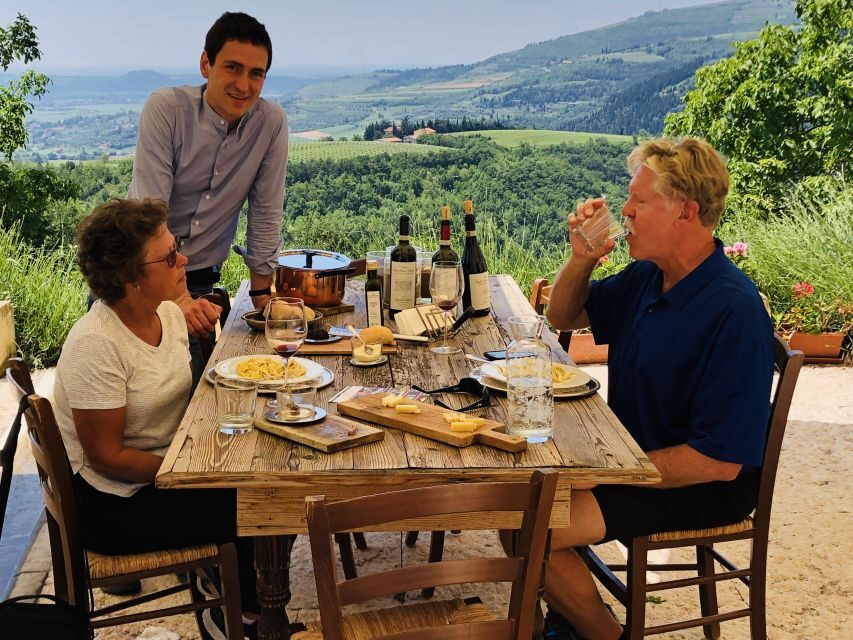
At $82 per person for a roughly 2-hour experience, the price sits in the mid-range for a vineyard-and-cellar visit in the Verona area. What makes it feel fair is what’s included: vineyard and cellar access, the Amarone drying-room explanation, a tasting with the winemaker, and paired local food.
You’re not just buying drinks. You’re paying for context—seeing old winemaking spaces, learning the drying method, and getting help tasting like a pro. And the terrace pairing with local cheeses, salami, olive oil, bread, and chutney turns the tasting into a proper stop rather than a quick sample.
If you already know you love Amarone or you’re trying to decide which Valpolicella style to bring home, this tour can pay off quickly. It’s a concentrated way to learn what you like, and many wineries in this region will allow purchases after the tasting (the tour data notes wine can be purchased and shipped, though details vary by visit).
Timing, transport, and the one logistics tip that saves stress
The meeting point is at Tenuta Santa Maria Valverde, Località Gazzo, 4, 37020 Marano di Valpolicella VR. From Verona, you’ll want to plan transport early. The winery can assist with booking a private transfer or arranging public transport, and in at least some cases hosts have met people at a bus stop to keep the day on track.
Here’s the practical approach I’d use: if you’re coming from Verona by bus or train, confirm your route details before you leave the city. That extra check reduces the chance of ending up on the wrong side of the valley. Once you’re there, the rest of the tour is straightforward and friendly.
What to bring so you enjoy every minute
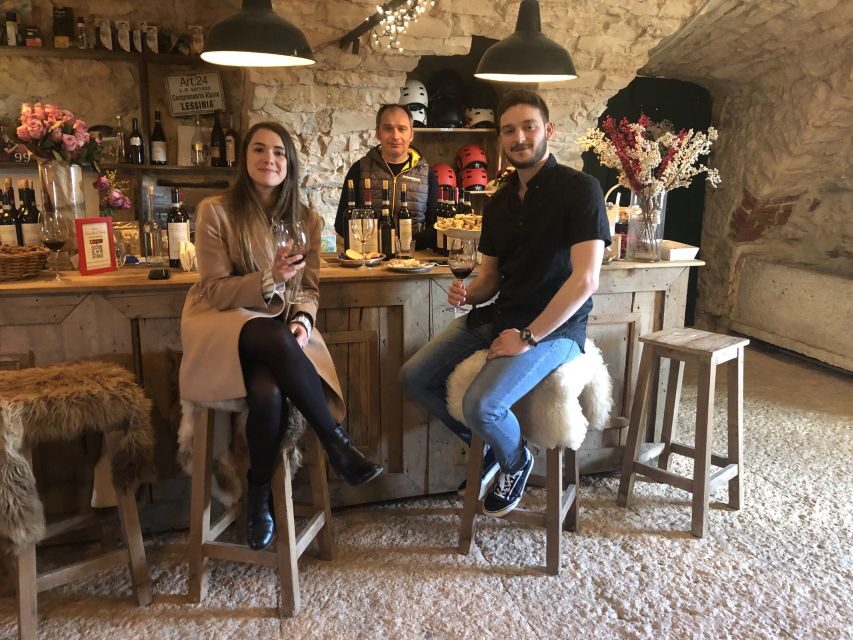
This tour is comfortable, but you’ll be in vineyard areas and outdoors. I’d bring:
- A light layer for open-air time (valley air can feel cooler)
- Comfortable shoes for walking on uneven ground
- A water bottle if you’re sensitive to heat
- An appetite for savory bites paired with wine
Also, if you’re the type who likes to ask questions, this is a good day for it. The guides (and the family hosts) tend to explain the why behind what you’re tasting, so your questions won’t feel like interruptions.
Should you book the Verona Vineyard and Winery Tour?
Book it if you want the best parts of a winery visit in a short window: vineyard + cellar access, a clear Amarone learning moment focused on Appassimento, and a terrace tasting with local antipasti. At $82, it’s strong value for what’s included, especially if you’re visiting Verona and want a countryside experience that feels genuinely Italian and family-run.
Skip or consider another option if you’re looking for huge variety or a long, alcohol-focused party of tastings. This tour is built for understanding and enjoying a small set well, not for sampling dozens of wines.
If you like your wine trips to have a point—something you can taste later with better instincts—this one is a smart pick.