REVIEW · VERONA
Discover Valpolicella Vineyards and Wine Tasting Experience
Book on Viator →Operated by TENUTA SANTA MARIA VALVERDE · Bookable on Viator
Valpolicella tastes better when it is personal. This family-run visit at Tenuta Santa Maria Valverde mixes an easy vineyard walk with a look at how Amarone and other reds are made, then finishes with guided wine tasting from Verona.
I especially like two things: the tour includes a tour-first feel with time in the vines, not just a seated tasting, and you taste a lineup that makes sense for the region, including Valpolicella, Ripasso, and Amarone. One drawback to plan for: getting there can be confusing if you rely on a random map pin or assume your Verona transportation is automatic—confirm the exact departure and pick-up spot.
In This Review
- Key things that make this Valpolicella tasting worth your time
- How Tenuta Santa Maria Valverde keeps Valpolicella from feeling touristy
- Vineyard walk first: why the first 30 minutes matter
- Fruttaio and the 17th-century cellar: where Amarone begins
- The terrace view: tasting with Verona in the distance
- Tastings: Valpolicella, Ripasso, Amarone, and how to taste along
- Food pairing: olive oil, Monte Veronese, Soppressa, and local add-ons
- Stop-by-stop on the Verona route: bridges, Dante, and quick orientation
- Price and value: is $84.69 fair for this setup?
- Transportation reality check: how to avoid map and bus surprises
- Who this wine tasting suits best
- Should you book Tenuta Santa Maria Valverde?
- FAQ
- What is the duration of the Valpolicella vineyards and wine tasting experience?
- How many wines do you taste and which styles are included?
- What food is included with the wine tasting?
- Does the tour include transportation from Verona?
- Is the tour limited in group size?
- Can I cancel for free?
Key things that make this Valpolicella tasting worth your time
- A real cellar story in a 17th-century setting, plus stops tied to how the wine is actually produced
- Fruttaio, the grape-drying room where Amarone-style grapes go through their special process
- A tasting you can follow using sight, smell, and taste to learn how to evaluate what you are drinking
- Small group feel with a maximum of 18 travelers, so the conversation stays human
- Food pairing built in: organic extra virgin olive oil, local cheeses (including Monte Veronese), and Soppressa
- Verona round-trip option designed to keep you off the rental-car stress, but details can vary by shuttle setup
How Tenuta Santa Maria Valverde keeps Valpolicella from feeling touristy
If you like wine country that feels like someone’s home, not a production line, this is the right pocket of Valpolicella. Tenuta Santa Maria Valverde is run as a family estate in Marano di Valpolicella, just outside Verona, and you will get the kind of details that only show up when people are proud of their vineyards year after year.
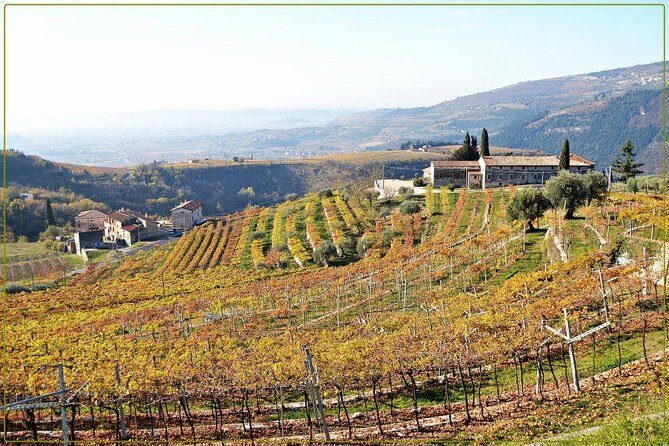
The pacing matters. You start with a walk among the vines around the winery, then move into the working parts of the property: older cellar spaces, storage and refinement areas, and the terrace views. It is the opposite of a rushed tasting where you barely catch your breath.
You can also read our reviews of more food & drink experiences in Verona


Vineyard walk first: why the first 30 minutes matter
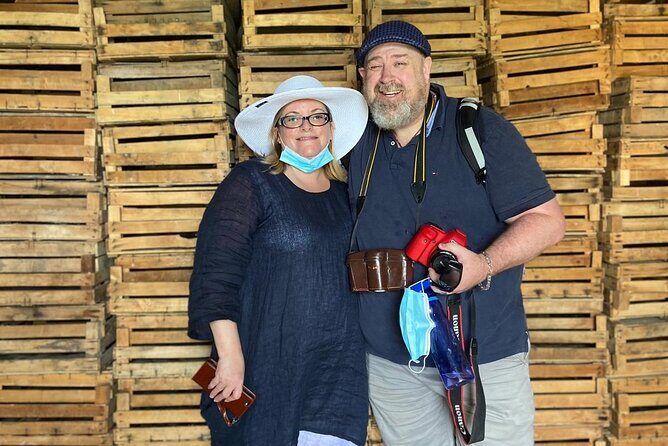
You will begin with a walk in the vineyards surrounding the winery. This is not filler time. It sets the context for what you will taste later, because the guide ties the family story and estate character to the vines you are standing in.
Here is what you can expect from the walk:
- The vineyard setting is part of the learning, not just a photo backdrop
- You will hear how the family thinks about estates and wine over generations
- You get an early sense of the hills that shape how the grapes develop
If you love wine but hate wine lectures that feel like school, this is the sweet spot. You walk, you listen, and the technical bits show up naturally when you need them.
Fruttaio and the 17th-century cellar: where Amarone begins
After the vineyard walk, the tour shifts into the heart of the property: the 17th-century cellar and the estate’s traditional drying room known as Fruttaio. This part is especially important for understanding why Valpolicella can be gentle one moment and intense the next.
In plain terms, Fruttaio is where grapes go through a drying phase that helps concentrate flavors for styles like Amarone. Seeing the room used for that process gives you a mental map for the tasting later. Instead of just thinking Amarone is darker or stronger, you can connect it to what happens before it ever reaches the glass.
Then you move through the cellar areas tied to the wine process, including how the estate refines its reds in oak barrels. Even if you are not a wine nerd, this helps you notice what changes in the glass: structure, aroma intensity, and how the flavors linger.
The terrace view: tasting with Verona in the distance
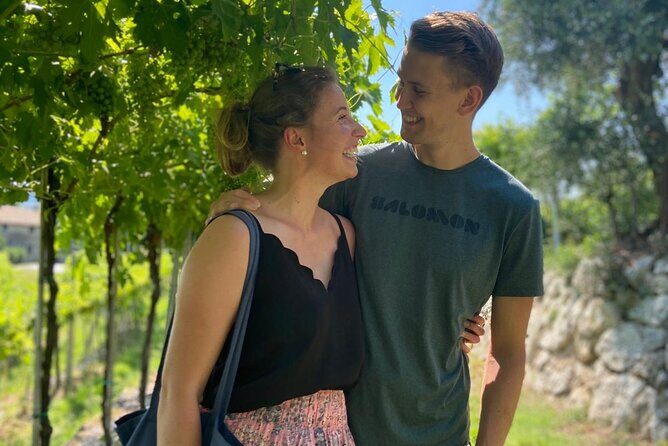
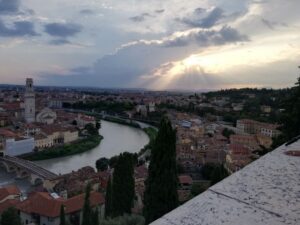
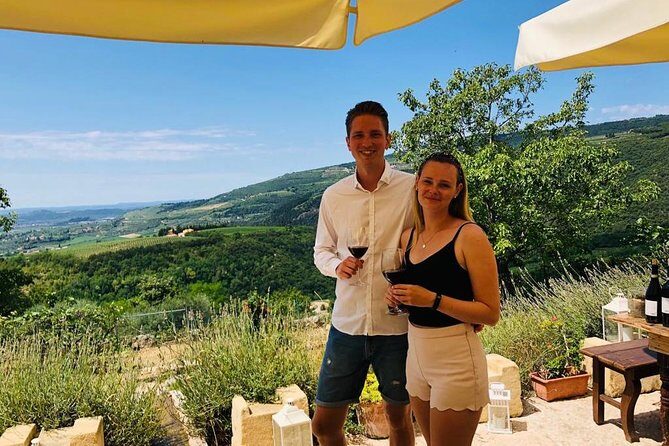
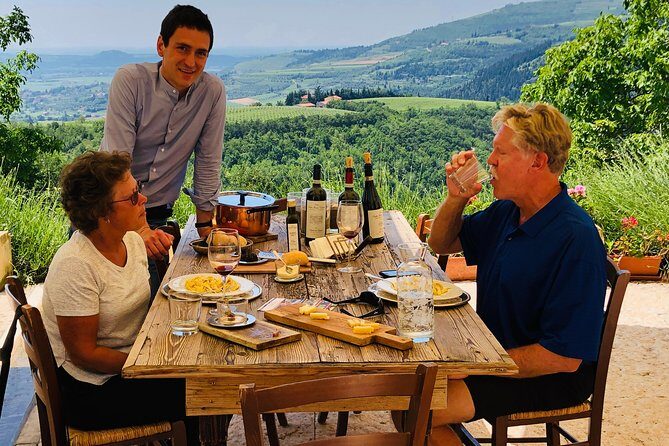
The tour ends up at the terrace, where the Valpolicella Hills views do what good views always do: they slow you down. This is a practical moment too. A view like this makes the tasting feel like a break in your day, not a chore.
If the weather is clear, the terrace is where you will get some of your best photos. If it is misty or rainy, you may lose some of the scenery, but the experience still works because the focus stays on the winery spaces and tasting.
Tastings: Valpolicella, Ripasso, Amarone, and how to taste along
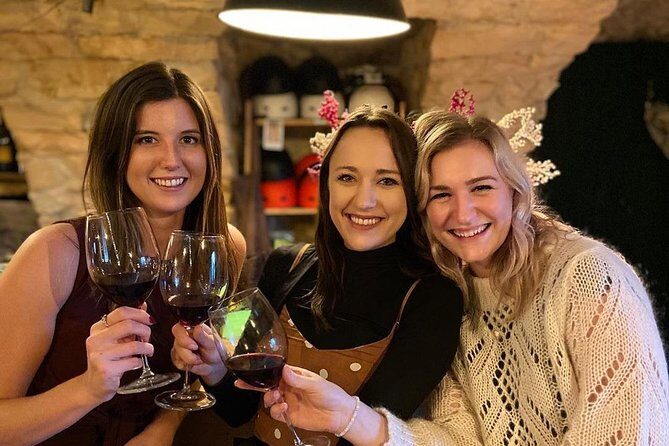
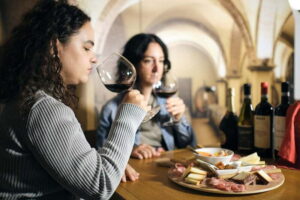
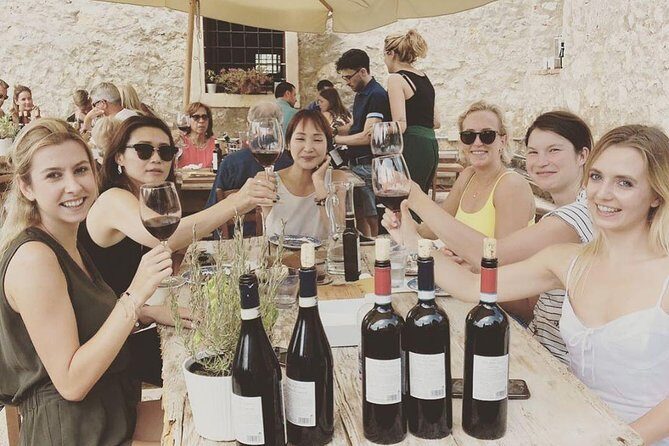
You will taste a selection of Valpolicella, Ripasso, and Amarone, with the guide walking you through how to evaluate wines using sight, smell, and taste. That three-step method is useful because it turns the tasting into a skill you can reuse later, even after you head back to Verona.
What I like about this tasting approach:
- You are not just told what to like; you learn what to notice
- You can compare styles as you go, instead of tasting randomly
- The guide’s explanations connect aromas and structure back to the production process you saw in the cellar
One practical note: you are tasting in a guided setting, so pace yourself. This is wine country, but your schedule still runs on time.
You can also read our reviews of more wine tours in Verona


Food pairing: olive oil, Monte Veronese, Soppressa, and local add-ons
The wines are paired with local food, and the pairing is not an afterthought. You get:
- Organic extra virgin olive oil
- Local cheeses, including Monte Veronese
- Soppressa (a type of local salami)
- Bread and other local accompaniments
Some tastings also include other flavorful extras such as mustardo and cherry-based condiments, which can make the reds feel even more balanced. The key idea is that the food is meant to support the wines, not overpower them. If you have ever tasted wine and felt like the food ruined the drink, this style of pairing usually helps you avoid that.
For value and comfort, this matters. At around 2 hours 30 minutes, you want a tasting experience that feels like a full activity, not a quick drink stop.
Stop-by-stop on the Verona route: bridges, Dante, and quick orientation
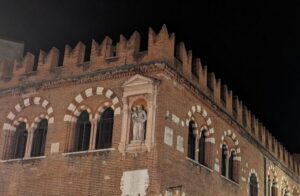
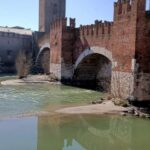
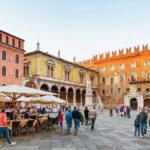
The activity starts and ends back at your meeting point in Verona, and along the way you will pass several iconic spots. The route includes stops around the city such as:
- Capitello al Gazzo
- Cortile Mercato Vecchio e Scala della Ragione
- Ponte della Vittoria
- Statue of Dante Alighieri
- Ponte Scaligero
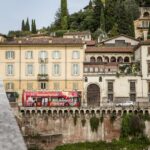
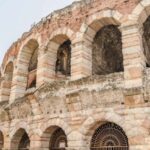
You should think of these as route moments—little breaks that help you orient yourself in Verona while you are traveling between the city and the hills. They are not a replacement for a full sightseeing tour, but they do make the day feel connected to Verona, not just stuck on a country road.
Price and value: is $84.69 fair for this setup?
At $84.69 per person for about 2.5 hours, the value comes from what you get packed together:
- A vineyard and estate tour on a working family property
- Entry into older, specific spaces like the Fruttaio and 17th-century cellar areas
- A guided tasting across Valpolicella, Ripasso, and Amarone
- Included local pairings such as olive oil, cheese, and Soppressa
- Transportation that is designed to keep you from driving between Verona and the hills
The price can feel steep if you compare it to a basic tasting room. But here the experience is not just pouring wine; it is a full estate visit with production context and food pairing. For many visitors, that is what turns it from a souvenir purchase into a real memory.
If you are price-sensitive, the biggest variable is transportation format. When shared shuttle options are involved, the per-person cost can shift depending on how many people are in your group that day.
Transportation reality check: how to avoid map and bus surprises
This is the part worth taking seriously, because a few people hit snags when the meeting point instructions were not clear enough for their exact situation.
Here is how I suggest you protect your time:
- Confirm your exact pick-up point in Verona before the day. Do not rely only on the idea that every tour leaves from the same general area.
- If you are using public transit options, double-check the final stop name and plan extra margin for confusion.
- If there is a shared shuttle or taxi option, ask what the cost means in practice. One common pattern is that shared rides split between passengers, so if you are traveling alone, the per-person cost can rise.
Also, keep your expectations grounded: the winery is in the hills and slightly off the beaten path. That is part of the charm, but it is also why accurate instructions are crucial.
Who this wine tasting suits best
This works best if you:
- Want a family-run Valpolicella experience rather than a big production
- Like hands-on wine learning tied to production spaces like the cellar and Fruttaio
- Want a guided tasting with food pairing, not just wine and a chair
- Are visiting Verona and want a half-day plan that feels authentic
It is also a solid choice for solo travelers because the group stays small, and the tasting format keeps things social without turning chaotic.
If you hate any kind of transportation complexity, build in extra time for getting to the right Verona departure point and final countryside pick-up.
Should you book Tenuta Santa Maria Valverde?
Yes, if you care about the difference between tasting wine and understanding where it comes from. This is a well-structured estate visit: vineyard walk, cellar and Fruttaio context, then tasting with sight-smell-taste guidance, plus real local food pairings.
I would hold off if you want a totally frictionless plan and you are unwilling to double-check instructions for the exact Verona pick-up and countryside connection. The wine and estate side of the experience seems consistently strong—the logistics are the only real gamble.
FAQ
What is the duration of the Valpolicella vineyards and wine tasting experience?
It runs for about 2 hours 30 minutes.
How many wines do you taste and which styles are included?
You taste a selection of Valpolicella, Ripasso, and Amarone wines.
What food is included with the wine tasting?
The tasting is paired with local delicacies, including organic extra virgin olive oil, local cheeses such as Monte Veronese, and Soppressa.
Does the tour include transportation from Verona?
The experience is offered with transportation to avoid driving hassle, starting and ending back at the meeting point in Verona, but you should verify the exact transportation method for your date.
Is the tour limited in group size?
Yes. The maximum group size is 18 travelers.
Can I cancel for free?
Yes. You can cancel for a full refund up to 24 hours before the experience start time.