REVIEW · VERONA
Verona: Authentic Pasta Making Class with a Local Family
Book on GetYourGuide →Operated by Vallì Homemade · Bookable on GetYourGuide
Flour, laughter, and real pasta technique. This Verona class is all about hands-on pasta dough from scratch with Valentina (Valli) and Dave, then a local-family dinner where you eat what you make. I like that you’re not just watching—you’re shaping, cutting, and tasting with people who run the night like family. The main drawback to consider: it’s a full 4 hours of cooking and eating, so it’s not the best fit if you want a quick, sightseeing-only evening.
I also like the small-group feel (limited to 10) and the way Valli keeps instructions clear, even when everyone’s skill level varies. You’ll cover more than one pasta shape—think tagliatelle, ravioli, and a range of classic cuts, including decorated and colored pasta. That variety makes it more than a one-trick cooking workshop.
You’ll leave with more than full plates, too: recipes to take home plus tips so you can redo the dough and sauce steps later. And yes, the focus on two quick, easy sauces means you learn how to finish pasta in a practical way, not just how to roll dough.
In This Review
- Key Highlights You’ll Actually Care About
- A Flour-First Plan in Verona’s Center
- Your Pasta Lesson: Dough From Scratch to Tagliatelle
- Quick, Easy Sauces: The Skill That Makes Your Pasta Taste Like Home
- Ravioli and the Fresh-Filling Practice
- The Ending That Matters: Three Courses + Regional Wine
- What the Small Group Size Does for Your Experience
- Price and Value: Why This Costs $107.62 and Why It Can Be Worth It
- Timing and Practical Tips Before You Go
- Who Should Book This Pasta Night in Verona
- Should You Book This Verona Pasta Making Class?
- FAQ
- FAQ
- Where does the experience start and end?
- How long is the pasta making class?
- What will I make during the class?
- Is this class for beginners?
- What language is the instruction offered in?
- What’s included with the ticket price?
- Is there a wine pairing with dinner?
- Is there free cancellation?
Key Highlights You’ll Actually Care About
- Hands-on Tagliatelle and Ravioli: make two classics, then eat them
- Classic cuts plus decorated and colored pasta: you’ll see how variety works in real dough
- Two quick, easy sauce lessons: practical finishing skills, not just “recipes exist”
- Three-course meal with regional wine: you get a full dinner, not a few bites
- Small group of up to 10: more time at your station, less waiting around
- Recipes and tips to repeat at home: you’re not starting from zero again later
A Flour-First Plan in Verona’s Center
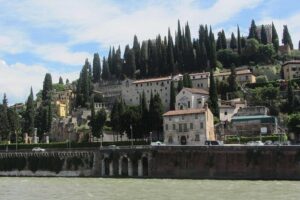
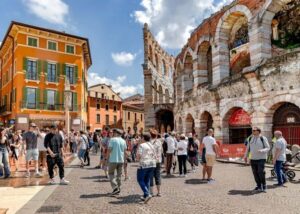
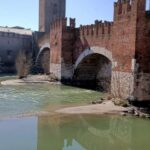
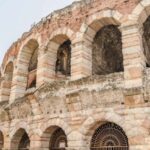
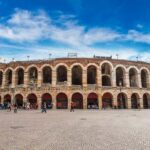
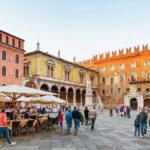
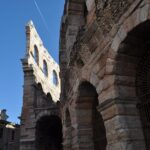
Verona has a way of mixing old stone with everyday life, and this experience leans into that. The meeting point is Palazzo Balladoro, a historical building right in the heart of the city—walkable to Castelvecchio and the Arena area. You’re close enough to everything without needing a long transfer, and that matters when you’re committing to a 4-hour dinner-and-cooking block.
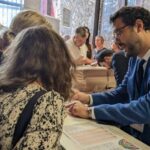
The vibe is simple: you come in as a visitor, you leave feeling like you sat down with a real Italian family for an evening. People often expect a “class,” but what you get is more like an organized dinner party where the center of gravity is pasta. The group stays small (max 10), which helps keep the pace friendly and hands-on.
One more practical point: the class is offered in English and Italian, with an instructor who can support both. If you’re traveling with mixed language comfort, this is the kind of activity where the work itself becomes the shared language.
You can also read our reviews of more cooking classes in Verona
Your Pasta Lesson: Dough From Scratch to Tagliatelle
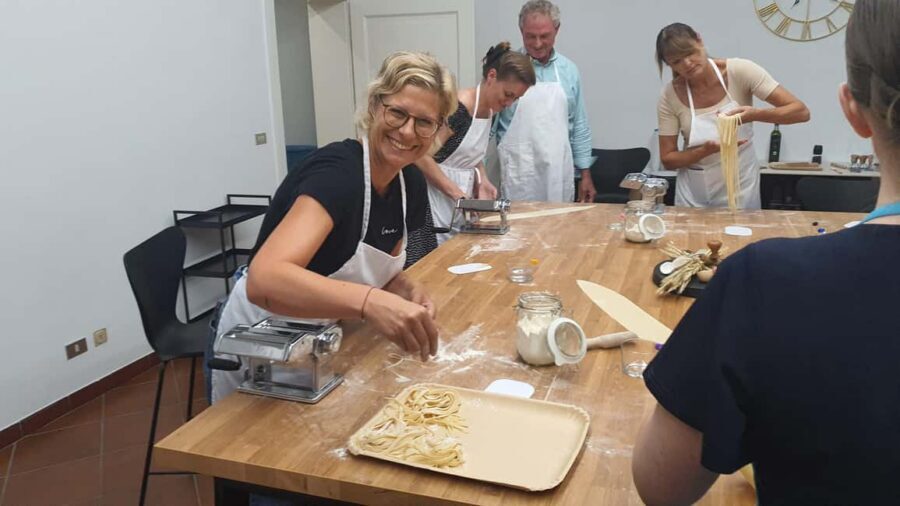
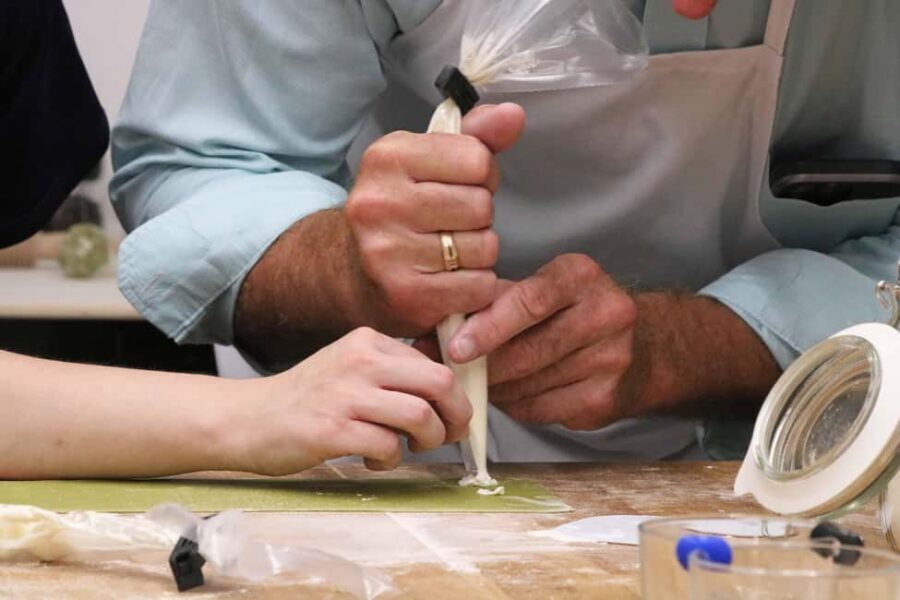
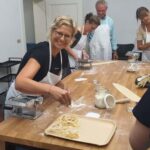
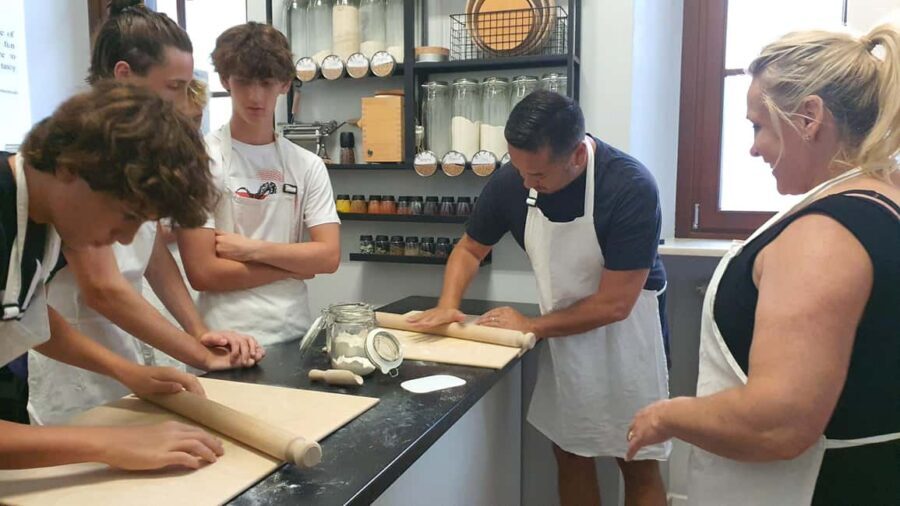
The core of the night is pasta dough made from scratch. You’ll work with flour, water, and technique until you can shape a dough that’s ready for cutting and filling. This is valuable because dried pasta skills don’t help much once you’re making fresh. When you learn dough behavior—how it feels before it’s perfect—you get a foundation you can reuse later.
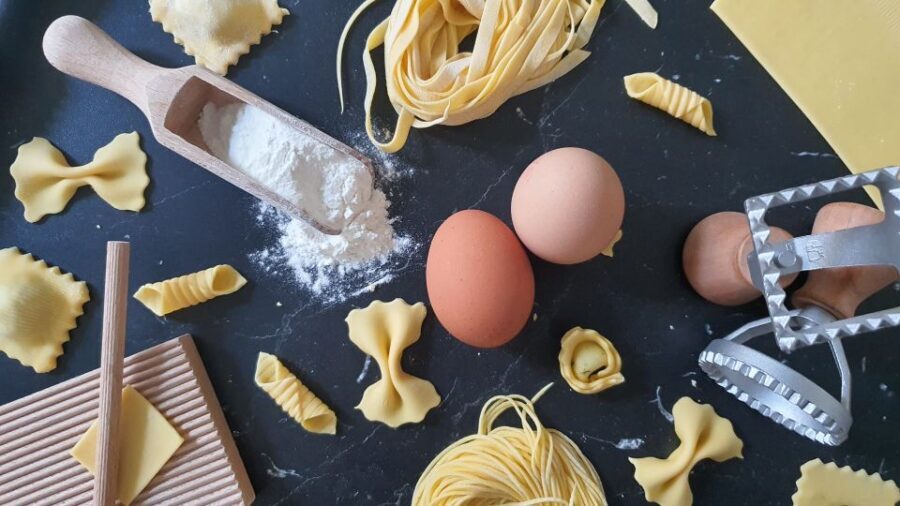
You won’t just make one shape. The class introduces classic cuts and pasta forms, including:
- tagliolini to pappardelle,
- tagliatelle,
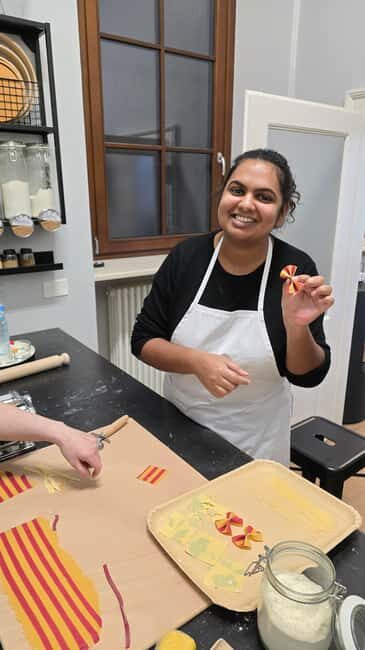
- farfalle,
- maltagliati,
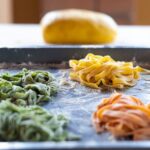
- and more creative styles like decorated pasta and colored pasta.
That might sound like a lot on paper, but in practice it helps you see that pasta shapes aren’t only about looks. They change how sauce clings and how the bite lands. Tagliatelle, for example, tends to feel like the “everyday favorite” in many homes because it balances width with sauce-holding surface. Pappardelle brings more ribbon and a slightly different chew. You get to experience those differences in the same session.
Also, the class is described as hands-on with options for different ability levels. That’s a big deal. If you’re nervous about cooking, you’re not being set loose with zero support. You’ll practice with guidance so your dough doesn’t become a stress project.
Quick, Easy Sauces: The Skill That Makes Your Pasta Taste Like Home
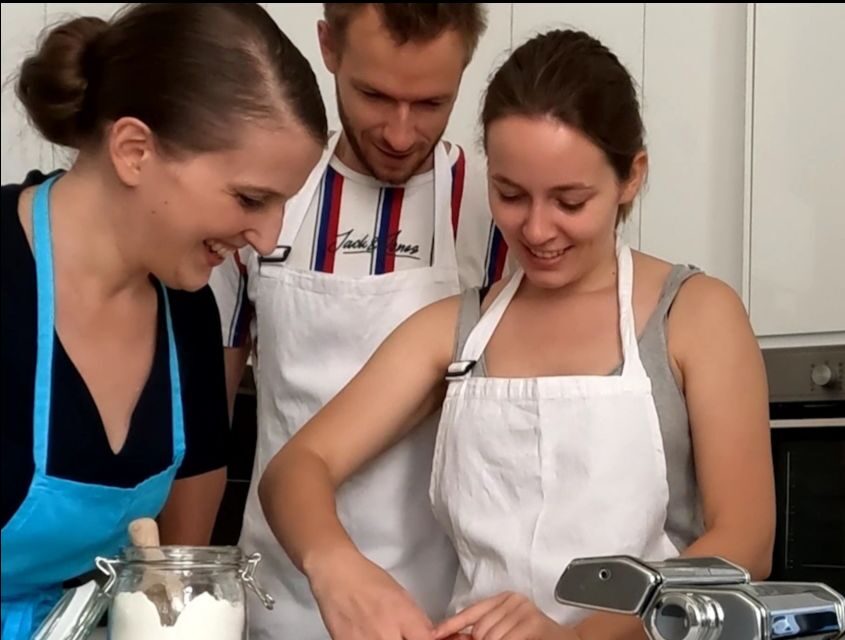
Making pasta is satisfying, but the real win is learning what happens next—how to finish it. Valli’s teaching includes techniques and “secrets” for preparing two quick, easy sauces. Even if you’ve cooked before, learning a regional approach (and learning it in the same evening you made the pasta) makes it easier to remember.
The class also emphasizes seasoning in a specific way: courses are prepared and served with low/no salt and sugar to taste so you can feel the food’s real character. In other words, you’re tasting pasta and sauces, not just seasoning. That can be a pleasant surprise if you’re used to heavier, salt-forward meals.
If you want to recreate this at home, sauces matter more than novelty shapes. Knowing how to make a sauce that works fast means you’ll actually use your fresh-pasta skills instead of saving them for rare occasions.
Ravioli and the Fresh-Filling Practice
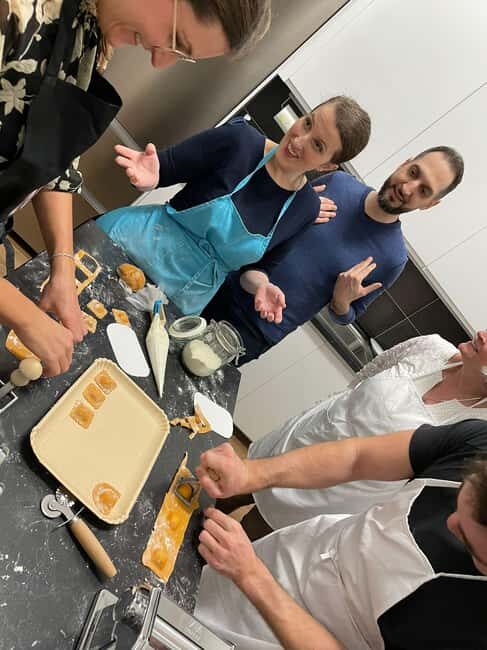
Fresh ravioli is where a cooking class starts to feel like a “real craft,” and this one includes it. You’ll learn how to make fresh ravioli, not just assemble a tray and call it a day.
Even though the details of filling and assembly aren’t spelled out in the materials you provided, the structure is clear: dough-making first, pasta formation next, then ravioli. Doing it in that order helps because you’re learning technique while your dough knowledge is still fresh—literally.
Ravioli also teaches you something important: fresh pasta dough behaves differently when you fold and seal it. If you’ve only made dumplings from packaged wrappers, you’ll notice the difference right away. That feedback loop—learn the technique, try it, see how it holds—turns “instructions” into skill.
The Ending That Matters: Three Courses + Regional Wine
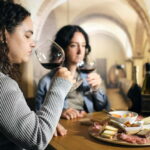
After the cooking comes the payoff: you sit down and eat what you prepared. The meal is a three-course dinner accompanied by special regional wine made by a small company.
This part is more than a reward. It’s also a built-in quality check. When you taste your tagliatelle and ravioli, you immediately understand whether your dough, rolling thickness, and finishing steps worked. That’s how you build confidence for next time.
The wine pairing is also part of the cultural context. In Veneto, meals often feel like a series of courses meant to be enjoyed slowly. Here, your dinner is integrated with your cooking, so you’re not rushing to be “done.” You’re taking part in the rhythm.
And yes, the dinner includes unlimited water—sparkling and still—so you can stay comfortable throughout the evening.
You can also read our reviews of more tours and experiences in Verona

What the Small Group Size Does for Your Experience
With a limit of 10 participants, you’re not stuck waiting for help while someone else takes the instructor’s attention. That’s consistent with what you’d hope for in a hands-on class: more time at your work surface, more chance to correct issues early, and more interaction with the hosts.
The hosts are Valentina (Valli) and Dave. From what’s shared about the experience, the two of them keep things fun and conversational. That sounds fluffy until you realize how it affects learning: if you’re relaxed, you’re more likely to pay attention to details like dough texture and sauce timing.
There’s also an energy reported as humorous and welcoming, plus a sense that people make friends during the meal. In a city packed with day tours, this is the kind of evening activity where you come away with more than photos.
Price and Value: Why This Costs $107.62 and Why It Can Be Worth It
At $107.62 per person for about 4 hours, this isn’t a budget kitchen event. You’re paying for several things at once:
- a guided, hands-on class limited to a small group,
- fresh dough practice plus multiple pasta formats,
- two sauce lessons,
- a full three-course meal,
- and a regional wine glass.
If you try to recreate it yourself later, you’d still need ingredients, equipment access (rolling and shaping), and enough patience to learn dough consistency. Here, the instruction and meal are bundled into one evening. That bundling is what makes the price feel more reasonable than it sounds at first glance.
Also, this is the kind of experience where the “value” includes confidence. Once you’ve made fresh pasta with clear steps and tasted the result, you’re not just buying dinner—you’re buying a usable skill.
Timing and Practical Tips Before You Go
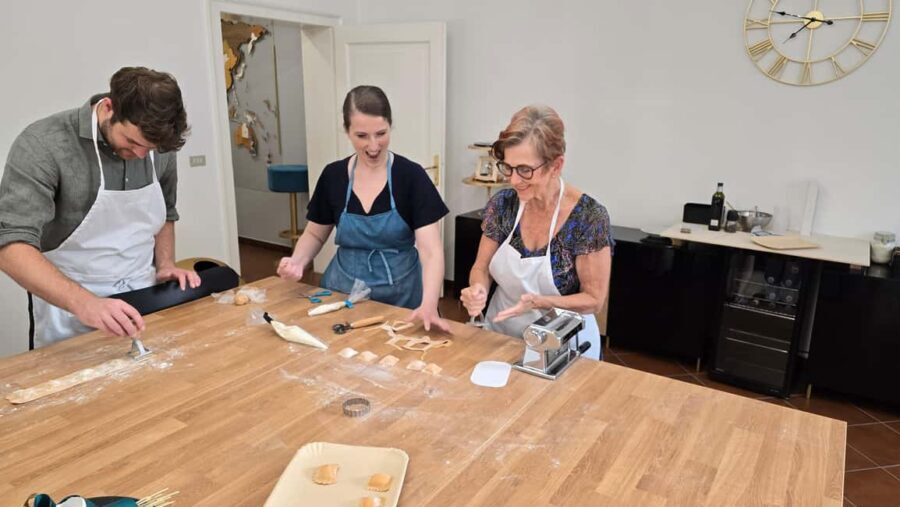
This experience lasts 4 hours, and starting times depend on availability. Plan your evening like a proper dinner plan, not like a quick stop. If you’re juggling multiple activities, give this one room to breathe.
Bring two things that are actually helpful:
- an appetite (you’ll eat what you make),
- and a camera or phone for the moment you’re holding fresh pasta and posing at the table.
Since everything revolves around cooking, it’s smart to wear comfortable clothes you don’t mind getting a little flour on. Fresh pasta nights rarely stay fully clean.
Who Should Book This Pasta Night in Verona
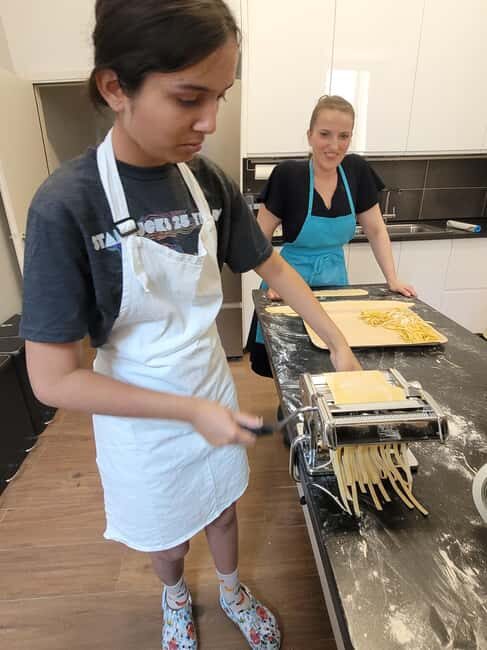
This class is a great fit if you:
- want a memorable, interactive evening instead of another museum stop,
- like cooking and want a foundation you can repeat at home,
- enjoy small-group experiences in the city center,
- and want dinner to be part of the learning, not an afterthought.
It may be less ideal if you:
- hate spending 4 hours in a kitchen setting,
- are looking for a fast in-and-out food tasting,
- or want a guided tour of Verona’s sights during the same time window.
Should You Book This Verona Pasta Making Class?
If you want an authentic-feeling dinner where you actually cook, I’d say yes. The combination of fresh pasta dough practice, learning shapes like tagliatelle and ravioli, picking up sauce technique, and ending with a full three-course meal is exactly how you turn travel into a skill you keep.
Book it if you can commit to a full evening. Skip it if you’re only shopping for short food bites or you’re trying to pack your night with sightseeing.
FAQ
FAQ
Where does the experience start and end?
You’ll meet at Palazzo Balladoro in the heart of Verona, close to Castelvecchio and about a short walk from the Arena. The class ends back at the meeting point.
How long is the pasta making class?
The experience lasts 4 hours.
What will I make during the class?
You’ll make homemade Tagliatelle and Ravioli and learn about other classic cuts and styles of pasta, including decorated and colored pasta.
Is this class for beginners?
The experience is described as hands-on with clear instructions and options for different abilities, so it can work well even if you’re new to pasta making.
What language is the instruction offered in?
The instructor teaches in English and Italian.
What’s included with the ticket price?
Included are the hands-on cooking class, a three-course meal, unlimited water (sparkling and still), a glass of regional wine, and recipes and tips to make pasta at home.
Is there a wine pairing with dinner?
Yes. Dinner includes a glass of special regional wine produced by a small company.
Is there free cancellation?
Yes, you can cancel up to 24 hours in advance for a full refund.