REVIEW · VERONA
Verona: the Arena at the Gladiators’ time
Book on GetYourGuide →Operated by Fabio Massimo Rapanà · Bookable on GetYourGuide
An ancient fight pit, still in use. Verona’s Arena tour is a guided walk that helps you read this Roman landmark like a living machine, not just a photo backdrop. You’ll cover the outside corners, then step into the internal corridors and archways built to move crowds fast.
What I really like is the way the guide points out evolution and design details you’d miss on your own. You’ll learn how the Arena relates to the town and how its access facilities fit the bigger urban picture. The other big win is the story side: gladiator-era anecdotes tied to evidence found locally, so the talk stays grounded rather than vague.
One heads-up: you’ll need an entrance ticket (not included), and the tour isn’t suitable for wheelchair users, since it involves walking inside the amphitheater.
In This Review
- Key points to know before you go
- From Palazzo Barbieri to the Arena’s Square Face
- Reading the Arena’s Shape: Bra Gardens Views and Original Scale
- The Wing and the Inside Plan: Corridors, Archways, and Vomitoria
- Where Gladiators and Wild Beasts Fit Into the Story
- Finishing in a Hidden Corner: Free Time With Better Focus
- Price, Time, and Value for Verona Arena Design Lovers
- Who Should Book This Tour (and Who Might Skip It)
- Should You Book Verona: the Arena at the Gladiators’ Time?
- FAQ
- How long is the Arena at the Gladiators’ time tour?
- Where do I meet, and where does the tour end?
- Do I need an entrance ticket for the Arena?
- How much are the Arena entrance tickets?
- What languages is the guide available in?
- Is the tour wheelchair accessible?
Key points to know before you go
- Start at Palazzo Barbieri under the Italian flag, then orient yourself quickly in the square
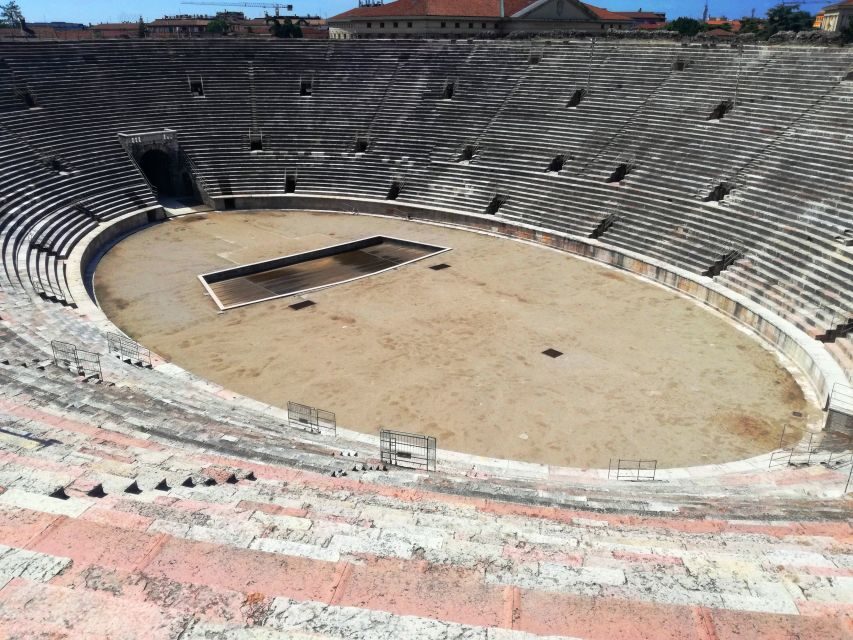
- See the Arena’s original scale from the Bra Gardens side before you enter
- Learn the access system linking external gates to the internal vomitoria
- Walk the corridors and archways where gladiators and wild-beast keeping were part of the plan
- Finish in a more hidden corner, with free time to linger on your own
- Private group up to 8 means you get real back-and-forth, not a lecture with no questions
From Palazzo Barbieri to the Arena’s Square Face
The tour starts in a very Verona spot: Palazzo Barbieri (Comune di Verona), meeting the guide just under the Italian flag. This matters more than it sounds. Instead of showing up at a ticket window and rushing in, you start where the city’s layout makes sense, and the guide can point out the Arena’s relationship to the urban fabric right away.
From there, you’ll move through the square with your certified local guide. The pace is calm and story-led. Think: enough walking to get your bearings, not so fast that you’re stuck looking at the ground. There’s even a quick photo stop early on, so you can grab a baseline view before the explanation starts to make that view click.
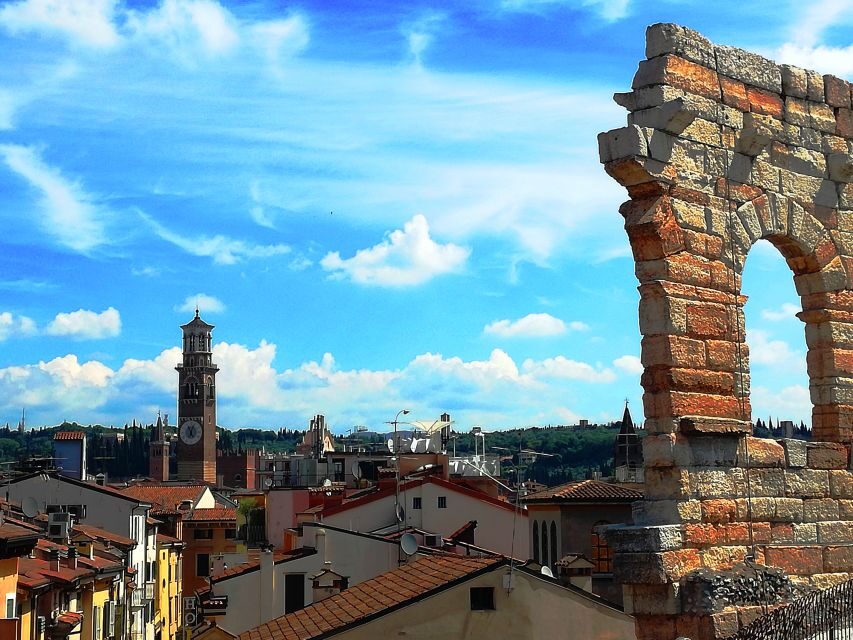
Your first moments are focused on shape and positioning. You’ll head toward the northern part of the square, looking into the shadow of the Bra Gardens. That angle is useful. It helps you read the amphitheater as a structure that was built to fit into real city life, with entrances, streets, and sightlines all tied together.
One practical tip: bring your camera, but don’t burn all your time photographing right away. The best photos usually come after you understand what you’re seeing. Here, the guide essentially gives you the captions before you take the shots.
You can also read our reviews of more tours and experiences in Verona.
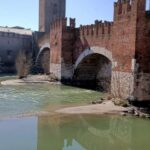
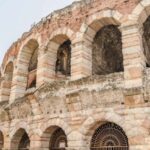
Reading the Arena’s Shape: Bra Gardens Views and Original Scale
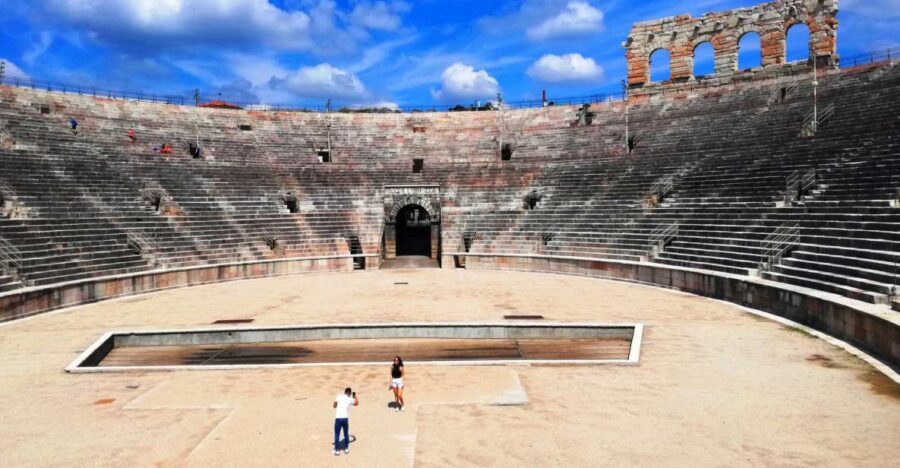
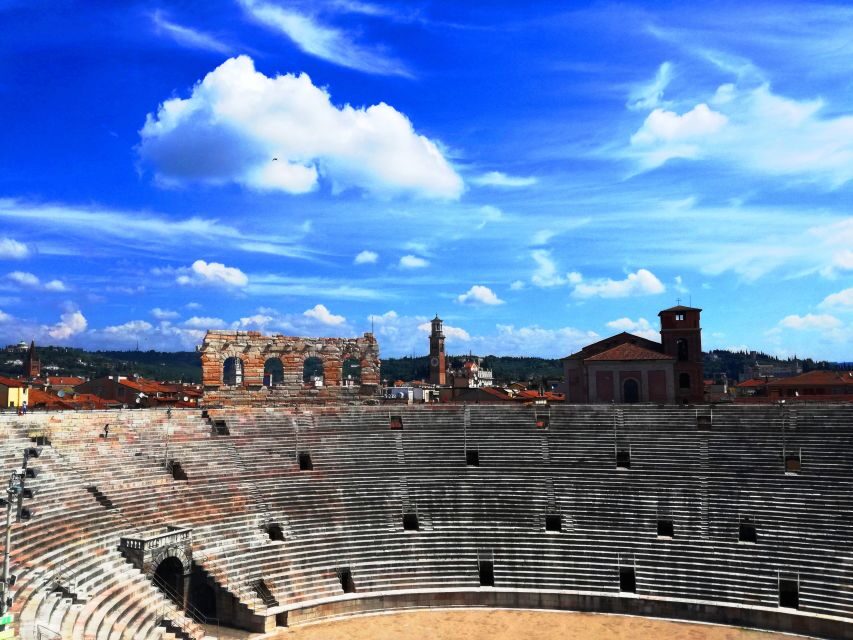
Once you’re in the Bra Gardens shadow, the tour turns into a design lesson. You’ll carefully observe the amphitheater’s shape and start spotting details that change how you picture it. It’s not just “a big oval.” You begin to understand what parts were built for movement, crowd control, and performance staging.
This is where the tour earns its ticket. If you only enter the Arena and skip the outside explanation, you’ll miss the logic of the place. The guide specifically focuses on:
- the Arena’s original size
- its relationship with the town
- the complex articulation of access facilities
That last phrase is your clue for what you’re going to see next. Roman buildings like this weren’t only impressive. They had to work under pressure. A stadium that fails to control entrances doesn’t just look bad—it becomes unsafe and chaotic. So when you later walk corridors and see the internal pathways, it will feel like you’re following a map you were already shown.
There are also brief in-between moments that keep the tour from feeling like one long lecture. You’ll pause more than once for photo stops and short on-foot segments. That structure helps your brain switch from visual mode to narrative mode and back again.
The Wing and the Inside Plan: Corridors, Archways, and Vomitoria
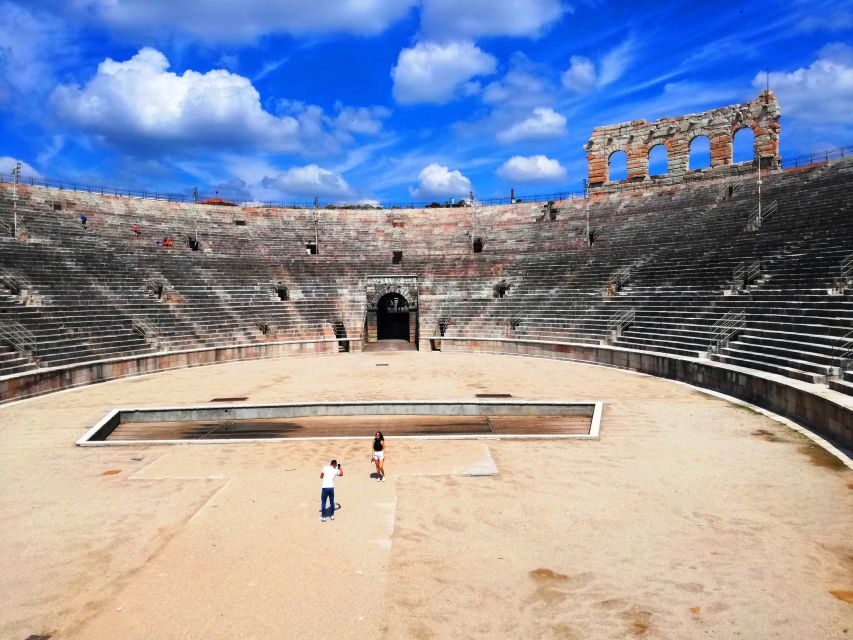
After the outside orientation, you’ll move toward the wing, where you can spot other unexpected details in the shade. This is a smart way to tour, especially in warm months. You get a break while still staying close to the building’s most telling edges.
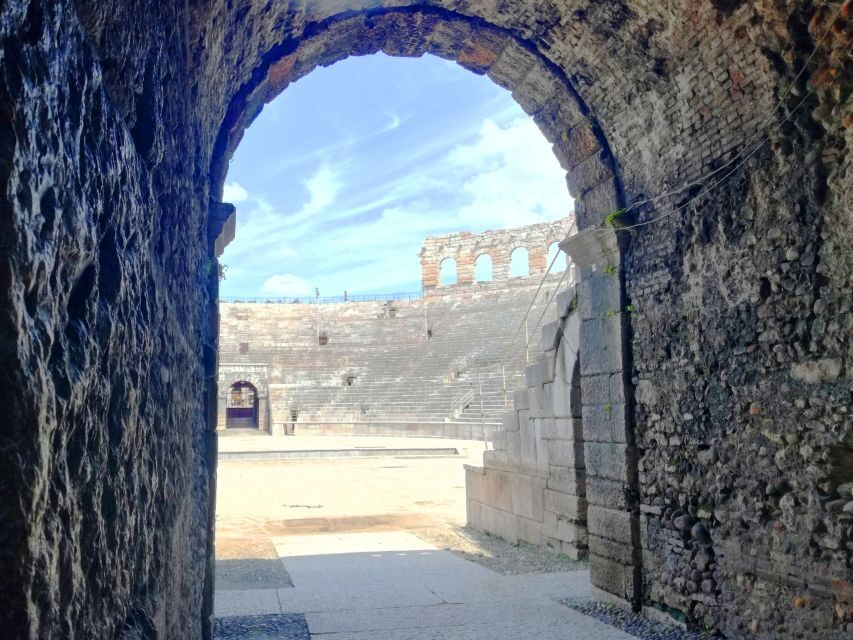
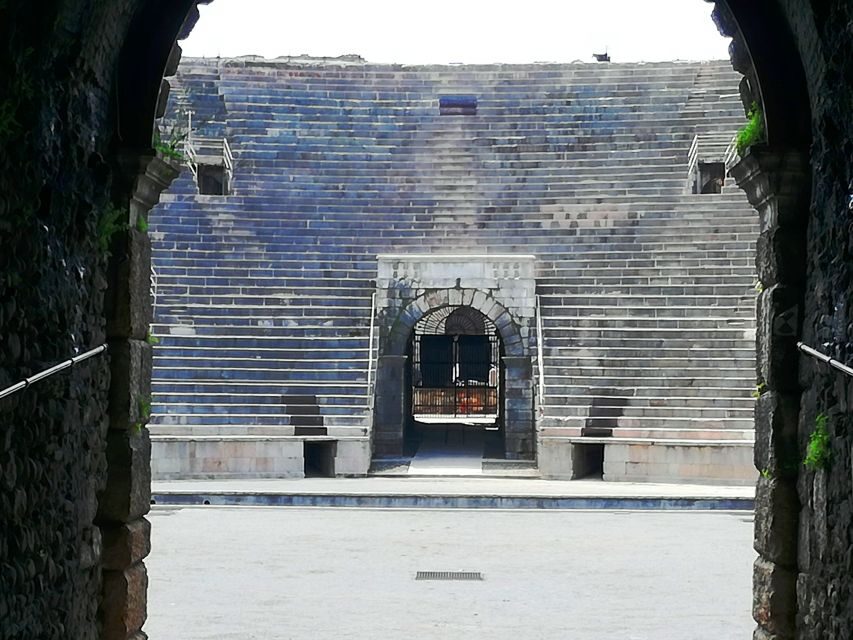
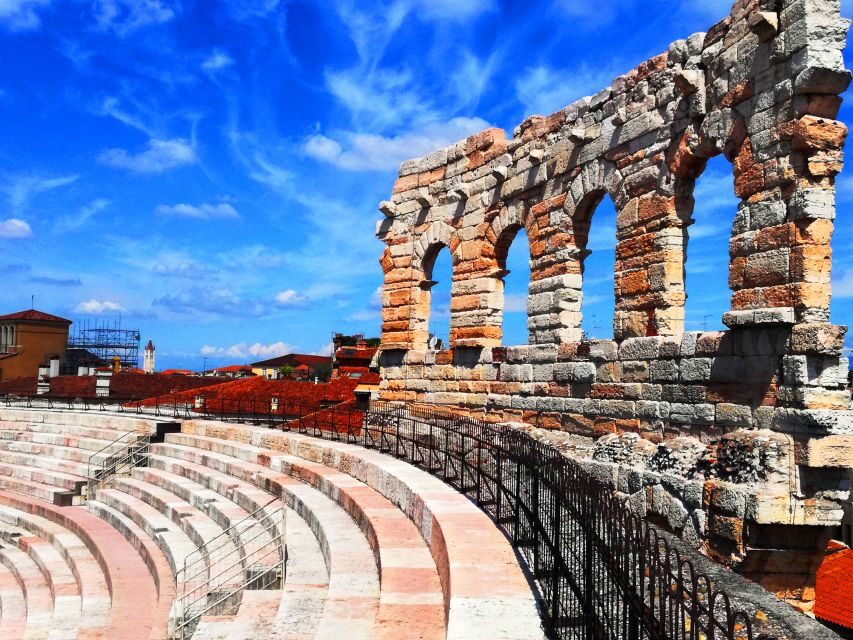
Then you enter the amphitheater and walk along its corridors and archways. This isn’t a passive viewing tour. Your guide leads you through the ingenuity of the system that connects the outside gates to the internal vomitoria.
Vomitoria can sound mysterious. The guide makes it practical: these are the pathways designed to deliver large crowds from entrances to seating zones efficiently. Once you’ve walked the corridors and seen the archways, you start to grasp how the building handles flow. It’s like watching the plumbing of a giant performance machine.
Here’s what I find valuable for you as a visitor: you stop treating the Arena like a frozen ruin. You start treating it like a working layout. When you recognize access logic, you also notice tiny features more clearly—angles of passages, transitions between spaces, and where lines of movement likely began and ended.
Expect plenty of stops where the guide points to exact structural elements. The tour is described as being guided both inside and outside, and you can feel that balance. You’re not trapped in one room. You’re moving through the Arena the way the architecture intended.
Where Gladiators and Wild Beasts Fit Into the Story
Inside, the tour shifts from movement mechanics to role-based spaces. You’ll discover the places frequented by gladiators and areas used to house wild beasts. The key here is that your guide connects what you see to the purpose behind it.
This is one of the most praised parts of the experience, and it makes sense. Gladiator history can easily turn into generic storytelling. In this tour, the anecdotes are tied to the world of games and supported by evidence located locally. That combination keeps the talk from drifting into fantasy.
The guide also helps you picture the Arena as Romans would have experienced it, not just as a modern museum. That’s why the tour encourages you to think like a spectator. There’s even a moment where you might forget to stay on the sidelines and instead do the more natural thing: take a seat on the stonesteps.
When you sit there, even briefly, you feel the scale and how the seating interacts with sightlines and movement. You also get a better sense of where the action likely drew attention, and how sound and crowd energy would have carried in a space like this.
If you come with kids, this part tends to land well because it translates stone into characters. And if you’re traveling solo or as a couple, it still works because you’re not just reading about gladiators—you’re standing in the architecture that made gladiator events possible.
Finishing in a Hidden Corner: Free Time With Better Focus
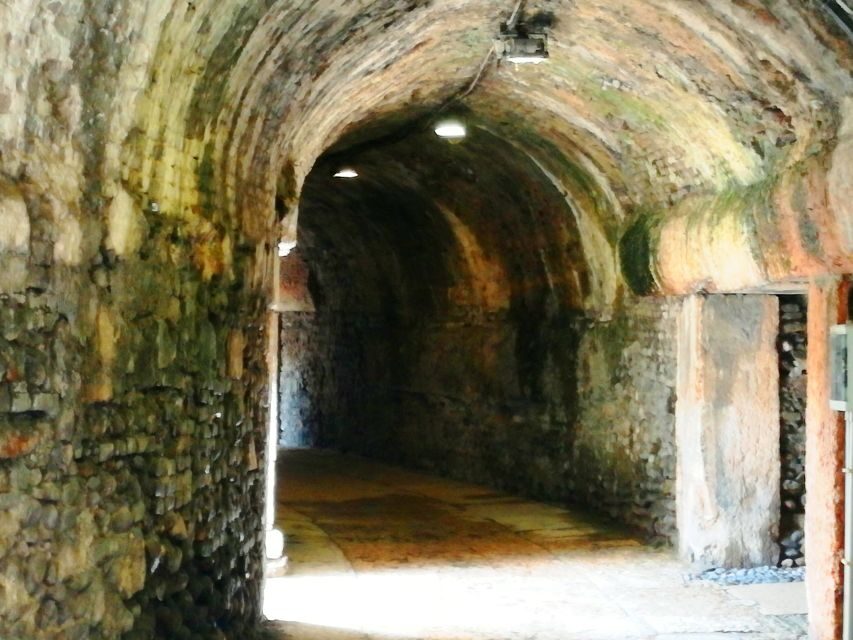
The tour ends in a more hidden and evocative part of the amphitheater, and then you get free time to stay as long as you wish. That ending is a smart design choice. After you’ve learned the building’s routes and roles, you’re ready to slow down.
This last area can feel like a different perspective on the same space. You’ll notice textures, shadows, and the way the corridors frame views in a way that feels less touristic and more lived-in.
Your practical win here is timing. You don’t finish right when you’re just starting to understand the place. You finish after you’ve toured the entrances and internal passageways, so you can use your extra time to revisit what mattered most to you—whether that’s the seating, a specific corridor, or the last angle where the structure clicks into place.
And yes, there’s something satisfying about ending with your own time. You can do what the Romans couldn’t: pause without needing to get a crowd moving. You can stand, take photos, and absorb the Arena at your own pace.

Price, Time, and Value for Verona Arena Design Lovers
The tour price is listed as $159 per group up to 8 for a total duration of about 1 hour (start times vary). That might sound steep until you factor in what you’re actually buying: a guide who helps you decode the Arena’s design, not just a walk past it.
Also, the guided portion includes both inside and outside coverage, plus the guided pathway through corridors and archways. That level of interpretation is exactly where private-group tours tend to outperform self-guided routes.
But do plan for the separate entrance ticket requirement. Tickets are €12 for adults, €9 for those over 65, €3 for people aged 18–25, and free for minors and Veronacard holders. There’s also a special pricing rule for the first Sunday of the month between November and March. The guide can help you with tickets if you need help on the spot, and the activity includes skip the ticket line.
So where’s the value?
- If you like architecture and want to understand how the Arena worked, the guided design explanation saves you from confusion.
- If you only care about a quick photo, you might feel the time is tight. This tour rewards attention more than speed.
One more note: this experience is not suitable for wheelchair users, since the tour involves walking through areas inside the amphitheater.
Who Should Book This Tour (and Who Might Skip It)
This is a strong fit if you:
- want to understand how the Arena functioned for games
- enjoy guided storytelling anchored to real details
- like tours that are structured but not rushed (short outside orientation, then a deeper inside walk)
It’s also ideal for families, because the gladiator world is explained in a way that keeps different ages interested. And if you’re doing other Verona walks, this one pairs well with a general orientation tour first, because the Arena tour relies on you having a sense of where you are in the city.
If you dislike guided time limits or you only want the broadest overview, you might prefer a self-paced visit. The reason: this is designed as a focused hour plus a bit of free time inside.
Should You Book Verona: the Arena at the Gladiators’ Time?
If you’re the type of traveler who likes to know why a place was built the way it was, book it. The biggest advantage is not the Arena itself—you can always see that. The advantage is having the access routes, seating logic, and gladiator-game spaces explained while you’re standing in them.
I’d skip it only if you don’t want to buy a separate ticket and you’re expecting a totally casual stroll. For most visitors, though, the blend of design reading + gladiator-era stories is exactly what makes the Arena feel more alive than it does from the outside.
FAQ
How long is the Arena at the Gladiators’ time tour?
The guided experience is about 1 hour, with start times varying. You’ll also have free time at the end inside the amphitheater.
Where do I meet, and where does the tour end?
Meet your guide in front of Palazzo Barbieri – Comune di Verona, just underneath the Italian flag. The tour ends back at the meeting point.
Do I need an entrance ticket for the Arena?
Yes. Entrance tickets are required and are not included in the tour price. The guide can help you purchase tickets if needed.
How much are the Arena entrance tickets?
For 2024, tickets are €12 for adults, €9 for those over 60, €3 for EU citizens aged between 18 and 25, and free for minors and Veronacard holders. On the first Sunday of the month between November and March, tickets are €1.
What languages is the guide available in?
The live tour guide is offered in Italian, German, English, and Spanish.
Is the tour wheelchair accessible?
No. This activity is not suitable for wheelchair users.