REVIEW · VERONA
Homemade Gelato Making Class in Verona
Book on Viator →Operated by Ways · Bookable on Viator
Verona tastes better with your hands in it. This hands-on gelato class puts you in a working kitchen where an Italian chef guides you through making gelato and sorbetto from scratch, and then gives you a recipe book so you can try it again at home. It is a very practical way to understand what makes Italian-style ice cream taste so clean and intense.
I also like how the teaching stays easy to follow for both kids and adults. Instructors such as Silvia, Laura, Andrea, Max, and Cristina have led classes with a step-by-step pace, and the setup keeps everyone involved. One possible drawback: there is no hotel pickup, so you’ll need to reach Via Teatro Ristori, 7 on your own, and if you want a very advanced, lab-style workshop, the hands-on basics may feel a bit straightforward.
Key takeaways before you go
- Small-group class (max 12) means more attention while you mix, churn, and taste
- Gelato + sorbetto + semifreddo in one session gives you real variety
- Chef-led technique includes things like churning and egg pasteurization
- Seasonal ingredient focus helps you taste the difference between good and great
- Crazy-sounding toppings that work like olive oil, balsamic, mint, and peppercorn
In This Review
- Where You Start: Via Teatro Ristori and a No-Fuss Arrival
- What You Actually Make: Gelato, Sorbetto, and Semifreddo
- Gelato and Sorbetto Techniques You Can Use at Home
- The Flavor Lesson: How Italy Builds Taste (Not Just Sweetness)
- Toppings That Sound Wrong but Taste Right
- A Kitchen That Feels Professional, Not Pretend
- Price and Value: Is $83.48 Worth It?
- Best Time to Go: Why 3:30 pm Works Well
- Who This Class Suits (and Who Might Want Something Different)
- Quick Practical Tips Before You Book
- Should You Book the Verona Homemade Gelato Class?
- FAQ
- What language is the class offered in?
- How long is the gelato making class in Verona?
- What desserts are included?
- What’s included in the price?
- Where do I meet, and what time does it start?
- Do they accommodate allergies or intolerances?
Where You Start: Via Teatro Ristori and a No-Fuss Arrival
The class begins at Via Teatro Ristori, 7 (37122 Verona). That matters because you’re not waiting around for a pickup. You show up, check in, and you’re quickly moved into the kitchen where you’ll work. The meeting point is near public transportation, which is handy in Verona, where taxis can be a hassle at peak times.
Timing is simple: it starts at 3:30 pm and runs about 2 hours. Afternoon is a great slot here. You get a break from sightseeing heat, you avoid the late-night “we’re too tired to learn” problem, and you end with something that tastes like you earned it.
The practical vibe is part of the value. This isn’t a passive show. You’ll wear an apron, handle ingredients, and taste what you make—so plan to arrive ready to get a little messy.
What You Actually Make: Gelato, Sorbetto, and Semifreddo
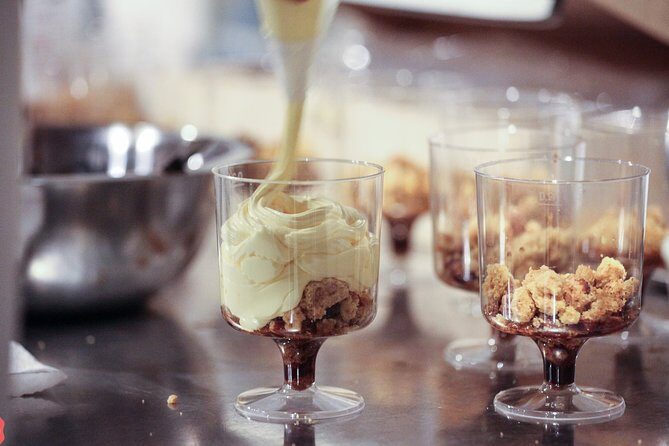
You’re not just learning one flavor or one style. You make a set of frozen desserts, including:
- Gelato (multiple steps from base to freezing)
- Sorbetto (fruit-forward and lighter, with its own technique)
- Semifreddo (a creamy, frozen dessert made with seasonal fruit and cream)
The big win is that you learn how the methods change with the dessert. Gelato is about balance and texture—how much air ends up in the mix, how flavors hold up after freezing, and how you treat the base. Sorbetto is different: it leans on fruit character and sweetness, with less of that egg-cream richness (when eggs are part of the approach, they’re handled via egg pasteurization, which the class includes). Semifreddo adds yet another texture lesson, since it’s a frozen dessert built to stay creamy rather than hard.
And yes, you get to eat what you make. The tasting is built into the experience, not tacked on as a little sample. By the end, you’re full of gelato you personally helped create.
You can also read our reviews of more cooking classes in Verona


Gelato and Sorbetto Techniques You Can Use at Home
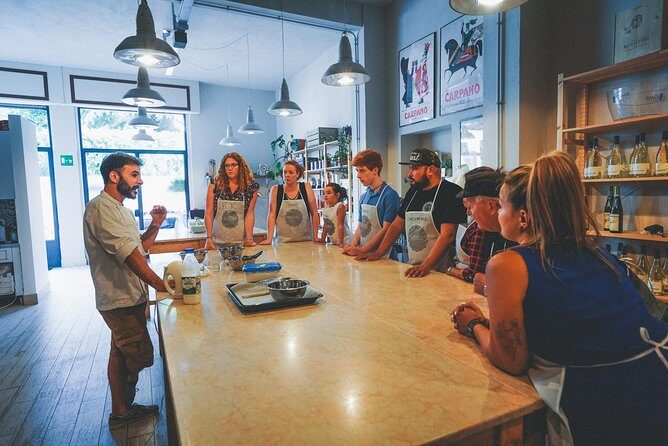
A chef teaches alongside you, which is how you get the key details right. You follow steps as you go, instead of getting lost in a recipe you read once and forget. The class also covers the reasons behind the technique, like how ingredient choice affects flavor strength after freezing.
A few methods that are specifically mentioned as part of what you’ll learn:
- Churning: how the mix is processed so it freezes into the right texture
- Egg pasteurization: a technique used when a recipe needs egg-based structure
- Ingredient prep for seasonal fruits, spices, and other add-ins: not just pouring everything together and hoping
This is what makes the recipe book genuinely useful. You’re not copying measurements out of a booklet like it’s homework. You’re building mental pictures: when a base looks right, what changes after mixing, and what you taste during the process so you can adjust next time.
Also, you’ll get tips and suggestions on basic gelato and sorbetto technique—exactly the kind of guidance that keeps homemade ice cream from ending up icy or bland.
The Flavor Lesson: How Italy Builds Taste (Not Just Sweetness)
Gelato in Italy is not only sweet. It tastes like ingredients. In class, the chef pushes you to think about selection and pairing, not just ratios.
You’ll practice building flavor from the ground up by prepping fruits and seasonal ingredients, then mixing and following the recipe through to the art part: turning it into something ready to freeze. You also receive guidance on choosing ingredients that make a perfect, super tasty gelato.
This focus is one of the most practical parts for your next meal back at home. If you’ve ever made dessert and thought, it tastes fine warm, but then it disappears when it freezes, this class teaches you why. You learn to aim for flavor intensity and balance before the dessert goes into the freezer.
Toppings That Sound Wrong but Taste Right
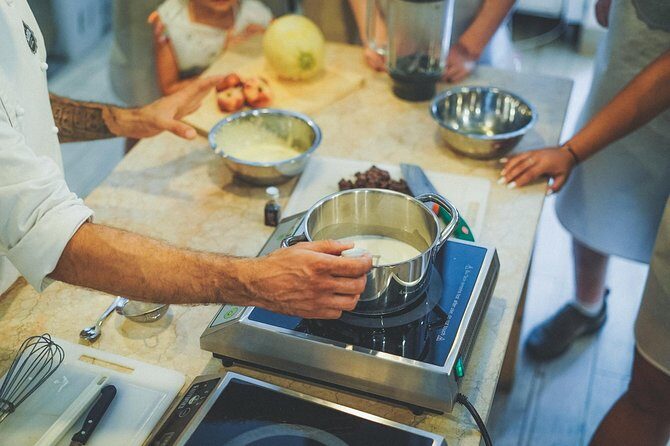
The tasting part is where the class turns into a memory. You don’t just eat plain gelato. You try it with different condiments and topping flavors, including some that surprise you in a good way.
From past classes, people have been offered add-ins and pairings such as:
- olive oil
- balsamic vinegar
- mint
- peppercorn
- and other flavor pairings that are more adventurous than what most people try on their own
This is a real lesson, not a gimmick. You start understanding how fat, acidity, and spice interact with cold dairy and fruit. You might think balsamic would be too sharp, then realize it balances sweetness. You might assume olive oil would be too savory, then taste how it can make chocolate or pistachio feel deeper.
If you like food that challenges your taste buds a little, you’ll love this part. If you prefer plain desserts only, you can still enjoy the gelato making, but the topping experiments are part of the fun.
A Kitchen That Feels Professional, Not Pretend
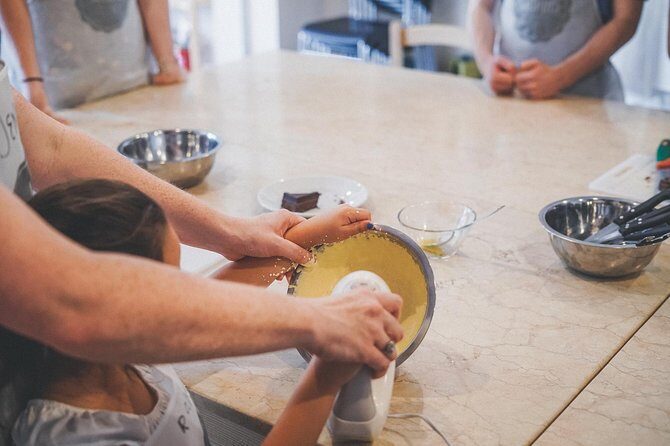
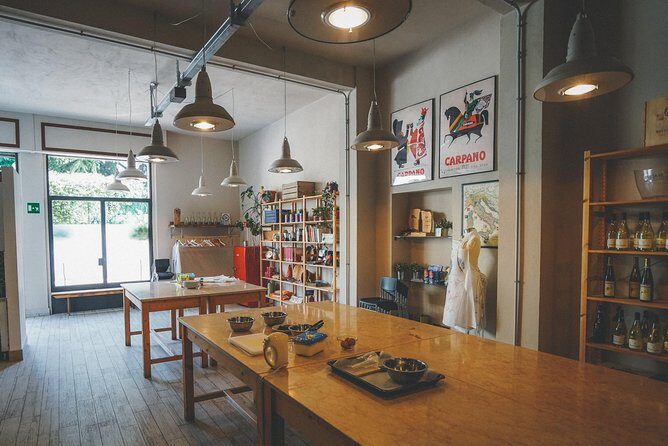
The class takes place in a cozy, professional kitchen. You’ll feel the difference right away: clean workspace, real tools, and instruction that matches what a home cook actually needs.
One of the best details is the small size. With a maximum of 12 participants, the chef can check on your process, answer questions, and keep everyone moving. That matters for hands-on cooking, because one stuck step can throw off the whole group timeline.
You’ll also get a recipe book, an apron, and ingredients included. So you’re not paying extra for supplies you didn’t plan on. You just pay for the experience and the food education.
And you can bring kids. It’s described as kid-friendly, and multiple families have done it with young children. The class is set up so kids can participate and still have a fun end result.
You can also read our reviews of more tours and experiences in Verona




Price and Value: Is $83.48 Worth It?
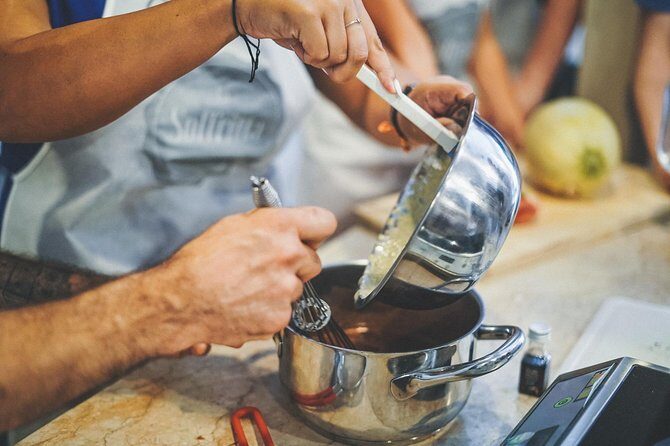
At $83.48 per person for about 2 hours, this costs more than grabbing a gelato walk. But this is not a gelato flight. You’re paying for:
- a professional chef’s step-by-step teaching
- ingredients
- use of apron
- the recipe book
- and the food itself (gelato and semifreddo, plus sorbetto taught as part of the process)
The value shows up if you care about learning. If you just want a sweet snack, you’d be happier elsewhere. If you want a skill you can repeat, plus a tasting experience that teaches you how flavors work, it starts to make sense fast.
The other value point is time. Two hours is short enough to fit into an itinerary, but long enough to feel like you actually did something. You’re not spending half a day on a cooking class and then forgetting half the instructions by dinner.
One small consideration: there’s no hotel pickup or drop-off. That can add the cost of a taxi or time walking, depending on where you’re staying.
Best Time to Go: Why 3:30 pm Works Well
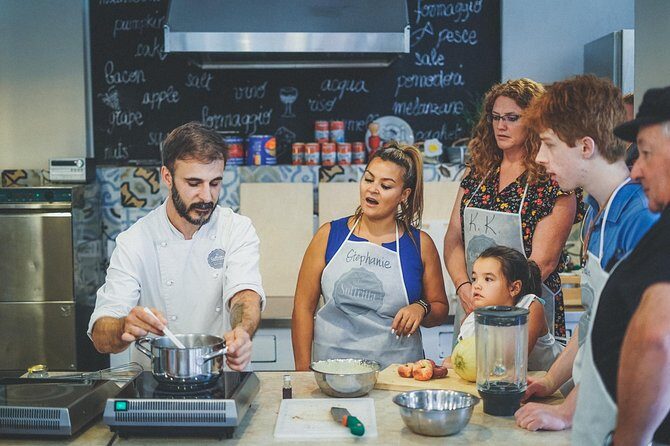
Starting at 3:30 pm is a sweet spot. It lets you:
- keep your morning flexible for museums or churches
- avoid a late dinner that turns into a sugar crash
- still have time after class to wander Verona without feeling rushed
It also helps for families. Kids often do better with a mid-afternoon activity than a late evening one. And because the class runs rain or shine, you don’t lose the plan when the weather turns.
If you are sensitive to schedule changes, note that the experience can’t guarantee a full refund in every bad-storm scenario. The provider says they’ll examine each case and act accordingly, so it’s smart to plan with a bit of flexibility.
Who This Class Suits (and Who Might Want Something Different)
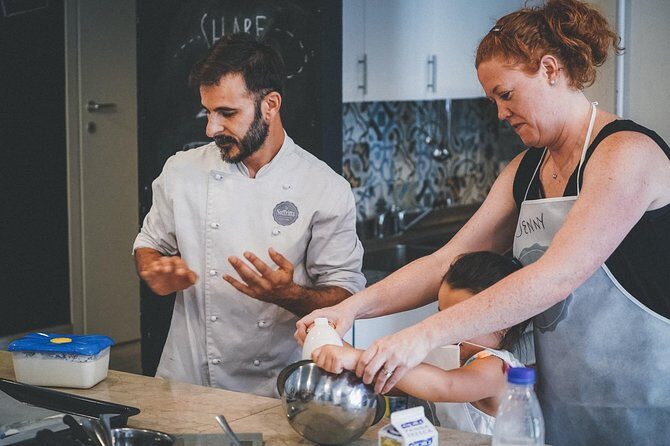
This class is a great match if you:
- love gelato and want to understand what’s behind the taste
- want a hands-on cooking activity instead of a food tour with lots of standing
- are traveling as a family and want something kids can genuinely join
- want a recipe book with techniques you can use right away
It’s also a good option if you like playful food experiments. The toppings lesson alone can make you rethink what belongs on frozen desserts.
You might consider skipping this class if:
- you want a deep, advanced technical workshop with advanced theory
- you only want to eat dessert and don’t care about learning method
- you are trying to minimize time and cost, since the price is higher than casual gelato
Quick Practical Tips Before You Book
A few small moves will make your class smoother:
- Eat lightly beforehand, not heavily. After mixing and tasting, you’ll likely be quite full.
- Bring an open mind about unusual toppings like balsamic and olive oil.
- If anyone in your group has food intolerance or an allergy, inform the provider in advance. You’ll want that handled before you arrive.
- If you’re traveling with a child underage customer, plan on an adult accompanying them, since underage participants must be accompanied.
Also, parts of the experience may not be easy for people with reduced mobility, so it’s smart to contact the provider if accessibility is a concern.
Should You Book the Verona Homemade Gelato Class?
I think you should book it if you want more than a scoop. This is a skill-building, chef-led session that ends with real food you made: gelato, sorbetto techniques, and semifreddo. The small-group size helps you learn faster, and the toppings lesson turns into a memorable taste experiment.
Skip it if you’re mainly chasing value for money as cheap entertainment. You’re paying for instruction, ingredients, and the recipe book. And if you want to sleep in and wander at your own pace, the no-pickup setup means you’ll need to handle the meeting point yourself.
If you can do the 3:30 pm start and you’re excited to learn how Italian gelato actually gets its texture and flavor, this class is a strong choice for Verona. It’s one of those activities that gives you something to do now—and a way to keep enjoying it long after you leave the city.
FAQ
What language is the class offered in?
The class is offered in English.
How long is the gelato making class in Verona?
It runs about 2 hours.
What desserts are included?
You learn to make gelato and sorbetto, and you also learn the traditional recipe for semifreddo. You’ll enjoy homemade desserts at the end of class.
What’s included in the price?
The price includes a professional chef, gelato, a recipe book, use of an apron, and ingredients.
Where do I meet, and what time does it start?
The meeting point is Via Teatro Ristori, 7, 37122 Verona, Italy. The start time is 3:30 pm, and it ends back at the meeting point.
Do they accommodate allergies or intolerances?
You can and should inform them of any food intolerance or allergy in advance. The tour is rain or shine, and it is not guaranteed a full refund in every adverse weather case, though the provider will review each situation.