REVIEW · VERONA
Verona: Digital Guide made by a Local for your walking tour
Book on GetYourGuide →Operated by Walking Cap · Bookable on GetYourGuide
Verona is easier when you control the pace. This self-guided walk uses a local digital audio guide to help you hit the city’s top monuments while hearing stories, legends, and practical food ideas. I especially like the Google Maps–linked route, which keeps you moving between stops without constantly guessing where to go. One thing to consider: you rely on a charged smartphone and an internet connection, and occasional audio or map hiccups can slow you down.
You’ll cover about 4.5 km, but the timing is flexible. You can linger at viewpoints, choose what to enter, and move on when you’re ready, which feels way more relaxed than the usual sprint-and-lineup tours. The price also stands up to scrutiny since you get monument tips, anecdotes, and audio in English, Italian, and Spanish for $7.
In This Review
- Key points to know before you go
- Digital guide vs. guided tour: what makes this one feel local
- Price and pace: what $7 really covers
- Getting started at Castelvecchio (or straight from the train)
- How the Google Maps route works in the real world
- Monument time: what “visit at your own pace” really means
- What you’ll learn along the route: history, legends, and weird curiosities
- The Duomo stop: why the audio + map pairing matters
- Food guidance: how the guide leads you to local-style meals
- Languages and listening style: English, Italian, and Spanish
- Walking logistics: 4.5 km is the target, not the rule
- Does it feel personal, or just scripted?
- Accessibility: wheelchair accessible, with digital help
- Value check: why this beats many “standard tour” formats
- Who this self-guided Verona walk fits best
- Should you book this Verona digital guide?
- FAQ
- How long is the Verona digital guide walking tour?
- What’s the walking distance?
- Where does the tour start?
- What do I need to use the tour?
- Is it self-guided or do I need to meet a guide?
- Are monument entrance fees included?
- What languages are available for the audio guide?
- Can I cancel, and is there a pay-later option?
Key points to know before you go
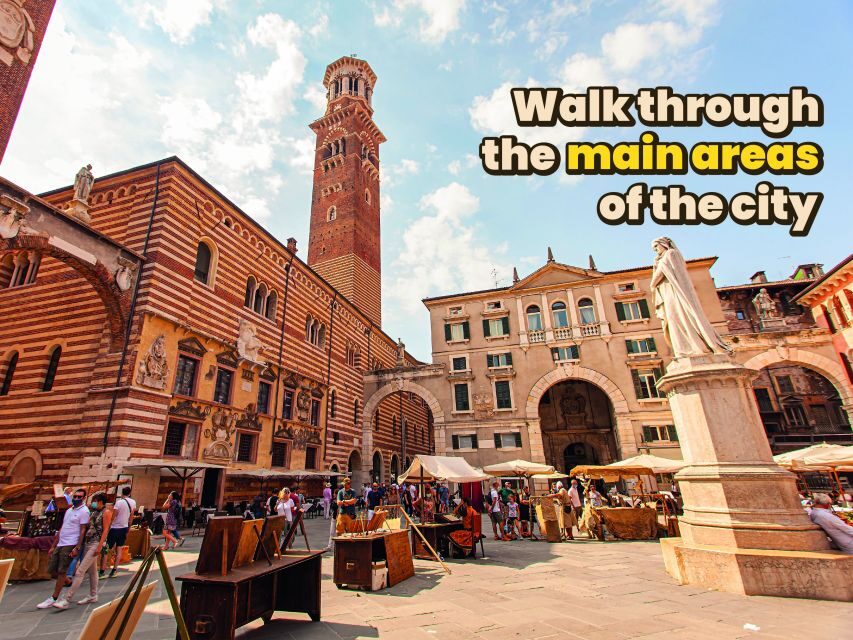
- Local-written audio: history, food, weird curiosities, and small legends told in a guided-but-not-pushy way
- Google Maps routing: each stop is tied to directions so you can navigate on foot with minimal friction
- Real autonomy: you choose how long to spend at each monument and can add or skip stops based on energy
- Food-first guidance: the guide includes where to eat plus typical dishes to look for
- Audio + text: the spoken info is backed up with typed details so you can reread when you want
- About 4.5 km of walking: doable for most people since it’s paced by you, not a group
Digital guide vs. guided tour: what makes this one feel local

I like the concept here because it’s not just a list of sights. The guide is built around what a lifelong local would notice: small anecdotes, legends, and odd little curiosities tied to monuments and streets you’d otherwise skim past.
The “local eyes” approach also matters for how you experience Verona. If you’re walking, you’re getting close to doorways, signage, street angles, and the way the center actually feels in real life. A good guide turns those tiny details into context, so you’re not just ticking boxes.
The practical upside is that you’re not locked into a rigid group schedule. You can stop for a photo, duck into a church when it’s open, or take a longer break near food spots without feeling like you’re holding everyone up.
You can also read our reviews of more walking tours in Verona

Price and pace: what $7 really covers
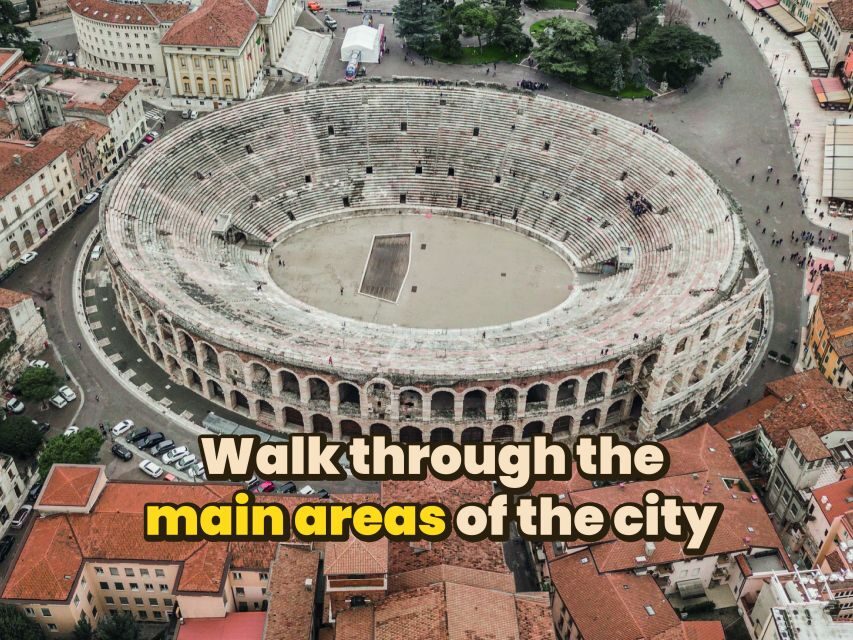
At $7 per person, this is the kind of add-on I’d call “high value” for Verona. You’re paying for a full self-guided experience that includes route help, audio narration in three languages, and recommendations for meals.
You should still go in with realistic expectations about a digital format. There’s no live guide to answer questions on the spot. Also, entrance fees are not included, so some top monuments may cost extra if you want to go inside.
The pacing, though, is genuinely worth the money. You walk about 4.5 km, and because you control the order and time spent, you can slow down when the streets get crowded or when something catches your eye.
Getting started at Castelvecchio (or straight from the train)
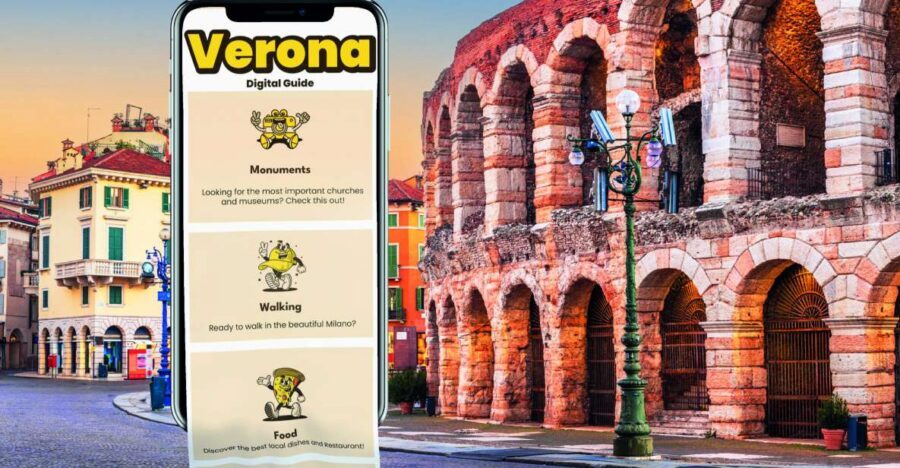
Your starting point depends on how you arrive. If you come by train, the tour starts from there. Otherwise, you can go directly to the Museo di Castelvecchio area.
That choice is more than convenience. Castelvecchio is a smart launch pad because it puts you near a major Verona landmark right away, and it keeps your morning (or afternoon) from feeling like wasted travel time. From your start point, the itinerary is connected with Google Maps, so you’re not stuck with a vague “walk toward the center” idea.
Once you buy, you get a link and password to start your experience. The tour is valid for 1 day, and it can be used for the duration of the booked day plus 2 extra days, which is useful if you want to finish later or adjust plans.
How the Google Maps route works in the real world
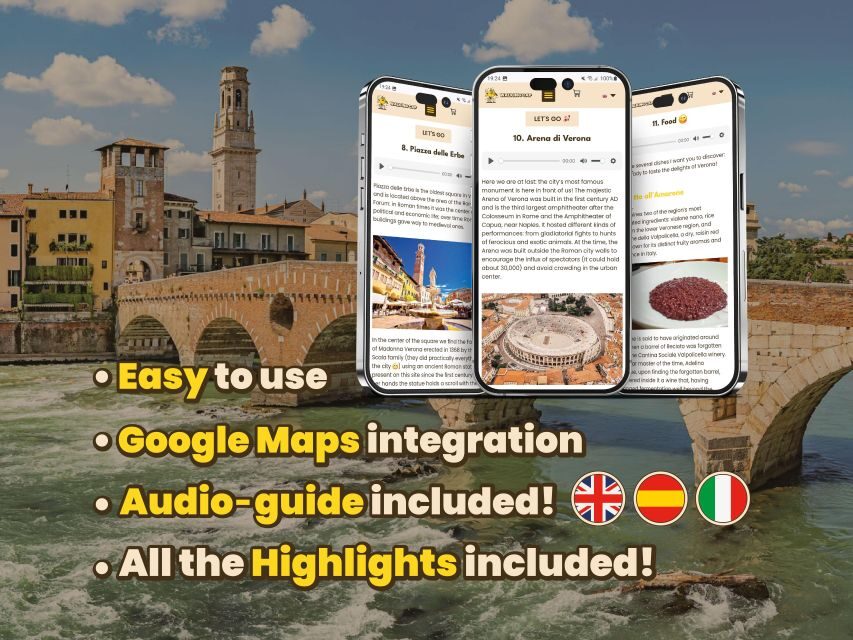
This guide ties the itinerary to Google Maps, and that’s one of its biggest practical strengths. Each sight has map links for walking directions, which helps you keep moving even if you’re tired or jet-lagged.
I’d still treat the links like they’re helpful, not magic. On a couple of occasions, the route links can take you somewhere unexpected, which can add an extra walk back to the right area. Your fix is simple: before you commit to a long walk, double-check that the destination pin matches what you’re aiming for.
If you run into that, don’t panic. You’re in Verona, not the middle of nowhere. Use your phone screen for a quick reality check, then correct course. The overall system is meant to keep you calm, not to trap you.
Monument time: what “visit at your own pace” really means
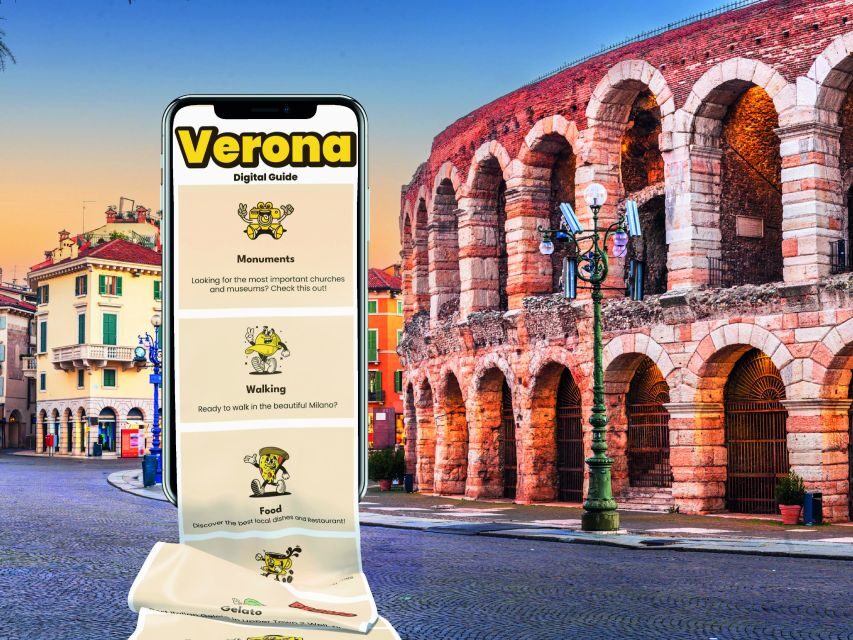
A key promise here is that you can explore at your own speed. During the tour, you can freely enter monuments, but entrance fees are not included. That means some places may be free to enter, while others might require tickets. Either way, you decide.
This is where the digital approach shines. Instead of rushing to avoid missing a speech, you can spend real time on the things that matter to you. If you’re the type who wants photos first and reading later, you can do that. If you like to read as you go, the typed information supports the audio.
Also, because you can spend as much time as you like at each visit, you can handle Verona’s rhythm. In peak times, you can linger where the crowd thins out and still keep your route moving.
You can also read our reviews of more guided tours in Verona



What you’ll learn along the route: history, legends, and weird curiosities
The content is the heart of this experience. The guide covers the main attractions and the most important monuments, then adds layers: trivia, legends, and little curiosities tied to specific places.
I like guides that explain why something looks the way it does, not just what it is. Here, you get stories and anecdotes that help you connect the city’s monuments to daily life, local habits, and the character of the streets around them.
One bonus is the humor. The tone is meant to feel human, not like a worksheet. Several people highlight that it sounds real and not like recycled encyclopedia copy, which matters because Verona can otherwise feel like a blur of famous names.
The Duomo stop: why the audio + map pairing matters

One part that specifically comes up is the Duomo area. The guide includes walking directions tied to that stop, and the audio narration supports what you’re seeing as you arrive.
That pairing is exactly why digital guides can work better than printed notes. When you’re standing in front of a monument, audio context helps you understand what you’re looking at. And the map link helps you avoid the common problem of wandering a little too far and realizing you’re not at the right street.
Since map links can occasionally misroute you, I recommend you verify the pin at the start of the walk. Once you’re in the correct area, use the audio to pace yourself rather than trying to read everything instantly.
Food guidance: how the guide leads you to local-style meals
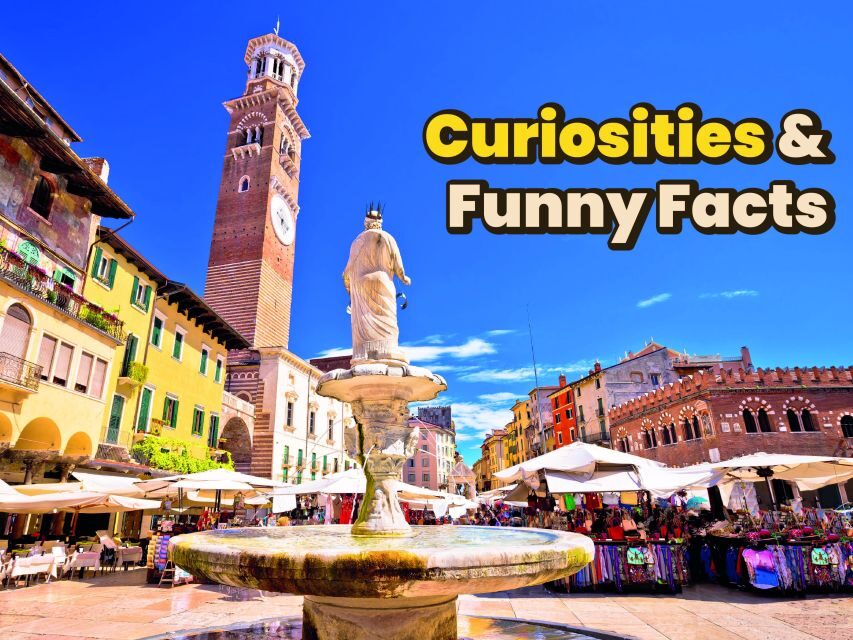
Verona is a food city, and this tour treats eating as part of the sightseeing, not an afterthought. The guide includes the typical dishes to look for and advice on where to eat with authentic food.
This is a big deal for self-guided travel. Without guidance, it’s easy to fall into tourist menus or places that are convenient but not memorable. Here, the guide gives you local-leaning restaurant suggestions, so your meals can feel like part of the Verona experience.
A practical way to use this: don’t just pick one restaurant and hope. Use the guide’s dish ideas to narrow down what you want, then choose a spot that matches your appetite and timing. That keeps the experience flexible while still steering you toward better choices.
Languages and listening style: English, Italian, and Spanish
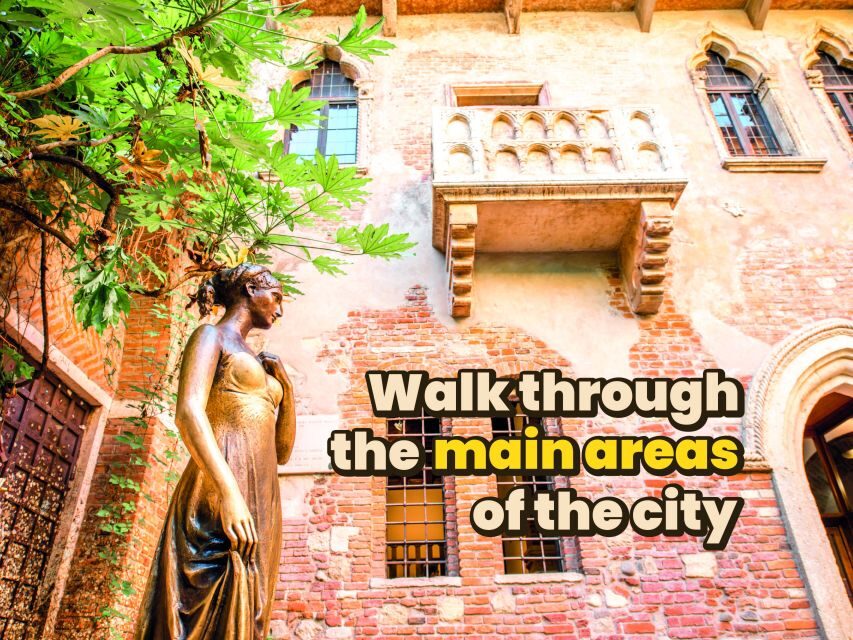
The audio guide is included in English, Italian, and Spanish. The narration is supported by typed information, which helps when you’re in a noisy piazza or when you want to reread a detail.
People also note the audio segments are usually brief. That’s not a flaw here. Short audio tracks are easier to handle while walking. You don’t have to pause your day to sit through a lecture, and you can repeat a section when you want.
If audio doesn’t start properly, you may need to reload the guide. This is part of the digital experience. It’s usually manageable, but it’s worth building in a little patience at the start of each major stop.
Walking logistics: 4.5 km is the target, not the rule
The walk is about 4.5 km, and it’s feasible regardless of athletic training. That’s good news for most visitors because Verona’s center is made for pedestrians, and this route is built around moving through streets rather than just viewing from a distance.
Still, plan for real-world Verona. Cobblestones and crowds can slow your pace. If you’re tired, lean into the flexibility: spend less time in some monuments, and use your energy where you care most.
Also bring a charged smartphone, because the tour relies on it. If your battery is low, you’ll feel it immediately when it’s time to follow map links or audio.
Does it feel personal, or just scripted?
One of the strongest themes in the positive feedback is how the guide avoids sounding like a copy-paste encyclopedia. The content comes across as funny, complete, and easy to use, while still feeling connected to the city.
That matters because Verona can be heavily promoted. A generic guide may tell you what every brochure already says. This one adds the kind of local context you can actually feel while walking.
And because you can move at your own pace, you get the best of both worlds: guided context without the pressure of a group schedule.
Accessibility: wheelchair accessible, with digital help
The activity is listed as wheelchair accessible. Since this is a digital self-guided walk, it’s smart to think about your own mobility needs and how the streets might affect your route. The best part for accessibility is that you can pause, slow down, or skip stops without waiting for anyone else.
Value check: why this beats many “standard tour” formats
A standard guided tour can be fun, but it often forces a one-size-fits-all rhythm. With this format, the value comes from three things you can feel during the day:
- You control time inside monuments and around viewpoints.
- You get audio and typed context so you’re not lost.
- The guide includes practical food suggestions so you’re not stuck searching hungry.
At $7, you’re not paying for a guide’s time. You’re paying for a well-built experience that makes self-guided walking easier and more meaningful. For many people, that’s exactly what they want in Verona.
Who this self-guided Verona walk fits best
This is ideal if you like to explore slowly and read as you go. It also fits you if you’re traveling with a flexible schedule, because the tour is valid for a day and can be used across the extra time window.
If you hate joining groups, this helps. You’re still walking the classic route, but you’re not trapped inside someone else’s timing.
It’s also a solid pick if you want the highlights without committing to a full-day guided program that includes entry tickets you might not use.
Should you book this Verona digital guide?
Book it if you want a low-cost way to experience Verona with local-style audio stories, practical map help, and real food guidance. It’s especially worth it if you prefer walking on your own terms and like short audio that stays out of your way.
Hold off if you know you’ll struggle with smartphone use, internet connectivity, or if you hate troubleshooting tech mid-walk. Since occasional map links can misdirect and audio may need a reload, you should be comfortable fixing small problems fast.
If you’re a “plan lightly and let the city lead” type, this hits the sweet spot.
FAQ
How long is the Verona digital guide walking tour?
The experience is valid for 1 day. Starting times depend on availability.
What’s the walking distance?
You’ll walk about 4.5 km, and it should be feasible without special athletic training since you set the pace.
Where does the tour start?
If you arrive by train, the tour starts from the train meeting point. Otherwise, you can start at Museo di Castelvecchio.
What do I need to use the tour?
You’ll need a smartphone and internet connection to access the digital guide.
Is it self-guided or do I need to meet a guide?
It’s self-guided. You’ll get a link and password to start your experience and follow the route on your own.
Are monument entrance fees included?
No. You can freely enter monuments, but entrance fees are not included.
What languages are available for the audio guide?
The audio guide is included in English, Italian, and Spanish.
Can I cancel, and is there a pay-later option?
Free cancellation is available up to 24 hours in advance for a full refund, and there is a reserve now & pay later option.