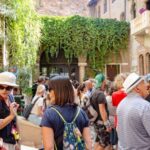
Verona makes more sense with a local guide. I love how the walk hits the headline stops like the Verona Arena and the main squares, and I also love that you get handed specific, practical context for what you’re seeing as you go. The guide isn’t just reciting dates; guides like Graziano and Sara are the type to adapt to your pace and even help you connect to your next plan.
This isn’t a long, slow “see everything” day, so you’ll cover a lot of ground in 2 hours, then move on to deeper exploration on your own. Also, entry tickets aren’t included, so if you want to go inside major churches or paid sights, you’ll be planning that separately.
In This Review
- Key things I’d plan around
- Verona on Foot: Why Two Hours Feels Just Right
- Piazza Bra to the Arena: First Impressions That Actually Matter
- Vicolo del Guasto and the Old Streets Feel Different Than the Squares
- Porta Borsari to Riva San Lorenzo: A Riverfront Reset
- Chiesa di San Giovanni in Foro: When Quiet Becomes Interesting
- Piazza delle Erbe and Piazza dei Signori: Two Squares With Different Personalities
- Basilica di Santa Anastasia: A Big Church Stop That Still Fits the Pace
- Romeo’s House, Juliet’s Balcony, and the Legend Filter
- Arche Scaligere and the Old Market Courtyard: Turning Legends Into Context
- Ponte Pietra: Your “Wait, That View Is Great” Moment
- Logistics, Group Size, and How Guides Keep It Moving
- Price and Value: What $38 Buys You (and What It Doesn’t)
- Who Should Book This Tour (and who should skip it)
- Should You Book This Verona Highlights and Hidden Gems Walking Tour?
Key things I’d plan around
- Start near Piazza Bra and then work your way through Roman to medieval Verona without getting lost.
- See the Arena area up close and get pointers on what’s worth your time later.
- Hit the major squares fast (Piazza delle Erbe and Piazza dei Signori), then contrast them with quieter streets.
- Basilica di Santa Anastasia is a highlight, and the guide tells you what to look for.
- Romeo’s House and the Scaliger tombs give you a nice mix of legend and real history.
- You’ll leave with a mini game plan for dinner and what to do after the tour, not just photos.
Verona on Foot: Why Two Hours Feels Just Right
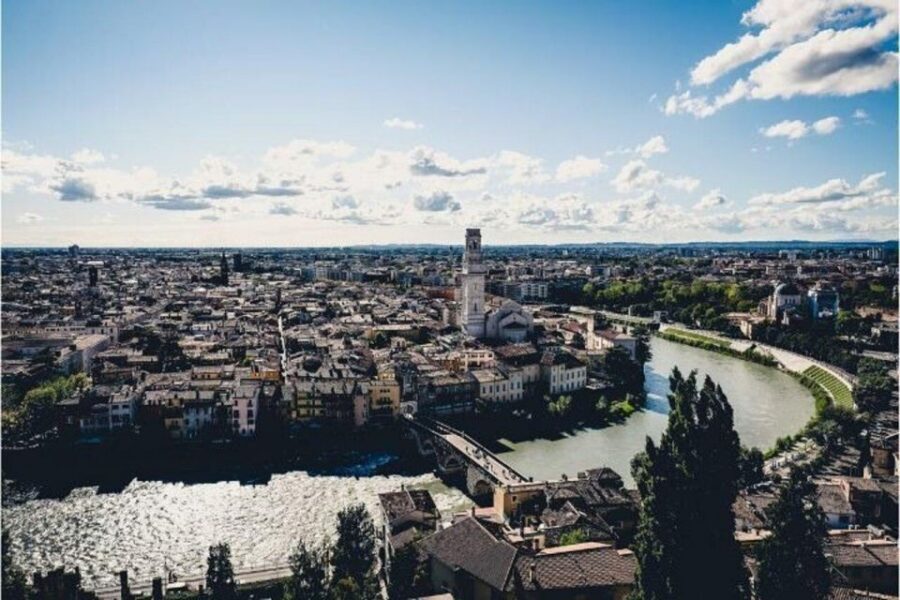
A walking tour like this works because Verona is compact and layered. You can see a Roman landmark feel, then switch to medieval streets, then end in the old-town core without spending your day on buses or taxis.
You’re paying $38 per person for a live guide and a structured route. For that price, the value is less about “getting through must-sees” and more about getting oriented fast. If you’ve only got a short time in town, this kind of guide-led sweep helps you decide what deserves your second visit.
The tour runs for about 2 hours, so build your expectations around a strong overview. You’ll get the feel of the city and lots of direction, but it’s not set up as a full-ticket, sit-down museum day. Bring comfortable shoes—Verona’s historic center is walkable, but it’s still mostly stone underfoot.
You can also read our reviews of more walking tours in Verona

Piazza Bra to the Arena: First Impressions That Actually Matter
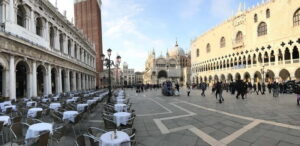
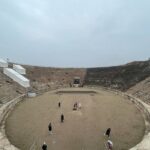
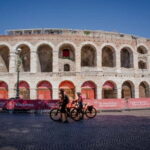
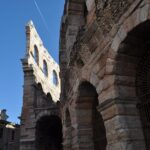
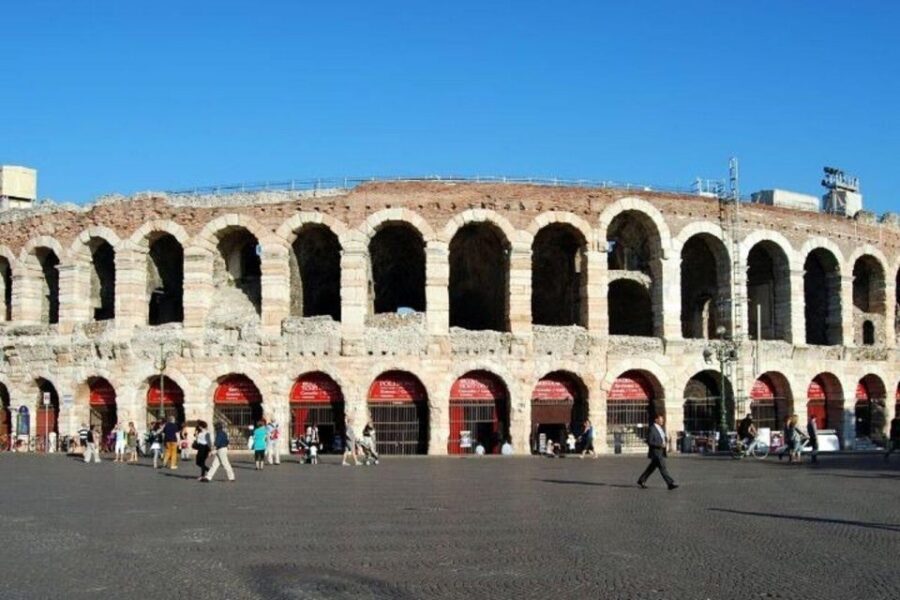
Most tours begin in the Piazza Bra area, and that’s a smart move. It’s a big open space where the city instantly shows you what it’s about. From there, you head toward the Verona Arena, one of the city’s best-known landmarks.
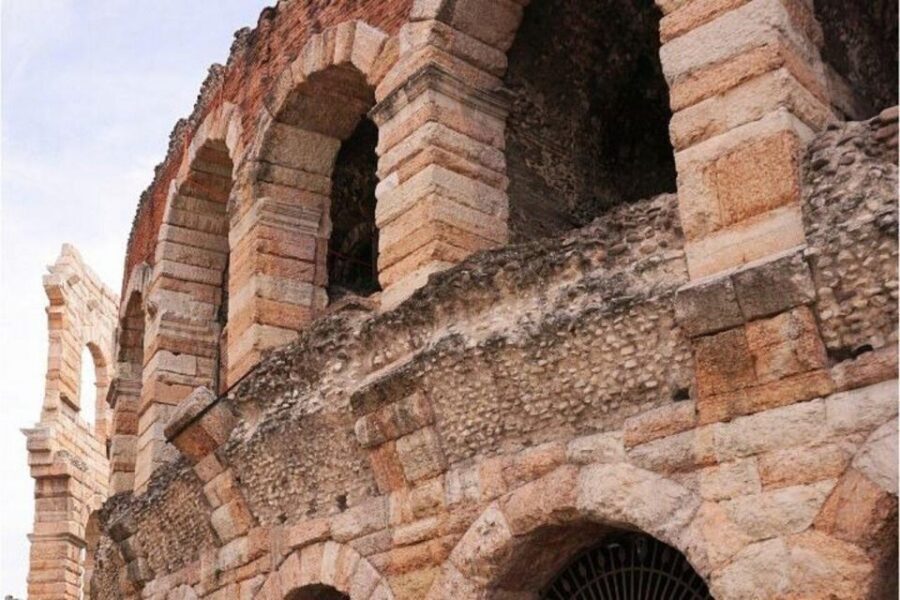
Even if you don’t go inside, the Arena still teaches you something. The scale tells you why this city has always had an audience, whether it was Roman crowds or later generations drawn to spectacle. A good guide also helps you clock details around the site—what to photograph, and what to treat as a landmark rather than just scenery.
This is also the moment to ask your guide a quick question about timing. If you plan to return later for a specific paid visit, the early context saves you from walking in circles.
Vicolo del Guasto and the Old Streets Feel Different Than the Squares
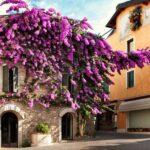
After the Arena zone, the route shifts into narrower lanes—exactly where Verona feels most “real.” Stops like Vicolo del Guasto and Porta Borsari are the kind of places where the city wall and gates stop being abstract and start becoming physical.
Porta Borsari is especially useful for orientation. It’s a historic gateway that helps you understand how people moved through the city in earlier times. Instead of just seeing a gate, you start seeing a system: approach routes, entry points, and how the old town functions as a living network.
These streets are where a guide’s storytelling style really pays off. Many guides bring humor and small, human details—enough to turn a side street into something you can remember. In practice, you leave with an instinct for where the “old Verona” mood changes.
Porta Borsari to Riva San Lorenzo: A Riverfront Reset
Next comes Riva San Lorenzo, which works like a breath of fresh air after tighter lanes. The riverfront view gives your eyes something to rest on, and it also helps you understand Verona’s geography. You’re not just walking from one postcard to the next—you’re getting a map in your head.
A riverfront pause also makes the tour more comfortable. It breaks up the walking rhythm so you don’t feel like you’re sprinting through sights. And when your guide points out how the river and surrounding areas relate to other stops, it becomes easier to plan a self-guided walk afterward.
If you’re the type who loves viewpoints, this is where you’ll benefit most from staying attentive. Verona’s best angles aren’t always the obvious ones, and a local guide tends to know which corners give the cleanest view.
Chiesa di San Giovanni in Foro: When Quiet Becomes Interesting
Then you shift to Chiesa di San Giovanni in Foro, which adds a different flavor: a religious site that feels connected to the city’s deeper roots. Churches in Verona often don’t get the same hype as the big squares or the “Romeo and Juliet” spots, but they’re strong for understanding how the city has functioned over time.
Here’s what I’d watch for as you approach: context. A guide can connect the building’s purpose to how people gathered, prayed, and lived around it. Even if you don’t linger for long inside (and you might not, depending on timing), you’ll understand the role the place played and what makes it worth a glance.
If you’re trying to do Verona in a day or two, this kind of stop helps you avoid the “I only saw the famous stuff” feeling. It gives balance.

Piazza delle Erbe and Piazza dei Signori: Two Squares With Different Personalities
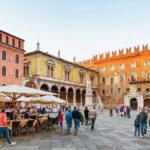
You’ll reach Piazza delle Erbe, and then Piazza dei Signori. Think of them as Verona’s main stages—except they don’t perform the same show. Piazza delle Erbe feels like a marketplace heart, busy in a historical way, with buildings and energy that make you understand why people gathered here for generations.
Piazza dei Signori feels more pointed and civic. It’s a great place to slow down, look up, and notice architectural rhythm. With a guide, you also get the “why” behind what you’re seeing: which parts are more symbolic, which corners hint at the city’s power structure, and where the sightlines line up.
These squares are also where your guide’s advice becomes useful for the rest of the day. When you understand where the main action is, you can pick a direction for dinner or a post-tour wander without second-guessing yourself. And if you enjoy people-watching, these are great stops to do it with intention.
Basilica di Santa Anastasia: A Big Church Stop That Still Fits the Pace
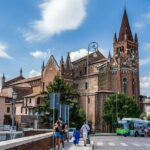
In the old town core, you visit Basilica di Santa Anastasia, described as the largest place of worship in the city. That’s the kind of detail that changes how you look at the building. You’re not treating it like a random church on the route; you’re seeing a centerpiece.
One practical note: entry tickets aren’t included, so you may or may not go inside depending on what you choose to do during the walk. Even with a quick exterior-to-interior shift, the guide can point you toward what’s most striking, so you don’t miss the visual cues.
This stop is valuable because it adds more than atmosphere. It helps you understand Verona’s identity beyond romance and spectacle. If you want Verona to feel like a real city you could live in—not just a story you visit—this is the kind of anchor that gets you there.
Romeo’s House, Juliet’s Balcony, and the Legend Filter
Then you hit Casa di Romeo, where you’ll see the Juliet’s balcony—the pop-culture reference point that draws crowds from all over. Even if you’ve seen photos already, being there in the actual space is different. You understand scale, crowd flow, and why the balcony became an icon in the first place.
But here’s the smarter approach: let the guide use the legend as a gateway, not the final destination. A good guide can connect the Romeo and Juliet story to Verona’s older layers so it doesn’t feel like a theme park stop. Instead, it becomes one chapter in a city that has always been storytelling-heavy.
If you’re doing this tour early in your trip, your guide’s comments can help you decide whether to spend more time here later or simply take it in quickly and move on. That’s a real time-saver when you’re trying to see a lot without feeling rushed.
Arche Scaligere and the Old Market Courtyard: Turning Legends Into Context
From Casa di Romeo, the route moves toward the Arche Scaligere—the Scaliger tombs. This stop matters because it pulls the story back toward the people who shaped Verona long before modern literature made it famous. It’s a way to feel the city’s power and the weight of time in stone.
If you care about the difference between myth and real life, this is your bridge. You can enjoy the romance without losing the historical backbone. And for photo lovers, the tomb area tends to reward you for stopping and looking longer than you think you should.
The walk also includes the Courtyard Of The Old Market. This is exactly the kind of spot that can be easy to overlook if you’re doing Verona solo. It adds texture: a sense that the city’s daily life happened in these same areas, not just in grand squares and famous facades.
Ponte Pietra: Your “Wait, That View Is Great” Moment
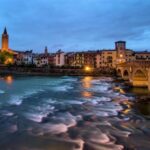
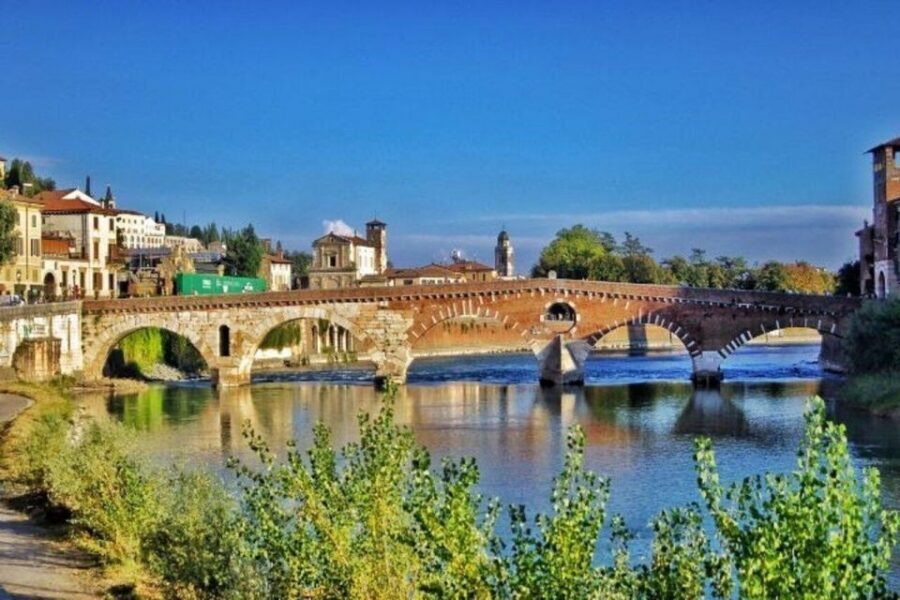
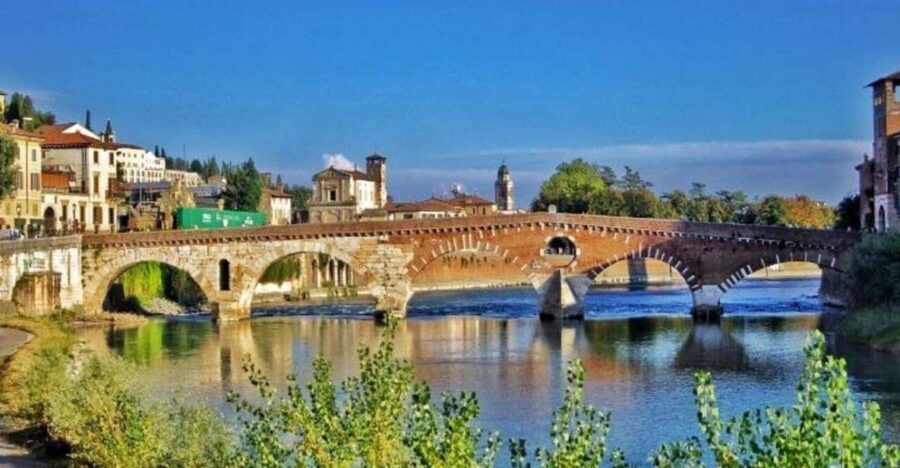
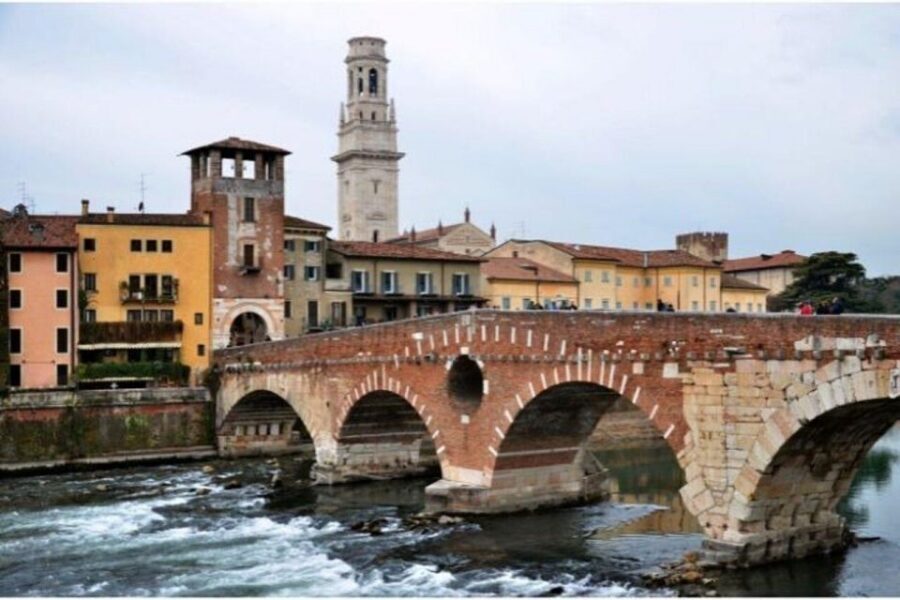
Ponte Pietra is a highlight for a reason: it gives you a classic Verona viewpoint tied to the river. Even if you’ve got a packed schedule, this stop is worth treating as your reset moment. It’s one of those places where the entire city feels like it’s arranged for sightlines.
The guide’s value here is subtle. You might think, Okay, it’s a bridge and a postcard view, but they can show you where the angles make the city look right. And once you understand which directions matter, you start spotting good views as you walk away from the main stops.
Logistics, Group Size, and How Guides Keep It Moving
You can book either a shared group experience or a private group option. If you’re traveling with friends and want flexibility, private can be worth it because the pacing and focus can shift with your interests.
Languages are English, French, Italian, and Spanish, and that matters more than it sounds. When the guide can explain things clearly, you don’t miss the bits that make the walk feel personal—how to read a square, what a gate meant, or what to notice on a church facade.
The route is set up for an easy walking flow, but it’s still city walking. You’ll want to keep water handy and plan your shoes accordingly. The tour is wheelchair accessible, which is a big plus if you need that kind of route flexibility.
Price and Value: What $38 Buys You (and What It Doesn’t)
At $38 per person, you’re paying for a live guide, a planned path through major and lesser-seen stops, and the kind of orientation that helps you stop guessing. For short trips, that’s often the best value in a city like Verona because it reduces wasted time.
What you don’t get in the price is entry tickets. That’s normal for walking tours, but it changes your planning. If you’re hoping to go inside everything you see, you’ll need to budget separately. The guide can help you decide what’s worth paying for and what you can enjoy from outside with a bit of context.
Also, you’ll likely appreciate the guide’s recommendations for what to do next—where to eat, what area to target, and how to fit in remaining time without backtracking. That planning help is hard to price, and it’s often where the “value” shows up.
Who Should Book This Tour (and who should skip it)
I think this tour is best for:
- First-timers who want a fast, accurate sense of where Verona’s highlights cluster.
- People with limited time who still want more than just the obvious photo spots.
- Travelers who like architecture and city layout, not just landmarks.
You might skip or pair differently if:
- You’re the kind of traveler who wants only paid indoor visits and long stops in one museum area.
- You don’t want any walking between sites and prefer a car-based plan.
Should You Book This Verona Highlights and Hidden Gems Walking Tour?
Yes—if your goal is to get your bearings quickly and come away with a clear idea of where you want to spend time next. The mix of Arena area, major squares, a standout church stop, and the shift into Romeo-and-tombs territory gives you a well-rounded overview without feeling like a checklist.
Book it especially if you enjoy smart guidance. The strongest part of this experience is the way guides keep the walk moving and tailor attention to what you’re curious about—whether that’s architecture, street scenes, or story-driven stops like Juliet’s balcony.
If you’re planning a short Verona stay, this is the kind of tour that turns the city from random sights into an actual route you can follow on your own afterward.