REVIEW · VERONA
Verona: Classic Valpolicella Wine Tasting Experience
Book on GetYourGuide →Operated by La Botteghetta La Bottega di Verona · Bookable on GetYourGuide
Three wines, one hour, and Verona flavor. This tasting is built around Valpolicella classics, paired with a proper snack board, and guided by the upbeat sommelier Filippo in a small historic shop. I especially love the way you taste in sequence, then get help noticing what changes from one wine to the next. I also like the practical food pairing: Monte Veronese cheese and Soppressa salami that actually match the region. The one thing to keep in mind: it’s a tasting in a shop setting, not a long winery drive or vineyard walk.
You’ll start with the basics of the name itself: Valpolicella comes from valle, poli, and cellae, meaning valley of many cellars. Then you’ll taste three classic styles while the guide talks through origin, grape variety, vinification, and the sensory features that make each bottle distinct. It’s hands-on, too, with exercises that push you to pay attention to aroma and fruit notes instead of just drinking and hoping.
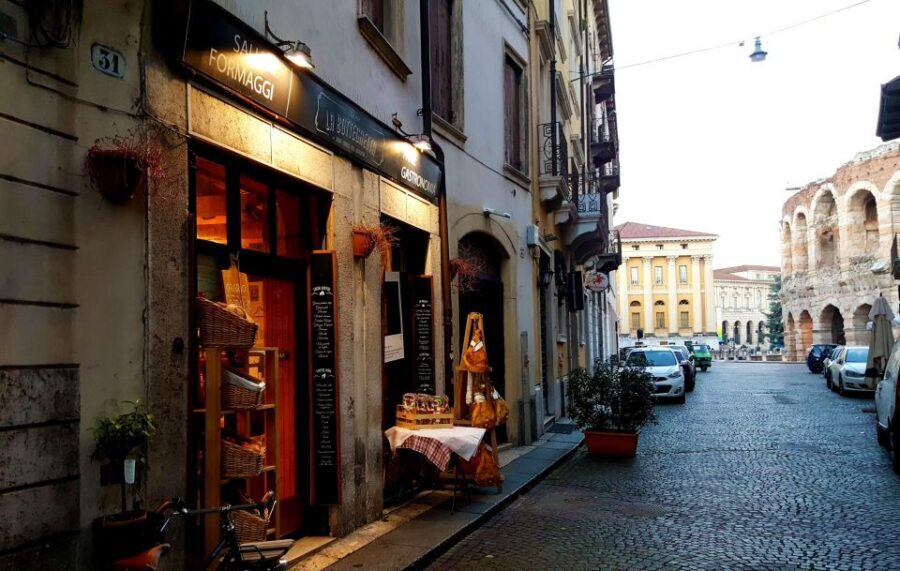
One more practical consideration: check your confirmation for the exact storefront. The meeting point is Botteghetta, but one booking reported being directed to a nearby salumeria in front of the historic location, so a quick double-check can save you stress.
In This Review
- Key Things I’d Point You To
- Valpolicella Basics: Why the Name Itself Tells You What to Expect
- Inside the 1-Hour Flow: How the Tasting Actually Plays Out
- The Three Wines: Classico, Ripasso, Superiore (How to Taste Them Like a Pro)
- Valpolicella Classico
- Valpolicella Ripasso
- Valpolicella Superiore
- The Food Pairing Board: Monte Veronese Cheese and Soppressa Salami
- How You Get Value: Price, What’s Included, and What You’re Paying For
- Meeting at Botteghetta: What to Expect and What to Bring
- Who This Is Best For (And Who Might Want Something Else)
- A Note on the Storefront: How to Avoid Last-Minute Confusion
- Should You Book This Verona Valpolicella Tasting?
- FAQ
- What wines are included in the tasting?
- What food is included?
- How long does the experience last?
- What languages are available?
- Is the tasting only for adults?
- Where do I meet, and what should I bring?
Key Things I’d Point You To
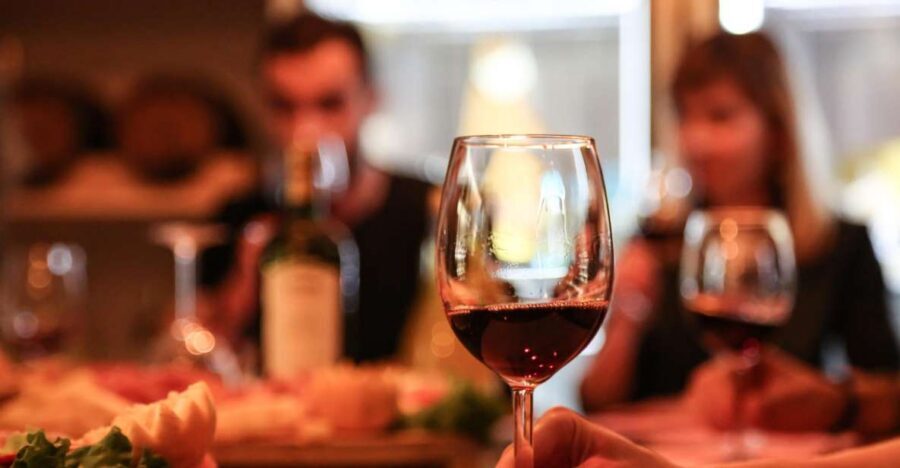
- Three Valpolicella standards: Classico, Ripasso, and Superiore, tasted back-to-back
- A real pairing board with Monte Veronese cheese and Soppressa salami
- A shop-based experience inside Botteghetta, so it’s fast, focused, and easy to fit into your day
- Sensory tasting exercises that get you guessing flavors and comparing characteristics
- Language support in English, Italian, and Russian
Valpolicella Basics: Why the Name Itself Tells You What to Expect
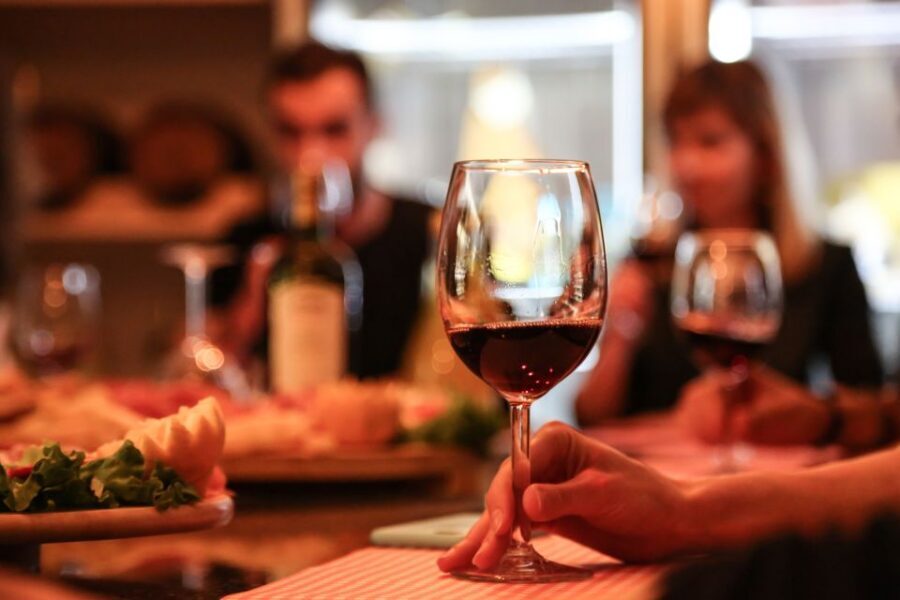
Before you even take a sip, you get context that makes the wines easier to follow. Valpolicella’s name is tied to the idea of cellars in a valley, and that language link matters because it frames the region as something built for wine storage, refinement, and long tradition.
You’ll also hear that wine production here traces back to Roman times. That doesn’t mean you’ll be tasting ancient wine (sadly, your glass would protest), but it does help you understand why the tasting focuses on classic styles. This experience isn’t trying to be trendy or experimental. It’s about the wines that earned their reputation over centuries, then got polished into the versions you’ll recognize today.
For you, the payoff is simple: when someone explains where a wine comes from and how it’s made, you stop treating each glass like a mystery. Instead, you start comparing. And comparison is where tasting turns from pleasant to educational.
You can also read our reviews of more food & drink experiences in Verona

Inside the 1-Hour Flow: How the Tasting Actually Plays Out
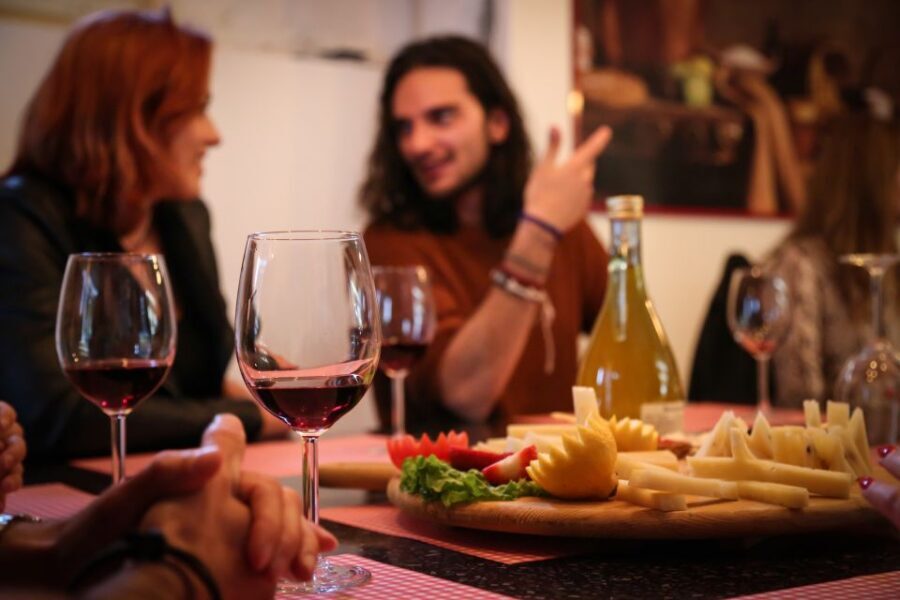
This is a tight, efficient hour. You’ll arrive and check in, then settle into a small, shop-style setup where the focus stays on what’s in front of you—wine, food, and conversation.
Even though the pacing is quick, it’s not random. The guide’s job is to keep your attention moving through three classics while tying each one to what you can notice:
- where it comes from (origin/terroir)
- what grapes are involved (grape variety)
- how it’s produced (vinification)
- what you should pick out as you taste (organoleptic characteristics)
In practice, this means you’re not just sipping; you’re “doing the tasting.” You might be asked to identify fruit notes during the tasting. That sounds like a parlor game, but it’s a useful habit. It trains your palate to pay attention to aroma, then confirms it on the tongue.
You may also start with a lighter pour depending on how the session is run (one booking described starting with Prosecco, followed by white wine, then several reds). The core structure stays the same: the tasting is anchored by the three Valpolicella selections, and the board keeps you fueled.
The Three Wines: Classico, Ripasso, Superiore (How to Taste Them Like a Pro)
You’ll taste three classic bottles that represent the Valpolicella family tree. I like this format because it forces you to notice how a region can produce different styles while still feeling related. Here’s how to approach it so you actually get value from the hour.
Valpolicella Classico
Treat the Classico as your baseline. The guide will connect it to its origin and the key choices behind how it’s made, then you’ll taste for the sensory signature. You’re looking for the profile the guide points out—what it smells like, what flavors land first, and how it finishes.
Practical tip: when you get a new wine, take a second before swallowing. Smell, then taste. It sounds basic, but that pause is where your brain does the sorting.
Valpolicella Ripasso
Ripasso is tasted next, so you’re already trained to compare. The benefit of doing it this way is you’re not trying to memorize everything—your palate is actively adjusting from the prior glass. You’ll get guidance on vinification and what that process changes in the wine’s character.
Since the tasting includes origin and production context, Ripasso becomes less of a label and more of a story: you should be able to link what you’re tasting back to the choices explained.
You can also read our reviews of more wine tours in Verona


Valpolicella Superiore
Superiore comes last in the set, which is smart. By then, you’ve used the first two wines to calibrate your senses. The guide can point out differences in structure and impression—again through the lens of origin, grape variety, and vinification.
If you’re the type who sometimes likes reds but can’t tell why one feels heavier or more structured, this is exactly the kind of guided sequence that helps. Your notes will get clearer because you’re hearing what to listen for as you drink.
The Food Pairing Board: Monte Veronese Cheese and Soppressa Salami
Wine is half the show. Food is what makes the tasting click. The included platter is built around classic local choices: Monte Veronese cheese and Soppressa salami, plus the rest of the meat-and-cheese board.
I like that the pairing is not random. These are native products from the Verona area, which keeps the tasting grounded in place. Cheese and salami also do something important for you: they help reset your palate between wines. Without food, it’s easy for tannins and acidity to blur together. With the board, you can actually track how each wine behaves with salt, fat, and cured flavors.
One booking mentioned the table being fully set with cured meats, cheese, and bread. Another booking highlighted that even a vegetarian was additionally looked after with extra options. The most reliable move for you: if you’re avoiding something, advise the team ahead of time so they can guide you to the best available choices.
How You Get Value: Price, What’s Included, and What You’re Paying For
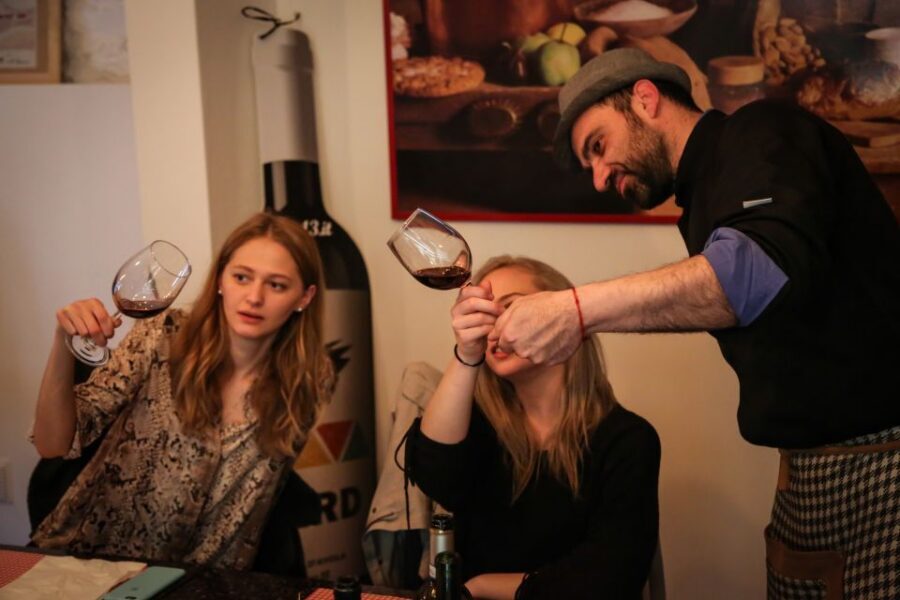
At $53 per person for about an hour, this isn’t a “cheap-and-cheerful” tasting. It’s paying for four things:
- a sommelier guide who explains origin, grape variety, vinification, and tasting characteristics
- three wines of the Valpolicella classics
- a meat-and-cheese platter featuring local staples
- still or sparkling water on request
The value is strongest if you want guided tasting in a short window. Verona has plenty of wine options where you can wander and buy a glass. This is different: you’re buying understanding. The guided flow helps you turn three sips into three comparisons, and that’s what most people remember later.
Is it worth it if you already know everything about Valpolicella? Maybe not. But if you want a clean introduction to the classics, plus food pairing, it’s a fair deal.
Meeting at Botteghetta: What to Expect and What to Bring
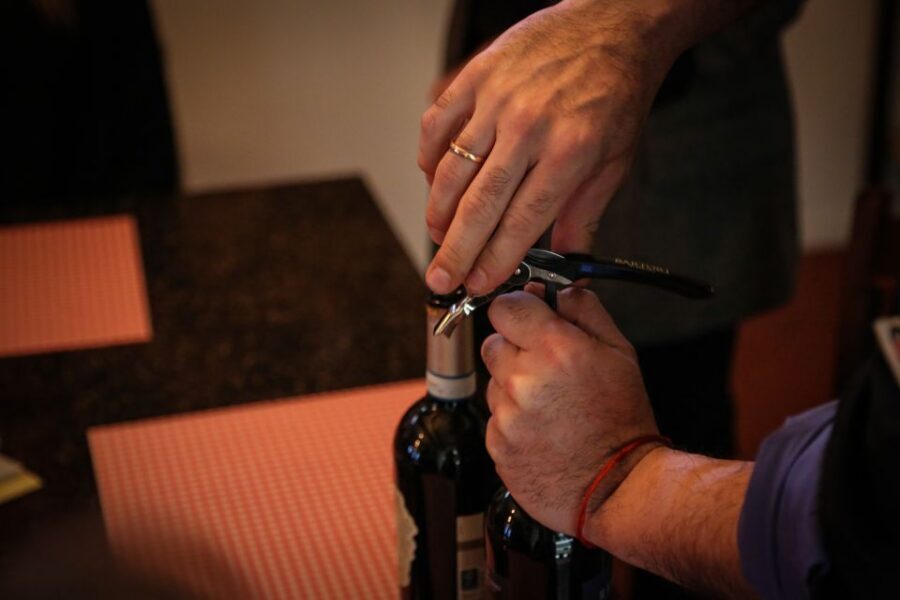
You meet at the historic shop Botteghetta. That matters because the experience is shop-based, not a bus tour. Plan to arrive a little early. The check-in timing is 15 minutes before the start.
For this activity, bring ID:
- passport or ID card
- driver’s license
The minimum drinking age is +18, and you’ll be asked for your ID. Do not count on getting in without it. If you’re traveling with teens or under-18 family members, this one is not suitable.
Also, if you have intolerances to products on the board, let the organizers know in advance. That’s not just polite; it’s how you make sure your hour stays enjoyable.
Language-wise, you can choose among English, Italian, and Russian live guidance. If your Italian is rusty, don’t panic. The experience offers English too, and the explanations are meant to be accessible, not lecture-heavy.
Who This Is Best For (And Who Might Want Something Else)
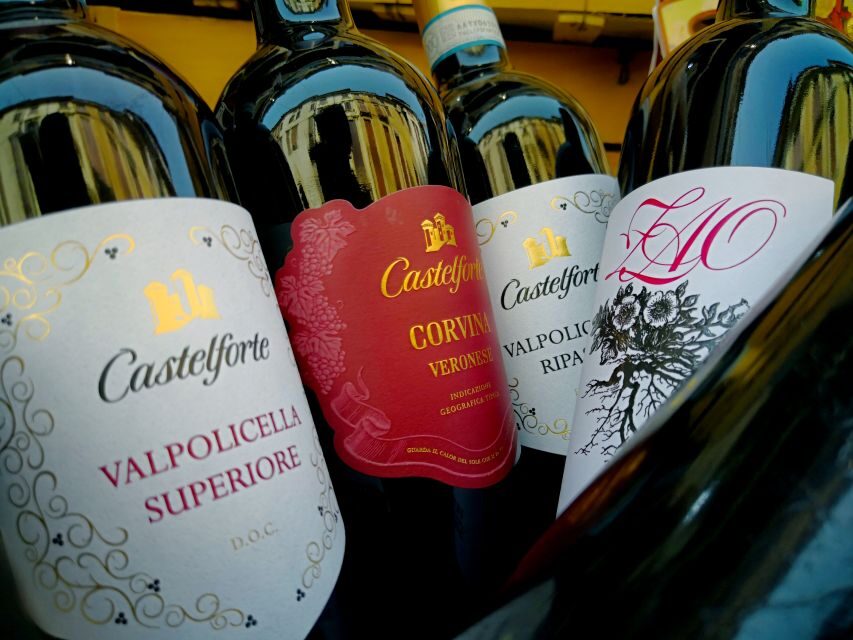
This tasting fits best if you want:
- a short, high-focus experience in Verona
- a guided way to understand three Valpolicella styles
- local pairing with Monte Veronese cheese and Soppressa salami
- an interactive approach that gets you tasting with attention
I’d especially recommend it for wine-curious travelers who don’t want to drown in technical charts. You’ll still get the core production topics (origin, grape variety, vinification), but the structure keeps it practical.
If what you want is a full-day winery itinerary with vineyard views and long drives, this is probably too short and shop-centered. Think of it as the tasting session you can slot into a busy itinerary, not the main event of a wine-region road trip.
A Note on the Storefront: How to Avoid Last-Minute Confusion
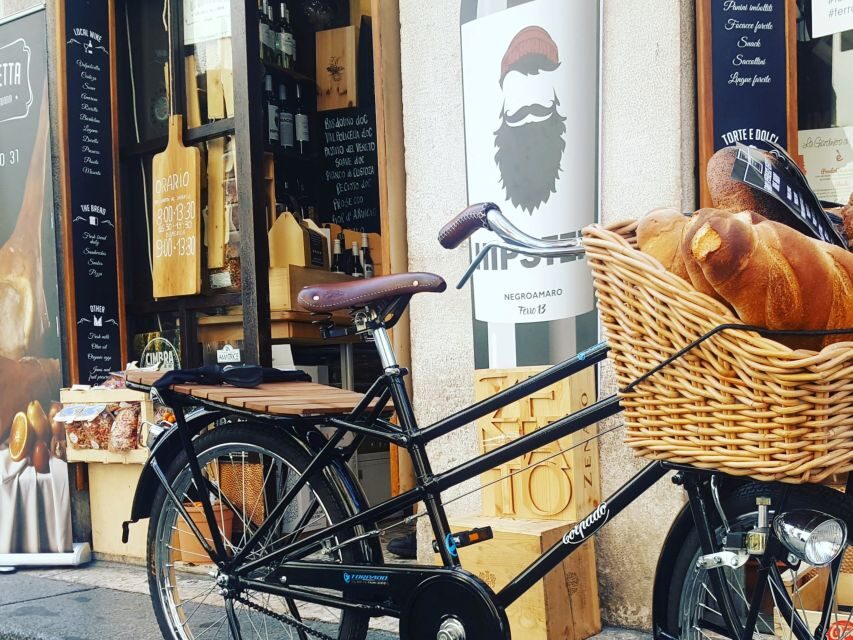
The stated meeting point is Botteghetta. Still, one booking experience pointed out that a participant was directed to a nearby salumeria in front of the historic location rather than the landmark storefront. That can happen for reasons like signage, door changes, or local setup.
So here’s my practical advice: when you receive your confirmation, double-check the exact address and any wording about the shop name. Then show up early enough to handle a quick lookup without rushing.
Should You Book This Verona Valpolicella Tasting?
Book it if you want a focused, hour-long introduction to Valpolicella classics, with real food pairing and live guidance in English/Italian/Russian. The price makes more sense when you treat it as an educational tasting plus local bites, not just a chance to drink three glasses.
Skip it (or look for a longer winery experience) if you’re expecting a vineyard tour or a full, day-long immersion. This is a shop-style tasting, so your payoff is the guided comparisons and the local platter—not scenery.
If you’re even mildly curious about how a region’s classic wines differ, you’ll leave with clearer taste memories. And in Verona, that’s a very practical kind of souvenir.
FAQ
What wines are included in the tasting?
You’ll taste three classic Valpolicella wines: Valpolicella Classico, Valpolicella Ripasso, and Valpolicella Superiore.
What food is included?
A meat and cheese platter is included, featuring Monte Veronese cheese and Soppressa salami, plus other local products.
How long does the experience last?
The tasting lasts about 1 hour.
What languages are available?
The live tour guide is available in English, Italian, and Russian.
Is the tasting only for adults?
Yes. The minimum drinking age is +18, and children under 18 are not suitable.
Where do I meet, and what should I bring?
You meet at the historic shop Botteghetta. Bring a passport or ID card, and a driver’s license, and check in 15 minutes before the start time.