REVIEW · VERONA
Verona: Cheese Tasting and Pairing
Book on GetYourGuide →Operated by La Botteghetta La Bottega di Verona · Bookable on GetYourGuide
Cheese tasting gets serious fast. In Verona, I like that this Veneto cheese session trains your senses before the tongue ever takes over, starting with what you see and smell. You learn to distinguish five regional cheeses and build simple combinations using local accompaniments like honey, jams, and mustards. One thing to consider: it’s tightly timed at about an hour, so go in ready to focus rather than expect a long, multi-course meal.
I also appreciate how the guide walks you through the right order: look at the cheese first, then touch and sniff, then finally take the bite. The platter setup matters here—fresh fruit, honey, and sweet jams aren’t just extras; they’re part of how you learn aroma and flavor. The whole experience feels personal, which makes it easier to ask questions when you hit a taste you cannot place.
Finally, check your logistics ahead of time: it’s for adults (minimum drinking age +18) and you’ll need ID for anything involving wine pairing on request. If you’re traveling with kids or you use a wheelchair, this isn’t a fit.
In This Review
- Key things to know before you go
- Where this Verona cheese tasting actually happens
- The tasting method: why cheese is more than flavor
- Your first cheese lesson: learning the differences between five styles
- Building combinations with fruit, honey, jams, and mustards
- Fruit: clean the palate and reset your attention
- Honey and jams: sweet aromas that change the cheese
- Mustards: the sharp partner
- Bread and breadsticks: practical tools
- The senses part: what it feels like during the tasting
- Wine pairing on request: how to decide if you want it
- A realistic view on the time (and what you may not get)
- Value for $53: what you’re really paying for
- Who should book this Verona cheese tasting
- Tips to get the most out of your hour
- Should you book Verona: Cheese Tasting and Pairing?
- FAQ
- Where is the meeting point for the Verona cheese tasting?
- How long does the cheese tasting last?
- What’s included in the tasting?
- Is wine included?
- Are children allowed?
- What should I bring?
Key things to know before you go
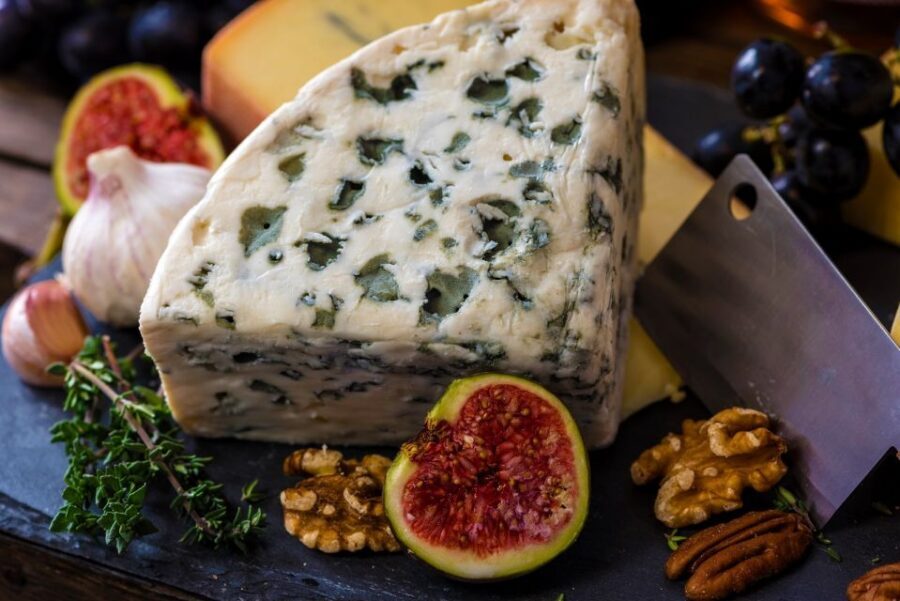
- Start with your eyes and nose: you won’t only rely on taste
- Five Veneto cheeses in one session so you can compare, not just sample
- Honey, jams, mustards, and fruit teach you sweet, sharp, and aromatic contrasts
- A platter built for learning with bread and breadsticks to reset between bites
- Wine pairings on request if you’re old enough to drink
- Meet at Botteghetta in central Verona at the historic shop
Where this Verona cheese tasting actually happens
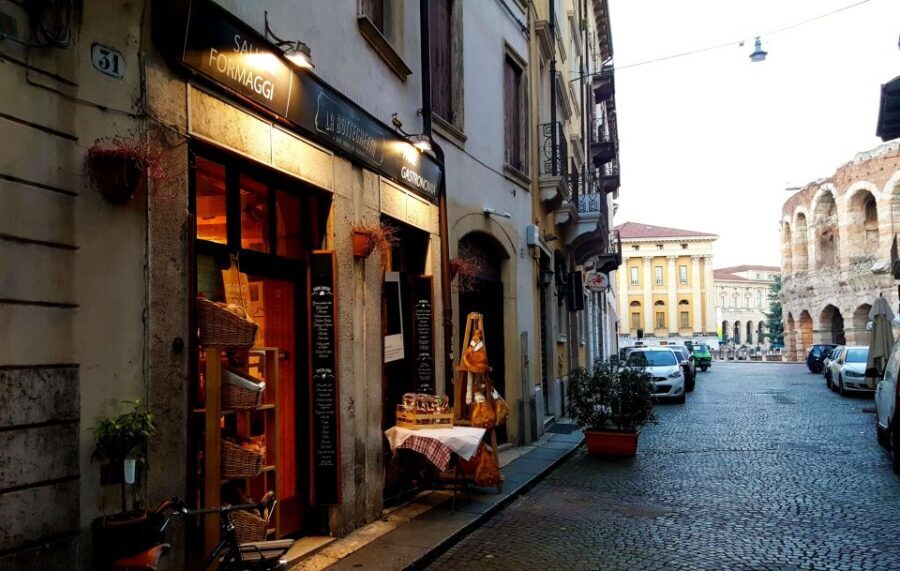
You’ll meet at the historic shop Botteghetta. That matters more than it sounds. Cheese tastings work best when you’re in a small, shop-like space where everything feels close and intentional—plenty of light for tasting, space to handle the cheeses, and no pressure to move on to the next stop every five minutes.
The timing is also compact: the experience runs for about 1 hour. That’s ideal for a first-time cheese lover who wants the story and the technique without turning it into an all-day food project.
You’ll also want to bring an ID or passport. If you want wine pairings, the minimum drinking age is +18, and the tasting includes a request-based wine component. (So even if you don’t plan to drink, it’s smart to have ID handy.)
You can also read our reviews of more food & drink experiences in Verona


The tasting method: why cheese is more than flavor
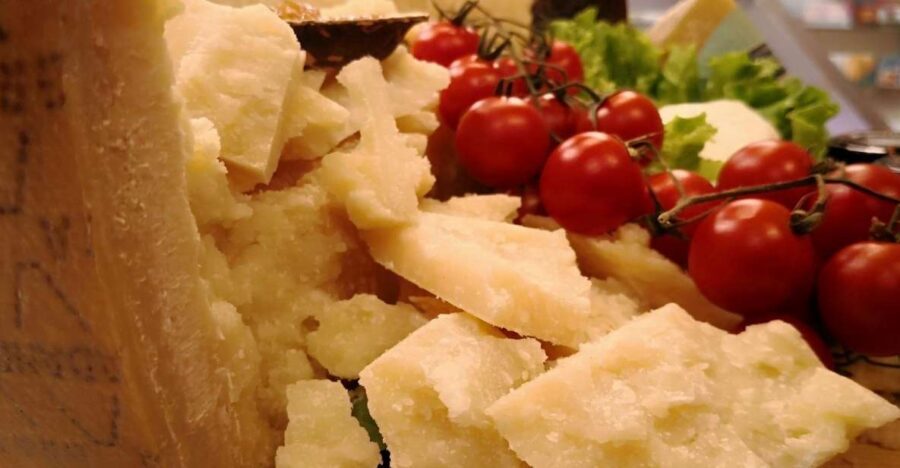
This experience stands out because the guide doesn’t treat cheese like a snack. You’ll be taught to think of it as a texture, an aroma, and a flavor system you can decode.
The flow is straightforward and hands-on:
- You begin by viewing the cheese you’re about to taste.
- Next, you prime your palate with touch and smell—yes, before your mouth gets involved.
- Then you take the first bite to discover the true flavor.
That order sounds simple, but it changes everything. When you look first, you start recognizing clues in color and rind or surface. When you touch and sniff, you catch milky aromas, nutty notes, or sharper scents that can hint at how the cheese will taste. By the time you bite, you’re not just reacting. You’re reading the cheese like a food puzzle.
And it’s a practical lesson you can use later in Italy. Most people taste cheese once and assume they failed if they can’t describe it. This method gives you a way to succeed: slow down, gather clues, then taste.
Your first cheese lesson: learning the differences between five styles
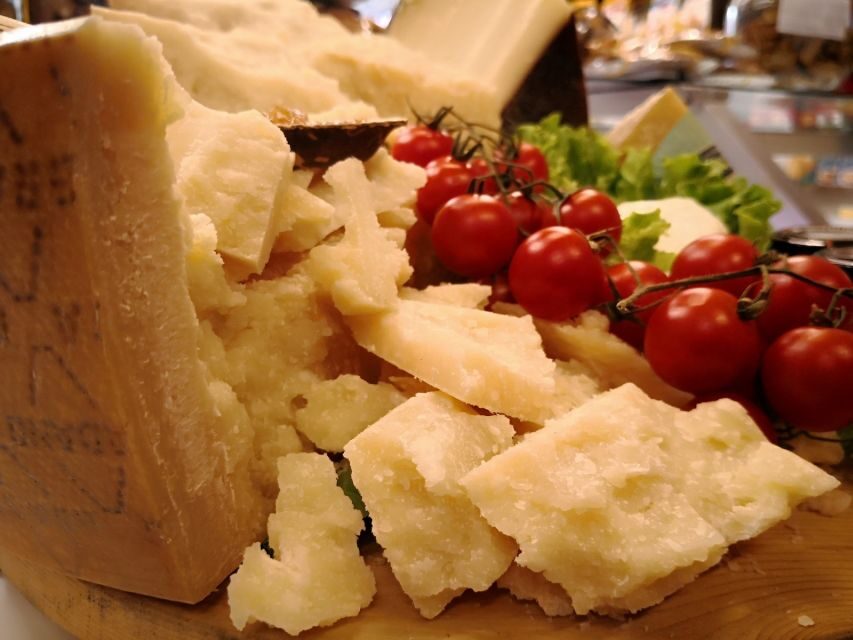
The core of the experience is learning five different local cheeses from the Veneto area. The point is comparison. You taste, you smell, you notice differences, and you start building vocabulary for what you like.
One of the cheeses you may encounter is Monte Veronese, a well-known regional favorite often associated with smaller producers. In a tasting like this, that matters because you’re not just tasting a brand. You’re tasting a style tied to local tradition and production philosophy.
As you move through the five cheeses, focus on three things:
- Texture: does it feel firm, creamy, crumbly, or elastic?
- Aroma: do you get buttery, grassy, nutty, or sharper notes?
- Finish: what shows up after you swallow—sweet, savory, tangy, lingering?
I like that the guide encourages you to rely on more than taste. Cheese is a full-sensory food. If you only chase flavor, you miss the story your nose and tongue are both telling.
Building combinations with fruit, honey, jams, and mustards
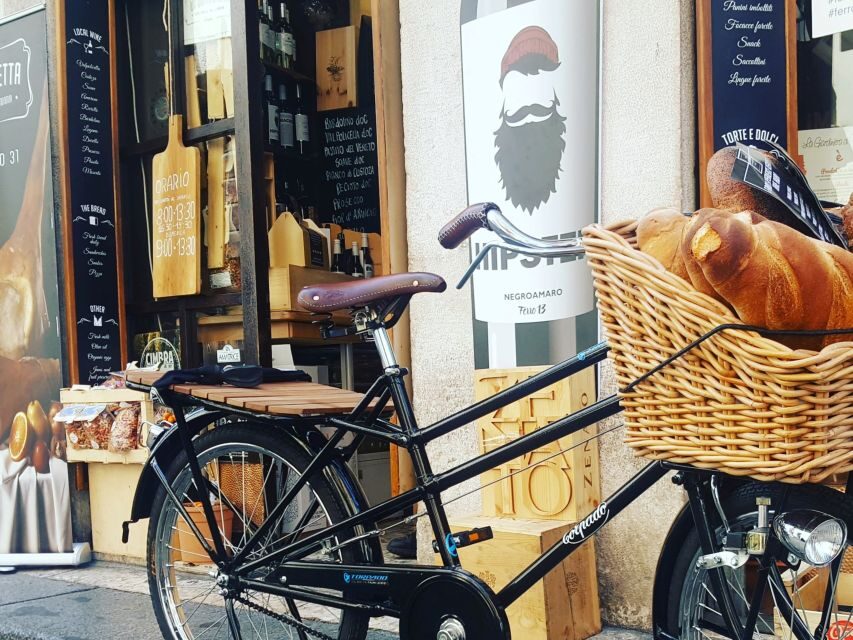
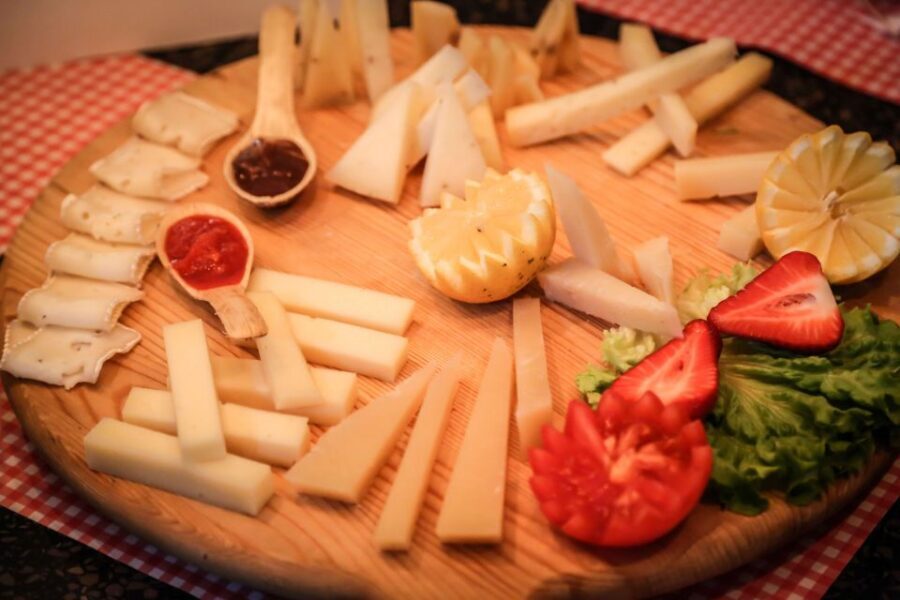
The platter isn’t random. It’s designed to train your palate with contrasts—sweet, fresh, sticky, sharp, and salty—so you learn why certain combinations work.
You’ll taste the cheeses alongside:
- Fresh fruit
- Honey
- Sweet jams
- Mustards
- Bread and breadsticks
Here’s how to get value from this part without overthinking it.
Fruit: clean the palate and reset your attention
Fruit gives brightness and moisture. It can make a richer cheese feel lighter and help you spot what the cheese does on its own versus what happens when sweetness enters the picture.
You can also read our reviews of more tours and experiences in Verona
Honey and jams: sweet aromas that change the cheese
Honey and jams do more than add sweetness. They bring floral notes and fruit-like aromas that can either soften sharper cheeses or intensify savory ones. If you’ve ever thought cheese should only be savory, this is where you learn the local balance.
Mustards: the sharp partner
Mustards are the wild card in many cheese boards. They add acidity and bite, which can cut through fat and bring out savoriness you might miss otherwise. It’s a smart way to learn how contrast affects perception: sharp + creamy can taste more structured than either alone.
Bread and breadsticks: practical tools
Bread isn’t filler here. It gives you a neutral base between stronger bites. Use it like you’d use water during a tasting—take a small bite, then return to the cheese to compare what changes.
The senses part: what it feels like during the tasting
This is one of those experiences where you can tell the organizer cares about education, not just sales.
You’ll spend time with each cheese before you bite. When you see it, then touch it, then smell it, your brain starts paying attention to details you usually ignore. It’s a small ritual that makes the final taste more satisfying.
Also, the experience is set up to engage all senses, not only flavor. Aroma is a big deal here. If you’ve ever had cheese that tasted better in one moment than another, it may come down to how you entered the bite. This format teaches you how to enter intentionally.
The atmosphere tends to feel friendly and compact—people often like that it’s small and personal, which helps the guide keep the pace comfortable and answer questions as you go.
Wine pairing on request: how to decide if you want it
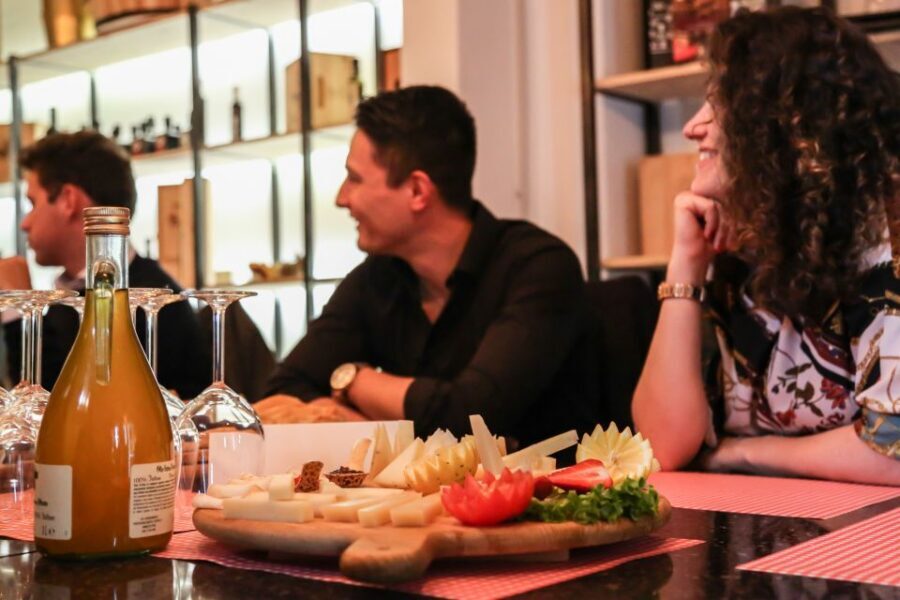
Wine is available as pairings on request. That means you can choose whether to add it, and you shouldn’t feel pushed into it.
If you do add wine, think of it as a second layer of learning:
- Cheese often pairs best when the wine’s acidity meets the cheese’s fat.
- The goal isn’t to drink a lot. It’s to notice how the wine changes texture and aroma.
If you’re not a wine drinker, you can still get a lot from the session because the centerpiece is the cheese plus the Italian-style lineup of accompaniments.
One practical note: since wine is tied to the minimum drinking age +18, bring your ID even if you’re unsure. It keeps things smooth.
A realistic view on the time (and what you may not get)
The experience is listed at 1 hour, and that’s the main tradeoff. It’s enough time for real learning across five cheeses and multiple accompaniments, but it’s not a long food tour with stops around the city.
So if you want:
- a quick, focused tasting,
- guidance on how to taste properly,
- and a clear sense of what makes Veneto cheeses different,
this works well. If you’re hoping for a slow dinner-style experience with lots of extra courses, you might feel the session ends before you’re fully in cheese mode.
Value for $53: what you’re really paying for
At about $53 per person, you’re not just paying for a plate of cheese. You’re paying for:
- a guided sensory education method,
- tasting five cheeses rather than a random sample,
- multiple regional accompaniments (honey, jams, mustards, fruit),
- and practical add-ons like bread and breadsticks plus sparkling/mineral water.
When you compare that to buying multiple cheeses and all the pairings on your own, the value is in the structure. The guide helps you notice what to notice. That’s the difference between eating cheese and learning cheese.
Also, the format feels intimate, which usually makes this kind of experience better than large group tastings where you can’t ask questions.
Who should book this Verona cheese tasting
This is a great match if:
- you love Italian food and want a more thoughtful tasting approach,
- you want a Verona activity that isn’t just another walking stop,
- you like learning how ingredients work together,
- you’re traveling as a couple or with a small group and want something personal.
It’s less ideal if:
- you want a long sit-down meal,
- you’re bringing children under 18,
- you need wheelchair access (this experience is not wheelchair accessible),
- or you’re expecting a city sightseeing tour.
Tips to get the most out of your hour
Go in with a simple plan: taste slowly, compare often, and don’t worry about naming every flavor. You’re learning a system.
Here are a few practical moves:
- Take a moment before your first bite to smell the cheese. Then taste. You’ll understand the method faster.
- When a cheese tastes surprising, pair it with fruit or honey once, then try it again plain. Notice the difference.
- Use bread and breadsticks to reset when the lineup feels intense.
- If you do wine, sip lightly at first. Let it show you what changes, not just how strong it tastes.
Should you book Verona: Cheese Tasting and Pairing?
I’d book it if you want a smart, short Verona experience built around real local food skills. The strongest reasons are the teaching method (look, touch, smell, bite), the variety (five cheeses), and the pairing logic (fruit, honey, jams, mustards, bread). It’s a hands-on hour that helps you understand why Veneto cheese culture works the way it does.
Skip it only if you need a longer dining experience, you’re traveling with kids under 18, or accessibility is a concern. If you’re an adult and cheese is on your must-do list, this is the kind of activity that makes your next cheese stop in Italy feel way more confident.
FAQ
Where is the meeting point for the Verona cheese tasting?
You’ll meet at the historic shop Botteghetta.
How long does the cheese tasting last?
The experience lasts about 1 hour.
What’s included in the tasting?
The tasting includes five regional cheeses, jams, honey, mustards, fresh fruit, bread and breadsticks, sparkling and mineral water, plus wine pairings on request.
Is wine included?
Wine pairings are available on request. Please note the minimum drinking age is +18, and you should bring your ID.
Are children allowed?
No. This activity is not suitable for children under 18.
What should I bring?
Bring a passport or ID card. You should also arrive about 15 minutes before the activity starts.