REVIEW · VERONA
From Verona: Full-day Dolomites Mountains Guided Tour
Book on GetYourGuide →Operated by Likegarda · Bookable on GetYourGuide
The Dolomites hit you fast and hard. This full-day tour from Verona strings together several iconic valleys and viewpoints, so you get a real feel for the region without needing a week-long trip. I especially love the big, high-altitude views at Sass Pordoi and the charming stop in Ortisei with its wooden buildings and carvings. One thing to think about: it’s a long day of bus travel, and the schedule is tight, so you’ll want to come prepared for a lot of time on the road.
You’ll start in central Verona and end back near the same spot, with guided context along the way and enough free time to actually enjoy the views. The payoff is that you see multiple sides of the Dolomites—valleys, passes, and a mountain town—under one organized plan with a live guide in English or Spanish. The main drawback is simply logistics: the cable car is extra, and if weather turns gusty, you may have to deal with delays or changes.
In This Review
- Key things I’d circle on your planning list
- From Castelvecchio to the Dolomites: how the day really begins
- Coffee, Soraga Lake, and valley towns: the warm-up you’ll appreciate
- Sass Pordoi at noon: Pordoi Pass views and the Dolomites Terrace moment
- Lunch timing and free time: how to avoid wasting your two hours
- Ortisei in the afternoon: wooden buildings, carvings, and a slower pace
- The bus ride reality: comfort, breaks, and why water matters
- Price and value: what the €147 buys, and what to budget next
- Who this tour is best for (and who should skip it)
- Weather and cable car tips: plan for changes without stress
- Should you book the Verona-to-Dolomites day trip?
- FAQ
- What’s included in the Verona to Dolomites guided tour?
- How long is the tour from Verona?
- Where do I meet the guide in Verona?
- How much does the cable car cost?
- What should I bring and wear?
- Is the tour wheelchair accessible?
Key things I’d circle on your planning list
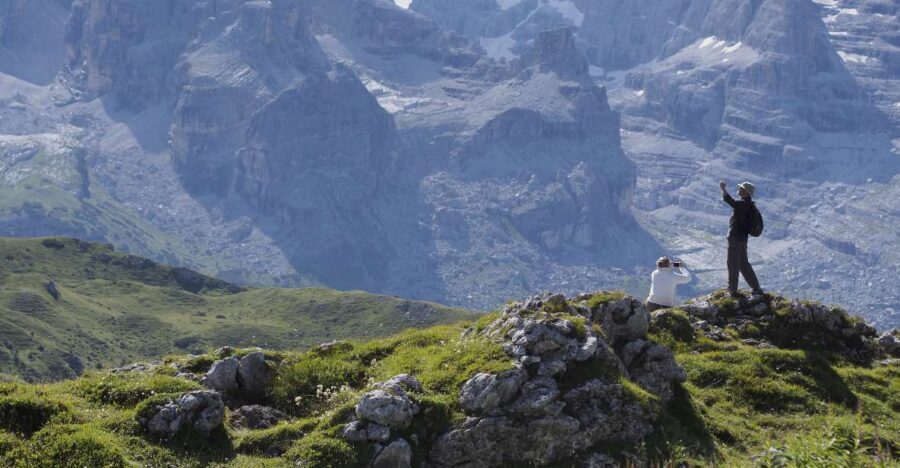
- Pordoi Pass from Sass Pordoi: the best moment for panoramic Dolomites Terrace views of the Sella/Marmolada group
- Ortisei’s wooden architecture: carved details, traditional mountain-resort feel, and time to stroll
- A guided UNESCO day in one loop: multiple valleys and viewpoints connected by bus
- Lunch is on your own for about two hours: plan to eat nearby and keep moving on schedule
- Cable car cost adds up: Sass Pordoi summit access is not included and is weather-dependent
From Castelvecchio to the Dolomites: how the day really begins
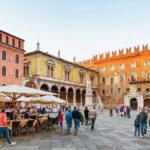
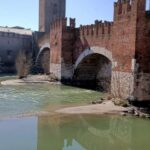
The tour starts with a meet-up in Verona right in the center of things. You’ll head to the Camillo Benso di Cavour statue area, by Bar cafè Roma33, and you’ll board the bus from there. The flow is straightforward: meet your guide, get on, and then you leave Verona behind on a toll road toward the mountains.
The best part of this beginning stage is that it’s not just transport. Your guide keeps the day moving with context as you pass through mountain-facing towns and valley areas. If you like having someone point out what you’re looking at—rather than staring out a window with zero clue—that’s a real plus here.
It’s also when you’ll feel whether you’re the type who handles long days well. The tour runs about 11 hours, so even with scheduled stops, you should expect a full-day rhythm. Wear comfortable shoes from the start, because even “short” walking segments add up in a place like this.
You can also read our reviews of more guided tours in Verona
Coffee, Soraga Lake, and valley towns: the warm-up you’ll appreciate
Before you hit the main climb toward the Dolomites, the plan includes an early stop for coffee. It’s a small detail, but it matters. A day at elevation is easier when you start awake, fueled, and not rushed.
From there, you’ll pass by Soraga Lake and also drive through or near towns like Moena and Cavalese (the exact sequence can vary as the route follows the day’s plan). These stops aren’t the headline like Sass Pordoi, but they’re part of why the tour feels balanced. You see more than one “kind” of mountain scenery: lakeside calm, valley town texture, and then the dramatic rock-and-ridge views as you gain altitude.
One practical thought: take a look at your timing. You’ll reach the big viewpoint area around noon, which means the morning is about positioning and building anticipation. If you’re someone who likes to photograph in soft morning light, you won’t get hours up top, but you can still capture plenty as the scenery opens up.
And yes, you’ll be on windy roads at times. Plan to bring your own water and keep it handy. Even when the day is sunny, the drive can be long and a bit physical.
Sass Pordoi at noon: Pordoi Pass views and the Dolomites Terrace moment
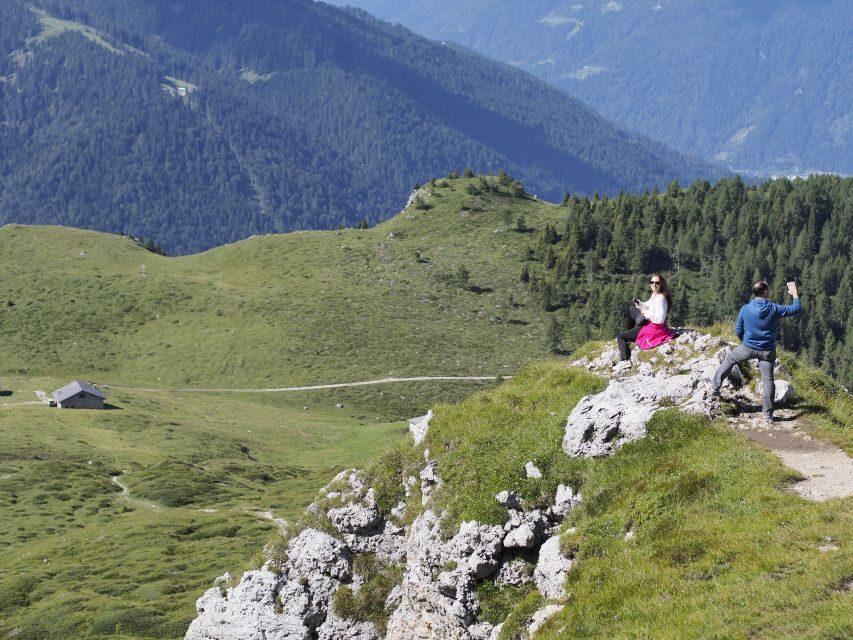
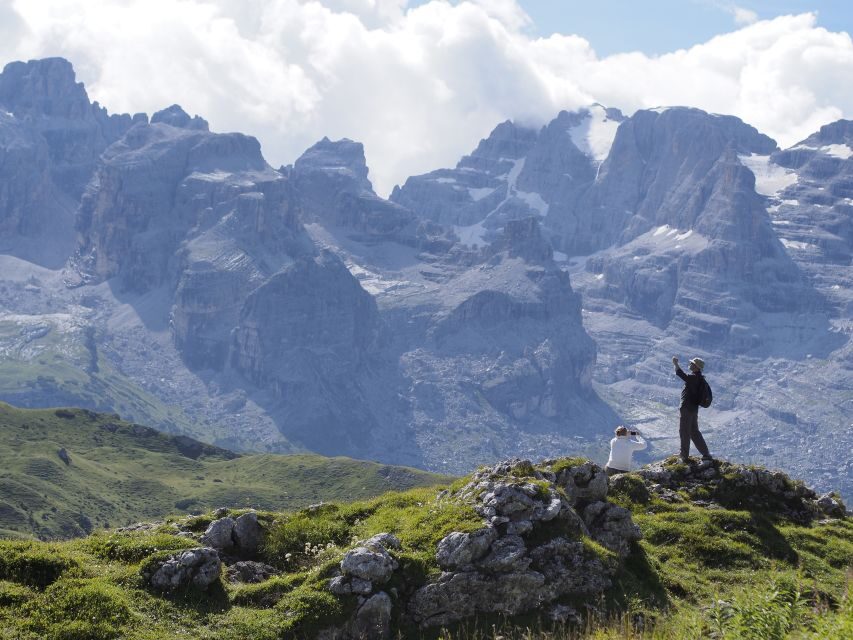
The core highlight lands around noon in Sass Pordoi (near Canazei). Your guide will fill you in on local context as you arrive, which helps the views make sense fast. This is one of those places where you can look in one direction and feel like you’re staring at a postcard, then turn and realize you’re in the middle of a whole mountain system.
You’ll get about two hours free time for lunch and to soak up the scenery. This free time is key. It’s enough to eat, walk a little, and not feel like you’re being whisked through. You’ll also want time to figure out your cable car timing, because the main summit viewpoint comes next.
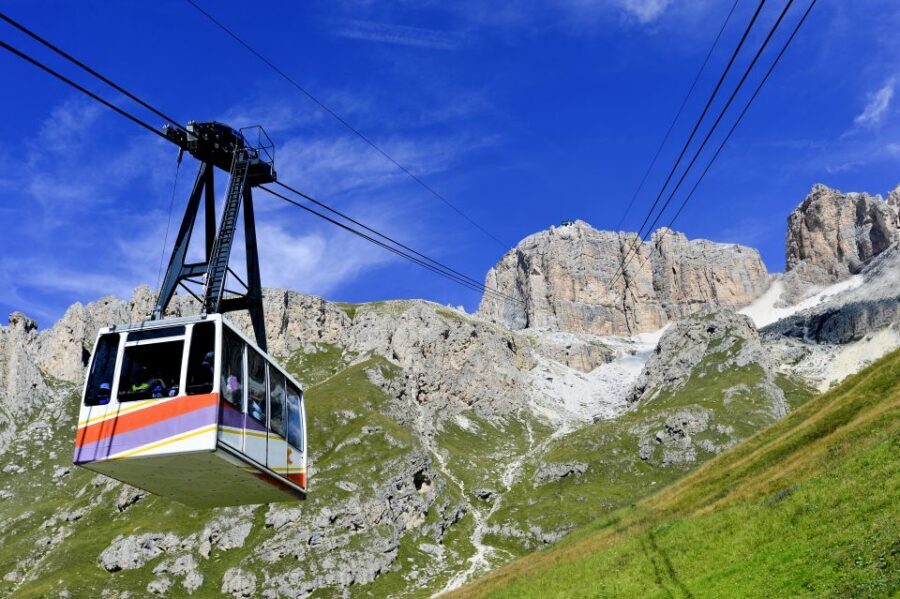
To reach the best panorama, you’ll take the cable car to the summit at Sass Pordoi. From there, you can see the Sella/Marmolada mountains group from the famed Dolomites Terrace. This is why the tour is worth it for a first-timer. One ride gives you the “wow” factor without needing hiking plans or a multi-night base.
A reality check: the cable car is not included in the tour price. The summit access costs €27 per person. Also, the ride can be affected by conditions like high winds and rain, so you should keep expectations flexible. If your heart is set on getting to the top, aim for a day when weather looks stable.
Lunch timing and free time: how to avoid wasting your two hours
Those two hours at Sass Pordoi are your buffer. Use them like this: decide first whether you’ll snack or go for a real lunch, then leave yourself enough time to get your bearings and ride up without panicking.
Because you’re at elevation, keep an eye on how you feel. Even in good weather, it’s cooler than you might expect in the valleys. Warm layers help. Comfortable shoes matter too, because you’ll likely take a few paths around viewpoint areas even if you’re not hiking.
If you’re thinking budget: food and drinks are not included. Plan to pay for lunch on-site, and don’t assume you’ll find the same prices you’d see back in Verona. Having a flexible plan makes the day smoother.
One more money-saving detail from real-world experience: there can be a group discount for the cable car if you pay in cash. One account noted €23 instead of €27 if paying cash, but cards may cost the listed amount. It’s worth asking your guide when you’re there, especially if you prefer certainty.
Ortisei in the afternoon: wooden buildings, carvings, and a slower pace
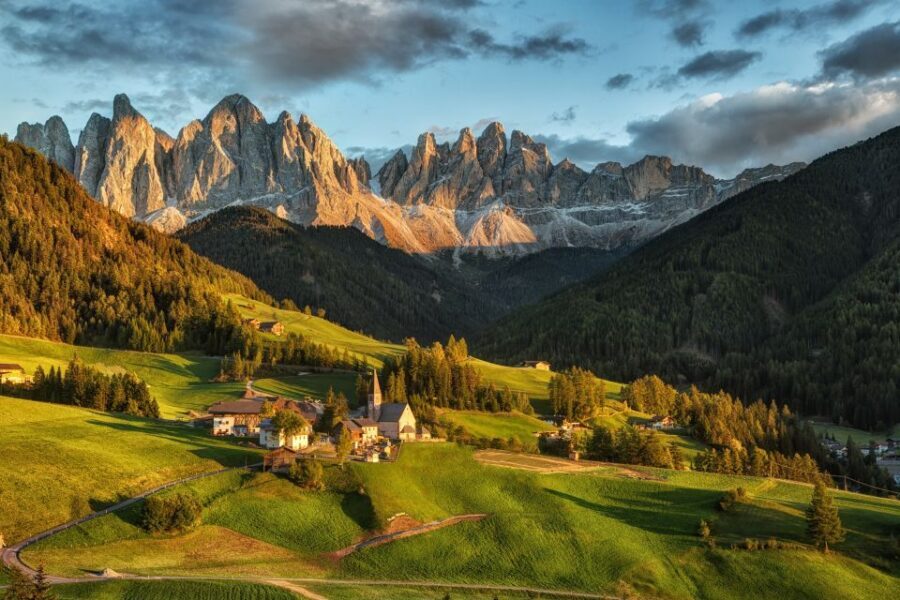
After the high viewpoint, the afternoon shifts gears. You’ll visit a typical mountain resort area and then spend time in Ortisei, where the focus is on the town’s traditional look. This is where you get the quieter, human side of the Dolomites.
Ortisei stands out for its wooden buildings and wood carvings. Instead of just looking up at rock walls, you get to look at craftsmanship. It’s the kind of place where a slow stroll helps. You’ll have time to browse and pick up souvenirs, too, including Dolomites-themed items from local shops.
How long is this stop? The plan describes it as time to explore and buy a souvenir, and it’s often treated as a lighter, more relaxed portion compared to Sass Pordoi. That’s a good thing, because by afternoon your legs have already done a chunk of the day’s walking.
Ortisei works well if you want a mountain town vibe rather than another viewpoint. If you’re the kind of traveler who likes small-town detail—doorways, balconies, carved signs—Ortisei delivers.
You can also read our reviews of more tours and experiences in Verona
The bus ride reality: comfort, breaks, and why water matters
Yes, you’re riding a bus for much of the day. That’s not a deal-break for many people—it’s part of how you do a lot in one trip—but it does change what you should bring.
In particular, plan for:
- long stretches of driving, especially later in the day
- windy roads and elevation, which can feel more intense than you expect
- limited opportunities to reset your body, because the schedule is built around viewpoint time
A note that came up clearly: the later portion of the ride can feel like a long stretch without much of a break. It’s the only real complaint style I’d put in the “logistics” bucket. If you know you get restless on long bus days, bring something to stay comfortable—water, a snack, and a layer you can adjust.
This is also where good shoes help again. Even if walking time looks “short” on paper, uneven sidewalks and hillside angles can add up.
Price and value: what the €147 buys, and what to budget next
At $147.27 per person, this tour is a solid entry into the Dolomites if you’re limited on time. You’re paying for bus transportation plus a live guide, and the itinerary is built to hit multiple zones: valley passes on the way, Sass Pordoi at noon, then Ortisei in the afternoon.
The cost you’ll need to add is straightforward: the cable car pass to the Dolomites Terrace summit is €27 per person. Food and drinks are not included, so lunch and any snacks you buy will be on you too.
When you combine it all, you’re essentially budgeting for a guided day with a major viewpoint upcharge. That’s not cheap, but it’s also not random pricing. You’re paying to compress a big region into a single organized day so you don’t have to plan transport, route timing, and where to stop.
If you’re doing the math, here’s how to decide if it feels fair for you:
- If you want to see the Dolomites but you can’t stay overnight, the value is strong.
- If you already plan to ride cable cars and eat out multiple times, you might prefer a multi-day base trip instead.
- If you hate long bus days, the price might feel too high for the time sitting.
The tour shines for people who want one excellent sample—not for those who want freedom to linger in every town.
Who this tour is best for (and who should skip it)
This is a great fit if you:
- want a Dolomites intro without planning a whole logistics chain
- like the idea of a guided day with viewpoints and town time
- appreciate traditional mountain towns like Ortisei, not just scenic overlooks
- can handle cool mountain air and a long day on the road
It’s less ideal if you:
- need wheelchair accessibility, since the tour is not wheelchair accessible
- want a truly relaxed pace, since you’ll be following a schedule for many hours
- are extremely sensitive to windy conditions and elevation, since mountain weather can affect cable car operations
Also, pets aren’t allowed (assistance dogs are allowed). If that matters for your planning, you’ll want to make backup arrangements.
Weather and cable car tips: plan for changes without stress
Dolomites days can swing fast. On the day of the experience, one account noted the cable car was down due to high winds and rain. That doesn’t mean it always happens, but it does mean you should treat summit plans as dependent on conditions.
A calm approach helps:
- Bring warm clothing even if Verona is warm when you leave.
- Wear comfortable shoes so you can move even if weather changes your plans a bit.
- Keep a flexible mindset about the exact timing of the cable car.
If you’re a photographer, you’ll likely find some version of good light even when the sky isn’t perfect. But if your priority is a clear summit panorama, the best strategy is choosing a day with stable weather.
Should you book the Verona-to-Dolomites day trip?
I’d book it if you want a high-impact Dolomites day that hits the right mix: a major viewpoint at Sass Pordoi, guided context, and a real town stop in Ortisei with wooden craftsmanship. It’s a good use of money when you can’t spend a few nights in the mountains, and it’s a sensible plan when you’d otherwise struggle to connect transport between key areas.
I would think twice if you’re sensitive to long bus hours, you hate paying add-ons (the cable car is extra), or you need wheelchair access. In those cases, a different format—like staying overnight in one valley—could match your pace better.
FAQ
What’s included in the Verona to Dolomites guided tour?
The tour includes transportation by bus and a tour guide. The cable car pass to the Dolomites Terrace is not included, and food and drinks aren’t included either.
How long is the tour from Verona?
The duration is listed as 11 hours.
Where do I meet the guide in Verona?
You meet the guide at the Camillo Benso di Cavour statue in the center of the square, in front of Bar cafè Roma33.
How much does the cable car cost?
The cable car pass to the summit of Sass Pordoi (Dolomites Terrace) costs €27 per person.
What should I bring and wear?
Bring comfortable shoes and warm clothing for mountain weather and elevation.
Is the tour wheelchair accessible?
No. The tour is not wheelchair accessible.