REVIEW · VERONA
From Verona: Amarone Half-Day Wine Tasting Tour
Book on GetYourGuide →Operated by Pagus Wine Tours® · Bookable on GetYourGuide
That first sip of Amarone makes the hills worth it. This half-day tour gives you real Valpolicella variety and a small-group setup that makes it easy to ask questions. The only watch-out is timing: it is a tight 3.5 hours, so you need to be happy with short stops rather than lingering.
I like how the day mixes place and wine. You get the scenic feeling of San Giorgio di Valpolicella—with its Romanesque parish church and great valley views—before you head into cellar cool. Then you taste the wines in an order that actually teaches you something, from classic styles up to Amarone and Recioto.
One more practical note: you’ll be walking a bit on uneven ground and you should wear comfortable shoes and a light jacket. The cellar stays at a steady 15°C (59°F), even if Verona is warm outside, so bring something you can stand being chilly in.
In This Review
- Key things I’d pencil in first
- Why Valpolicella tastes like something you can explain later
- From Pagus Wine Tours to San Giorgio di Valpolicella in real time
- The ride through the Valpolicella hills: air-conditioning counts
- Amarone vineyard visit: drying room smells and cellar cool
- Your four-wine flight: Valpolicella, Ripasso, Amarone, Recioto
- What you learn about Amarone and Recioto (without getting lost in jargon)
- Food pairings that actually support the tasting
- Why the small-group format is the real upgrade
- Price and timing: does $106 feel fair for a 3.5-hour day?
- Who should book this Amarone half-day tour (and who should skip it)
- Should you book it? My practical call
- FAQ
- How long is the Verona to Valpolicella Amarone half-day wine tasting tour?
- Where do I meet for the tour?
- Is hotel pickup included?
- What group size is this tour limited to?
- What language is the tour guide?
- Will the tour run in bad weather?
- What wines will I taste?
- What food is included during the tasting?
- How cold is the cellar?
- What should I bring?
Key things I’d pencil in first
- Small group (max 8) means you can talk with the guide and sommelier, not just listen
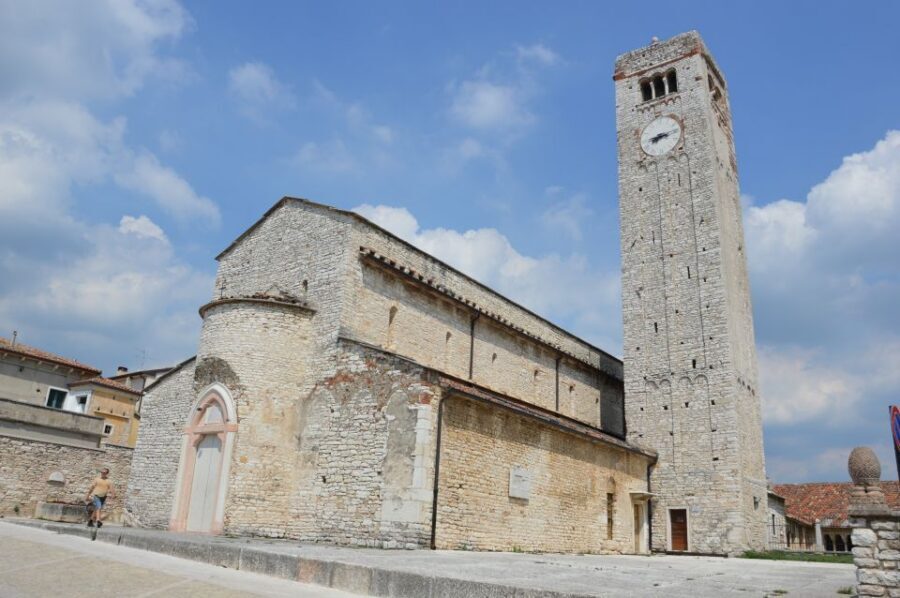
- San Giorgio di Valpolicella stop adds context and views, not just a photo break
- Amarone production explained through the tasting process, including the grape drying phase
- Four-wine flight typically includes Valpolicella, Ripasso, Amarone, and Recioto
- Snacks are part of the tasting rhythm: bread, cheese, and/or salami
- Cellar is cool year-round at 15°C, so pack a jacket even for sunny days
Why Valpolicella tastes like something you can explain later
Valpolicella is one of those wine regions that can feel confusing at first—until you taste through the styles in a smart order. On this tour, you don’t just sample random bottles. You work through the logic of the area: how different techniques and grape handling create distinct flavors.
The star for most people is Amarone. It is famous for being intense and layered, built from grapes that are carefully harvested and then dried before fermentation. Recioto is also part of the story, and it shows the sweeter side of the same tradition.
What makes this tour feel valuable is that the guide acts like a translator. You’ll learn what the wines are trying to do—so later, if you see Amarone or Recioto on a menu, you’ll know what you are tasting for.
You can also read our reviews of more food & drink experiences in Verona


From Pagus Wine Tours to San Giorgio di Valpolicella in real time
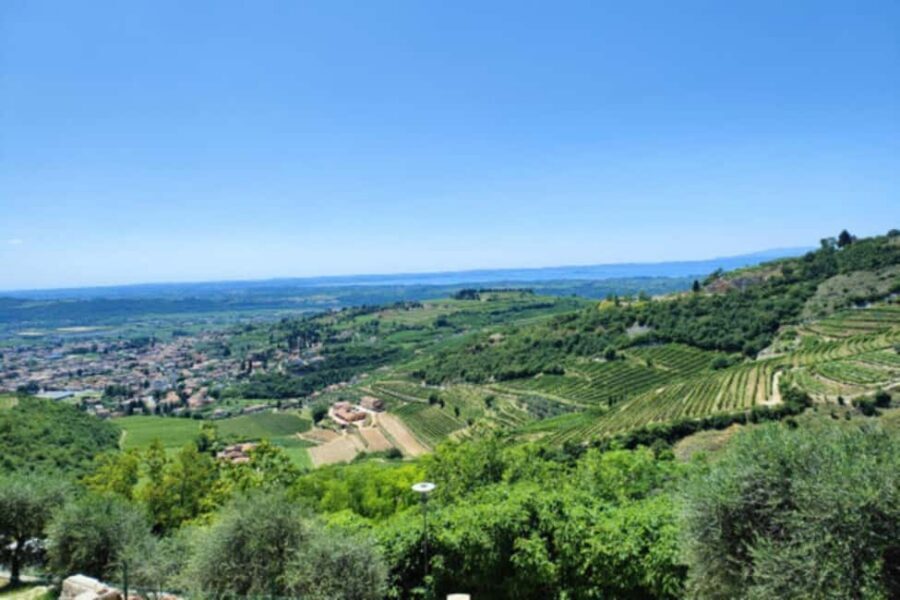
You meet at the office of Pagus Wine Tours®. That matters because you do not waste time hunting a pickup window or waiting around. Once you’re in the air-conditioned van, the tour quickly gets moving toward the Valpolicella hills.
The stop in San Giorgio di Valpolicella is about 30 minutes, which is long enough to feel the place without turning it into a full sightseeing day. You’ll admire the Romanesque parish church and notice the intricate stonework details. Even better, the village gives you panoramic views over the surrounding area, which helps you understand why vineyards cling to these slopes.
Practical tip: plan for short walking. The tour is not described as a long hike, but the ground can be uneven, especially around historic church areas. Comfortable shoes are not optional.
The ride through the Valpolicella hills: air-conditioning counts
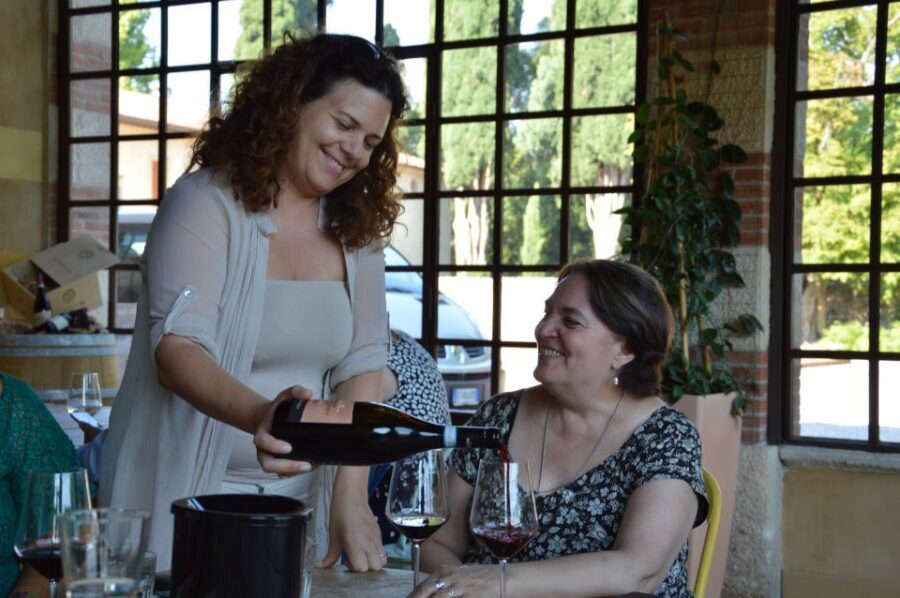
You travel in an air-conditioned van, which is a big deal in Italy when the day warms up. It keeps the experience comfortable, so your attention stays on the scenery and the guide’s explanation instead of on heat.
As you ride along the Valpolicella wine route, you’ll see terraced hills and vineyards. These terraces are not just pretty views. They hint at why Valpolicella wines developed their particular style—slope farming, careful vineyard work, and the patience needed for grapes that later go through specialized handling.
If you are the kind of person who likes to connect the dots, this transit portion helps. You get visual context before the cellar tasting, which makes the wines easier to follow.
Amarone vineyard visit: drying room smells and cellar cool
The main producer stop is where the day clicks into place. You’ll visit an Amarone vineyard and hear how the wine’s reputation comes from the grapes and the meticulous method behind the bottle.
A key moment is the grape drying process. You may even peek into a drying room for a quick whiff—yes, it is brief, but it gives you a sense of what changes when grapes lose water and concentrate flavors. That smell and concept stick far better than a lecture.
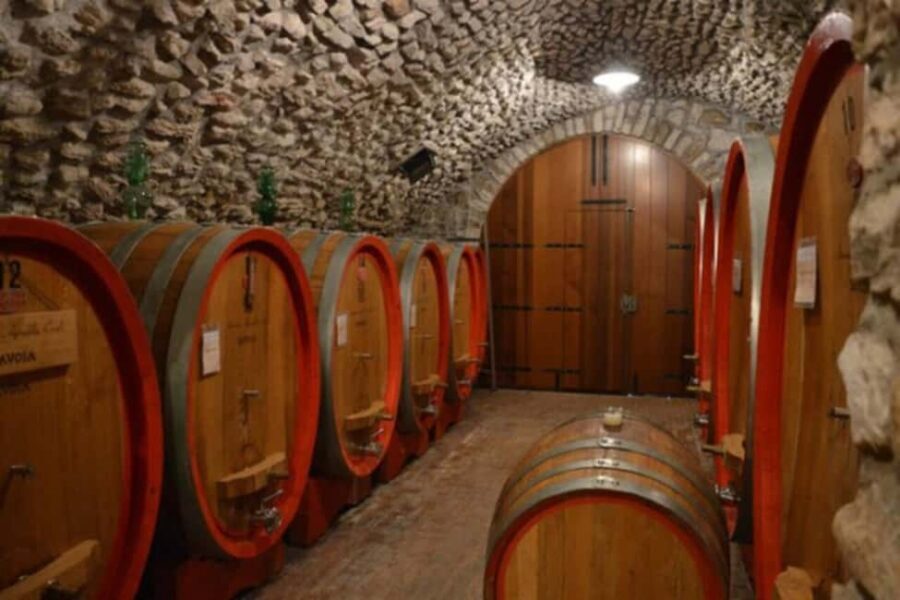
Then you head down to the wine cellar. Expect the temperature to stay at 15°C (59°F). This is a practical detail that affects your comfort and your enjoyment. You’ll want to wear a jacket you can handle, especially if you arrive from a warmer outdoor view.
Your four-wine flight: Valpolicella, Ripasso, Amarone, Recioto
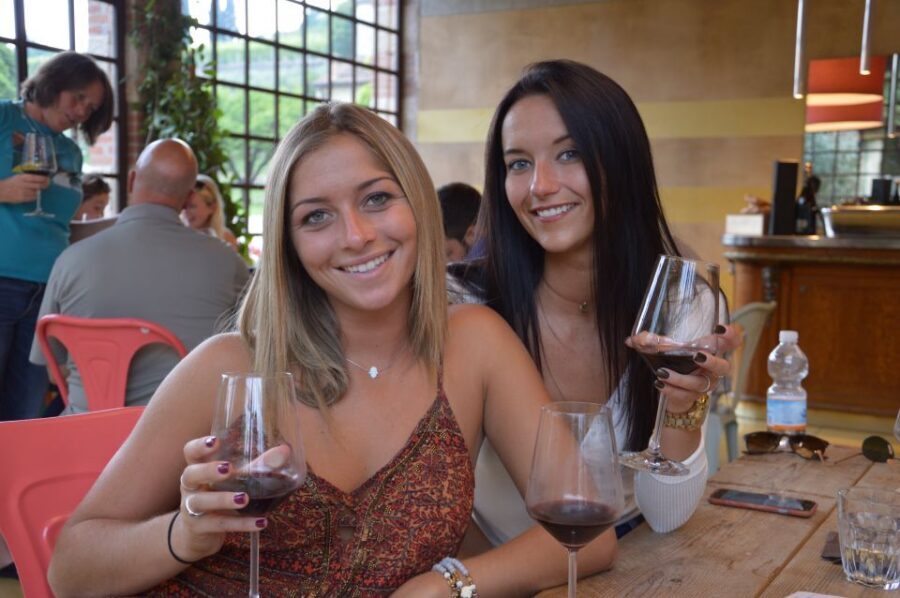
At the cellar, you’ll taste a flight of at least four Valpolicella wines. The typical lineup includes Valpolicella, Ripasso, Amarone, and Recioto. This is a smart spread because it lets you compare styles that are connected by tradition but different in technique and taste.
Bread, cheese, and/or salami are matched with the wines, so you’re not stuck tasting only liquids. The food helps you reset your palate between pours. It also makes the tasting feel more like a local meal rhythm than a classroom.
How I’d approach the tasting so you get the most out of it:
- Start by noticing aroma, not just flavor. Amarone and Recioto can shift from one sip to the next as the wine opens.
- Compare “dry” vs “sweet” expectations early. Recioto gives you that sweeter contrast, while Amarone tends to feel more powerful and structured.
- Don’t be shy about asking what your guide would pair with your favorite style. That’s where the sommelier part of the experience pays off.
Even if you’re a beginner, you can keep it simple: pick one wine you liked most, then ask how that style is made differently from the others.
You can also read our reviews of more wine tours in Verona


What you learn about Amarone and Recioto (without getting lost in jargon)
The tour frames Amarone as a wine with a reputation that goes way back. You’ll hear it has been considered legendary since Roman times, and you’ll connect that to today’s production approach.
The most important lesson is the process. You’ll learn about careful harvesting, drying, and fermentation. The tour also describes Amarone as a meditation wine—meaning it is meant to be savored slowly rather than treated like a quick toast.
You’ll also get the idea that these wines aren’t only about grapes. The grapes plus the time and handling create the personality in the glass. Once you grasp that, Amarone and Recioto stop feeling random and start feeling logical.
For Recioto in particular, you’ll understand why it often lands sweeter and more dessert-like than people expect. That can change how you plan your dinner after the tour—maybe you lean toward something simpler, or maybe you plan a course later to match that sweetness.
Food pairings that actually support the tasting
One of the best parts of this tour is that the snack pairing is not an afterthought. You’ll nibble alongside the wine flight with bread plus cheese and/or salami. It helps your palate move through salty, fatty, and neutral flavors so each wine has space to show itself.
It also keeps the pacing friendly. You are out for 3.5 hours total, so you want steady energy. The included food makes the experience feel complete, not like you’re waiting for the next tour segment while hungry.
Also, if you are tempted to buy wine after you taste, having small snacks first makes it easier to evaluate what you really enjoyed instead of what hit your taste buds on an empty stomach.
Why the small-group format is the real upgrade
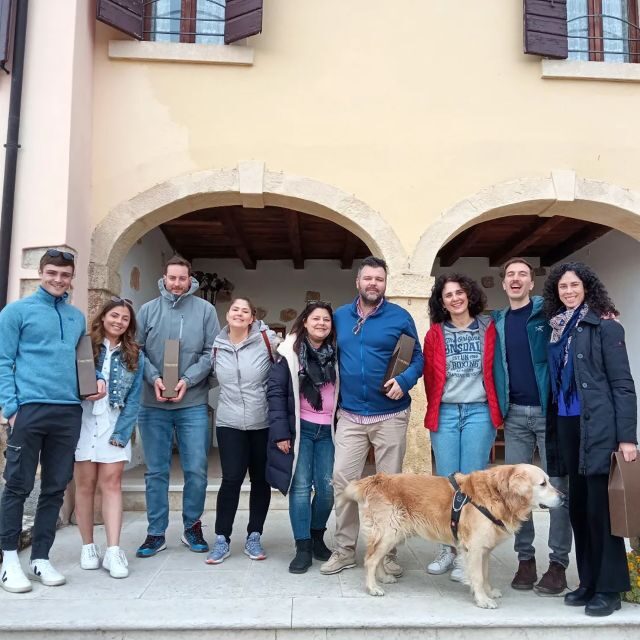
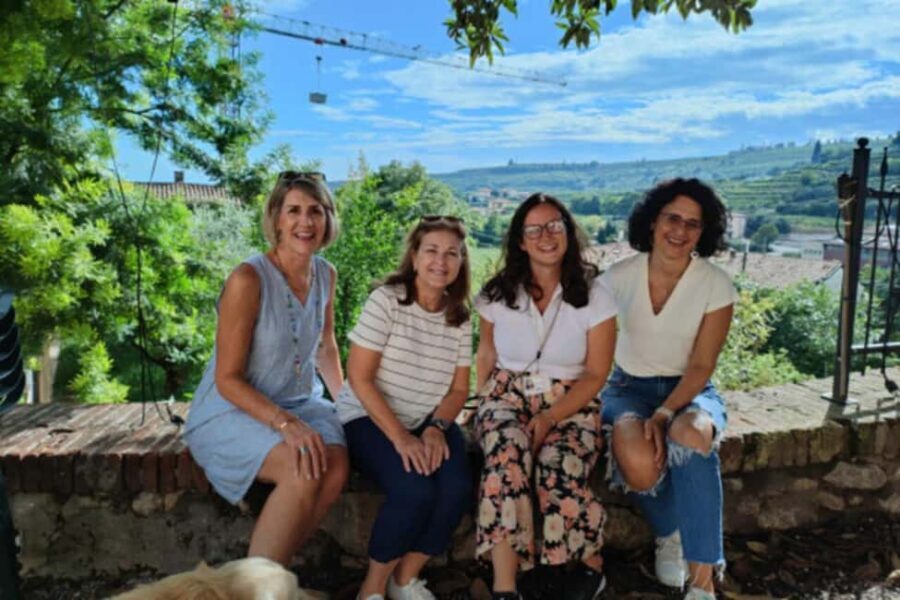
This is limited to 8 participants, and that changes everything. In a big group, you often hear the guide but don’t get to ask follow-ups. Here, the English live guide and the sommelier attention feel more direct.
In reviews, you’ll see names like Anna, Michele, Roberto, Alice, Carlo, Sofie, Marco, Emma, and guides who translate and support the tasting experience at the winery. The point for you is the same: you’re not stuck with vague explanations. You get real back-and-forth.
If your favorite part of traveling is learning the story behind what you’re tasting, this small-group approach makes the time feel well spent. You’re likely to leave with at least one or two wines you could confidently describe later.
One last humorous practical detail: one person joked that they might want to “ditch excessive shoes” to fit more bottles in a suitcase. That is a very real risk with wine tours. If you think you might buy something, wear shoes you can live in for a day and plan how you’ll transport bottles home.
Price and timing: does $106 feel fair for a 3.5-hour day?
At $106 per person for about 3.5 hours, you are paying for more than a tasting room. You’re getting:
- transport in an air-conditioned van
- a driver/guide/sommelier
- the village visit in San Giorgio di Valpolicella
- an Amarone vineyard stop plus a winery visit
- a tasting flight of at least four wines
- included bread, cheese, and/or salami
So the value isn’t only in the wine. It is in the structure and the guidance. You get context before the cellar pours, and you get a tasting that follows a connected story instead of random sampling.
If you tried to DIY this on your own, you’d still need transport, language support, and access to a producer willing to host a tasting. Paying for that planning and coordination is what makes the half-day work for people with limited time in Verona.
Who should book this Amarone half-day tour (and who should skip it)
This tour is best for you if:
- you want a short, focused Valpolicella day without turning it into a whole itinerary project
- you care about understanding Amarone and Recioto production, not just drinking wine
- you like small groups where questions feel normal
- you enjoy pairing wine with simple local food
You might consider something else if:
- you need a wheelchair-accessible experience. This tour is not suitable for wheelchair users.
- you hate cool cellars. It stays at about 15°C, so you’ll want that jacket.
If you’re visiting Verona and want a countryside winemaking experience that still fits into your schedule, this hits a practical sweet spot.
Should you book it? My practical call
Book it if you want a guided Valpolicella intro with the Amarone process made clear. The best reason is the combination: San Giorgio di Valpolicella views + Amarone vineyard context + a four-wine tasting flight with food.
I would not oversell it as a long wandering countryside day. It is short on purpose. You get enough to understand the wines and feel the region, then you head back to Verona.
If you love wine, go. If you’re curious, go too. Either way, bring comfortable shoes, pack a jacket for the cellar, and plan to taste slowly. Amarone rewards that kind of attention.
FAQ
How long is the Verona to Valpolicella Amarone half-day wine tasting tour?
The tour lasts about 3.5 hours.
Where do I meet for the tour?
Meet at the activity provider’s office, Pagus Wine Tours®.
Is hotel pickup included?
No, hotel pickup is not included.
What group size is this tour limited to?
It’s a small group limited to 8 participants.
What language is the tour guide?
The live tour guide speaks English.
Will the tour run in bad weather?
Yes, it runs rain or shine.
What wines will I taste?
You’ll taste a flight of at least four Valpolicella wines, including Valpolicella, Ripasso, Amarone, and Recioto.
What food is included during the tasting?
Bread, cheese, and/or salami are matched with the wines.
How cold is the cellar?
The cellar temperature is constant at 15°C (59°F).
What should I bring?
Bring comfortable shoes and a jacket.