REVIEW · VERONA
Verona Scavenger Hunt and Highlights Self Guided Tour
Book on Viator →Operated by World City Trail - Verona · Bookable on Viator
Verona gets easier when you give it a game. This self-guided scavenger hunt turns a casual walk into a focused route through the city’s best-known outdoor stops. I love that you cover ten attractions without hunting down maps, and each stage is built around a riddle tied to what you’re looking at.
The second thing I like is the flexibility: you can slow down, stop for coffee or lunch, even step into a museum, then continue later when you’re ready. The main drawback to plan around is that the first clue can feel confusing, so I’d suggest starting with a little patience (and having at least one backup phone can help).
In This Review
- Key things to know before you go
- Verona as a game: why this route feels practical
- Price and value: $7.83 per person for an easy win
- What you actually do: the app, the puzzles, and the pace
- Start at Arena di Verona: your easiest meetup
- Walking the historic core: Arena to Porta Borsari to Piazza dei Signori
- Arena di Verona (Stop 1)
- Porta Borsari (Stop 2)
- Opera in Love, Romeo & Juliet area (Stop 3)
- Piazza dei Signori (Stop 4)
- Santa Anastasia and the bridges: where the game slows you down
- Basilica di Santa Anastasia (Stop 5)
- Ponte Pietra (Stop 6)
- Ponte della Vittoria (Stop 7)
- Castelvecchio museum area: two puzzle stages worth planning for
- Museo di Castelvecchio (stops around the museum area)
- Playing as a team: families, friends, and first-time Verona planning
- Tips to avoid the one snag: a confusing first clue
- Timing, hours, and a realistic two-hour expectation
- Who should book this scavenger hunt?
- Should you book it?
- FAQ
- How long is the Verona scavenger hunt?
- Where does the tour start and end?
- Is it self-guided?
- Do I need to buy attraction entrance tickets?
- What app do I need?
- Can I pause and resume later?
- Which languages are available?
- Is it private for my group?
- What hours is it available?
- Is free cancellation available?
- Are service animals allowed?
Key things to know before you go
- App-led route, no tickets required: every puzzle is tied to outdoor areas, so you won’t need to pay for entrances to complete the game.
- You control the pace: do it in one go, or pause anytime and resume later.
- Ten attractions, one flow: the route links major sights like Arena di Verona, Porta Borsari, bridges, and Castelvecchio.
- Good for families: simple puzzles make it a practical way to keep kids (and adults) engaged.
- A small start-up hurdle: the opening clue may need a second look before it clicks.
Verona as a game: why this route feels practical
Verona can be one of those cities where you arrive with a great plan… and then spend your day doing the math of where everything is. This format flips that. Instead of studying streets and timelines, you follow the next spot in the story, solve a riddle, and move on.
What makes it especially workable is that it’s built for outdoors. You’re not stopping every five minutes to queue at ticket booths. You’re looking at the street-level Verona that you’ll actually see whether you’re on your first visit or returning for a second pass.
And yes, it’s still sightseeing. You get the Arena di Verona in front of you early, then you sweep through the historic core where the city’s rhythm shows up in squares, gates, churches, and bridges.
You can also read our reviews of more guided tours in Verona

Price and value: $7.83 per person for an easy win
At $7.83 per person for about two hours, this is one of those deals that makes sense the moment you compare it to typical paid tours. You’re not paying for a live guide’s time. You’re paying for structure: a route through ten key spots, delivered through a smartphone app, with puzzles that keep you from drifting.
The biggest value kicker is that entrance fees aren’t part of the experience. Since every puzzle points to outdoor areas, you can keep your day budget under control. If you do decide you want to enter a museum anyway, you can—but it’s optional, not required to finish the game.
You also get a small “team” advantage. You can play as a group with friends or family, and you can skip stages if you need a breather. For families, that flexibility matters more than people expect.
What you actually do: the app, the puzzles, and the pace
This tour runs through the World City Trail app on your mobile. After downloading, you follow app-navigation to each stop and solve a location-based riddle. Each time you solve it, you get interesting information about that attraction and about Verona itself.
A key detail: you can pause at any time. If your group needs coffee, lunch, or a museum break, you don’t have to “rush” the game. You can step away, come back later, and continue. That’s a big deal in Verona, where food stops and slow wandering are not optional—they’re part of the point.
Also pay attention to how you want to play:
- If you like a steady walk, do the full route in one go.
- If you like your city days lighter, you can take breaks and stretch the experience.
Start at Arena di Verona: your easiest meetup
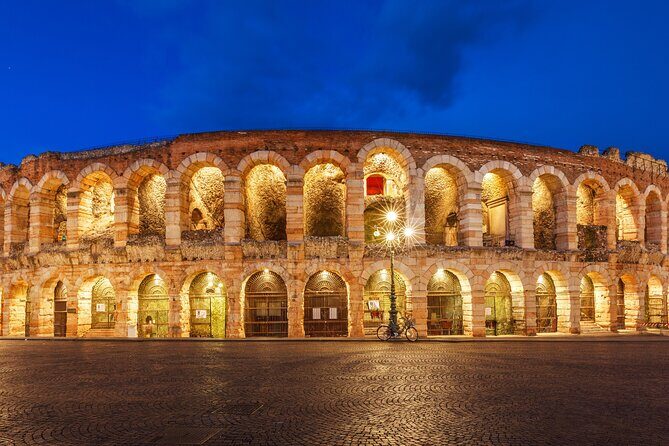
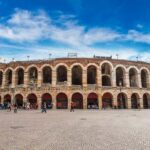
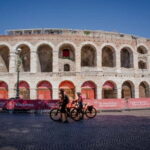
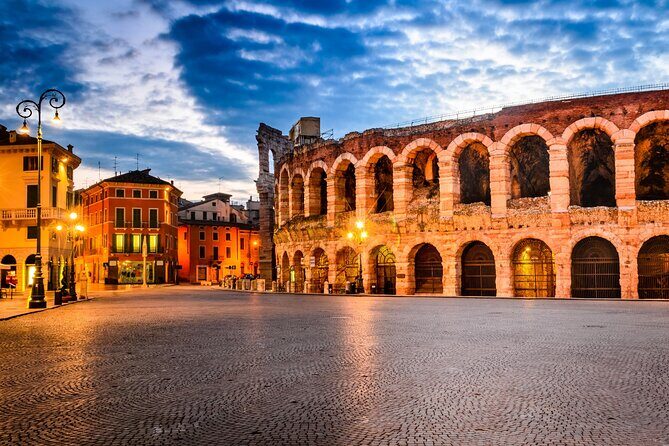
Your start point is right where you want it: Arena di Verona, Piazza Bra 1, 37121 Verona VR. You also finish back at the same meeting point.
Why that matters: you avoid the stress of getting to a far-off corner of town just to begin, and you don’t have to figure out a “how do we get home?” ending. If you’re using public transportation, being near it also helps you drop in without turning the day into a logistics exercise.
The Arena is a strong opening. Even if you’re not yet deep into the historic details, the scale and setting instantly tell you you’re in the right place to start a city route.
Walking the historic core: Arena to Porta Borsari to Piazza dei Signori
Once you start, the game keeps you moving through Verona’s core highlights in a logical flow. Here’s the vibe of this early stretch.
You can also read our reviews of more tours and experiences in Verona

Arena di Verona (Stop 1)
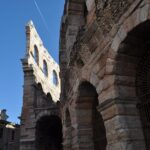
You begin with the Arena di Verona, and that’s a smart move. It’s a recognizable landmark that gives you an immediate sense of direction. You’re also outside, so the “start-up energy” is good—no ticket lines, no waiting around, just the city in front of you while you get used to how the puzzles work.
Porta Borsari (Stop 2)
Next up is Porta Borsari, known as a World Heritage Site. Even if you don’t go deep into the long-term history, the riddle format nudges you to look more carefully at the gate itself and the way it sits inside the street fabric around it.
This is one of the advantages of playing a game while sightseeing: you stop treating landmarks like postcards and start treating them like clues.
Opera in Love, Romeo & Juliet area (Stop 3)
Then you hit Opera in Love, a Romeo & Juliet-themed stop. Verona does romance well, but it can also become a blur of names. The puzzle approach helps you connect the idea to the actual location you’re standing in. Instead of relying on memory, you’re solving your way into what the scene is about and why this area draws people in.
If you’re visiting with someone who loves the story, this part usually clicks fast because it’s built into the city itself.
Piazza dei Signori (Stop 4)
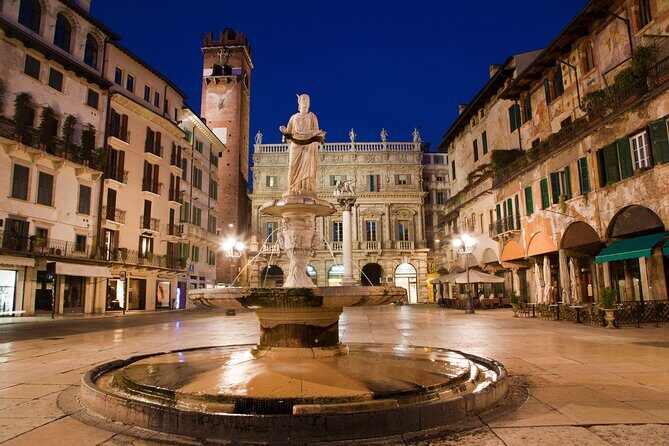
Piazza dei Signori is where the route turns into a walking-and-looking experience. It’s a classic Verona square stop: open air, visible architecture, and enough space that a family or group can stay together while you work through clues.
This is also a good point to check your pace. If your group is moving slowly, you’re still early enough in the route to enjoy the extra time without feeling like you’ve fallen behind.
Santa Anastasia and the bridges: where the game slows you down
After the squares and gates, the route lands on places that feel more intimate and scenic. This is the “take a breath” part of the itinerary.
Basilica di Santa Anastasia (Stop 5)
At Basilica di Santa Anastasia, you’re in the presence of a major church stop, and the riddle format keeps it from becoming just a quick glance. Because the activity stays tied to outdoor areas, you can spend as long as you want on the surroundings without needing to treat the church like a timed appointment.
If you’re the kind of person who likes to observe details from outside, this works well. If you’re expecting an indoor guided commentary, you might feel the absence of that—but the trade-off is that you don’t need entrance tickets to keep going.
Ponte Pietra (Stop 6)
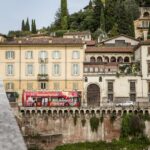
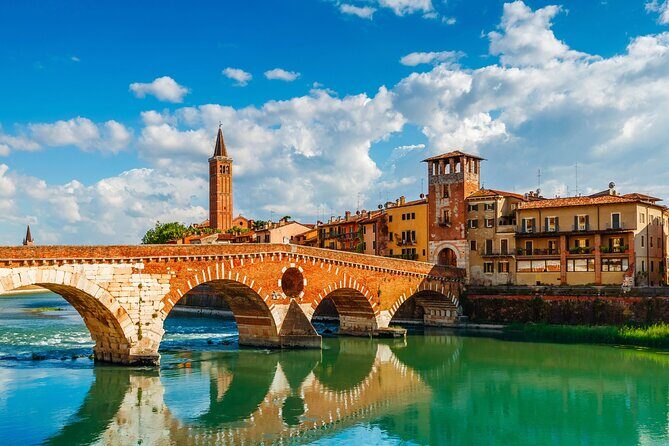
Then comes Ponte Pietra. Bridges are perfect for scavenger hunts because they frame views and give you obvious “checkpoints” for puzzles. This is where the route naturally encourages pauses. You look out, you look around, and the riddle makes you verify what you’re actually seeing.
Ponte della Vittoria (Stop 7)
Finally, in this bridge-and-view stretch, you reach Ponte della Vittoria. The contrast between bridges makes it feel like more than one photo-stop. You’re moving through different visual angles of the city, and the puzzles keep you from speed-scrolling past the good parts.
Castelvecchio museum area: two puzzle stages worth planning for
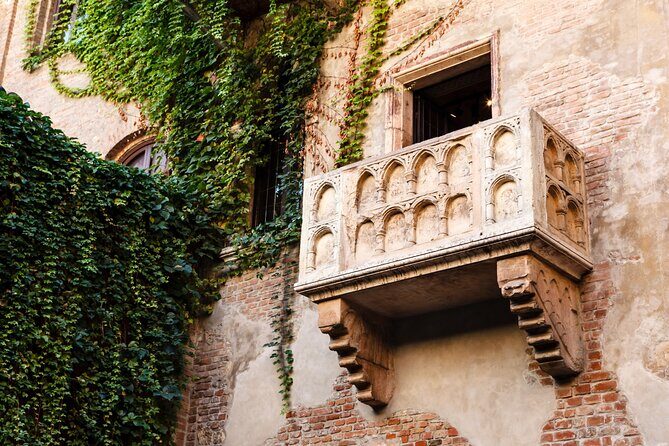
This is the late-game section, and it’s built for lingering. The route includes Museo di Castelvecchio more than once, meaning you’ll get multiple puzzle stages tied to that museum area. That duplication isn’t a mistake you need to worry about—it’s how the route adds depth to your visit without turning it into a rushed checklist.
Museo di Castelvecchio (stops around the museum area)
By the time you reach Castelvecchio, you’ll likely be in the right headspace for slower exploration. If you want to take a real museum detour, you can do it because you’re allowed to pause and resume.
Practical note: because the route continues to focus on outdoor areas for puzzle completion, you can still make progress even if your group decides to skip a full interior visit.
Playing as a team: families, friends, and first-time Verona planning
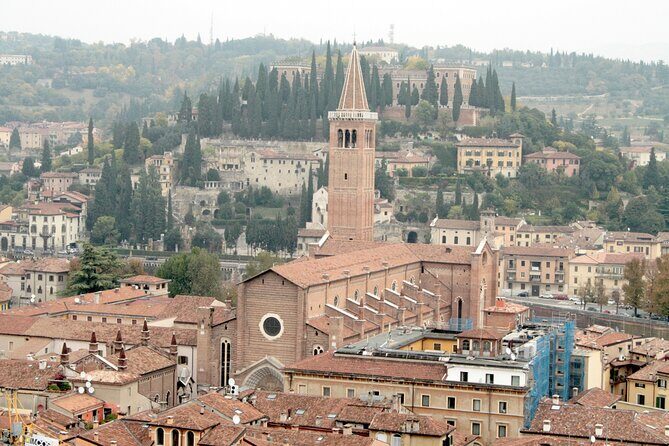
One of the best things about this kind of tour is that it doesn’t force a single pace. You can play as a team with friends or family, solve clues together, and then decide when to sprint and when to stroll.
It’s also a strong match for families. The puzzles are designed to keep the walking from turning into whining. Kids don’t need deep background knowledge to participate, because each stage points you toward what’s in front of you.
There’s also room for flexibility if your group needs it. You can skip stages and stop the game, then resume later. That’s helpful if you’re traveling with mixed ages or people with different energy levels.
Tips to avoid the one snag: a confusing first clue
The most common friction point is the start. The first clue can feel unclear until you realize what the app wants you to look for. My advice is simple:
- Start calmly and give the first stage an extra minute.
- If you’re traveling in a group, split the roles—one person reads the clue logic while another checks the immediate surroundings.
- If you can, have more than one phone available. Multiple devices make it easier to stay coordinated and reduce frustration when you’re working through clues in the open air.
You don’t need a perfect setup—just don’t expect the first minute to feel effortless.
Timing, hours, and a realistic two-hour expectation
The tour is set for about two hours. That doesn’t mean you’ll be walking nonstop for two hours. It means you can typically cover the route comfortably within that window while solving puzzles.
It runs Monday through Sunday, 7:00 AM to 11:30 PM, so you’re not stuck only with one ideal start time. If you’re trying to avoid heat or crowds, choose your start time like you would for any outdoor city walk—earlier is often calmer.
Also remember you can pause anytime. If you plan a coffee stop, build that into your mental schedule. The route is designed to handle real life interruptions.
Who should book this scavenger hunt?
I’d book this if you want:
- a first visit route that covers the essentials without memorizing maps
- a low-cost way to keep a group engaged
- outdoor-focused sightseeing where you don’t need entrance tickets to complete the plan
- an easy structure that lets you move at your own pace
You might skip it if you’re looking for a deep, lecture-style guided tour. This experience is more about you walking the city and interpreting it through puzzles, with facts shown through the app.
Should you book it?
If you’re visiting Verona for the first time and you like your sightseeing to be active, this is a smart buy. The price is low enough that you can take the “try a fun format” risk, and the fact that it works entirely around outdoor areas means you don’t get stuck paying extra just to participate.
Book it especially if you’re traveling with kids or a mixed-energy group. The pause-and-resume flexibility turns it from a “tour” into a flexible Verona plan you can actually live inside.
FAQ
How long is the Verona scavenger hunt?
It takes about 2 hours, approximately.
Where does the tour start and end?
It starts at Arena di Verona, Piazza Bra 1, 37121 Verona VR, Italy, and ends back at the same meeting point.
Is it self-guided?
Yes. You use the World City Trail app with app-navigation for a self-guided route.
Do I need to buy attraction entrance tickets?
No. Entrance fees are not needed for the activity because the puzzles are related to outdoor areas of the attractions.
What app do I need?
You download the World City Trail app.
Can I pause and resume later?
Yes. You can pause at any time for coffee or lunch or to visit a museum, then continue later.
Which languages are available?
English, German, French, Dutch, Italian, Spanish.
Is it private for my group?
Yes. It’s a private activity, and only your group participates.
What hours is it available?
It runs Monday through Sunday from 7:00 AM to 11:30 PM.
Is free cancellation available?
Yes. You can cancel up to 24 hours in advance for a full refund.
Are service animals allowed?
Yes, service animals are allowed.