REVIEW · VERONA
Verona: Private 2-Hour Walking Tour
Book on GetYourGuide →Operated by Veronatours · Bookable on GetYourGuide
Verona rewards quick focus, and this private 2-hour walk delivers it. I love the private guide touch that keeps the pace personal, and I also like how you get both Roman Verona and the romance stops in one clear route without feeling rushed. One note: this is still a walking tour, so you’ll want comfortable shoes and a plan for hills, tight streets, and standing time.
You’ll start at the grand Roman backdrop of Piazza Brà and end right where you began, which makes the whole outing easy to slot into a day. The tour is structured for highlights like Castelvecchio by the Adige and the Porta Borsari arch, then finishes at the Romeo-and-Juliet balcony area. The only potential drawback is that it’s not stated as suitable for people with mobility impairments even though it’s marked wheelchair accessible, so it’s worth checking fit for your situation before you book.
In This Review
- Key highlights people love about this Verona tour
- Starting at Piazza Brà: Roman Verona’s big mood in 10 minutes
- From the Adige to Castelvecchio and Ponte Scaligero
- Porta Borsari: walking past a 3rd-century Roman gateway
- Piazza Erbe: Roman core energy with local everyday life
- Piazza dei Signori and Café Dante: medieval power in the open air
- Scaliger Tombs area: making the rulers feel more real
- The Romeo and Juliet balcony stop in a narrow alley
- Why the private 2-hour format feels like value, not just convenience
- How to get the most from the walk without getting tired
- Who should book this Verona walk
- Should you book this Verona: Private 2-Hour Walking Tour?
- FAQ
- How long is the Verona private walking tour?
- What is the meeting point for the tour?
- Where does the tour end?
- Is this a private group tour?
- What language is the live guide?
- How much does the tour cost?
- Are monument admissions included?
- What should I bring, and what is not allowed?
- Is the tour wheelchair accessible?
Key highlights people love about this Verona tour
- Piazza Brà Roman amphitheater views of a 1st-century AD landmark that’s still in use
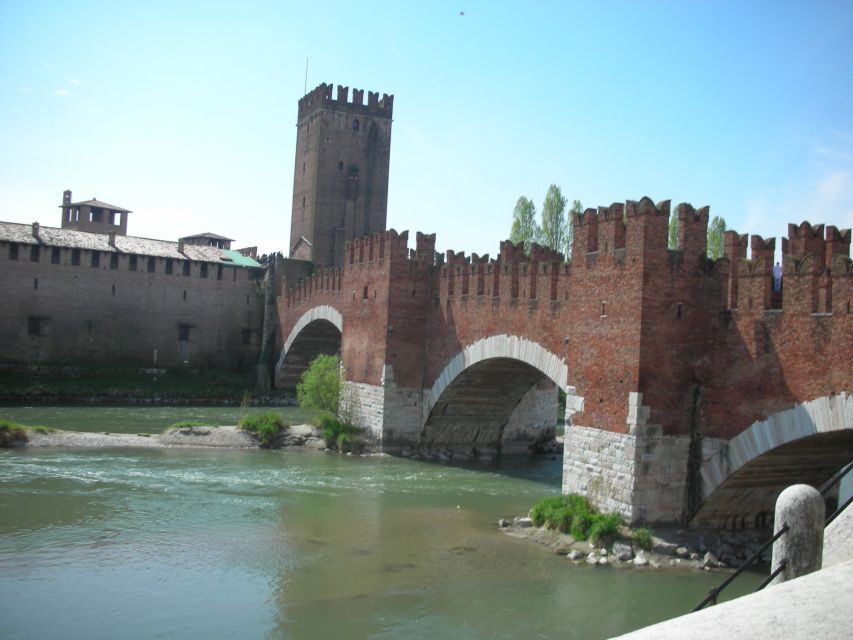
- Castelvecchio + Ponte Scaligero by the Adige, mixing fortress and bridge in the same stretch
- Porta Borsari (3rd century), a Roman gateway you can walk past and really picture the old walls
- Piazza Erbe and Piazza dei Signori, where everyday life and medieval power sit side by side
- Romeo and Juliet balcony stop reached through narrow alley streets
- Private group of up to 15, so the guide can keep things tailored
Starting at Piazza Brà: Roman Verona’s big mood in 10 minutes
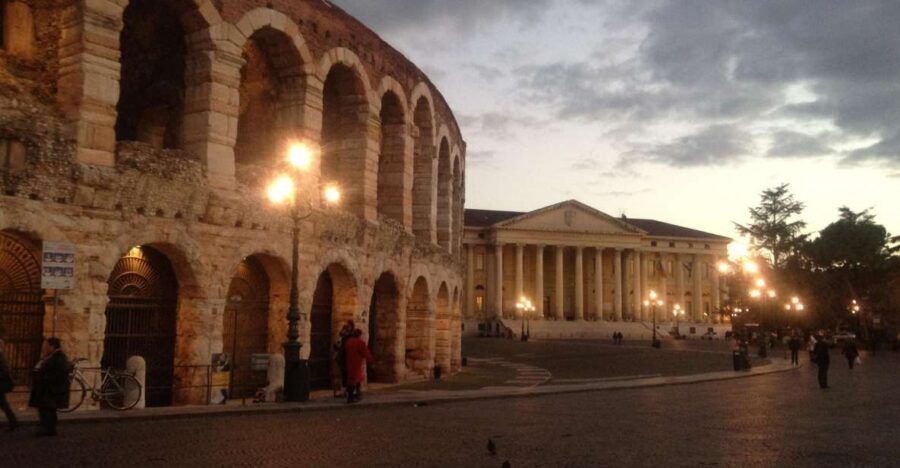
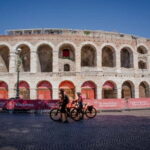
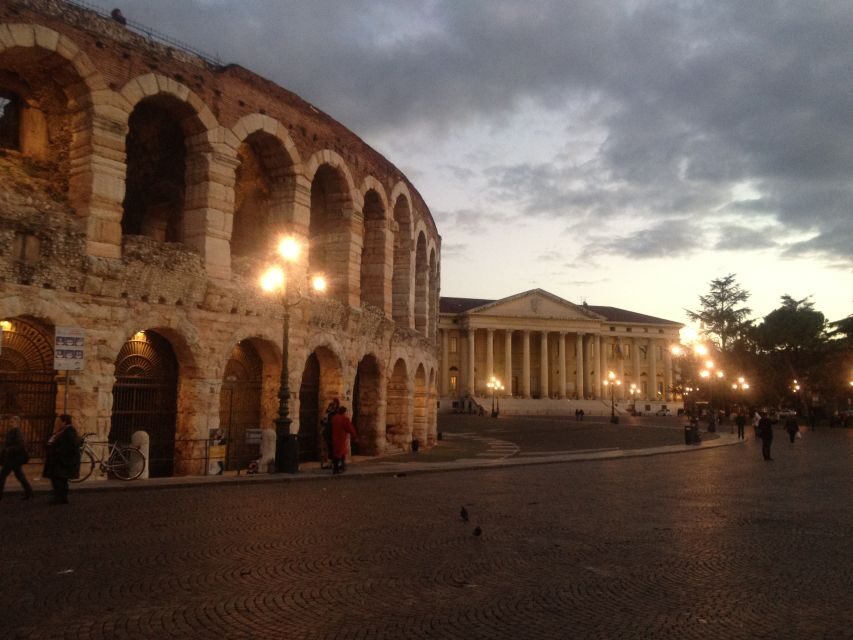
Your tour begins at Piazza Brà, meeting your guide by the statue of King Vittorio Emanuele II on a horse. It’s a great start point because the square instantly frames what Verona has always been good at: blending grand scale with a walkable center.
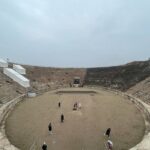
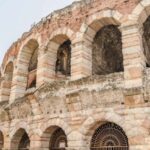
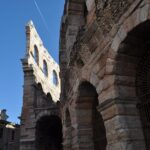
From here, you’ll see the monumental Roman amphitheater built in the 1st century AD. Even without needing to go inside, the amphitheater’s size hits you fast. It’s still in use, which adds a special sense of continuity: this place has been holding crowds for an extremely long time, and the stonework helps you picture how public entertainment shaped Roman city life.
What I like about making the amphitheater an early stop is that it gives you a “now I get the geography” moment. After that, every later medieval and Renaissance street feels less random. You start to connect monuments to the city’s physical spine: squares, arches, and the corridors that lead deeper into Verona.
You can also read our reviews of more walking tours in Verona
From the Adige to Castelvecchio and Ponte Scaligero
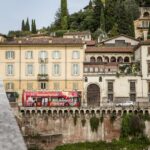
Next, you’ll head toward the River Adige area and the medieval fortress of Castelvecchio. The vibe changes as you leave the Roman grandeur behind. Castelvecchio feels like Verona put a lock on its river routes, and the walk helps you understand why the Adige mattered so much for trade, defense, and control.
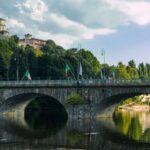
You’ll also see historic Ponte Scaligero, also called the Castelvecchio Bridge. Getting both fortress and bridge in the same segment is smart. One shows the defensive brain; the other shows how movement happened across water. It’s the kind of pairing that makes the Middle Ages feel practical, not just postcard-pretty.
If you’re the type who likes cities with layers, this part is a clear win. Roman Verona explains the big civic spaces. Castelvecchio and the bridge explain how Verona protected and managed those spaces as the centuries changed.
Practical tip: this is an excellent place to slow down for photos, but keep an eye on the flow of pedestrians. This is central Verona, so people are moving through narrow stretches while you’re trying to frame the fortress and bridge.
Porta Borsari: walking past a 3rd-century Roman gateway
After the river stop, you’ll pass through Porta Borsari, a Roman archway from the 3rd century. This is one of those sights that feels simple until you remember what it means: this arch is part of the original Roman walls system.
Seeing Porta Borsari on foot helps you understand Verona’s “edge.” Roman cities were built like machines, with walls that controlled movement. The arch becomes a kind of time machine because you’re not just looking at ruins; you’re walking through a former boundary.
This also supports the tour’s main idea: Verona isn’t one style and done. You’re moving between periods in a way that makes the city’s timeline feel physical. Standing near a Roman gate while you’re still in the modern street grid is exactly the sort of experience you can’t fully get from a quick bus ride.
Piazza Erbe: Roman core energy with local everyday life
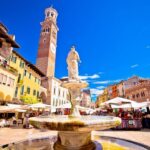
From the Roman walls and gate area, you continue along the Corso to Piazza Erbe. The tour frames this as the heart of the Roman city, which matters because it changes how you read what you see.
Piazza Erbe is where you can feel how Verona works on a daily level. The square has that mix of people-watching, quick conversations, and constant movement that makes cities feel alive in a grounded way. And because it’s tied to the Roman city center, you’re not just enjoying the atmosphere. You’re connecting the modern square to where the city’s earlier layout shaped everything around it.
I like that this isn’t just a quick “look and go” stop. The time you spend here helps you catch small cues: how streets funnel into a square, where people linger, and how Verona’s design encourages gatherings. If you prefer learning through noticing, this stop does that well.
Piazza dei Signori and Café Dante: medieval power in the open air

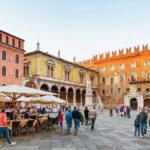
Next up is Piazza dei Signori. If Piazza Erbe feels like daily life, Piazza dei Signori feels like authority. You’ll enjoy the historical Café Dante on this square and then shift your attention to the medieval Palazzi Scaligeri.
The Palazzi Scaligeri connect directly to the Scaliger family, who ruled Verona from the 13th century into the late 14th century. That’s a big span, so it helps to take a moment here and let the architecture explain itself: these buildings aren’t just pretty facades. They represent a governing presence that shaped how the city looked, and how it performed socially and politically.
The Café Dante stop is especially useful if you want an easy mental marker. You can later point to this exact area in your own photos and remember where the tour shifted from Roman continuity and river defense into medieval civic identity.
You can also read our reviews of more private tours in Verona
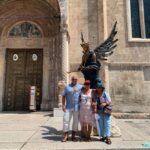
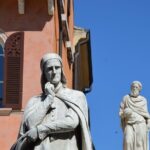

Scaliger Tombs area: making the rulers feel more real
As part of the Piazza dei Signori segment, you’ll admire the medieval Palazzi Scaligeri where the Scaliger Tombs commemorate the family’s rule. This is a stronger stop than it might sound, because tombs are where art and politics meet.
Even if you don’t go into any museum spaces (admissions aren’t included), standing in the right location while your guide ties the story to the family’s reign helps you see why this place matters. You’re learning not only who ruled Verona, but how that rule left visible marks in stone and public space.
I also like that the tour keeps moving rather than getting stuck in one viewpoint. The best part is that you can look at one building, then shift your angle and see how the square’s edges frame the next thing.
The Romeo and Juliet balcony stop in a narrow alley
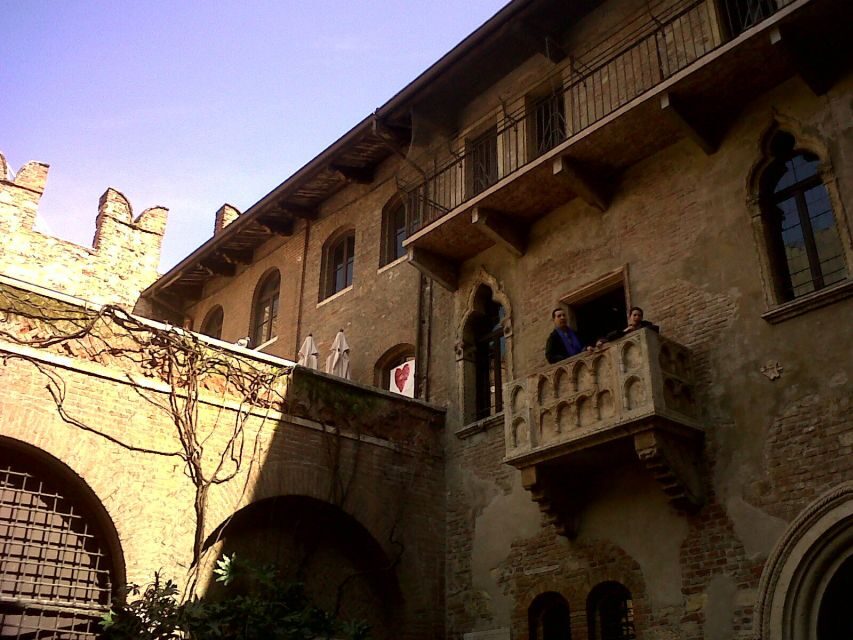
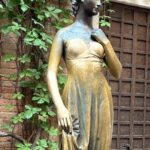
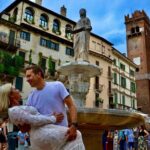
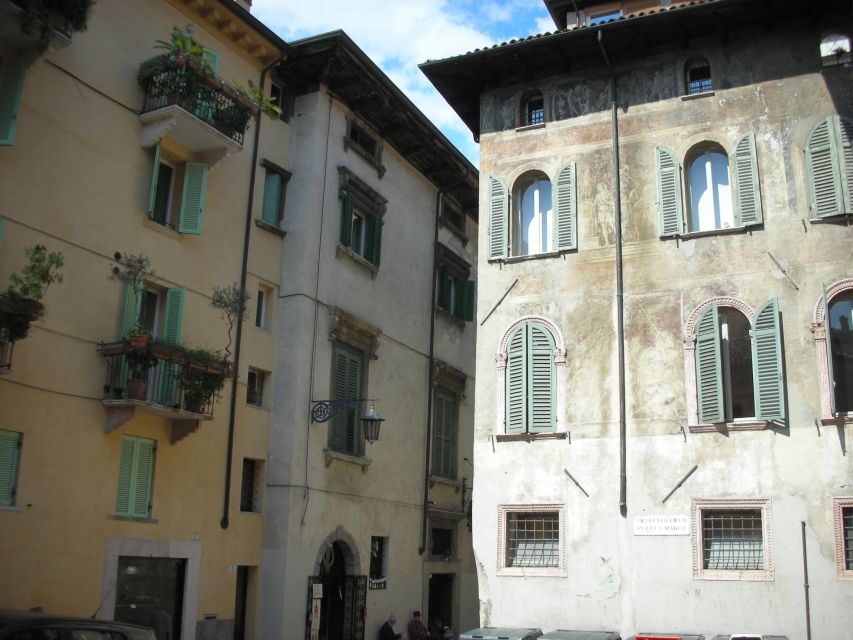
The final major highlight is the Romeo and Juliet house and balcony area, reached by walking down a narrow alleyway. This is the romantic payoff, but it’s also a good reminder of how Verona can compress history and legend into very tight spaces.
Your guide will lead you to stand in front of the house and balcony connected to Shakespeare’s tale. You’re not just sightseeing a famous name. You’re getting a sense of why the story took root in Verona culture, because the alley setting feels intimate rather than grand.
If you’re wondering whether this stop is “too touristy,” the private format changes the feel. A personal guide can point out what to notice around the balcony area, and the walk through side streets makes the final segment feel like a journey rather than a single photo spot.
Small tip: keep your camera ready, but don’t block doorways or narrow passages. This is exactly the kind of place where good street manners make the experience smoother for everyone.
Why the private 2-hour format feels like value, not just convenience
At $335.32 per group (up to 15 people), this tour isn’t priced like a cheap quick stroll. The real value is the private structure and the way the itinerary is built for sight connections.
Think about what you’re getting in 2 hours:
- Roman scale at Piazza Brà
- River defense and medieval power at Castelvecchio and Ponte Scaligero
- A Roman city boundary at Porta Borsari
- Two central squares that show how Verona lives
- The Romeo and Juliet balcony area at the end
That’s a lot of geographic understanding packed into a short window. If you’re working with limited time in Verona, this format helps you avoid the common problem of seeing ten scattered sights without knowing how they connect.
Also, since admissions to monuments aren’t included, the tour is built around seeing key monuments and architecture without dragging you into ticket lines. That suits many visitors who want context first and optional deeper visits later.
Language note: the live tour guide is German. If you’re not comfortable in German, plan to rely on basic understanding and body language, or consider a different language tour if available.
How to get the most from the walk without getting tired
This is a 2-hour guided walk, so you’ll want to set yourself up for comfort.
What to bring and wear:
- Comfortable shoes (non-negotiable for cobblestones and tight corners)
- Passport or ID card
- A face mask or protective covering
- Clothes with sleeves (sleeveless shirts aren’t allowed)
What you should know before you go:
- Luggage or large bags aren’t allowed
- The tour ends back at the meeting point on Piazza Brà, which is handy if you’re heading to dinner right afterward
- The experience is marked wheelchair accessible, but it is also stated as not suitable for people with mobility impairments, so double-check if you have accessibility needs or limited mobility
Who should book this Verona walk
I’d point you here if:
- You want a clear, high-impact overview of Verona’s Roman-to-medieval-and-romance storyline in just 2 hours
- You prefer a private guide over a large group tour
- You like learning through streets and viewpoints, not just through a museum room
- You’ll enjoy a German-guided format and won’t be frustrated by the language
I’d think twice if you:
- Cannot do a moderate walking route through central Verona streets and alleyways
- Need the tour to include monument admissions (those are not included)
- Are sensitive to the limits on what clothing and bags are allowed
Should you book this Verona: Private 2-Hour Walking Tour?
If you want Verona in a single, well-paced walkthrough, I think this is a strong choice. The mix of Piazza Brà’s Roman amphitheater, the Adige area with Castelvecchio and Ponte Scaligero, Porta Borsari, and the two main squares gives you a real sense of how the city’s timeline works on foot.
Book it if you like private guiding, value a tight itinerary, and can handle a short walking commitment. Skip it (or check alternatives carefully) if mobility is an issue for you or if you need English guidance and monument entry tickets bundled in.
If you do book, wear good shoes and treat the alley Romeo-and-Juliet moment as the final emotional scene of the tour, not just a quick stop.
FAQ
How long is the Verona private walking tour?
The tour lasts 2 hours.
What is the meeting point for the tour?
You meet your guide by the statue of King Vittorio Emanuele II on a horse on Piazza Brà, Verona.
Where does the tour end?
The tour ends back at the meeting point on Piazza Brà.
Is this a private group tour?
Yes. It’s a private group, priced per group up to 15 people.
What language is the live guide?
The live tour guide language is German.
How much does the tour cost?
The price is $335.32 per group (up to 15 people).
Are monument admissions included?
No. Admissions to monuments are not included.
What should I bring, and what is not allowed?
Bring passport or ID card and comfortable shoes. You should also bring a face mask or protective covering. Luggage or large bags aren’t allowed, and sleeveless shirts are not allowed.
Is the tour wheelchair accessible?
It is listed as wheelchair accessible, but it is also marked as not suitable for people with mobility impairments. If you have mobility needs, check suitability before booking.