REVIEW · VERONA
Guided Walking Tour in Verona
Book on GetYourGuide →Operated by Slow Travel · Bookable on GetYourGuide
Verona makes sense on foot. This 1.5-hour guided walking tour threads together Roman, medieval, and Renaissance Verona, starting in Piazza Erbe and stopping at 9+ major sights with a live guide.
I love the way the stories match what you’re looking at. You start with fresco-covered walls and market-square history, then shift to Piazza dei Signori where Dante’s presence turns politics into something you can see. I also like the mix of big-ticket sights—Arche Scaligere tombs one minute, then Roman-arch Ponte Pietra views the next.
One note: the pace is fairly quick, with short stops (think around 10 minutes each), and it’s not suitable if you have back problems. If you need lots of lingering time, you may feel a bit rushed.
In This Review
- Key things you’ll enjoy most
- Getting Oriented in Piazza Erbe: Colonna di San Marco to Fresco Square
- Piazza delle Erbe: fresco facades and the Roman forum vibe
- Juliet’s House stop: a fast look that sets up the medieval-to-Renaissance story
- Piazza dei Signori: Dante, palazzo power, and street-level politics
- Arche Scaligere: the Scaligeri tombs and the Gothic mood
- Ponte Pietra and the viewpoint: Roman-arch bridge energy plus skyline views
- Verona Cathedral and the Duomo finish near the Capitolare Library
- Traditions from Carnival to Christmas: seeing Verona as a living calendar
- Price and pace: is $40 worth it for a 1.5-hour walk?
- Who this Guided Walking Tour is best for
- Should you book this Verona guided walk?
- FAQ
- Where does the tour start?
- How long is the walking tour?
- What language is the guide?
- Is the tour wheelchair accessible?
- What main places will you see?
- Is it suitable for people with back problems?
- Can I get a refund if my plans change?
Key things you’ll enjoy most
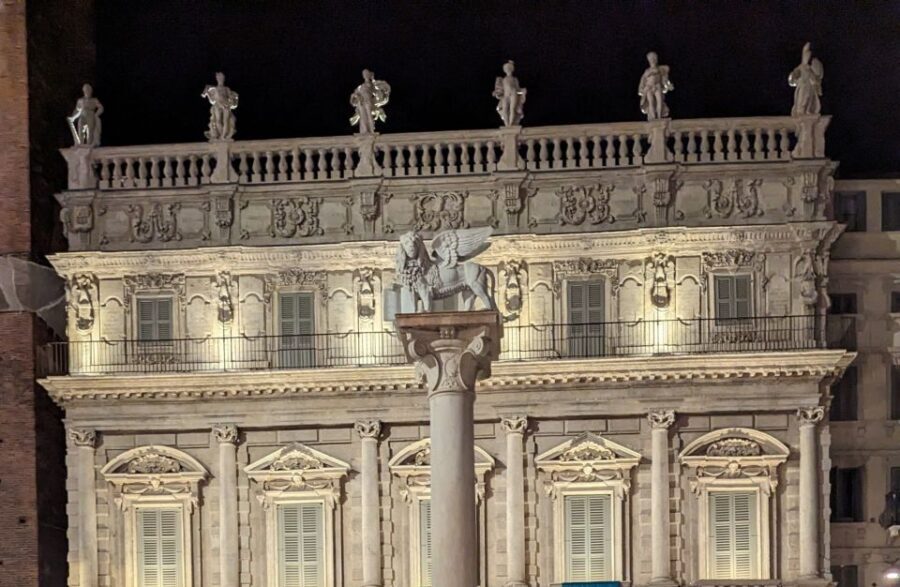
- Start at the Colonna di San Marco so you orient fast in Piazza Erbe.
- Fresco-filled Piazza Erbe turns the photos into real context.
- Dante at Piazza dei Signori makes the power story click.
- Arche Scaligere (Scaligeri tombs) gives you medieval Verona at full scale.
- Ponte Pietra and viewpoint time reward you with Roman-era bridge and skyline perspectives.
- Local traditions like Carnival and Christmas show how the city lives beyond monuments.
Getting Oriented in Piazza Erbe: Colonna di San Marco to Fresco Square
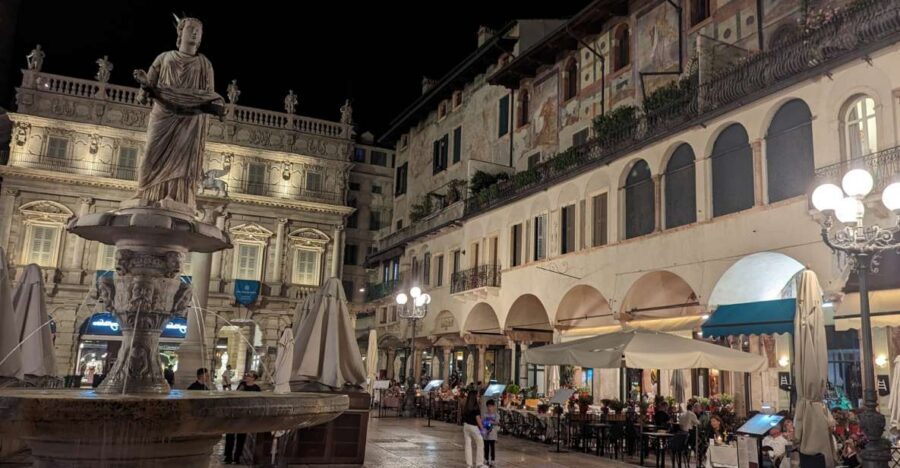
Your walk begins at the Colonna di San Marco in Piazza Erbe, right by the famous column with a lion on top. The meeting spot is on the north side of the square, opposite Juliet’s House, and it’s about a 10-minute walk from the Arena area—handy if you’re planning your day around Verona’s big landmarks.
This is a smart way to start, because Piazza Erbe is the kind of place where it’s easy to wander in circles unless someone points the “why” toward the “what.” From the start, you’re not just collecting sights; you’re building a map in your head: Roman forum energy here, Renaissance detail there, and Gothic drama in between.
If you’re the type who likes photos, this tour gives you photo targets that actually mean something. You’ll be standing in front of architectural details that your guide connects to the people and eras that shaped them.
You can also read our reviews of more walking tours in Verona

Piazza delle Erbe: fresco facades and the Roman forum vibe
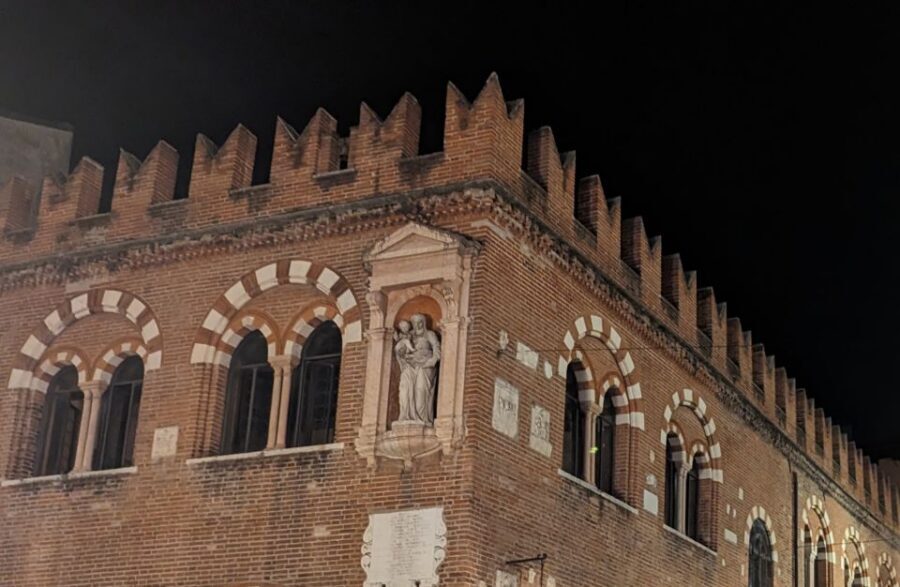
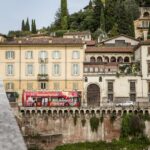
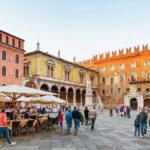
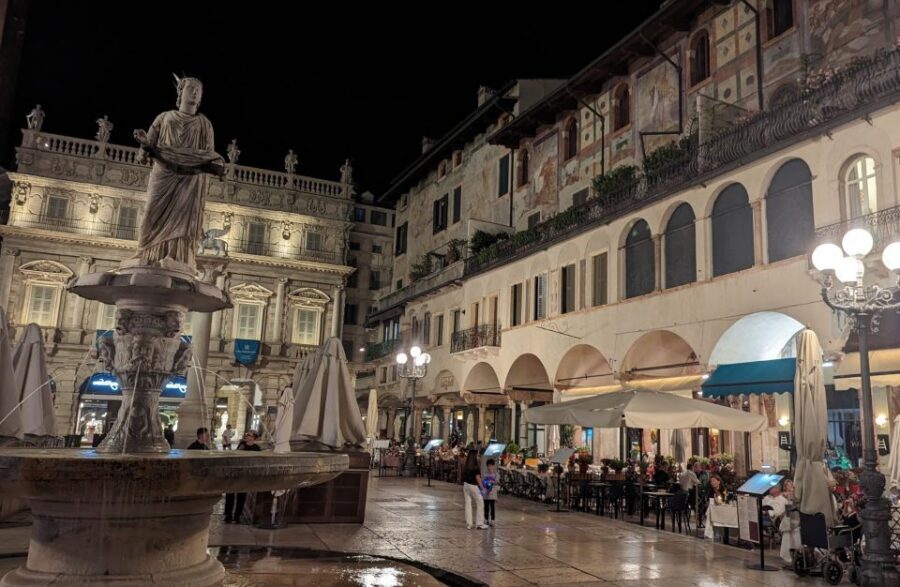
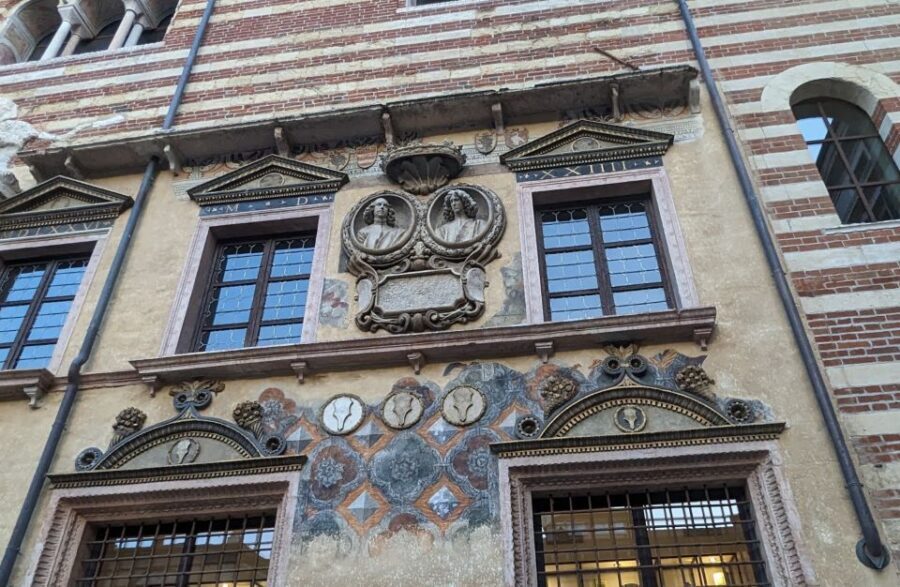
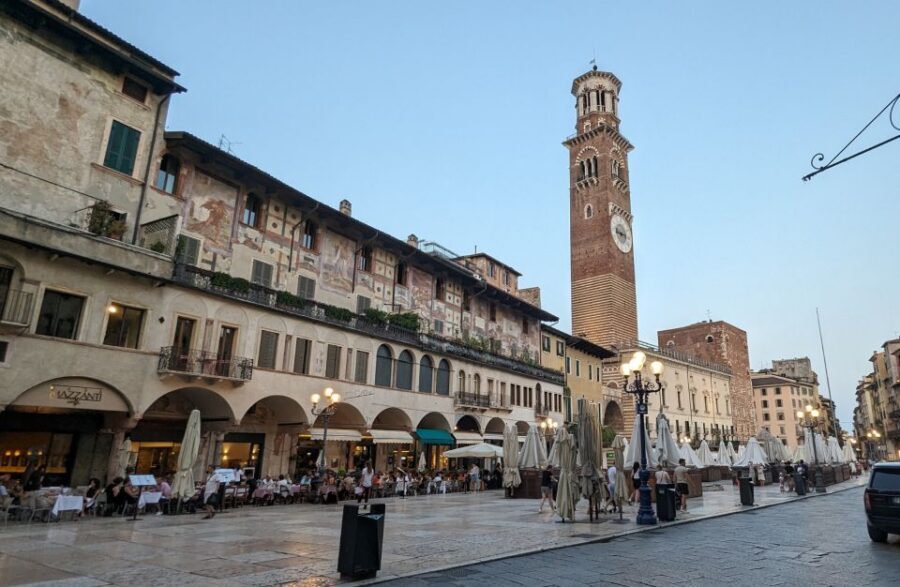
Piazza delle Erbe is the engine of the tour. You’ll spend time here looking at frescoes on the facades and learning how the area ties back to the time when the Roman forum once thrived.
What I like is that you don’t stay stuck in “pretty square” mode. The guide helps you understand why the artwork is where it is—painted surfaces aimed at real public life, not museum quiet. You’ll also notice how the square still works like a gathering place, with market stalls setting the tone even today.
This stop is especially valuable if it’s your first time in Verona. Even if you’re planning to see more churches and palaces later, this gives you a base layer: how the city grew, where power clustered, and why so much of Verona’s identity looks outward toward the street.
Quick timing tip: because your time here is limited, take 60 seconds to spot the biggest fresco areas before you start photographing. Then you can shoot your close-ups without missing the main scenes.
Juliet’s House stop: a fast look that sets up the medieval-to-Renaissance story
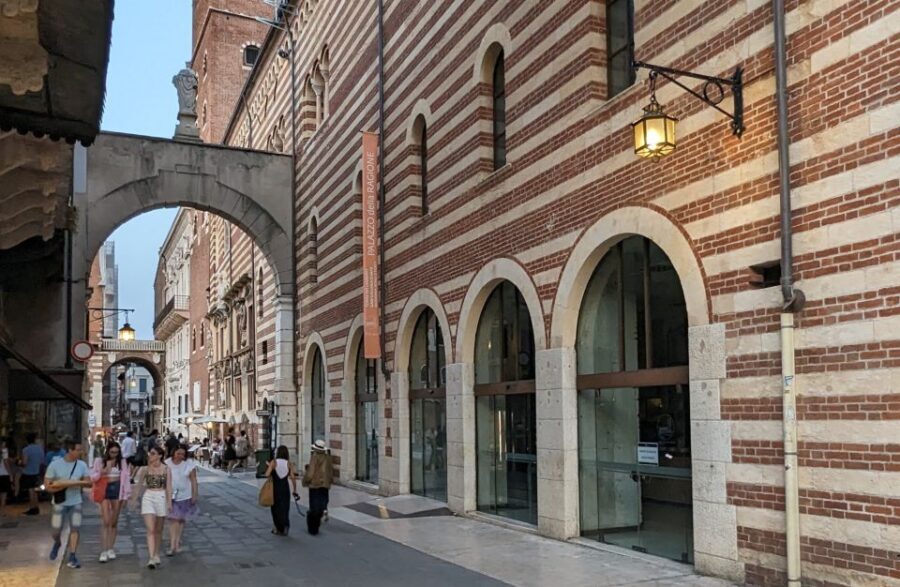
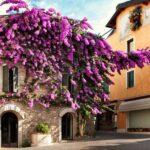
Next comes Juliet’s House. The visit is brief, about 10 minutes of sightseeing, so this isn’t meant to replace a long, dedicated stop. Instead, it functions like a narrative hinge.
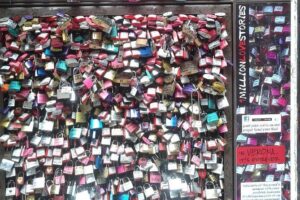
Why it matters: Juliet’s legend is modern and romantic, but the guide uses it to connect you to older Verona textures—stone, streetscapes, and the way the city repackages its past for visitors and locals alike. You’ll get enough time to orient yourself and understand the symbolism, without eating your whole walking-tour budget.
A practical move here: use the short stop to check what’s nearby for later. Even if you come back, you’ll know where everything sits in relation to Piazza Erbe. That saves time when you’re hungry, tired, or deciding between gelato stops.
Piazza dei Signori: Dante, palazzo power, and street-level politics
At Piazza dei Signori, you get a shift from market-square life to political theater. You’ll admire the elegant palazzo and see the imposing statue of Dante Alighieri, and your guide ties it to Verona’s history of power and intrigue.
This is one of those stops where a guide makes a difference. Without context, it’s easy to see a statue and move on. With context, the whole square becomes a stage: who held influence, why certain figures got honored, and how art and public space carried messages.
What I appreciate most is the balance. You’re not trapped in dry facts, and you’re not only told legends. The tour uses the place itself as evidence—architecture and sculpture pointing to a time when Verona’s leaders competed for visibility.
If you’re a first-time visitor, this stop also helps you connect the medieval and Gothic threads. It prepares you for what comes next, when you start seeing tombs and religious buildings that were built to last—and to be seen.
Arche Scaligere: the Scaligeri tombs and the Gothic mood
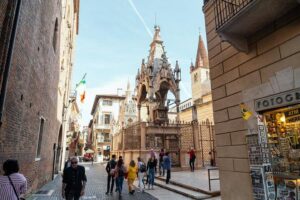
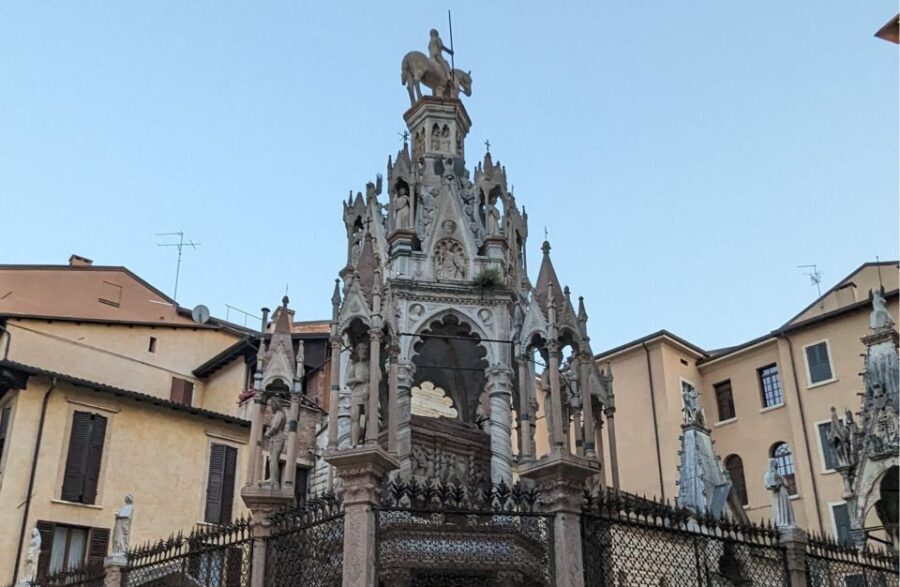
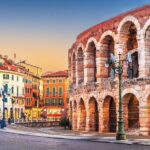
Then the tour hits one of Verona’s most dramatic sights: Arche Scaligere, the monumental tombs of the Scaligeri dynasty. Expect a guided look that focuses on what these tombs communicate, not just how impressive they are from a distance.
This stop works well because it’s visually loud in the best way. Gothic tombs do not whisper. They announce status, memory, and identity through scale and design. Even if you’re not a medieval-art specialist, you can feel why families invested in this kind of legacy.
The short guided window (around 10 minutes) means you’ll learn the “big picture” details, then continue the walk with your eyes more trained. If you want more time afterward, you’ll know exactly what to look for.
If you’re traveling with kids or teens, this is often a strong moment because the tombs are so readable as a story of power and permanence. And for adults, it’s a turning point from square life to the lasting marks of dynasties.
You can also read our reviews of more guided tours in Verona


Ponte Pietra and the viewpoint: Roman-arch bridge energy plus skyline views
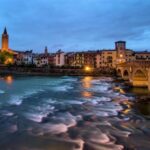
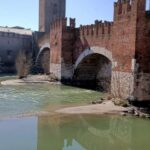
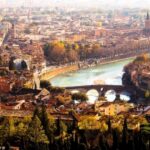
After the Scaligeri tombs, you’ll get to Ponte Pietra, the Roman-style arch bridge. You’ll pause for a guided look here, then continue toward a viewpoint where you can take in Verona’s skyline.
The payoff is seeing how the city is layered. From the higher viewpoint, the guide connects your view to older structures, including mentions of the ancient Roman Theater, plus the way arch bridges crown the hills. It’s the kind of perspective shift that turns flat sightseeing into “I finally get how Verona sits” thinking.
This is also where you’ll appreciate the pacing. The tour doesn’t try to do everything at once. You get movement, then short stops, then a view that lets you reset your brain before the final church area.
Practical tip: if you’re photographing, watch the light on stone and façades. A short pause with your camera can turn into a longer pause if you’re not careful—so I’d treat the viewpoint time like a timed appointment.
Verona Cathedral and the Duomo finish near the Capitolare Library
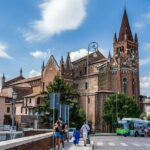
Your last stretch centers on Verona Cathedral and then concludes near the Cattedrale di Santa Maria Matricolare, the main church of Verona. The guide keeps this part focused, around 10 minutes at each major location, so you can take in the key elements without losing the thread.
This finish matters because it ties everything together: squares where public life played out, tombs where dynasties kept their memory alive, and church space where devotion, art, and civic identity meet. When you reach the cathedral area, you’re not just “ending a walk.” You’re landing in one of the city’s symbolic centers.
Even if architecture isn’t your top interest, cathedral stops often deliver the best sense of time depth. You’ll likely notice how the buildings feel like Verona’s anchor points—places people keep returning to across centuries.
If you want to continue your day afterward, this ending is convenient. You’ll be close to other major sights in the historic core, and your guide’s final context helps you decide what to tackle next.
Traditions from Carnival to Christmas: seeing Verona as a living calendar
One underrated feature here is how the tour frames Verona traditions beyond monuments. Your guide shares how local celebrations shape the city’s identity, from Carnival to Christmas.
Why I think this is valuable: it stops the tour from feeling like a museum tour on the street. You’re learning how history and culture keep working in Verona’s present—not just how they used to work.
If you plan to wander after the tour, these tradition stories can help you recognize what you’re seeing. Even when decorations change by season, the underlying habits—how people gather, how they mark time—tend to echo the past.
Price and pace: is $40 worth it for a 1.5-hour walk?
At $40 per person for a 1.5-hour guided walk, the value comes down to two things: the guide’s role and the efficiency of the route.
You’re covering 9+ iconic landmarks in a short window, with live guidance in English. That’s not just sightseeing; it’s curated context delivered as you walk. If you’ve ever wandered around Verona with a map and still felt like you missed the point, this kind of structure often pays off fast.
The tradeoff is time. The tour doesn’t linger at every stop, so it’s best for people who like quick, high-impact orientation. If you prefer slow, sit-down museum time, you might want to pair this with one longer attraction later.
Also note the tour is wheelchair accessible, which is a big plus for many visitors. Still, it’s not suitable for people with back problems, likely because it’s a walking route with short stops.
Finally, the tour guide can help with planning beyond the walk. In past experiences with guides like Leonardo, guests have appreciated the friendly help and the way he connects history to what to do next—so you’re not leaving empty-handed.
Who this Guided Walking Tour is best for
This tour is ideal if you want a fast “Verona foundation” without guessing your way through the historic center. It’s a good fit for first-timers who want the big Roman, medieval, and Gothic highlights in one organized route.
It also suits people who enjoy art and storytelling, because the guide links frescoes, palazzos, tombs, and church spaces into a single narrative. If you like practical advice for the rest of your trip, you’ll likely enjoy the helpful tone—Leonardo-style guidance tends to include next-step recommendations.
If you hate tight timing, have mobility limits beyond wheelchair needs, or need long stops for photos or quiet reflection, you may find the schedule a little rushed.
Should you book this Verona guided walk?
Yes, I’d book it if you want a short, organized introduction to Verona’s signature sights with a real person guiding the story. At $40 for a 1.5-hour walk, it’s a solid deal when you consider how much context you gain per minute.
I’d skip or rethink if you know you’ll need lots of resting time or slow wandering at each location. Otherwise, this tour is a smart way to get oriented, understand what you’re seeing, and leave with enough story to make your independent wandering afterward feel much more rewarding.
FAQ
Where does the tour start?
You meet the guide at Colonna di San Marco in Piazza Erbe 38a in Verona. Arrive about 5 minutes early. The meeting point is under the tall white column with a lion on top on the north side of the square (opposite Juliet’s House).
How long is the walking tour?
The tour lasts about 1.5 hours.
What language is the guide?
The live tour guide speaks English.
Is the tour wheelchair accessible?
Yes, the tour is wheelchair accessible.
What main places will you see?
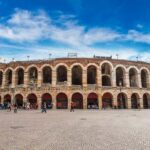
You’ll visit several key Verona spots, including Piazza delle Erbe, Juliet’s House, Arche Scaligere, Ponte Pietra, Verona Cathedral, and finish at Cattedrale di Santa Maria Matricolare. The experience also includes a viewpoint stop.
Is it suitable for people with back problems?
No. It is not suitable for people with back problems.
Can I get a refund if my plans change?
Yes. There is free cancellation up to 24 hours in advance for a full refund. You can also reserve now & pay later.