REVIEW · VERONA
Verona area: Wine Tasting Experience in Valpolicella
Book on Viator →Operated by Hidden Experiences · Bookable on Viator
Ninety minutes, six wines, and zero hassle. This Valpolicella session at Azienda Vinicola Farina is set between Verona and Lake Garda, so you get that wine-country feel without eating up a full day. I like how the guide walks you from vineyard work to bottling (not just a quick cellar stop), and I like the pairing plan: local cured meats and cheese served alongside Valpolicella, Recioto, and Amarone. One possible drawback: there’s no pickup, so you’ll want to plan your ride in advance.
I like that this is run as a small-group experience, typically capped at 15 travelers, which makes questions easy and explanations feel un-rushed. The tour is offered in English, and you’ll use a mobile ticket. If you’re traveling during peak season, book ahead because it’s commonly reserved about 2–3 weeks before the date.
In This Review
- Key things that make this Valpolicella tasting worth your time
- Why Valpolicella is the best short wine detour from Verona
- Azienda Vinicola Farina in Pedemonte: a meeting point you can actually find
- From vineyard to bottling: what the guided tour is really teaching
- Six wines, one tasting flight: Valpolicella Classic to Amarone
- Cured meats and cheese pairing that actually feels local
- English-friendly guidance and why a small group changes everything
- Price and value: what $42.14 buys you in the real world
- Getting there from Verona: plan the ride, keep the day easy
- Timing: how to fit 1.5 hours into a Verona schedule
- Who should book this Valpolicella winery tasting
- Should you book it? My practical take
- FAQ
- How long is the Valpolicella wine tasting experience?
- How many wines will I taste?
- What food is included?
- Where does the tour start?
- Is pickup or drop-off included?
- Is the tour in English and how large is the group?
Key things that make this Valpolicella tasting worth your time
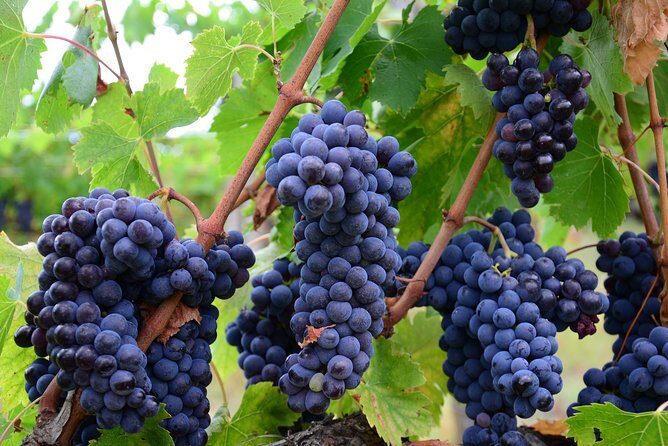
- A full production story in 1.5 hours: from harvest in the surrounding vineyards to the final stage of bottling
- Six wines in one tasting flight: Valpolicella Classic & Superior plus Recioto and Amarone
- Local food pairing, not tourist plates: cured meats and cheese served with the wines
- Small group format: up to 15 people, so you get more back-and-forth with the guide
- Wine & water included: you won’t be hunting for basics mid-experience
Why Valpolicella is the best short wine detour from Verona
Verona is great, but it’s easy to burn half a day getting out to the countryside. This kind of Valpolicella tour hits a sweet spot. You’re in the broader area between Verona and Lake Garda, where you’ll hear about the grape culture that feeds famous styles like Amarone and Recioto.
What I like about this approach is the time math. You get an actual winery visit, not just a tasting room with a few pours and a brochure pitch. The schedule is about 1 hour 30 minutes total, which is the length of time that usually fits neatly into an afternoon—especially if you’ve already got plans in Verona (or you’re saving energy for dinner).
You also get a focused education on varietals from the area around Lake Garda. If you’ve ever wondered why Valpolicella wine styles can feel so different from each other—even when they come from the same region—this is the kind of explanation that makes those differences click.
You can also read our reviews of more food & drink experiences in Verona

Azienda Vinicola Farina in Pedemonte: a meeting point you can actually find
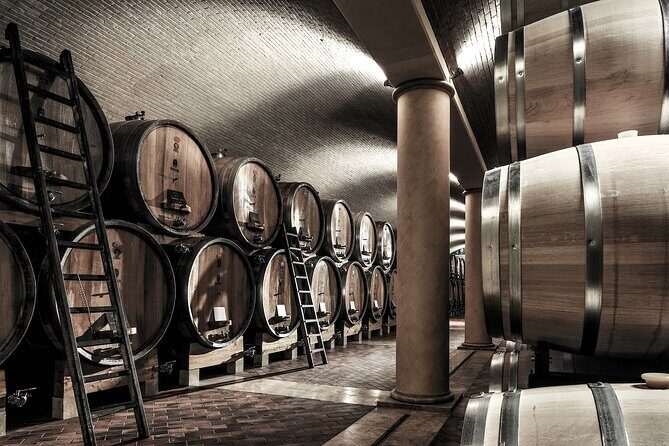
The tour starts at Viale Alberto Bolla, 11, 37029 Pedemonte VR, Italy, at Azienda Vinicola Farina. That matters more than it sounds. With winery tours, the “where do we go” part can turn into a headache. Here, the meeting point is straightforward and the activity is near public transportation.
The group size is also part of the value. With a maximum of 15 travelers, you don’t get swallowed by a crowd. You can hear the sommelier or guide, and you can ask follow-up questions about what you’re tasting.
One more practical detail: you’ll have a mobile ticket. That’s helpful if you’re the type who doesn’t want to juggle printouts while you’re walking around Verona and figuring out transit.
From vineyard to bottling: what the guided tour is really teaching
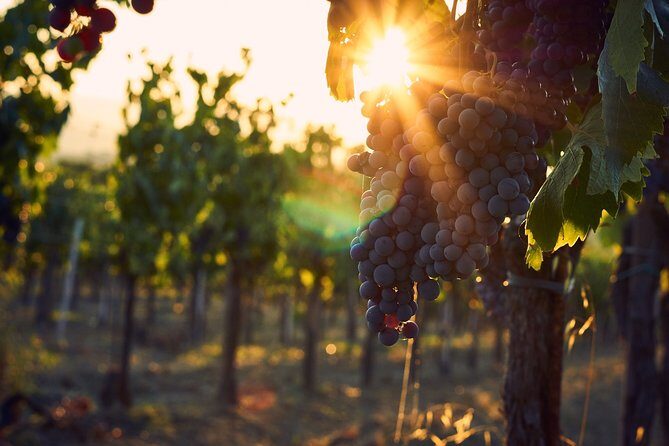
This experience includes a guided winery tour before the tasting. The production story is the point. You’re not only seeing rooms and equipment; you’re being guided through how the estate works across the full process.
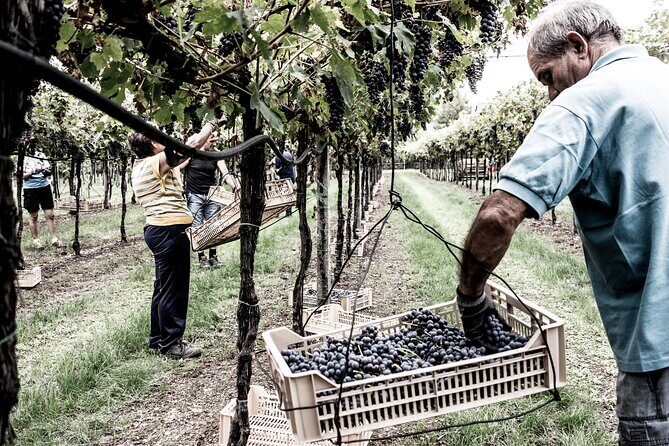
The tour includes explanation of methods and techniques used to produce the wines. And you’re guided through a tradition that runs from the grape harvest in the surrounding vineyard area to the final stages of bottling. That “start-to-finish” format is what makes the visit feel like more than a stop on a list.
Here’s what you should pay attention to during the tour:
- Ask how the winery describes the differences among the wines you’ll taste later. It makes the tasting more meaningful.
- Notice how the guide talks about grape sourcing from the surrounding area. That’s where regional character starts.
- When they explain production methods, connect it to what you’ll taste—especially for styles like Recioto and Amarone, where sweetness, intensity, and time in the process can shape the glass.
If you like hands-on context—how a wine becomes itself—this portion is the backbone of the whole experience. The tasting will land better because you’ll understand what the guide is pointing to.
Six wines, one tasting flight: Valpolicella Classic to Amarone
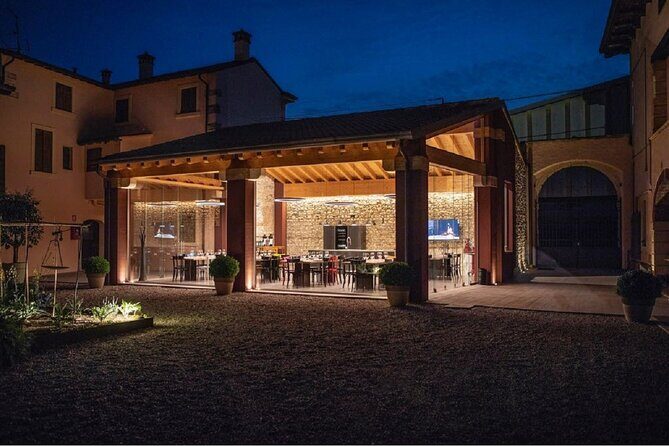
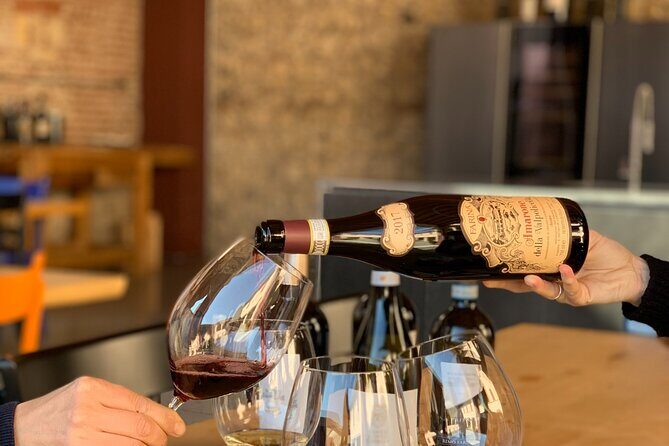
After the tour, you’ll move into the tasting portion: six wines. The lineup includes Valpolicella (both Classic & Superior), plus Recioto and Amarone. That’s a smart mix if you want variety without making the event longer.
Why this lineup works:
- Valpolicella styles are often your baseline for the region’s character.
- Recioto can show a different side—where sweetness and winemaking choices change how the wine feels in the glass.
- Amarone is the big-name wine for a reason, and tasting it in this structured way helps you understand what makes it distinctive beyond the label.
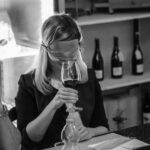
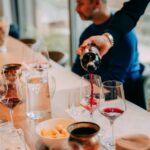
You’ll taste with an expert who explains the particularity of these Italian wines while you’re served a selection of local cured meats and cheese. In other words, it’s not only “here’s a glass.” It’s “here’s why this glass exists.”
One practical tip: take small notes (even just mentally). For example, compare:
- How each wine changes from the first sip to the aftertaste.
- Whether the wine feels more fruit-forward or more structured.
- How the pairing affects it—some wines seem more balanced with savory food.
Also, remember the time. This is 1.5 hours total, so it stays lively. Don’t expect a slow, lecture-only format. Instead, expect clear explanation and enough structure that you can enjoy it without doing homework.
Cured meats and cheese pairing that actually feels local
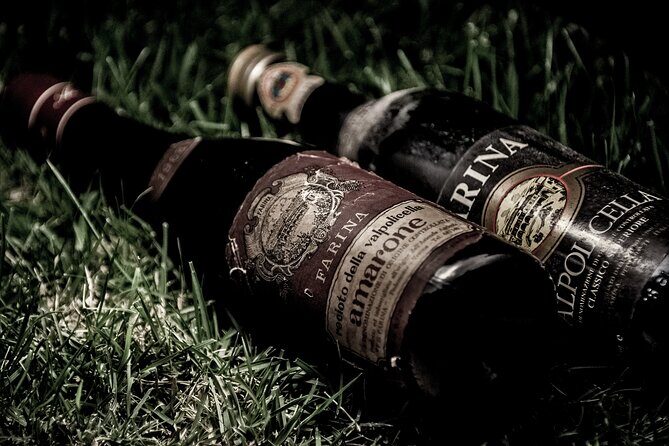
Food is included, and it’s a big part of why this tasting feels complete. You’ll get a plate of local cured meats and cheeses served alongside the wine.
This is exactly the kind of pairing I prefer on wine trips: salty, regional, and made to match the style of the wines. It also helps you skip the tourist-only food trap that can happen when you’re out in the countryside for a short time.
What you’ll likely enjoy about the pairing approach:
- The savory options give the wine something to “talk to,” especially with red wines.
- Cheese helps smooth out stronger, more intense wines.
- Cured meats add salt and fat that can change how the wine tastes from one glass to the next.
The sommelier-style explanations during the tasting matter here. When the guide connects pairing choices to what you’re tasting, it turns “food + wine” into something closer to a guided experience rather than a snack break.
You can also read our reviews of more wine tours in Verona


English-friendly guidance and why a small group changes everything
The tour is offered in English, and the experience includes a guide/sommelier who explains production and wine differences during the event. You’ll also have time for questions in a group that stays small.
In past sessions, guides such as Ilaria and Silvia have been highlighted for being engaging and well-prepared. That’s useful to know because it often predicts the tone of the experience: less rush, more clarity, and a warmer welcome.
If you’re a first-timer with Italian wine, this kind of guidance can make you feel comfortable fast. You won’t need to know every term in order to enjoy the tasting. You just need to pay attention to what the guide points out—and taste between the instructions.
If you’re more experienced, the education still helps. The best sign is that the tour explains methods and techniques tied to the wines, not just background facts.
Price and value: what $42.14 buys you in the real world
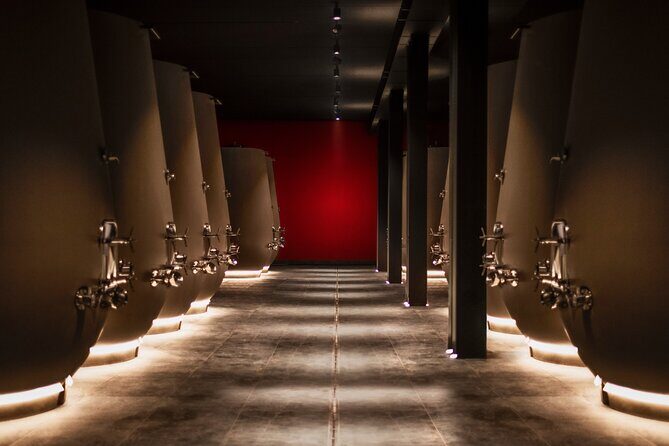
At $42.14 per person, this is priced like a solid tasting experience, not a bargain. The value comes from what’s included.
In your ticket, you get:
- Winery tour (guided)
- Wine tasting of six local wines
- Drinks (wine and water)
- Food: a plate of local products (cured meats and cheese)
When you think about it, you’re paying for a full-and-structured couple-hours: transportation of your attention from vineyard to cellar to tasting, plus the wine itself and food pairing.
If you’ve ever paid for wine tastings where you only get a few pours and a short explanation, this tends to feel more complete. Six wines plus pairing plus production storytelling is a lot to pack into 90 minutes—so the price can feel fair.
The other value factor is group size. With a cap of 15, you’re less likely to feel like you’re in a line at a factory store. The format supports actual interaction, not just passive consumption.
Getting there from Verona: plan the ride, keep the day easy
There’s no pickup or drop-off included. That means your smooth day depends on how you get from Verona to Pedemonte and back.
A practical note: some visitors have found that a taxi from Verona can run around 30 euros (give or take depending on time and exact pickup point). If you’re going solo, that can still be worth it if it prevents transit stress. If you’re traveling with a friend or two, splitting a taxi makes it even more comfortable.
You can also rely on public transportation since the start location is near it. The key is to check timing ahead of time, because winery tours run like appointments. You don’t want to arrive after your slot.
Also, this is an experience booked about 18 days in advance on average. If you’re aiming for a specific day, I’d reserve early, especially during busy periods when you might have fewer alternatives.
Timing: how to fit 1.5 hours into a Verona schedule
The tour runs about 1 hour 30 minutes. That’s the kind of length that makes it easy to plan around meals and evening plans.
A good approach:
- Do it earlier in your day if you want to keep dinner relaxed.
- If you do it in the afternoon, build in time afterward for a walk and a slow meal. Wine tastings can change your pace.
- Keep your next stop close so you’re not rushing off immediately.
Because the wines include Amarone and Recioto, they can feel full-bodied. Even with water included, give yourself some buffer. Not because you’ll be overwhelmed—just because the experience is meant to be enjoyed.
Who should book this Valpolicella winery tasting
This tour is a great match if you want:
- A short winery experience instead of a full-day trip
- Real context about how Valpolicella wines are made
- A guided tasting that includes both famous styles (Amarone) and regional variations (Valpolicella Classic & Superior, plus Recioto)
- Local food pairing with cured meats and cheese
It also fits couples and solo travelers well because the group stays small and the guide can focus on the room. The experience is also described as suitable for most travelers.
If you travel with a dog, you might ask ahead of time about what’s allowed. One person mentioned bringing a small dog in a backpack. That’s not a guarantee, but it’s a useful prompt to contact the provider before you go.
This is less ideal if you want a long, roaming vineyard walk or a more outdoorsy hiking-style day. The emphasis here is winemaking, tasting, and explanation, not a physical adventure.
Should you book it? My practical take
If you’re visiting Verona and you want a wine experience that feels authentic but doesn’t eat your whole day, I think this one is an easy yes. The biggest strengths are the format: a guided tour that explains production methods, then a tasting of six wines with local cured meats and cheese.
Book it if you like structured learning, especially around Valpolicella styles like Recioto and Amarone. Skip it only if you strongly prefer tours with hotel pickup, long wandering time, or a tasting that stays strictly light and simple.
One last thing: when the day is short, choose the tour that packs the most understanding per hour. This is that kind of tasting.
FAQ
How long is the Valpolicella wine tasting experience?
It lasts about 1 hour 30 minutes. The time includes the winery guided tour and the wine tasting.
How many wines will I taste?
You’ll taste six wines. The tasting includes Valpolicella Classic & Superior, Recioto, and Amarone.
What food is included?
You’ll have a plate of local cured meats and cheeses paired with the wine tasting.
Where does the tour start?
The meeting point is at Azienda Vinicola Farina, Viale Alberto Bolla, 11, 37029 Pedemonte VR, Italy. The tour ends back at the meeting point.
Is pickup or drop-off included?
No. Pick-up/drop-off hotel service is not included.
Is the tour in English and how large is the group?
The experience is offered in English, and it has a maximum of 15 travelers.