REVIEW · VERONA
Guided Walking Tour on Verona Hillside
Book on Viator →Operated by Slow Travel Italia · Bookable on Viator
Climbing Verona is the fast way to see it. This 2-hour walking tour climbs from Ponte Pietra up toward Castel San Pietro, with great stories and constant viewpoint breaks. What I like most is how it mixes iconic landmarks with quieter corners along the way, so you get the big-photo Verona without only doing the postcard circuit.
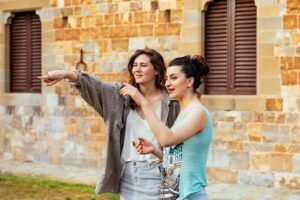
I also like the built-in surprises: you may be able to step into a private garden if it’s open, and you’ll get practical tips about Verona’s foraging culture while you walk. The small group size (up to 10) matters here because you can ask questions and actually hear the details your guide points out.
One thing to plan for: it’s a hillside climb with a moderate fitness level. If you don’t enjoy uphill walking, or if the day is especially hot, you’ll want to come ready with water and steady shoes.
In This Review
- Key points to know before you go
- Verona Hillside Walk: the 2-hour “best views” route
- Price and logistics: paying $41.40 for walking + stories
- Where you start (and how to feel good on the climb)
- Stop 1: Ponte Pietra to Castel San Pietro viewpoints
- Stop 2: S. Giovanni in Valle and the “only if it’s opened” moment
- Stop 3: Giardino Giusti panoramic reward and Renaissance details
- Stop 4: Parco delle Mura e dei Forti and the layered walls
- Stop 5: Piazzale Castel San Pietro and the Re Teodorico reference
- Don Calabria convent pause and breathing room on the way to Rome
- Finale: Teatro Romano photo stop still in use
- Included extras: private garden access + foraging culture tips
- Who this Verona Hillside Tour fits best
- Quick decision: should you book this $41.40 hillside walk?
- FAQ
- Is the tour guided, or can I just walk the route on my own?
- How long is the Verona hillside walking tour?
- What language is the tour offered in?
- Where do I meet the guide?
- Where does the tour end?
- What is included in the ticket price?
- Are church or garden entrances included?
- How big is the group?
Key points to know before you go
- Small group size (up to 10): easier pacing and better interaction with your guide
- Hillside views from Ponte Pietra to Castel San Pietro: Verona’s skyline comes into focus as you climb
- Private garden entrance only if opened: a bonus stop you can’t guarantee, but it’s worth the effort
- Giardino Giusti views and fountains: Renaissance-style garden scenes without needing extra tickets
- Teatro Romano photo stop: the Roman Theatre is still in use, with a great viewpoint moment
- Foraging culture tips included: not just monuments—there’s local food culture context too
Verona Hillside Walk: the 2-hour “best views” route
This tour is designed for people who want Verona with momentum. In about two hours, you start at Ponte Pietra, climb through hillside viewpoints, then finish back down in the historic center near the Roman Theatre. The payoff is a steady stream of scenes: city walls, gardens, convent calm, and Roman-era structure moments.
What makes it feel worth it is the way the route uses elevation to keep the experience fresh. Instead of doing one flat loop, you get multiple lookouts, plus short story stops that explain what you’re seeing while you’re still standing in the spot.
It’s also the kind of walk that helps you get your bearings fast. After this, you usually understand how Verona fits together—where the hills rise, where defenses sit, and why certain spots were built where they are.
You can also read our reviews of more walking tours in Verona
Price and logistics: paying $41.40 for walking + stories
At $41.40 per person, this is a budget-friendly guided walk, especially given the time on foot and the fact that a guided experience is the main product. You’re not paying for museum entries here. Instead, your value comes from a guide’s route knowledge, storytelling, and the chance to access a hidden garden area if it’s open.
Also, the tour includes two full hours of guided time and stories about Verona. That’s important: you’re not stuck with a short orientation followed by self-wandering. You stay on the route with the guide, and the pace is built around viewing points.
Tickets are handled digitally too. You’ll have a mobile ticket, the tour is offered in English, and group size is kept small (maximum 10 travelers). It’s near public transportation, so you’re not fighting complicated last-mile planning.
Where you start (and how to feel good on the climb)
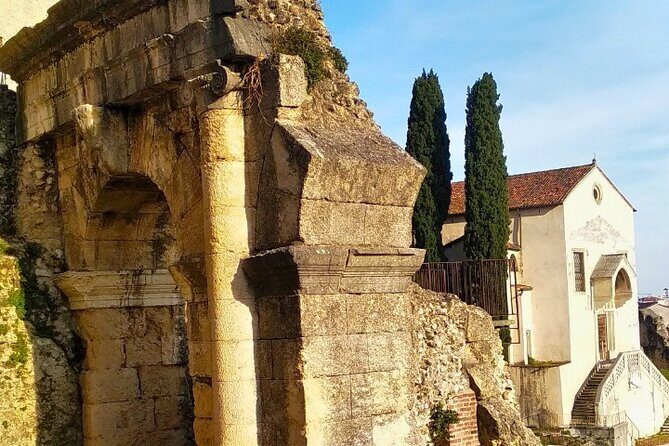
You’ll meet at Gastronomia Scapin 1935 Stonebridge, Via Santo Stefano 12, Verona. The route is built as an uphill-to-viewpoints experience, and you end at Ponte Pietra.
Because it’s a hillside walk, comfort matters more than speed. I’d treat this as a moderate climb: wear supportive shoes you trust on uneven stone and watch your footing. If you come on a hot day, bring water—there are water points up the hillside, but you shouldn’t depend on finding one at the exact moment you need it.
The tour also states a moderate physical fitness level, which is a helpful cue. This isn’t a slow city stroll where you can stop and start every few minutes. You’re moving for the better part of the full two hours, even though the stops are short.
If you’re traveling with a service animal, service animals are allowed. The route is also described as near transit, which is helpful if you’re timing this around other Verona plans.
Stop 1: Ponte Pietra to Castel San Pietro viewpoints
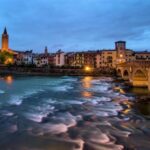
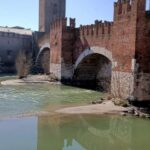
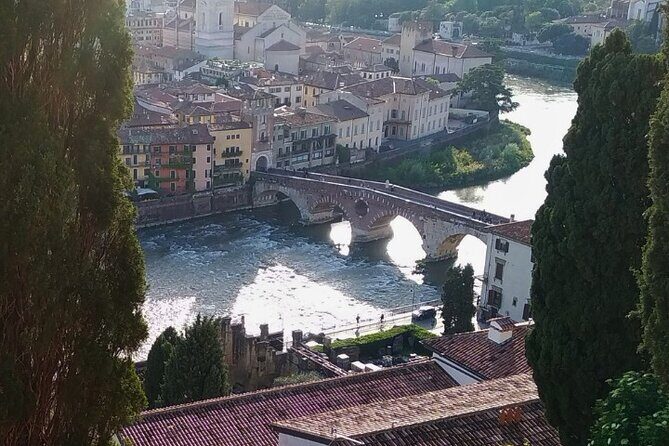
You start at Ponte Pietra, one of Verona’s most recognizable bridges. From there, the tour climbs up toward Castel San Pietro, and that’s where you feel the rhythm of the whole experience: move a bit, pause, look, learn, repeat.
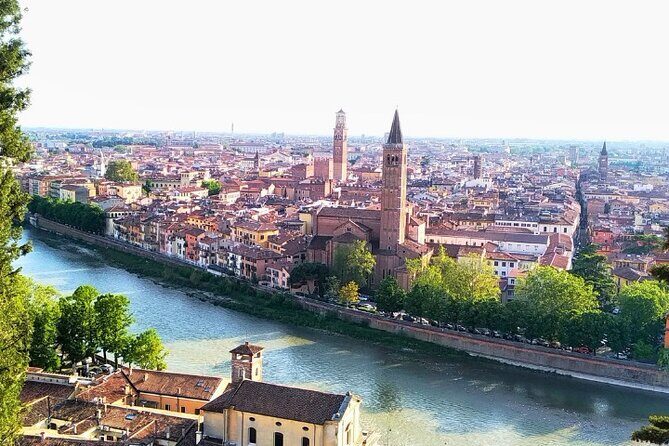
This first stretch sets the tone. You’re not just walking up stairs and slopes—you’re walking up into a viewpoint that keeps expanding. As you gain height, Verona’s layout starts to make sense in one sweep, especially when the guide ties the view to what you’ll see later in the day.
There’s also a quick practical win here. If you’re in Verona for a short time, this early elevation moment can quickly satisfy the best-view urge before you even reach the garden stops.
Stop 2: S. Giovanni in Valle and the “only if it’s opened” moment
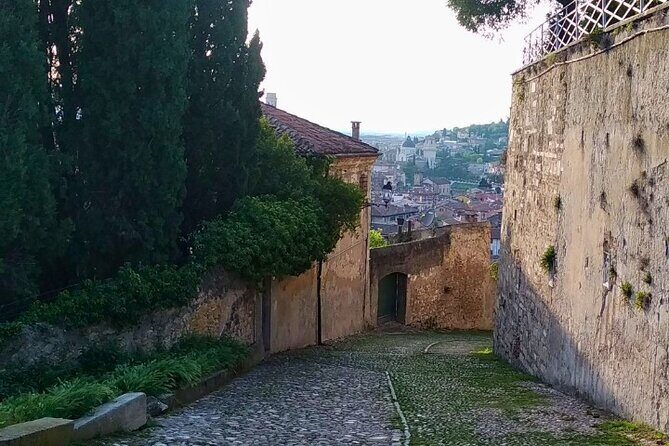
A short stop is planned for S. Giovanni in Valle, a church you pass by on the route. It’s paired with a nearby hidden garden moment that only happens if it’s opened.
This is one of the tour’s most intriguing ideas because it adds a spontaneous feel to the experience. You’re not guaranteed the private garden entrance, but you might be, and that possibility changes the way you experience the route. Instead of expecting every stop to be predictable, you’re watching for the doors to be open.
The practical side: since the hidden garden entry is conditional, set your expectations accordingly. Even if it’s not accessible, the walk still moves through the main viewpoint and garden highlights later.
You can also read our reviews of more guided tours in Verona

Stop 3: Giardino Giusti panoramic reward and Renaissance details
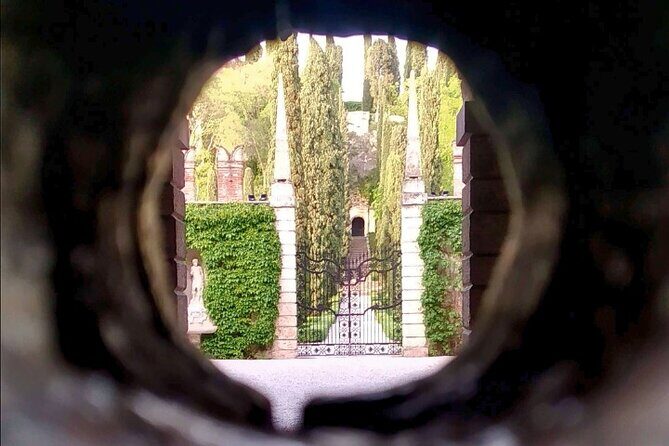
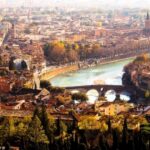
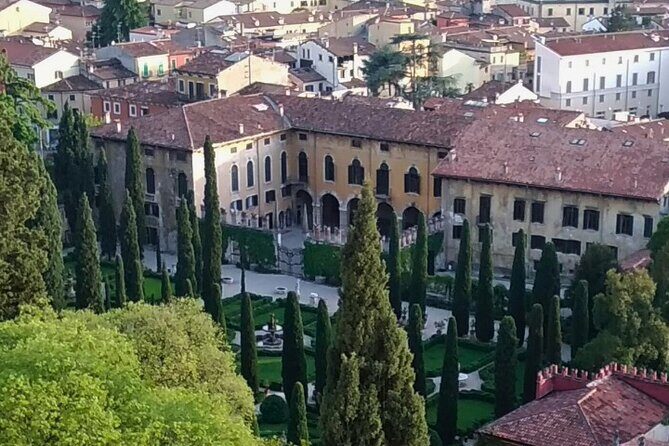
Next is Giardino Giusti, where the tour leans into one of Verona’s best-known garden experiences. Here, the reward is both sightline and atmosphere. You get a panoramic view of the city skyline, plus the lush garden setting of Giardino Giusti.
This garden is described as historic, with Renaissance architecture, meticulously kept greenery, and fountains dating back to the 16th century. Even if you’re not paying for garden-only admissions as a separate ticket, the guided stop helps you appreciate the design and the viewpoint logic—how the garden frames the city beyond it.
What I like about this stop for readers is that it’s not just pretty photos. The garden also gives you a sense of how Verona’s elites and visitors once enjoyed the hills: controlled beauty outside, city views beyond, and a calm pause from the streets below.
Stop 4: Parco delle Mura e dei Forti and the layered walls
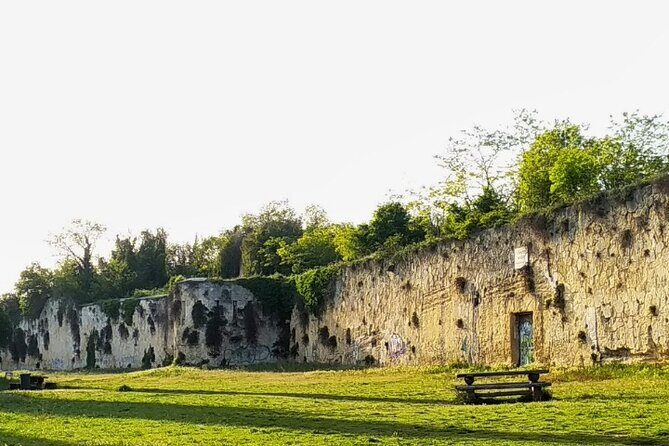
After Giardino Giusti, you walk toward Parco delle Mura e dei Forti, the area connected to Verona’s walls. The tour frames the walls as layered by different kingdoms that ruled the town, which is a useful way to understand why the defenses look the way they do.
This stop matters even if you’re not a wall-spotting nerd. Walls are the physical map of power—where protection was needed, and how the city changed around it. Seeing this on foot while you’re already higher up makes the explanation land better than reading about it from ground level.
It’s a good moment to slow down your own pace too. Watch for how the walls sit relative to the streets below, and how they connect to the castle and fortress areas you pass next.
Stop 5: Piazzale Castel San Pietro and the Re Teodorico reference
As the walk continues, you reach Piazzale Castel San Pietro. Here you’re positioned to absorb two things at once: the impressive presence of Castel San Pietro and the sense of medieval fortification in the surrounding area.
The route description also points out a hidden reference behind Re Teodorico, a medieval fortress with a rich backstory. Even without extra entries, this is one of those “look closer” moments. The guide’s stories help you connect the shape of what you see to what it once defended or represented.
If you like history that feels physical instead of abstract, this is a strong mid-tour anchor. You’re already warmed up by viewpoints, and now you’re seeing the military structure logic behind the city’s geography.
Don Calabria convent pause and breathing room on the way to Rome
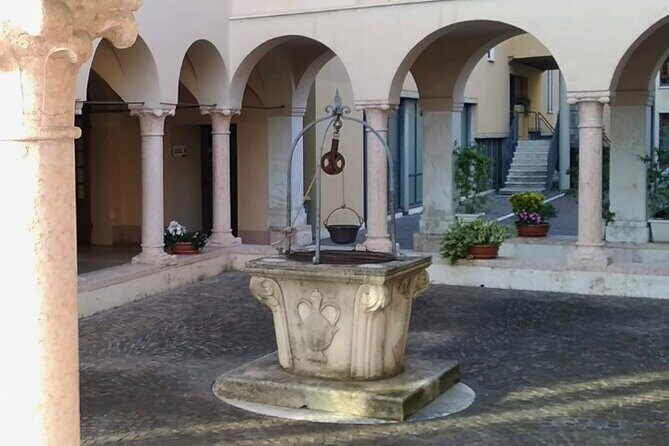
You’ll then walk along the ancient walls toward the peaceful Don Calabria convent. This isn’t treated as a rushed photo stop. It’s positioned as a moment to catch your breath and reset your senses.
This part of the route is valuable because it breaks the “always looking” intensity. After gardens and walls, the convent area gives you calm space to stand still and take in the surroundings without the pressure of constant sightseeing.
Also, a quiet stop is a practical gift on a hillside walk. If you’ve been holding a steady pace for a while, you’ll likely appreciate having a designated recovery moment before you continue.
Finale: Teatro Romano photo stop still in use
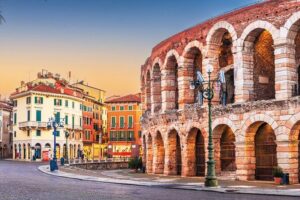
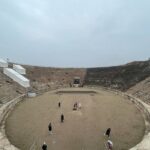
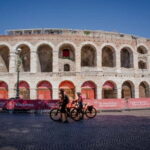
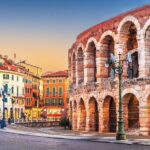
The tour ends with a classic Verona highlight: Teatro Romano (the Roman Theatre). Along the way, you pass by it and the description emphasizes that it’s still in use. That single detail changes how you should approach the stop.
You’re not just looking at old stones. You’re looking at something that continues to function in the present, which makes the viewpoint and photo moment feel more alive. The tour includes time to take photos, with a “theatre attendant” style view described as splendid.
This is a great end cap for the route’s theme: layers of time. You climbed for medieval and hillside views, then you land on Roman-era structure that still serves a purpose in modern Verona.
Included extras: private garden access + foraging culture tips
Two notable items are included beyond the walking and guiding. First is the hidden spot entrance in private gardens—but again, only if the garden is opened. If it is available, that’s your chance for a more exclusive feeling of Verona, tucked away from the main flow of visitors.
Second is the tour’s focus on tips & tricks about the foraging culture in town. That might sound unusual for a monuments-focused walk, but it’s actually a smart way to add local context. It helps you understand how people relate to the land around Verona—not just as a backdrop for views, but as a source of everyday knowledge.
If you like your travel stories to include what locals do and think (not only what they built), this element is a strong reason to pick this tour.
Who this Verona Hillside Tour fits best
This is a good match if you want:
- an efficient orientation walk in a limited time window
- panoramic views without planning multiple viewpoints on your own
- a guided route with short story stops instead of long museum time
It’s also ideal for travelers who like small-group dynamics and don’t want to get separated from the guide in a crowd. With a maximum of 10 travelers, you’re more likely to hear details and adjust pacing.
The moderate fitness level also makes it a better fit for people who walk confidently on slopes and uneven surfaces. If you’re traveling with a stow-and-go schedule—like fitting Verona into time between trains, dinner, or a flight—this kind of timed hike is easy to slot in.
Quick decision: should you book this $41.40 hillside walk?
I’d book it if you value guided viewpoints, layered city context, and a route that gets you up the hill without you having to figure out all the stops on your own. The combination of Ponte Pietra, Castel San Pietro views, possible private garden access, and a Roman Theatre finale is a practical mix for a first-time Verona visit.
I’d skip it (or consider a different option) if uphill walking stresses you out or if you only want ticketed entrances inside major sights. Remember: churches and gardens are mostly passed by or experienced as walk-by stops, and entrance to them is not included.
If you’re the type who enjoys short, story-driven stops with great photo timing, this one hits the sweet spot for time, cost, and authenticity.
FAQ
Is the tour guided, or can I just walk the route on my own?
It’s a guided walking tour with stories and explanations included for the full tour duration.
How long is the Verona hillside walking tour?
The duration is approximately 2 hours.
What language is the tour offered in?
The tour is offered in English.
Where do I meet the guide?
The meeting point is Gastronomia Scapin 1935 Stonebridge, Via Santo Stefano 12, Verona.
Where does the tour end?
The tour ends at Ponte Pietra in Verona.
What is included in the ticket price?
The experience includes two hours of guided touring and stories, possible entrance to a private garden if it is opened, and tips about foraging culture in town.
Are church or garden entrances included?
Entrance to churches and gardens is not included. You’ll typically pass by these areas rather than enter every site.
How big is the group?
The tour has a maximum group size of 10 travelers.