REVIEW · VERONA
Verona: My Granny’s secrets making gnocchi
Book on GetYourGuide →Operated by Vallì Homemade · Bookable on GetYourGuide
One of the best ways to taste Verona is to make it. This hands-on gnocchi class in Veneto turns a simple pasta into a family ritual, with a small-group setup and a recipe that’s been passed down in the way only a Nonna would do it. I love that you learn the craft in a practical, step-by-step way, and then you actually sit down and eat what you made. One thing to consider: the class uses a no/low salt and sugar approach, so if you’re used to heavily seasoned food, your palate might need a minute to adjust.
You’ll spend 2.5 hours with instructors (including Valentina and Davide) in English or Italian, where the focus stays on doing the work: picking the right potatoes, building the dough using the Granny/Nonna method, shaping the gnocchi, and learning what proper cooking feels like. I also like the finish: a cozy aperitivo plus a glass of Venetian wine from a small winery, all paired with your homemade gnocchi. The only real drawback I see is that this is a compact class experience, so if you’re craving a long sightseeing day or lots of time to wander, this isn’t built for that.
In This Review
- Key Points You’ll Care About
- Verona Gnocchi Lessons at Palazzo Mastino: Family Food, Real Technique
- The 2.5-Hour Flow: What Happens From First Hands to Final Plates
- Picking the Potatoes: The First Skill That Changes Everything
- The Dough the Nonna Way: Building Texture Step by Step
- Shaping Gnocchi Correctly: The Part That Feels Like Italian Magic
- Cooking and Knowing It’s Done: When Gnocchi Become Gnocchi
- Aperitivo, 2-Course Meal, and Wine From a Small Venetian Winery
- Price and Value: Is $94 Worth It?
- Dietary Notes: The No/Low Salt and Sugar Approach
- Who Should Book This (and Who Might Skip It)
- Should You Book My Granny’s Secrets Making Gnocchi?
- FAQ
- FAQ
- How long is the gnocchi class experience?
- What language is the class taught in?
- Is it a small group?
- What’s included with the price?
- Is there an aperitivo and do I eat what I make?
- Do they use salt or sugar?
- Where is the meeting point?
- Can I cancel for a full refund?
- Is there a way to book without paying right away?
- Who provides the experience?
Key Points You’ll Care About
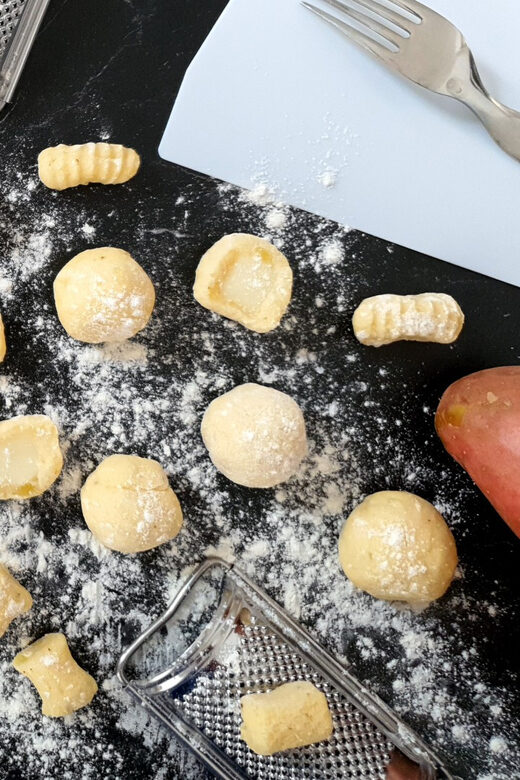
- Family-style teaching that makes a cooking class feel personal
- Hands-on gnocchi skills: potato choice, dough, shaping, and cooking know-how
- Small group (up to 10) for more attention while you work
- Aperitivo + a 2-course meal featuring what you prepared
- Wine and water included, plus take-home recipes and pasta tips
Verona Gnocchi Lessons at Palazzo Mastino: Family Food, Real Technique
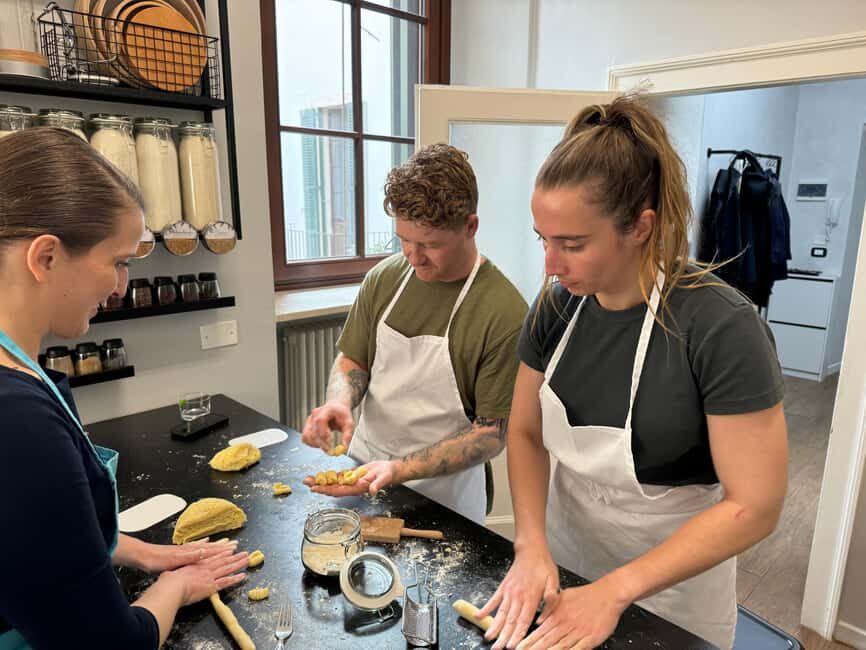
This experience is built around a simple idea: gnocchi are straightforward, but they’re not automatic. Get the potatoes wrong, overwork the dough, or misjudge cooking, and the result can turn heavy or gluey. Get it right, and they feel light, tender, and satisfying in a way that makes you understand why people talk about gnocchi like comfort food you can make at home.
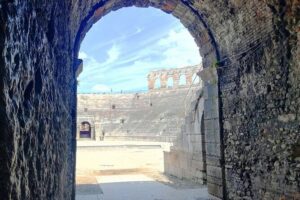
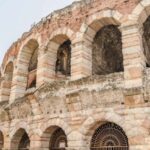
The setting matters too. You meet at Palazzo Mastino, just a short walk from the Arena—close enough that you can combine this with a Verona stroll either before or after. Most importantly, the class is small, capped at 10 participants, so you’re not shouting over a crowd. You can ask questions, fix mistakes early, and learn the little timing cues that separate good gnocchi from great gnocchi.
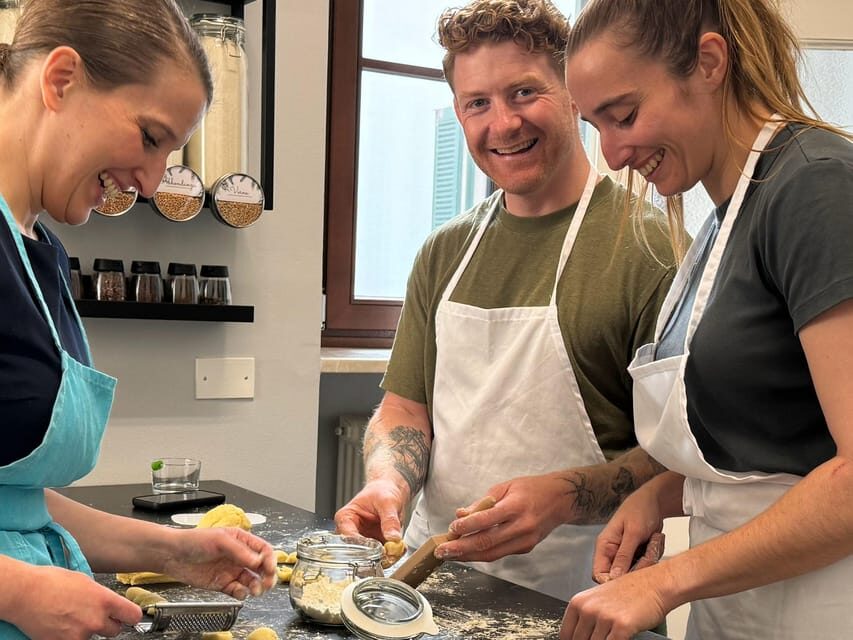
What I love is that the teaching isn’t vague. The course is designed to get you from scratch to finished plates in one sitting. You’re not just watching. You’re rolling up sleeves, working with flour, and tasting as you go—exactly what makes this kind of food-learning stick.
You can also read our reviews of more tours and experiences in Verona.
The 2.5-Hour Flow: What Happens From First Hands to Final Plates
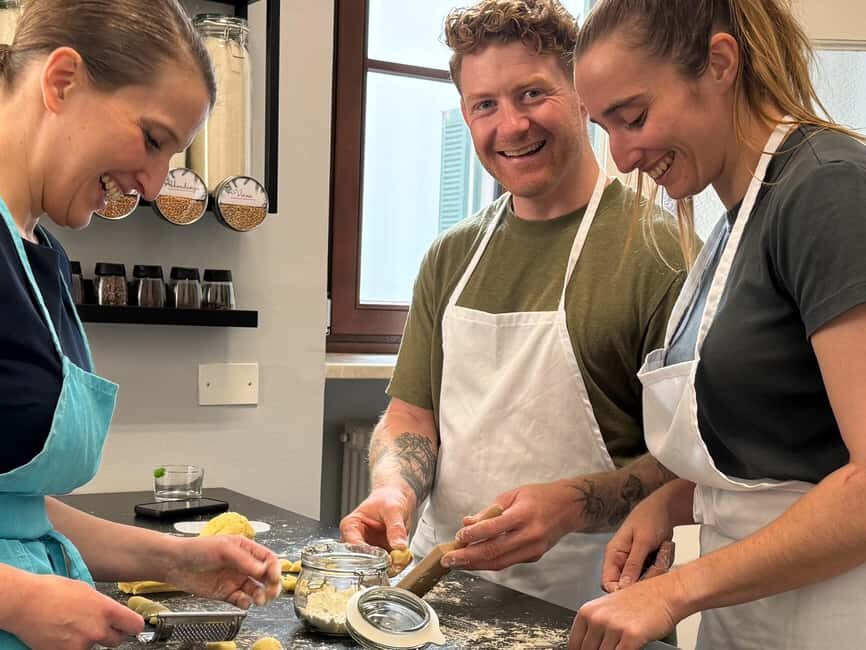
The pacing is compact and friendly. In about 2.5 hours, you move through the full cycle: preparation, shaping, cooking, and then eating.
Here’s how the day’s structure typically feels based on the experience details:
- Start with the basics: learning how to choose the right potatoes for gnocchi and why that choice affects texture.
- Make the dough following the Granny/Nonna method: step-by-step so you understand what the dough should feel like, not just what to do.
- Shape the gnocchi: you’ll learn the characteristic form that’s familiar across Italy.
- Cook and taste properly: you get guidance so your gnocchi come out with the right tenderness.
- Finish with an aperitivo and meal: you sit down at the same table to enjoy what you made, along with wine and laughter.
This rhythm is a big part of the value. Cooking classes can sometimes stop at the fun part—mixing and rolling—and then leave you with a vague “good luck at home.” Here, you get the full result in-house, which gives you a clear reference point for what success should look and taste like.
Picking the Potatoes: The First Skill That Changes Everything
When gnocchi go wrong, it’s often not the shaping. It’s the ingredients and how they’re handled. This class starts with recognizing the perfect potatoes, which is a practical skill you can use later when you’re shopping for dinner.
Why this matters: gnocchi dough needs a certain balance of dryness and starch. Potatoes that are too wet can make dough sticky and heavy. Potatoes that aren’t right for the job can lead to gnocchi that don’t hold their shape or that turn out dense instead of tender.
This is also where the “secrets” part earns its name. The course doesn’t just say, use potatoes. It teaches you how to think about the ingredient so you can make better decisions at home. That’s the kind of knowledge that outlasts the class.
The Dough the Nonna Way: Building Texture Step by Step
Next comes the heart of the experience: preparing the dough using the Granny’s recipe. Since the course includes a note about no/low salt and sugar, you can expect a flavor profile that relies on the natural taste of the potatoes and the simple dough itself.
Here’s what that means for you at the table:
- You’ll taste the potato more clearly.
- The dough should feel like it’s coming together without needing heavy seasoning.
- The goal is flavor that comes from balance, not from a sugar-salt punch.
Also, because you’re doing it hands-on, you learn by feel. Cooking gnocchi isn’t just about measuring. It’s about developing the right consistency—when dough is workable, when it’s too soft, and when it’s starting to get tough from overhandling.
And yes, flour on your hands is part of the deal. That’s why this class feels like family: it’s messy in a friendly way, the way kitchens are when people actually cook.
Shaping Gnocchi Correctly: The Part That Feels Like Italian Magic
Once the dough is ready, you’ll learn the shape that characterizes gnocchi around the world. Shaping might sound like a purely aesthetic step, but it’s functional too.
A good shape helps the gnocchi:
- cook evenly,
- hold sauce or flavor more effectively,
- and stay tender instead of turning rubbery.
In this class, the shaping lessons come with guidance, not just a quick demonstration. With a small group, you can get feedback while your hands learn the process. That’s the difference between trying to mimic a photo at home and actually understanding how the dough behaves as you roll, cut, and form.
Cooking and Knowing It’s Done: When Gnocchi Become Gnocchi
After shaping comes cooking. This is where the class earns its keep, because gnocchi timing can be tricky for first-timers.
The experience is set up so you learn to cook the gnocchi properly and then taste them during and after. The learning point here is not only “they’re finished” but also what finished gnocchi feel and taste like when they’re right—tender, not gummy, and light rather than heavy.
That tasting moment is key. When you can compare your result against what the instructor expects, you understand what to change for next time. It turns this into a real skill, not a one-off meal.
Aperitivo, 2-Course Meal, and Wine From a Small Venetian Winery
Now for the fun part: eating what you made.
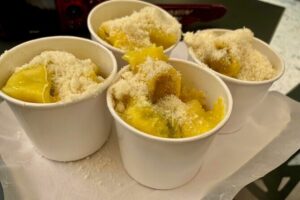
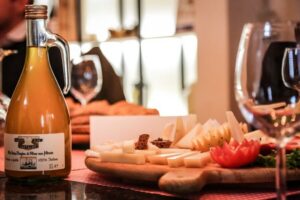
You’ll enjoy a cozy aperitivo as part of the experience, and then you’ll sit at the same table to enjoy the gnocchi you prepared. It’s not just a quick snack before you leave. The plan is a full 2-course meal, paired with a glass of Venetian wine from a small company.
The wine inclusion matters more than you might think. A lot of gnocchi classes treat the food like a demo and give you nothing to pair it with. Here, you finish with a regional wine that fits the mood and the flavors. And since water is included (sparkling and still), you can take your time without thinking about purchases.
Also, the small-group dinner vibe helps. With fewer people, it’s easier to actually talk—about food, about home cooking, about what you’re learning and how it connects to Italian family life.
Price and Value: Is $94 Worth It?
At $94 per person for 2.5 hours, you might wonder if it’s a splurge. Here’s why it can be good value:
You’re not just paying for instruction. The experience includes:
- a hands-on cooking class
- a 2-course meal
- unlimited water (sparkling and still)
- a glass of wine from a small Venetian winery
- recipes and tips so you can make gnocchi and pasta again at home
If you were to recreate the experience on your own, you’d be paying for ingredients, time, and the guided know-how that prevents wasted dough. The class is where you gain the “why” behind texture and timing, plus the practical steps to do it again without guessing.
The small-group cap of 10 participants is also part of the value. More attention reduces the likelihood you’ll leave with half-understood steps.
My one cost-related consideration: if your goal is maximum time in the city for sights, this format trades some freedom for focused learning. You’re here for cooking and eating, not wandering.
Dietary Notes: The No/Low Salt and Sugar Approach
One detail you should take seriously: the recipe is made and cooked with no/low salt and sugar to savor the true essence of the food.
That’s usually great for people who want cleaner flavors and prefer less heavy seasoning. But if you know you need certain dietary adjustments, plan ahead and let the organizers know about food intolerances or allergies. The experience explicitly asks you to notify them in advance, which is the right move for a food-based activity.
If you’re someone who relies on strong seasoning to enjoy meals, you might find the flavor profile subtly different from what you’re used to. It’s not bad—just a different approach.
Who Should Book This (and Who Might Skip It)
This is a strong match if you:
- want a hands-on food experience instead of a passive tour,
- like learning cooking skills you can repeat at home,
- enjoy small-group settings where you can ask questions,
- are curious about how Italian family recipes become technique.
It may not be ideal if you:
- want a long, sightseeing-heavy day (this is a focused cooking-meal experience),
- dislike interactive classes where you’ll work with dough and flour,
- or need heavily customized flavors, since the class uses a no/low salt and sugar approach.
Should You Book My Granny’s Secrets Making Gnocchi?
I think this is a good booking for the right traveler. If you want Verona that goes beyond pretty streets and instead gives you something lasting—a real gnocchi method you can use again—this delivers. The small group size, the guided steps from potato choice to cooking, and the finished meal with wine make it feel like more than a class. It feels like you got invited into someone’s kitchen rhythm for a couple hours.
If your travel style leans toward hands-on learning, this is exactly the kind of experience that turns into a story you’ll tell later, and a recipe you’ll actually cook.
FAQ
FAQ
How long is the gnocchi class experience?
The duration is 2.5 hours.
What language is the class taught in?
The instructor teaches in English and Italian.
Is it a small group?
Yes. It’s a small group limited to 10 participants.
What’s included with the price?
The price includes a hands-on cooking class, a 2-course meal, unlimited water (sparkling and still), a glass of wine produced in the region from a small company, and recipes and tips to make pasta again at home.
Is there an aperitivo and do I eat what I make?
Yes. You’ll enjoy a cozy aperitivo, and then you sit at the table to enjoy the gnocchi you prepared.
Do they use salt or sugar?
The recipe is made and cooked with no/low salt and sugar. Let them know in advance if you have intolerances or allergies.
Where is the meeting point?
You meet at Palazzo Mastino, about a 5-minute walk from the Arena and around a 1-minute walk from the parking lot Cittadella.
Can I cancel for a full refund?
Yes. You can cancel up to 24 hours in advance for a full refund.
Is there a way to book without paying right away?
Yes. You can reserve now & pay later.
Who provides the experience?
The experience provider is Vallì Homemade.