REVIEW · VERONA
Verona: Montresor Winery Visit with Wine Tasting and Snacks
Book on GetYourGuide →Operated by Ways Tours | B Corp certified · Bookable on GetYourGuide
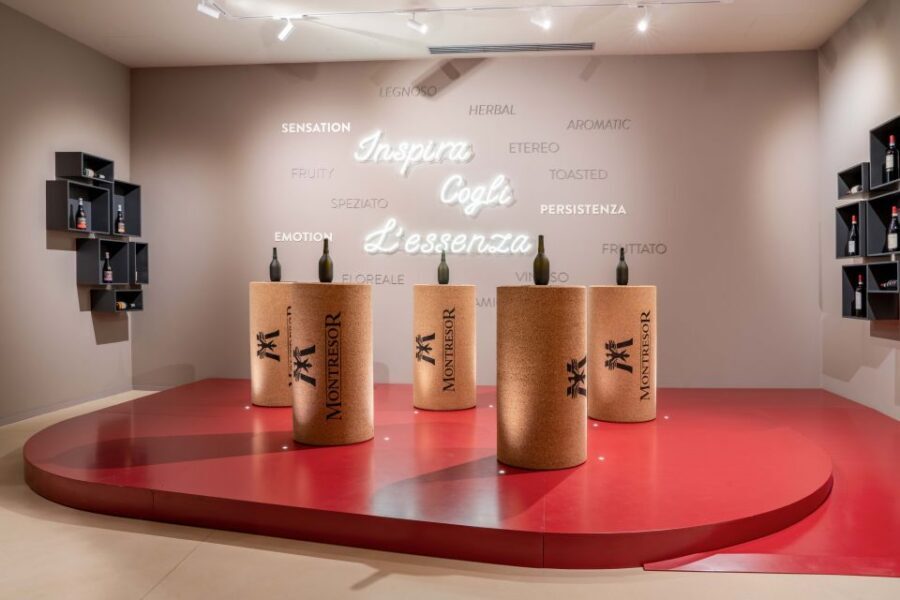
This winery makes you taste history. I loved starting in the wine museum and then using the sensory aroma room to identify grape notes before I ever took my first real sip. The whole experience feels designed for your senses, not just your ears.
Next, you pick your lane: Valpolicella reds (with styles that can run up to Amarone Riserva) or Lake Garda whites, led by a host/sommelier with a structured tasting. You also get snack pairings that keep things easy and not overly formal.
One drawback to consider is that it is a tight 1.5 hours, and it is not suitable for vegans or pregnant women. Some areas may also be tough if you have reduced mobility needs.
In This Review
- Key highlights worth clocking
- Where Montresor Fits in Your Verona Wine Day
- Museum Start: Verona and the Montresor Family Story in One Walk
- Choosing Valpolicella Reds or Lake Garda Whites
- Valpolicella reds route
- Lake Garda whites route
- Snack pairing keeps it friendly
- The Aroma Room: Training Your Nose Without Pretending
- Barrel Room and Aging: Where Appassimento Becomes Real
- Tasting Room With Sommeliers: How to Get More From Your 4–5 Glasses
- Buying bottles, with value in mind
- What It Feels Like Day-of: Timing, pace, and who it suits
- Who will enjoy it most
- Who should skip or reconsider
- Getting There: Montresor From Arena and Castelvecchio
- Should You Book the Montresor Wine Tasting?
- FAQ
- How long is the Montresor visit?
- What wines can I choose between?
- How many wines will I taste?
- What is included in the experience besides wine?
- Is transportation included?
- Where do I meet the guide?
- How do I get there from Verona?
- Is this tour suitable for children?
- Is the tasting vegan-friendly?
- What should I bring?
- Is the experience accessible for reduced mobility?
Key highlights worth clocking
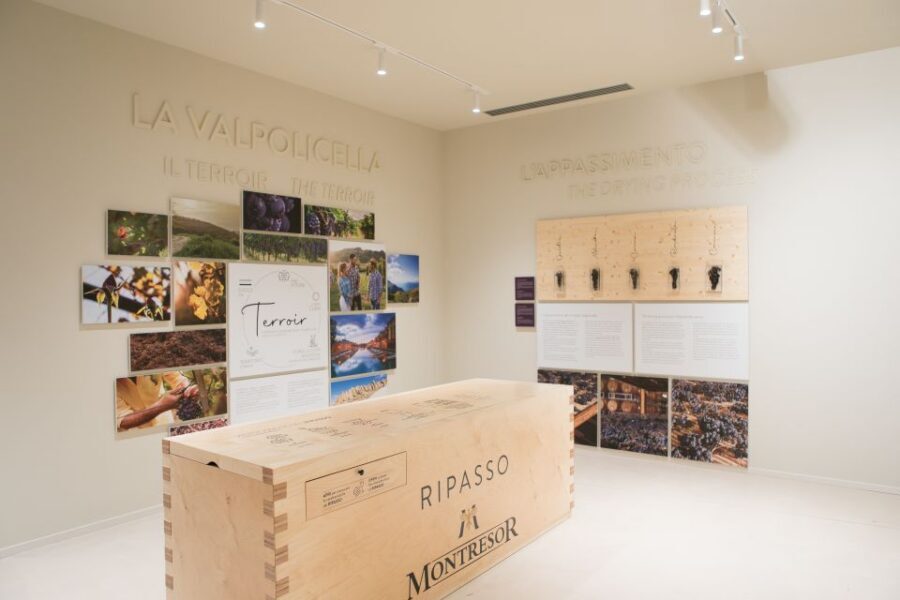
- Museum visit that links Verona’s past with winemaking in the Montresor story, from late 1800s to today
- Two tasting choices: Valpolicella reds (4–5 glasses) or Lake Garda whites (4 glasses)
- Interactive sensory/aroma room with exercises meant to train your nose
- Appassimento in the barrel-aging areas, plus a full-wall historical mural
- Guides with lively flair, including hosts like Emma, Leonardo, Emmanuele, and Silvia (names you may hear during the tour)
Where Montresor Fits in Your Verona Wine Day
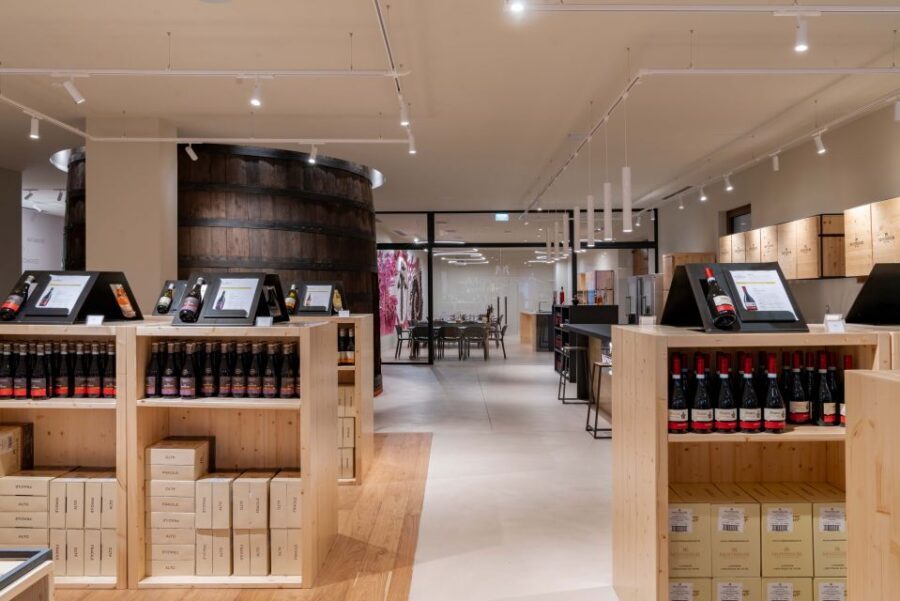
If your Verona plans lean toward food and culture, this Montresor visit is a smart add-on. It is not just a basic tasting in a shop. You start in a museum space that explains how the winery’s identity and Verona’s story connect, then you move through the production areas that lead into the wines in your glass.
At $34 per person for about 1.5 hours, the value comes from three things working together: a real guided museum-style walkthrough, a sensory component (smells), and a structured tasting with snacks. If you have limited time in the city, this format is efficient. If you care about why wine tastes the way it does, the extra room-by-room context helps your palate make sense of what you’re tasting.
I also like that you can choose between Valpolicella reds and Lake Garda whites. That lets you match the day to your taste. Red wine fans can aim for the heavier, more traditional Valpolicella styles, while white wine lovers get a lighter route.
You can also read our reviews of more food & drink experiences in Verona
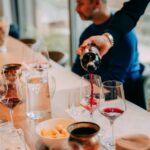


Museum Start: Verona and the Montresor Family Story in One Walk
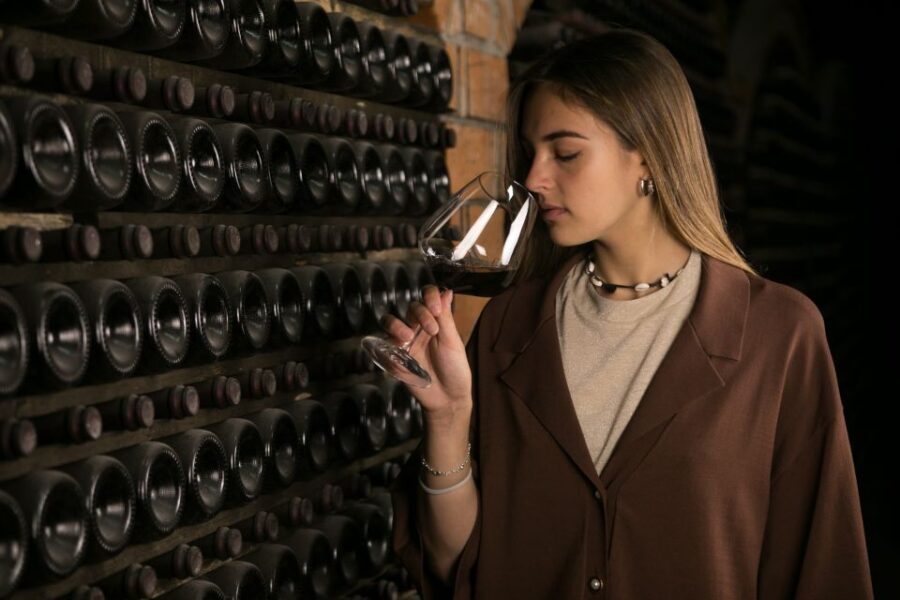
The visit begins at the Montresor winery, where you start in the museum area. This is where the tour earns its keep, because it frames winemaking as part of Verona’s local history rather than a random sidetrack.
You’ll see how the Montresor family story runs from the late 1800s up to today. The museum presentation also points out that the winery preserved its identity while still adapting through major historical events. In other words, you’re not just looking at old photos and calling it history. You learn how the winery’s continuity and change shaped what it makes now.
Practically, this first stop is useful even if you’re not a wine nerd. It gives you vocabulary fast: terroir and grape choice matter, yes, but timing and process matter too. By the time you’re standing in the next rooms, you already know what questions to ask.
It also sets expectations for what comes next. The museum tour leads into the Valpolicella story and grape stages (including how grapes move from harvest toward drying). That makes the later tasting feel less like a checklist and more like a logical outcome.
Choosing Valpolicella Reds or Lake Garda Whites
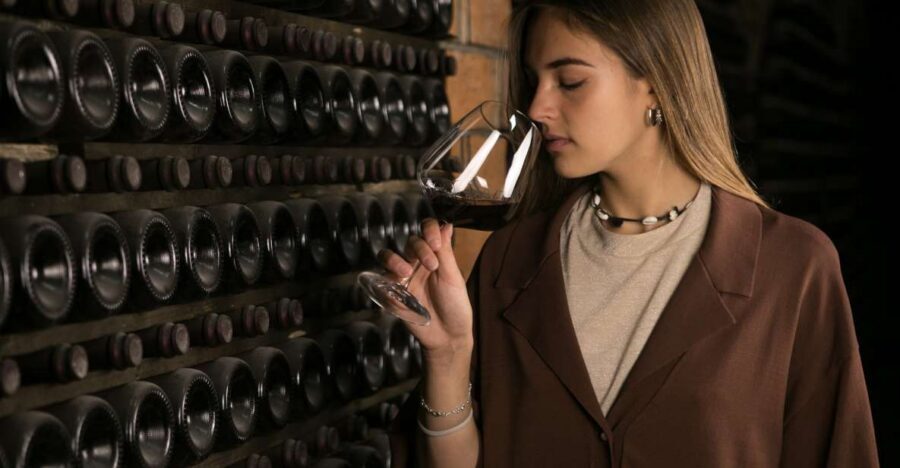
This is the most important decision you’ll make on the day, because it determines what you taste and how the tour’s explanation flows.
Valpolicella reds route
If you choose the Valpolicella red wines option, you’ll be tasting around five glasses. The tour explanation focuses on the land and how it shapes recognizable Valpolicella styles such as:
- Valpolicella Classico
- Ripasso
- Amarone (including styles that can go up to Amarone Riserva)
One of the most helpful parts here is the way the tour connects process to flavor. You’ll hear about grape stages from harvest through drying, so when you later taste richer, deeper wines, it feels earned rather than mysterious.
Lake Garda whites route
If you prefer something lighter, pick the Lake Garda white wines option. This route includes four glasses, with a focus on fresh, elegant whites. The tasting is still guided and structured, so you won’t just sip and hope for the best. You’ll get cues about what to look for in the glass and what those smells and textures mean.
You can also read our reviews of more wine tours in Verona


Snack pairing keeps it friendly
The experience also includes snacks meant to work with the wine: bread, olive oil, soppressa salami, and cheese. One thing I’d flag: some visitors report the snack format can be simpler on the day (like breadsticks). Either way, it is designed to keep you comfortable while you taste multiple wines.
The Aroma Room: Training Your Nose Without Pretending
One of the most memorable stops is the interactive aroma room. This is where the tour shifts from information to sensory practice.
You’ll try to recognize key notes linked to each wine. The room is set up for guided participation, which means you do not need to already know wine terminology. You’re basically doing a tasting warm-up: smell first, then connect that smell to what you’ll taste.
I like this because it saves you from a common tasting problem. If you only taste, your brain can treat wine like flavor fog. If you smell and label what you detect, the tasting becomes clearer and more satisfying.
Also, it’s fun in a low-pressure way. Several guides are known for adding humor and keeping the pace engaging, and the aroma activity is often the point where people start asking better questions.
Barrel Room and Aging: Where Appassimento Becomes Real
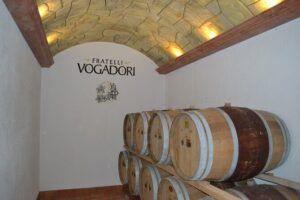
After the aroma room, you move into the production side of the winery. You’ll pass beneath a historic barrel and reach the aging room, which is where the tour makes its most technical leap.
Here, wines rest in large casks, and you’ll learn how the appassimento process works. Appassimento matters because it’s part of what builds the intensity in certain Valpolicella styles. If you’re tasting Amarone-adjacent wines on the day, this is the moment when that label stops being a word and becomes a process you can visualize.
There’s also an added visual element: a full-wall historical mural inside the aging space. It gives the room a sense of place, which helps the whole experience feel tied together instead of like a series of rooms you pass through.
The barrel and aging rooms are a strong reason to choose this experience over a quick tasting. You’re getting context for the flavors, especially if you’re tasting reds with more body and depth.
Tasting Room With Sommeliers: How to Get More From Your 4–5 Glasses
The tasting ends in the tasting room, where expert hosts/sommeliers guide you through the wines you selected.
If you chose the red option, you’ll taste four wines plus an additional glass as part of the guided sequence, totaling five glasses. If you chose the white option, you’ll taste four wines or four glasses.
Here’s how to get the most from it without overthinking:
- Sip slowly and let the wine warm slightly in your glass.
- Use the aroma room as your cheat sheet. If you smelled something during the exercise, compare it to what you taste now.
- Ask what changed between styles, not just what you should like.
Guide quality really shows in this part. In past visits, hosts and sommeliers such as Emma, Leonardo, Emmanuele, and Silvia have been praised for clear explanations and engaging energy. One of the best signs is when the guide can connect a wine style to its vineyard and process in plain language.
Buying bottles, with value in mind
There’s a discount on bottle purchases. And since wine you tasted is often the easiest to buy confidently, that discount can matter for your overall spend.
Some guests also report that bottles can be shipped home. If that matters to you, ask during the visit how it works and what fees apply, so there are no surprises later.
What It Feels Like Day-of: Timing, pace, and who it suits
This tour is designed to stay focused. Expect about 1.5 hours, and the day flows from museum → sensory room → barrel/aging → tasting. It is not a half-day vineyard hike, so it suits people who want structure and clarity.
The experience is also a good weather backup. It’s largely indoor, with controlled environments in museum and production areas, so rain or heat is less of a problem than it would be on a countryside tasting.
Who will enjoy it most
This fits best if you:
- want a guided Verona wine tasting with real context
- like learning how styles connect to process (especially for Valpolicella and appassimento)
- want a tasting that includes snacks rather than just standing around with tiny pours
Who should skip or reconsider
It is not suitable for vegans and not suitable for pregnant women. Children under 18 are not suitable, and minors must be accompanied by an adult. Also, some areas may not be easily accessible for people with reduced mobility.
Getting There: Montresor From Arena and Castelvecchio
Location-wise, you’re just outside Verona’s historic center, so you do not need a full-day commitment to reach it.
You can reach the winery by:
- Taxi from Arena
- Bus 21 or 93 from Castelvecchio Castle (stop is opposite the castle entrance)
- Parking is available at the winery
In practice, it is about 15 minutes from Verona center, depending on traffic and your exact start point. If you’re taking the bus, plan a short walk from the stop to the winery entrance.
Your meeting point is inside the Montresor winery. Once you’re there, the visit stays organized.
Should You Book the Montresor Wine Tasting?
Book it if you want a Verona wine experience that explains what you’re tasting, not just the taste itself. The combination of a Verona-connected museum, an aroma room exercise, and an aging/appassimento walkthrough makes this one of the more thoughtful tastings around. At $34 for a guided 1.5-hour visit with multiple wines and snack pairings, it’s strong value if you’ll actually use the information while you drink.
Skip it if your top priority is a long countryside vineyard day, or if your needs don’t match the stated limits (not suitable for vegans, not for pregnant women, and not for children under 18). Also be aware that portions may be difficult if you have mobility constraints.
If you’re doing Verona in a couple of days and you want one memorable wine stop that feels local and grounded, Montresor is an easy yes.
FAQ
How long is the Montresor visit?
The visit lasts about 1.5 hours.
What wines can I choose between?
You can choose between Valpolicella red wines or Lake Garda white wines.
How many wines will I taste?
If you select Valpolicella reds, you taste 5 glasses. If you select Lake Garda whites, you taste 4 glasses.
What is included in the experience besides wine?
You get a guided wine museum visit (including the sensory aroma room), a host, and snack pairings with bread, olive oil, soppressa salami, and cheese. Bottle purchases also come with a discount.
Is transportation included?
No. You’ll need to arrange your own transport to the winery.
Where do I meet the guide?
Meet your guide inside the Montresor winery.
How do I get there from Verona?
You can take a taxi from Arena. You can also take bus 21 or 93 from Castelvecchio Castle, with the stop opposite the castle entrance. Parking is available at the winery.
Is this tour suitable for children?
Children under 18 are not suitable. Minors must be accompanied by an adult.
Is the tasting vegan-friendly?
No. The activity is not suitable for vegans.
What should I bring?
Bring a camera.
Is the experience accessible for reduced mobility?
Some parts of the tour may not be easily accessible for people with reduced mobility (or any kind of disability).