REVIEW · VERONA
Verona: Tortellini Cooking Class and Lunch with Mamma Ivana
Book on GetYourGuide →Operated by Giardini di Borghetto · Bookable on GetYourGuide
A homestyle meal you help make. This Verona tortellini cooking class with Mamma Ivana turns a classic dish into hands-on fun, followed by the best part: eating what you cooked. Two things I especially like are the bilingual (English/German/Italian) instruction and the very practical step-by-step focus on pasta stretching and filling.
You’ll learn how tortellini are built, from ingredients to the shaping that creates the love knot, then sit down for lunch with wine and a homemade dessert. One thing to keep in mind: a past diner noted the restaurant had flies, so it’s worth showing up with a little patience and good humor.
In This Review
- Key Points You’ll Care About
- Why Cooking Tortellini in Verona Feels Personal
- Meet Mamma Ivana at Giardini di Borghetto
- What You’ll Learn: From Tortellini Ingredients to the Love Knot
- The Pasta Machine Moment: Technique You Can Actually Use Later
- Building the Meat Filling and Assembling Tortellini
- The Lunch Table: Your Tortellini, Water, Wine, and Butter + Sage
- Sbrisolona Dessert: The Sweet Finish You Don’t Need to Guess
- Price and Value: Is $73.64 Worth It?
- Who This Class Is Best For (and Who Might Want to Skip It)
- Practical Notes: Parking, Duration, and What to Plan for
- Should You Book This Tortellini Cooking Class?
- FAQ
- How long is the tortellini cooking class?
- What does the price ($73.64 per person) include?
- What will I cook and eat during the experience?
- Where do we meet in Verona?
- What languages does the instructor speak?
- Is the experience wheelchair accessible?
- Can I cancel, and do I need to pay right away?
Key Points You’ll Care About
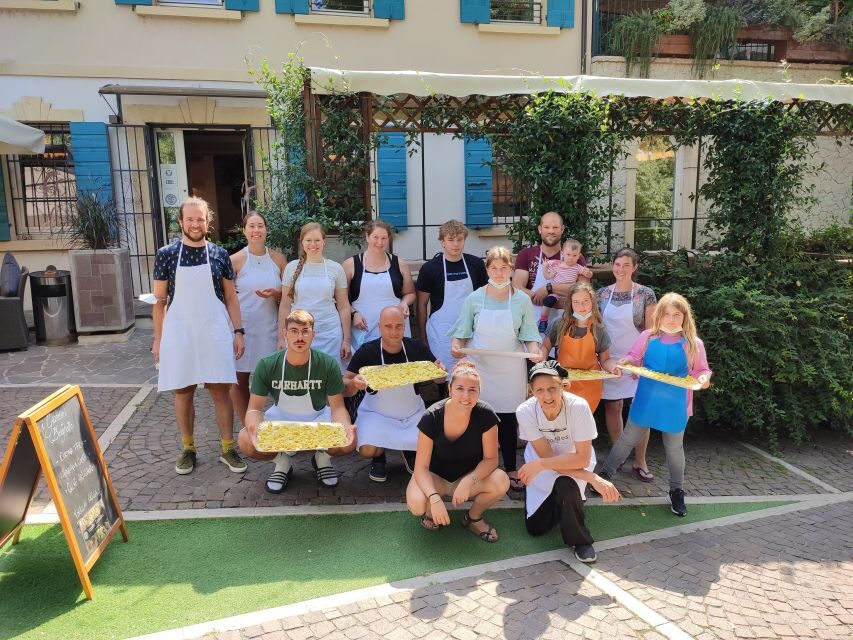
- Mamma Ivana teaches the full workflow: ingredients, meat filling, pasta stretching, and love-knot shaping
- You eat immediately: your tortellini lunch includes water, a glass of wine, and Sbrisolona
- Instruction is trilingual (English, German, Italian), which makes the class easier to follow
- 3 hours is focused and doable, not a half-day project that eats your whole schedule
- Meeting point details matter: you’ll start at Giardini di Borghetto with a reserved car park nearby
Why Cooking Tortellini in Verona Feels Personal
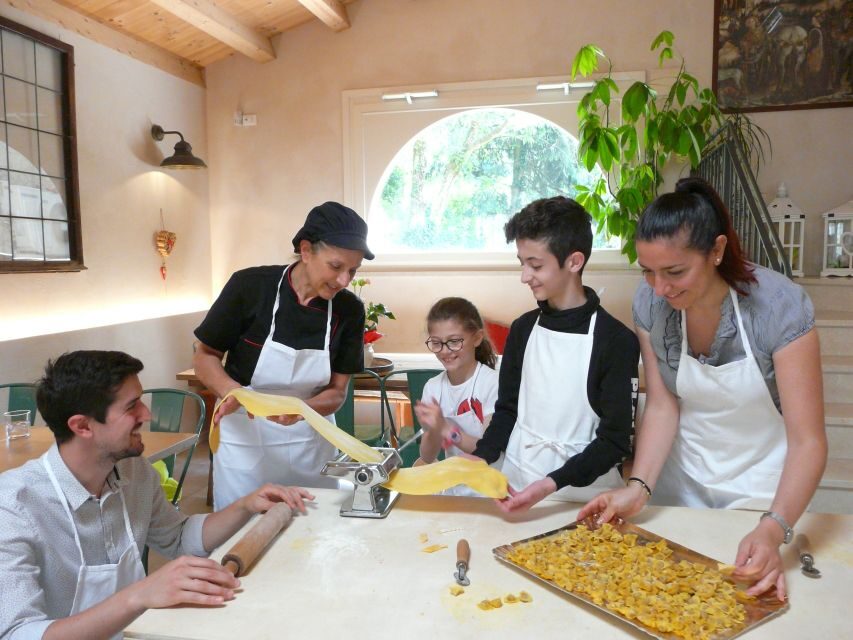
Verona is famous for romance and long walks. But this kind of experience hits harder: you get to make something you can actually repeat at home. Cooking tortellini is detailed work, yet the whole point here is that someone guides you through it patiently, like family cooking on a busy day.
I like that the lesson doesn’t float in theory. You learn the “how,” including the tricks behind stretching pasta using a special machine and building the filling. And because the meal is part of the lesson, the day doesn’t feel like a performance you watch—it feels like you’re participating.
There’s also something grounding about learning a dish that’s served simply but well. In this class, tortellini are described as being stuffed with meat and served with butter and sage. That matters because it keeps your attention on the pasta and the filling, not fancy tricks you can’t recreate.
You can also read our reviews of more cooking classes in Verona


Meet Mamma Ivana at Giardini di Borghetto
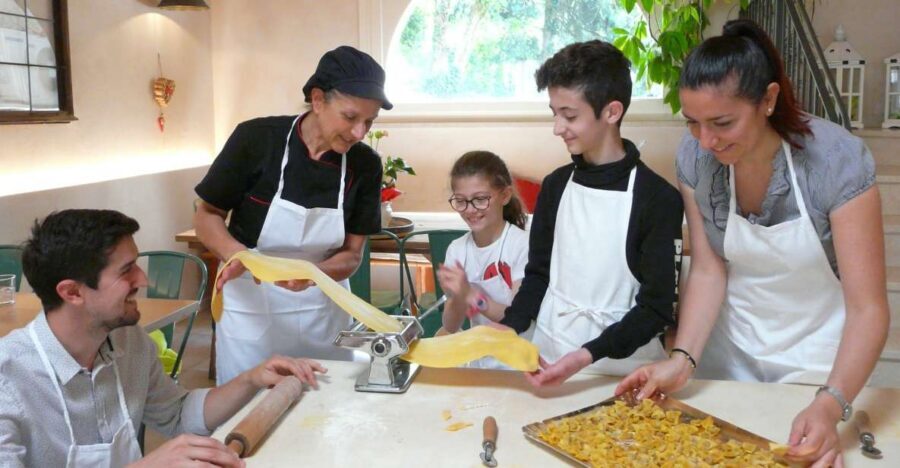
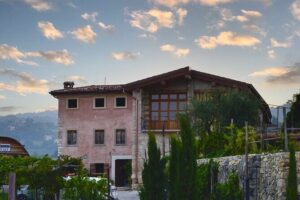
Your start point is at the Giardini di Borghetto restaurant in Verona. The day is designed to begin there and end right back at the same spot, so you’re not left figuring out transit or routes halfway through. That’s a small thing, but it makes the experience feel smoother, especially if you’re traveling with kids or older relatives.
There’s reserved parking about 100 meters from the restaurant. It’s in the direction of Borghetto, and you’ll spot a narrow dirt road on your left with a green gate. If you’re driving, pay attention at the start—those last meters can be the difference between a calm arrival and a “where are we?” moment.
The class is taught by Mamma Ivana, and the instructor supports English, German, and Italian. That’s a practical win for mixed groups. If your party includes people who don’t all speak the same language, you’re less likely to feel left out mid-lesson.
What You’ll Learn: From Tortellini Ingredients to the Love Knot
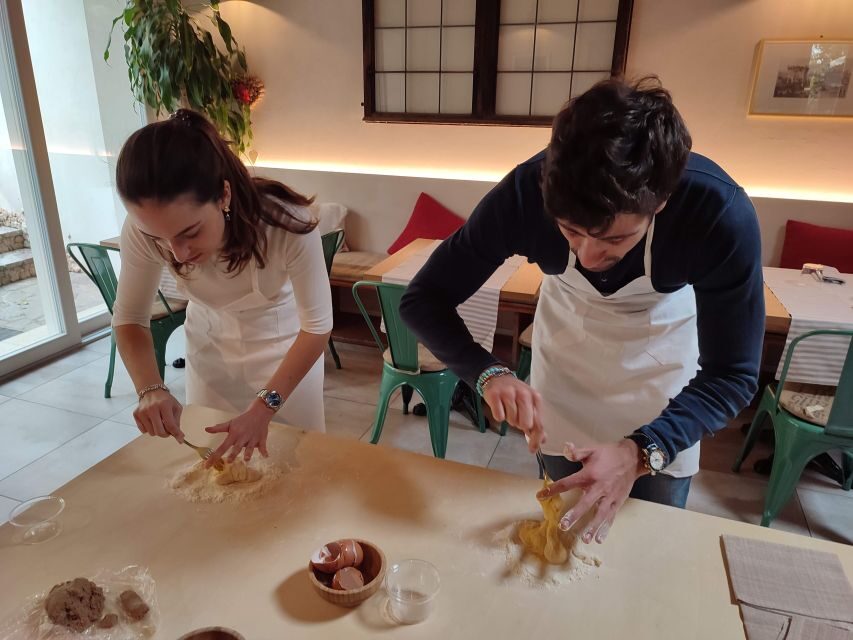
This is a hands-on cooking class that walks you through traditional tortellini step by step. First, you get a short explanation of the dish and what makes it tortellini in the first place. Then you move into ingredients and technique—less guessing, more doing.
Here’s the core skill set you’ll cover:
- Pasta stretching with a special machine: you learn how to get the right thinness and pliability
- Making the meat filling: you’re shown how it’s assembled and handled
- Shaping the love knot: you learn how to create the classic form so they hold together
The “love knot” isn’t just decoration. It’s part of why tortellini look the way they do and why they’re easier to cook evenly. Shaping also forces you to slow down and pay attention, and that’s exactly what makes the class satisfying.
Also, the filling is described as being meat-based. That’s helpful context because it keeps the class grounded in a recognizable flavor profile. You’re not thrown into experimental territory—you’re learning a classic structure that you can taste and understand as you go.
In terms of pace, you’ll likely feel busy but not rushed. The overall duration is 3 hours, which is long enough to learn real technique but short enough to keep the day feeling light.
The Pasta Machine Moment: Technique You Can Actually Use Later
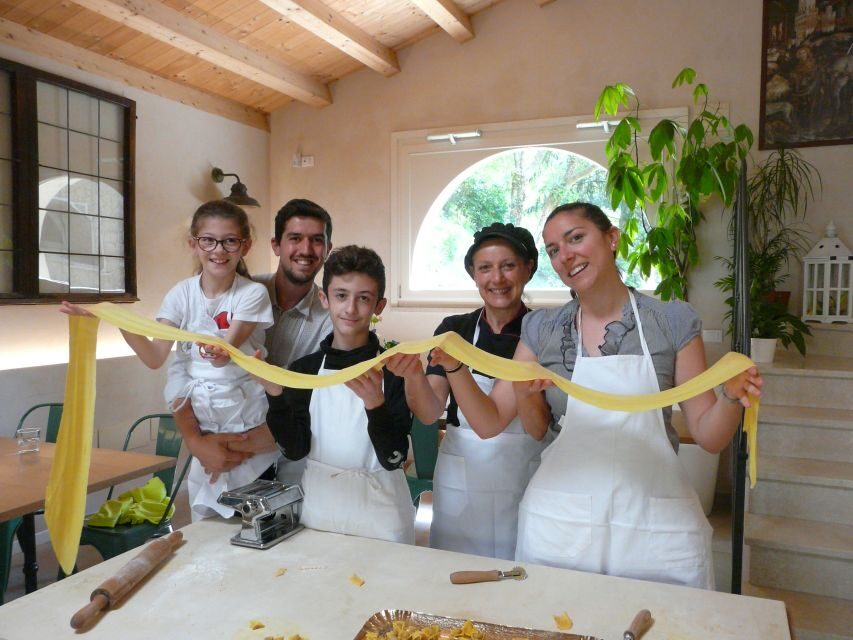
A lot of cooking classes teach flavors. This one puts real weight on technique, especially when pasta needs to be stretched correctly. You’re taught to stretch the pasta with a special machine, and that’s a big deal if you’ve only ever tried rolling by hand.
Why that matters: proper thickness affects everything. Thin pasta cooks faster and more evenly. Too thick, and the outside may stay chewy while the filling isn’t hot all the way. Too thin, and it can tear or become tricky to handle.
In a class like this, the machine isn’t just a tool—it’s the shortcut to understanding what “right” feels like. And because you’re doing it yourself, you’re building muscle memory, not just collecting instructions you forget the next day.
When you get to the shaping stage, the earlier pasta consistency makes the “love knot” step easier. It’s one thing to learn how to shape. It’s another to have the dough behave the way it should. That’s why stretching is included—it’s the foundation.
Building the Meat Filling and Assembling Tortellini
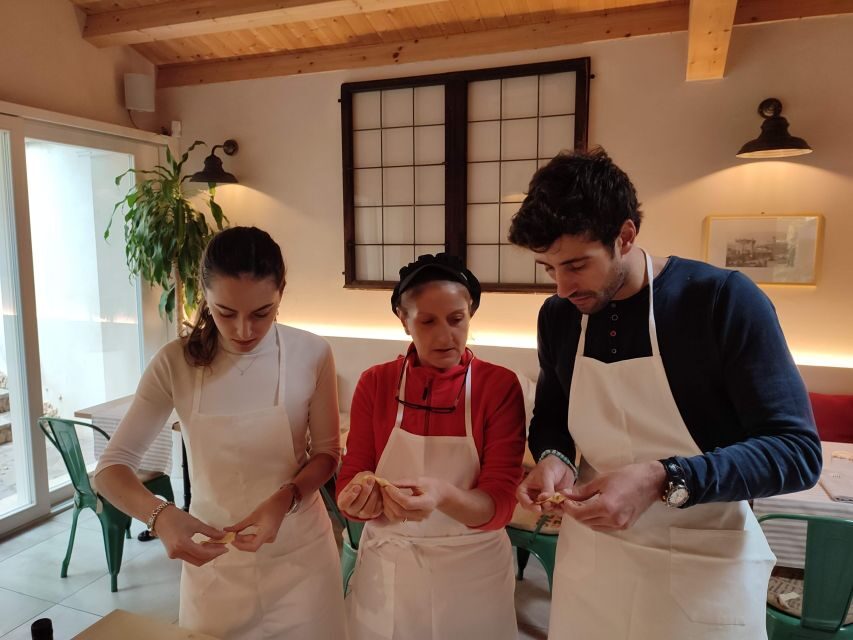
Next comes the part that feels both serious and strangely fun: building the meat filling and assembling the tortellini. You learn the ingredients and how the filling is made and portioned. Then you put it into the pasta in a way that supports the final shape.
I appreciate this portion because it’s where many people get nervous about messing up. In a guided class, you get immediate feedback. If your portions are off, you learn how to adjust. If the filling makes sealing tricky, you learn what to do with the pasta so it stays closed.
This is also where the class earns its value. You’re not just learning how to make “food.” You’re learning the logic behind stuffed pasta: fill, seal, shape, then cook.
And since the class includes lunch right after, you’ll be able to compare the finished tortellini you make with the real version described in the lesson. You’re essentially training your palate while training your hands.
You can also read our reviews of more tours and experiences in Verona




The Lunch Table: Your Tortellini, Water, Wine, and Butter + Sage
After the lesson, you sit down to enjoy what you cooked: tortellini. The class describes the traditional serving style as tortellini with butter and sage, and that’s part of the experience you’ll taste at lunch.
The lunch setup includes water, a glass of wine, and the tortellini you made. That combination makes the meal feel complete in a way many cooking classes skip. If all you did was cook and then left hungry, you’d lose the point of learning at a local table.
Also, this is where the experience turns heartwarming for many people. One past diner highlighted how warm and fun the hosts were, especially for a family group. Another praised how helpful the bilingual setup was, which tracks with the fact that instruction is available in English, German, and Italian.
You should know the group vibe can be friendly and family-oriented, since at least one review described it as a great family day out. If you like learning with conversation and a relaxed pace, you’re likely to enjoy it.
Sbrisolona Dessert: The Sweet Finish You Don’t Need to Guess

You don’t leave the class with a recipe booklet and hope for the best. You get to finish the meal with a homemade dessert: Sbrisolona tart. That’s a big deal for practicality. When you know what “good” tastes like, you can judge your own future attempts.
Sbrisolona is served after lunch, along with your meal experience. Pairing a learning class with a dessert helps the whole event feel like a real Italian meal, not a cooking demo with a token sweet ending.
And because dessert is included, you avoid the common travel-class trap: paying for the class but then spending extra money afterward just to feel like you ate. Here, the structure covers the full day experience in one package.
Price and Value: Is $73.64 Worth It?
At $73.64 per person, this class sits in the mid-range for hands-on food experiences in Italy. The value isn’t just the cooking lesson. It’s the full package: class plus lunch, drinks, and dessert, delivered in a 3-hour block.
Here’s the practical value breakdown:
- You learn real technique for stuffed pasta: ingredients, pasta stretching, meat filling, and shaping
- Lunch includes what you made, plus water and a glass of wine
- Dessert is included: Sbrisolona tart
- The class runs about 3 hours, so it fits into a half-day plan
If you’ve ever paid for a pricey “food experience” where you learn almost nothing and then eat something average, this is different. The structure is teaching + eating, and the menu is tied to what you learn. That’s why it feels worth the money: your time turns into a meal.
Transportation isn’t included, so if you’re relying on taxis or rideshare, factor that into your total day cost. That said, ending where you start (back at the meeting point) reduces friction.
Who This Class Is Best For (and Who Might Want to Skip It)
This experience is best for people who want a hands-on food activity that’s still light enough for a vacation schedule. If you like learning by doing, and you’d rather bring home a practical skill than just photos, this fits.
It’s also a strong choice for mixed-language groups. Instruction is available in English, German, and Italian, which helps if not everyone shares the same language comfort.
It’s especially good if you’re traveling with family. One review mentioned it as a fun family day out, and the warm, welcoming hosting style described in feedback supports that.
Who might not love it? If you’re looking for a long museum-style tour or a strictly sightseeing day, a cooking class will feel like a change of pace. And if you’re extremely sensitive to restaurant conditions, note that one past diner said the restaurant had flies. That’s not enough to say you’ll have the same issue, but it’s fair to keep in mind.
Practical Notes: Parking, Duration, and What to Plan for
Here’s how to plan the day without overthinking it.
Duration: 3 hours total. That’s long enough to learn several steps, but short enough to keep the rest of your Verona day flexible. Since it ends back at the meeting point, you won’t need extra scheduling to get home.
Meeting location: Giardini di Borghetto restaurant. The parking detail is specific: reserved parking about 100 meters away toward Borghetto, with a narrow dirt road on the left and a green gate. If you’re arriving by car, I’d build in a few minutes extra to find the entrance calmly.
Instruction languages: English, German, Italian. If you have someone in your group who gets anxious when instruction isn’t in their language, this setup helps.
What’s included: cooking class, lunch, drinks (including water and a glass of wine), and dessert (Sbrisolona tart). So you’re not budgeting for the meal mid-experience.
Transportation: not included. If you’re not staying nearby, you’ll want to think ahead about how you’re getting there.
Should You Book This Tortellini Cooking Class?
I think you should book it if you want an authentic, hands-on food experience that ends with a real lunch at the same place you learned. The tortellini from scratch approach—especially the pasta stretching and love-knot shaping—turns a classic Verona meal into something you personally understand.
The deal-breaker is personal. If you hate the idea of spending your vacation doing controlled, careful work with dough, then skip it. But if you like learning techniques you can reuse at home, and you’re happy to trade a few hours of sightseeing for a meal you made with your own hands, this is a strong pick.
Also, if your group includes multiple languages, the trilingual instruction is a practical advantage. Add the included lunch, wine, and Sbrisolona dessert, and the $73.64 price starts to look less like a “class ticket” and more like a full Verona eating-and-learning moment.
FAQ
How long is the tortellini cooking class?
The class lasts 3 hours.
What does the price ($73.64 per person) include?
It includes the cooking class, lunch, drinks, and dessert.
What will I cook and eat during the experience?
You’ll learn to make tortellini from scratch, then eat the tortellini at lunch. Lunch includes water and a glass of wine, and there’s a homemade dessert called Sbrisolona tart.
Where do we meet in Verona?
You meet at the Giardini di Borghetto restaurant. The activity ends back at the same meeting point.
What languages does the instructor speak?
The instructor offers instruction in English, German, and Italian.
Is the experience wheelchair accessible?
Yes, it is wheelchair accessible.
Can I cancel, and do I need to pay right away?
Free cancellation is available up to 24 hours in advance for a full refund. You can reserve now and pay later, keeping your plans flexible.