REVIEW · VERONA
Olive Mill Tour and Tasting in the Verona Countryside
Book on GetYourGuide →Operated by Slow Travel · Bookable on GetYourGuide
A farm walk turns into a food lesson fast. I like that this tour combines a short stroll through the experimental olive grove (Campo di Casa) with a look inside a modern Frantoio 4.0 mill, plus a guided tasting of three extra virgin olive oils. Two things I really value: the hands-on production tour (not just a sales pitch) and the tasting guidance that helps you understand what good olive oil tastes like.
One thing to factor in: weather can affect the grove portion. The tour notes that if rain or unsafe conditions make access hard, the olive grove walk may not be included, so plan a little flexibility.
In This Review
- Key takeaways before you go
- Getting to Frantoio Bonamini (Illasi) and what the visit feels like
- Campo di Casa: the experimental grove you walk through
- Inside a Frantoio 4.0 mill: production, quality, and real machinery
- The Bonamini Oil Museum: old methods beside new tech
- Tasting three extra virgin olive oils (and how to taste like it matters)
- Snacks, pairing, and why food helps olive oil make sense
- Sustainability from field to bottle: what gets recycled and why you should care
- Price and value: is $34 for 1.5 hours a fair deal?
- Who should book this olive oil tour near Verona?
- Quick practical notes you’ll be glad you considered
- Should you book this olive mill tour and tasting?
- FAQ
- How long is the olive mill tour and tasting?
- What happens during the Campo di Casa grove part?
- How many olive oils do you taste, and is it guided?
- What’s included with the tasting?
- Where is the meeting point and how do you find it?
- Is it wheelchair accessible?
Key takeaways before you go
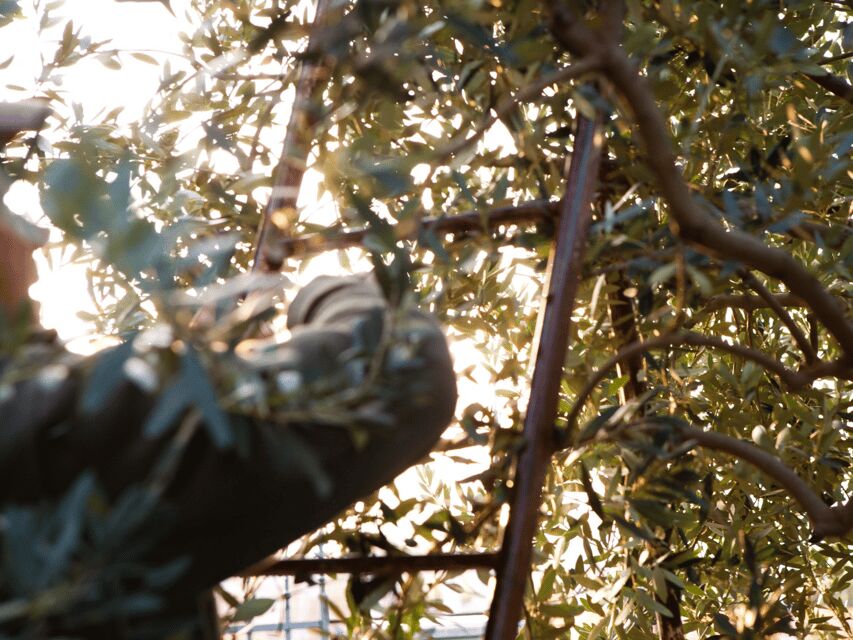
- Campo di Casa: walk an experimental plot right by the working mill, so you see how innovation happens alongside tradition
- Frantoio 4.0: modern pressing and extraction, explained in plain language
- Bonamini museum: traditional olive-oil making methods sit next to the newest tech
- 3-oil guided tasting: learn aromas, flavors, and how to taste extra virgin properly
- Sustainability in practice: by-products are recycled into useful resources like heating fuel and biomass
Getting to Frantoio Bonamini (Illasi) and what the visit feels like
This is a countryside stop just outside Verona, in Illasi. The meeting point is at Frantoio Bonamini, and the easiest way to find it is by spotting the round stones marked with FRANTOIO BONAMINI. Go through the gate, then head to the shop to ask for the guide.
The whole experience takes about 1.5 hours, which is perfect if you want something more meaningful than a quick snack-and-shop stop. You’re not spending half a day driving around. Instead, you get a guided flow: a short walk, a mill and museum tour, and then the best part—tasting and learning how to assess quality.
You’ll also want to know what you’re paying for. The price listed is $34 per person, and it includes the guided tour elements, plus three olive oils for the tasting (for paid adult tickets), paired local snacks, and water. You’re basically buying time with an expert and a real education in how extra virgin olive oil is made and tasted.
You can also read our reviews of more food & drink experiences in Verona
Campo di Casa: the experimental grove you walk through
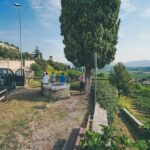
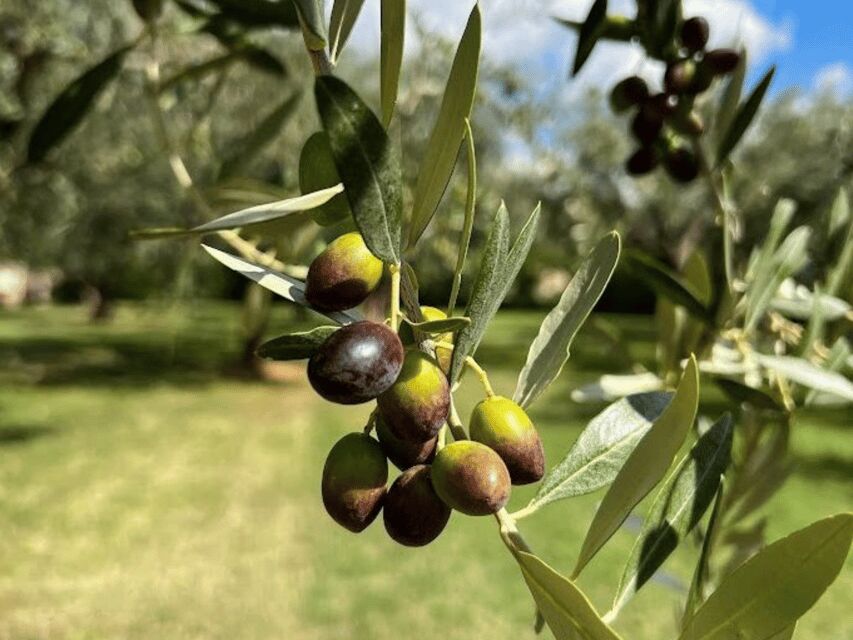
The first part is a guided walk to Campo di Casa, an experimental olive grove located right next to the mill. It’s not a huge hike—think about 15 minutes on foot—but it sets the tone. You’re not just touring a building. You’re starting at the source, where farming choices shape the oil you’ll taste later.
What makes Campo di Casa interesting is that it represents a mix of goals: keep olives connected to long-standing local cultivation, while testing ideas that improve how the olives grow and perform. Even if you’re not an olive farmer, you can still follow what the guide is pointing out, because the farm plot is treated like a living classroom.
This grove visit also helps you understand why the mill matters. When you later hear about pressing, extraction, and quality control, it lands better because you already saw the trees and learned that the work begins in the field—not after the olives are picked.
Weather is the one variable. The tour notes that if it rains or conditions make access to the grove unsafe, the walk portion may not happen. If you’re traveling with tight plans, build a small buffer so you don’t feel rushed if the schedule shifts.
Inside a Frantoio 4.0 mill: production, quality, and real machinery
After the grove walk, you move into the mill: a modern facility called a Frantoio 4.0. The name hints at something you can actually notice during the tour—this is not an old stone press with a label taped on. It’s a working mill where technology supports consistency.
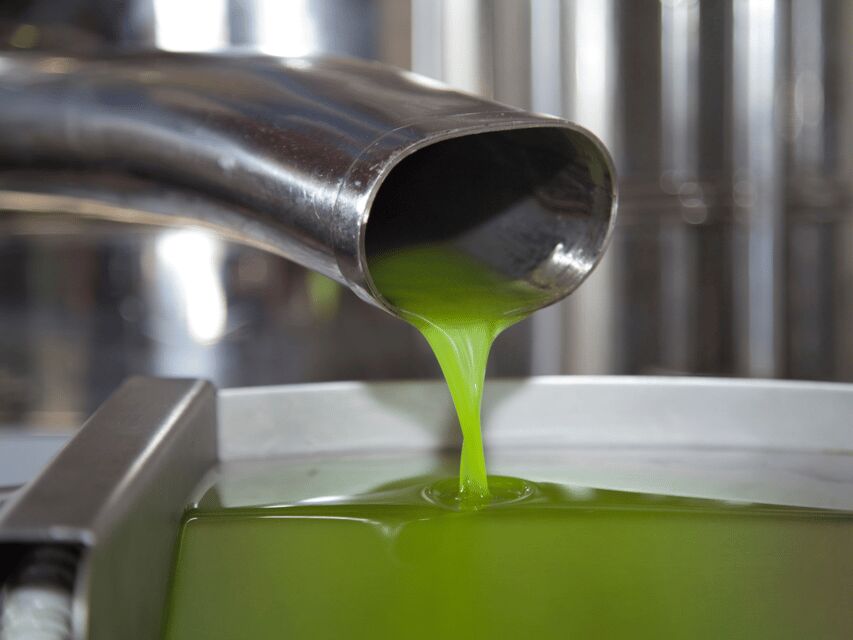
The guided portion is about 30 minutes, and the focus is the real process from olive pressing to oil extraction. The guide explains what’s happening at each step, and the value here is clarity. Olive oil production can sound mysterious until someone lays out the sequence in a way that connects cause and effect: what the mill does influences how the final extra virgin tastes.
One of the most practical points I’d watch for during the tour is how they talk about quality standards. The tour experience is built around the idea that extra virgin is not just a product—it’s a quality target. That’s why the mill tour doesn’t stop at the machine. You learn how the process supports a high-grade result.
If you’re the type who likes to understand systems (and not just food), this part is a strong reason to book.
The Bonamini Oil Museum: old methods beside new tech
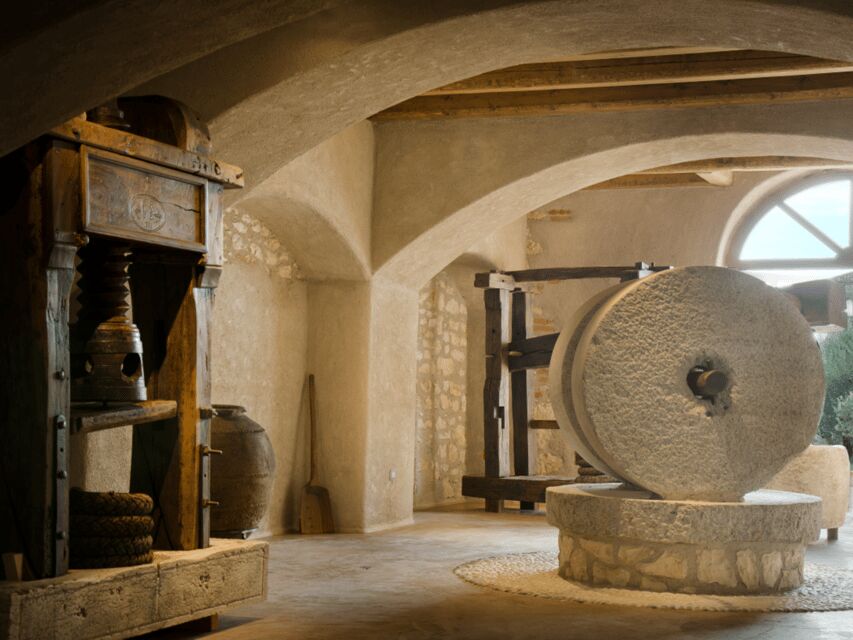
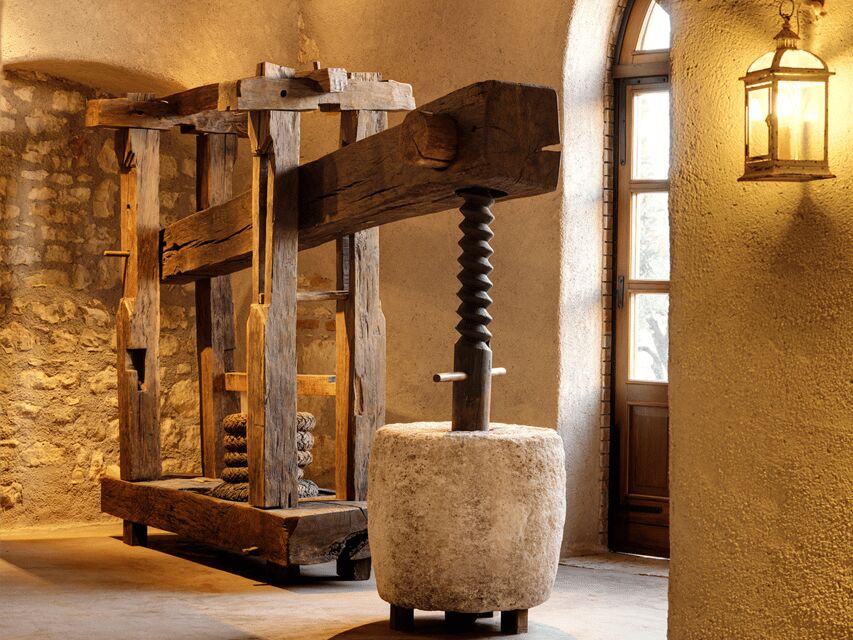
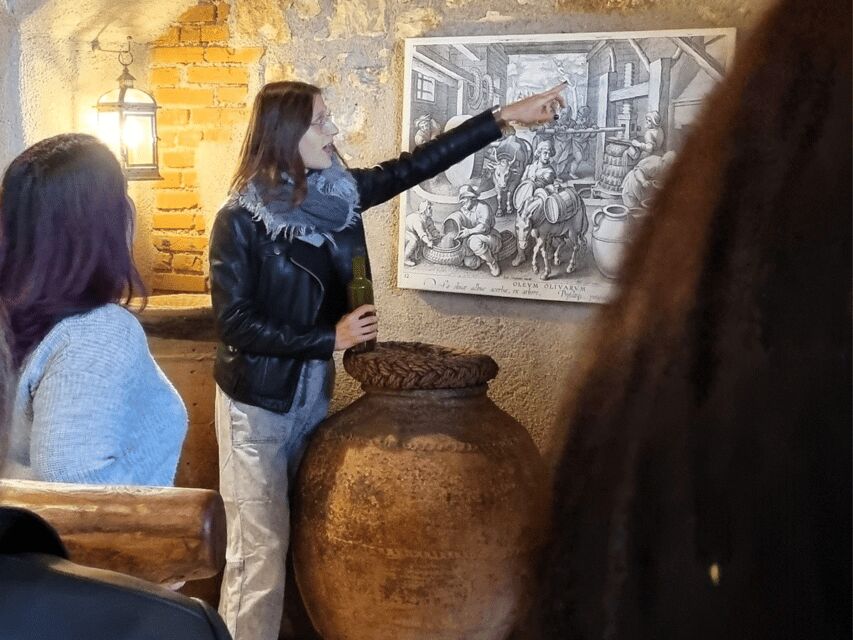
Next to the modern facilities is the Bonamini family Oil Museum, which gives you a step back in time. The contrast is the point. You see historic ways of producing olive oil next to the modern techniques in the mill.
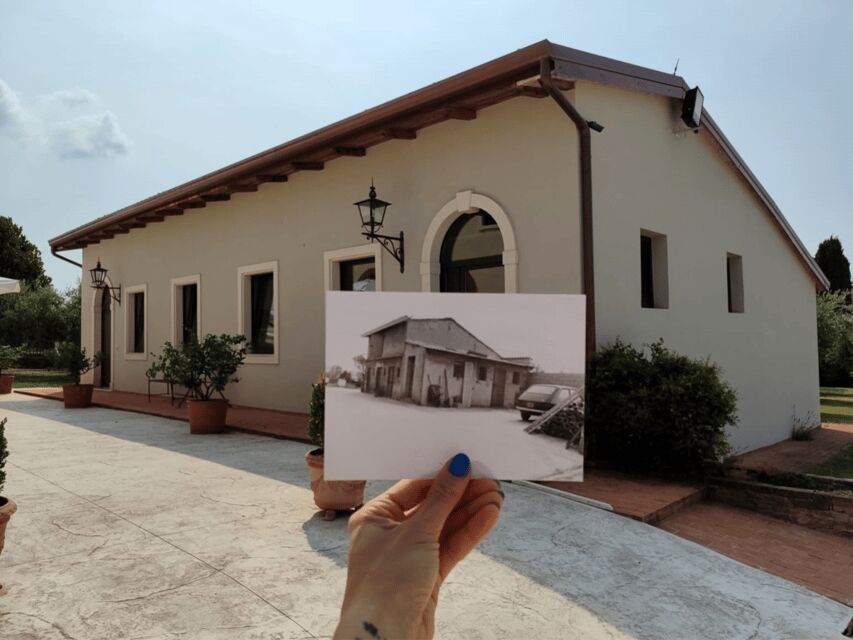
This is where the family side of the story becomes tangible. The mill and family operation trace close to 60 years of local cultivation and processing. And in the museum, you get a reminder that today’s standards didn’t appear out of thin air. People refined these methods over generations, then improved them as tools and science evolved.
For you, the museum works as a reset. It slows the pace just enough to help you appreciate what “innovation” actually means here: not replacing tradition, but improving how tradition can survive and remain productive.
Even if you’re not a museum person, this stop is short and functional. You’re not wandering for an hour looking at objects. You’re building context for the tasting you’ll do next.
Tasting three extra virgin olive oils (and how to taste like it matters)
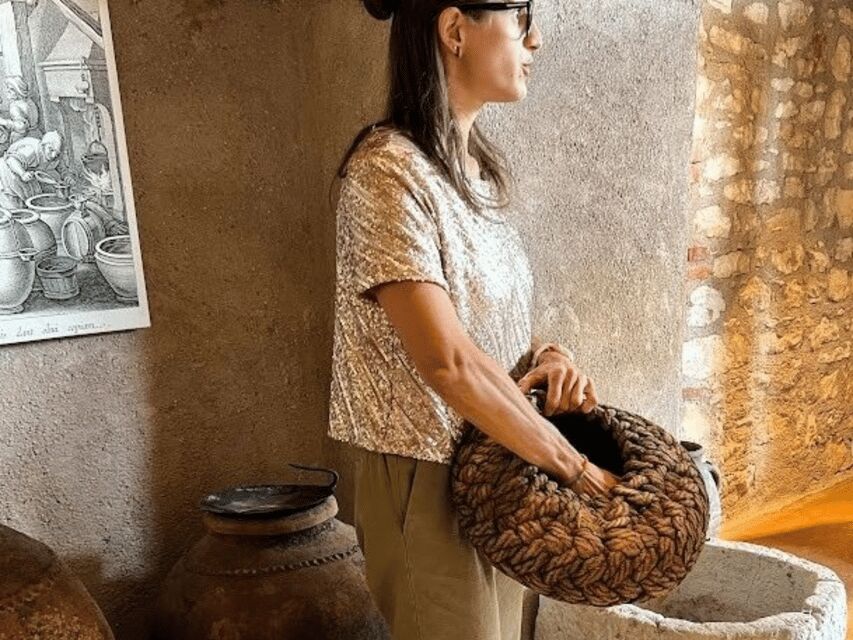
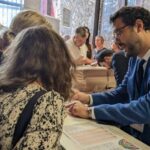
Now you get to the part most people remember: the tasting of three premium extra virgin olive oils. It’s guided by an expert who teaches you what to notice and how to describe what you’re tasting.
The tasting portion runs about 45 minutes, and that time matters because it lets you practice, not just sample. You’ll get instruction on identifying flavors and aromas, and you’ll learn to think in terms of qualities rather than only personal preference.
One variety you’ll hear about is Grignano, which the tour notes for delicate, fruity notes. That’s a useful anchor because it gives you a reference point. When you taste the other oils, you can compare how they differ in body and intensity, rather than treating each sip as a separate event.
If you want a simple way to enjoy the tasting more, aim to slow down your first impressions. Take a moment with aroma before you taste. Then taste and notice texture and finish. Your palate will pick up differences faster once you train your senses to do more than just decide if it’s good.
This is also where the guide makes a difference. If you end up with Rebecca, there’s a clear teaching style—friendly, focused, and practical—so the tasting feels like a lesson you can carry into your next meal.
Snacks, pairing, and why food helps olive oil make sense
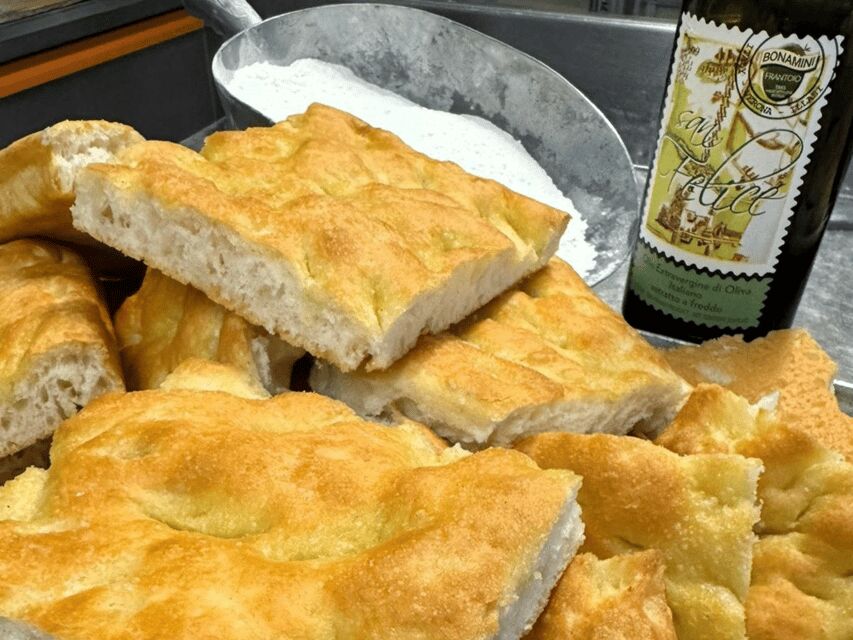
The tasting includes local snacks paired with olive oil and comes with water. Those bites aren’t filler. They’re a way to show you how olive oil works with food, not just in a tasting cup.
Extra virgin olive oil can taste like fruit, herbs, or something grassy, but pairing makes the flavors show up in a more everyday way. That’s the practical takeaway for your next meal in Verona. Instead of thinking of olive oil as something you pour, you start thinking of it as a flavor tool that changes how bread, vegetables, and simple dishes taste.
You can also use this pairing moment to build confidence. If you’re not sure what you like yet, the snacks help you connect the aroma and flavor language to something you can actually eat and enjoy.
Sustainability from field to bottle: what gets recycled and why you should care
A good tour doesn’t just talk about taste. It explains how the product stays viable for the future. This experience includes sustainability, from field to bottle.
The mill highlights that by-products of olive oil production—once seen as waste—are recycled and transformed into valuable resources such as heating fuel and biomass. That kind of statement is easy to ignore on a brochure, but here it’s discussed as part of the production story you’re already learning. When you’ve seen the process from pressing to extraction, it feels more honest and connected.
For you, the value is simple: sustainable choices can influence how a family operation continues. When you understand that the operation treats the whole production chain as usable, you’re more likely to appreciate the product as something responsibly made—not just something priced by the bottle.
Price and value: is $34 for 1.5 hours a fair deal?
At $34 per person for 1.5 hours, you’re paying for three things at once: access to a working olive oil mill, a museum visit, and a guided tasting of three extra virgin oils with snack pairing and water.
This is usually where value gets clearer than it looks at first. Many food tours focus on one element—either a farm stop or a tasting room. Here, you get both: field context, production process, and then tasting education. That three-part structure is why the time feels efficient.
If you’re the kind of traveler who likes souvenirs, you’ll also likely leave with practical buying confidence. You’re not just choosing based on label design. You’ve learned what to look for in aroma and flavor.
And if you’re traveling with family or friends, the tasting format tends to be easier for group dynamics than rigid “stand and listen” tours.
Who should book this olive oil tour near Verona?
This tour is a great fit if:
- you want a hands-on food experience close to Verona, without a long day
- you care about understanding how extra virgin olive oil quality is made and assessed
- you enjoy tasting sessions where someone teaches you the basics, not just hands you a cup
- you like when tradition and modern production are both explained in the same visit
It’s especially suitable as a food-focused activity on a day when you’re already planning to see Verona’s sights. You get out into the countryside, then back into a guided lesson that stays relevant to what you’ll eat afterward.
If you’re expecting a long countryside hike, adjust expectations. This is more of a guided walk by a working site than a full outdoor trek.
Quick practical notes you’ll be glad you considered
- The grove portion depends on weather and safety. Rain or unsafe access can mean the walk isn’t included.
- The guide languages are English and Italian, so you should be able to follow along comfortably.
- The tasting is guided, and the tour includes water and snack pairing, which helps you stay focused during the tasting.
Should you book this olive mill tour and tasting?
I’d book it if you want a short, high-value experience that connects farming, milling, and tasting. For $34, you’re getting more than samples—you’re getting a structured explanation of how extra virgin olive oil quality is produced and how to taste with purpose.
Pass or reconsider if you hate weather-linked schedule changes, since the olive grove walk may be removed when conditions aren’t safe.
Overall, this is one of those Verona-area tours that teaches you something you’ll actually use again when you shop for olive oil or order it at dinner.
FAQ
How long is the olive mill tour and tasting?
The experience lasts about 1.5 hours, with the walk, guided production and museum visit, and a guided tasting of three oils all included in that timeframe.
What happens during the Campo di Casa grove part?
You’ll take a short guided walk through the experimental olive grove called Campo di Casa, located next to the working mill. The timing for the walk is about 15 minutes.
How many olive oils do you taste, and is it guided?
You taste three different premium extra virgin olive oils, with expert guidance on how to identify flavors and aromas. The tasting portion is about 45 minutes.
What’s included with the tasting?
The tasting includes local snacks paired with the olive oils, plus water.
Where is the meeting point and how do you find it?
The meeting point is at Frantoio Bonamini in Illasi. Look for the round stones marked FRANTOIO BONAMINI, enter the gate, and go to the shop to ask for the guide.
Is it wheelchair accessible?
The information says it is wheelchair accessible, but it also lists it as not suitable for wheelchair users. If wheelchair access is important for you, you should contact the provider ahead of time and ask what access looks like for the grove walk and indoor areas.