REVIEW · VERONA
Verona: Palazzo Maffei House Museum Entry Ticket
Book on GetYourGuide →Operated by GetYourGuide Tours & Tickets GmbH · Bookable on GetYourGuide
Art, stacked by centuries, in one elegant palazzo.
The Palazzo Maffei House Museum in Verona is interesting because it mixes classical and modern works in the same rooms, creating real conversations across time. You’re not just walking through art in chronological order; you’re moving through a collector’s house feeling, with the palace’s layout doing the storytelling.
I especially like the Noble Floors setup, which imitates a private residence and even leans into a cabinet of curiosities vibe. I also love the chance to see major names tied to 20th-century shifts, including Picasso and Marcel Duchamp, alongside Futurism and Metaphysical art. One thing to watch: this is an entry ticket with no guided tour included, so you’ll need to enjoy self-paced looking and reading on your own.
In This Review
- Key Points to Know Before You Go
- Palazzo Maffei House Museum: Price and Why It Feels Like Value
- Entering the Historic Palazzo Maffei: The Setting Matters
- Noble Floors: Where the Classical Meets the Contemporary
- The “Dialogue” Concept: What the Layout Really Does to Your Eye
- Twentieth-Century and Contemporary Galleries: Futurism Gets the Spotlight
- Seeing Collecting, Not Just Art: The Story Behind the Display
- Architecture and Comfort: How the Palazzo Feels During Your Walkthrough
- Practical Tips for Planning Your Visit
- Who This Ticket Is Best For (and Who Might Skip It)
- Should You Book Palazzo Maffei House Museum Entry Tickets?
- FAQ
- What does the Verona Palazzo Maffei House Museum entry ticket include?
- Is a guided tour included with this ticket?
- How much does the ticket cost?
- How long is the experience?
- Where is the museum located?
- What artworks and time periods can I expect to see?
- Which artists are highlighted?
- Is the museum wheelchair accessible?
- What if my ticket won’t scan at the entrance?
Key Points to Know Before You Go
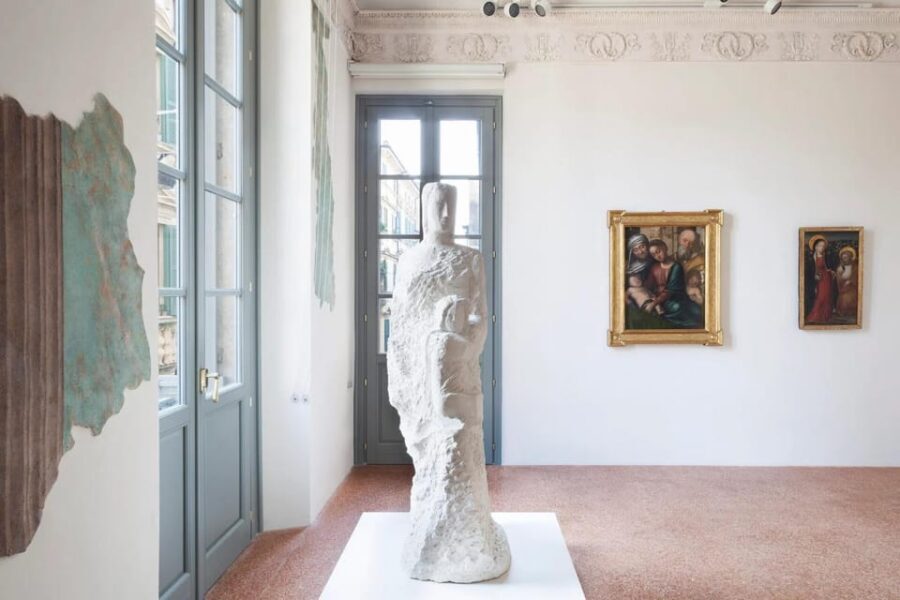
- 600+ works spanning the 14th century to today
- Piazza delle Erbe location in Verona’s historic center
- Noble Floors presented like a private residence and cabinet of curiosities
- Strong emphasis on Futurism and Metaphysical art (including Boccioni and de Chirico)
- Modern highlights include Picasso and Duchamp in a house-museum setting
- Wheelchair accessible for visitors who need it
Palazzo Maffei House Museum: Price and Why It Feels Like Value
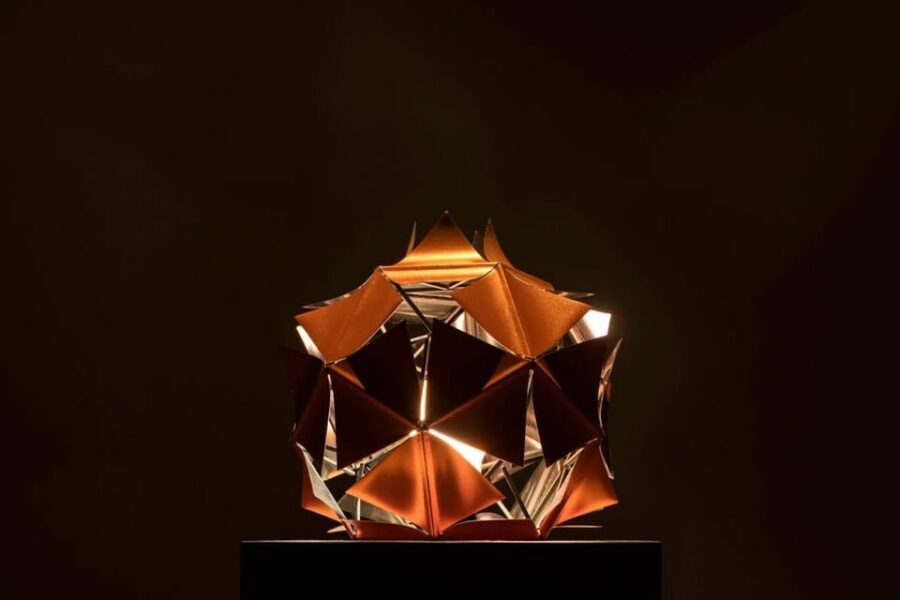
For about $21 per person, you’re paying for access to a highly specific experience: a house museum in the historic heart of Verona, built around the idea that old and new art can share the same air.
Compared with big museums where you cover ground fast, this ticket is for something calmer and more curated in its own way. You get over 600 artworks, and the collection is arranged to create contrasts—classical pieces sitting near or beside modern works so your eye starts making connections. If you like that kind of visual “pairing,” the price makes sense because you’re buying time in an atmospheric setting, not just ticking boxes.
Plan on spending most of your day inside Verona itself, then fitting the museum into your schedule. The exact start times vary, so you’ll want to check availability before you lock in plans.
You can also read our reviews of more tours and experiences in Verona


Entering the Historic Palazzo Maffei: The Setting Matters
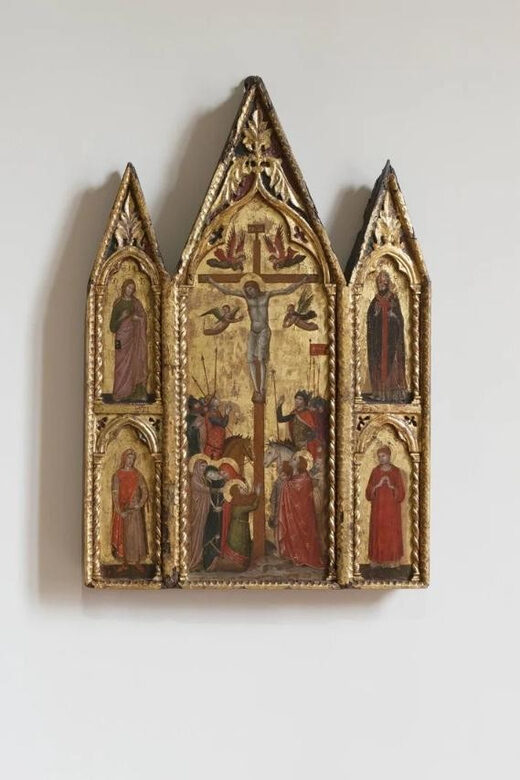
The museum is in the historic heart of Verona, at Piazza delle Erbe. That’s a practical win: you can combine this with a stroll through the city right before or after, without adding major transit time.
What you’re walking into is a palace that’s meant to feel like a home. The museum was initiated by the collector Luigi Carlon, and the space reflects that personal, collecting-driven spirit. You’re not only seeing art; you’re seeing how someone thought about art, preservation, and display.
And yes, the building itself plays a role. One reported highlight is that the palace is genuinely gorgeous, which tracks with what you’d hope for in a Verona historic-center house museum: you want your eyes to keep moving even when a specific artwork doesn’t grab you immediately.
Noble Floors: Where the Classical Meets the Contemporary
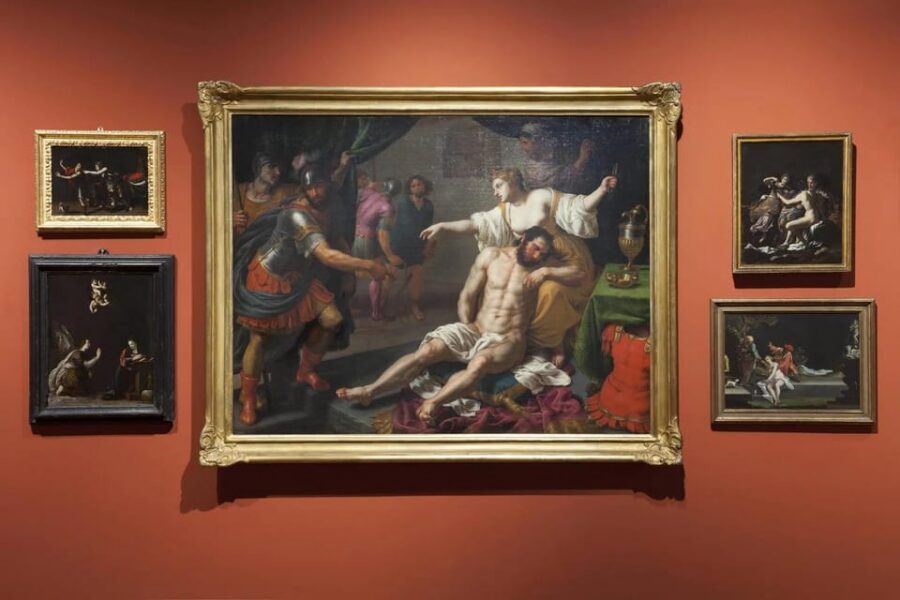
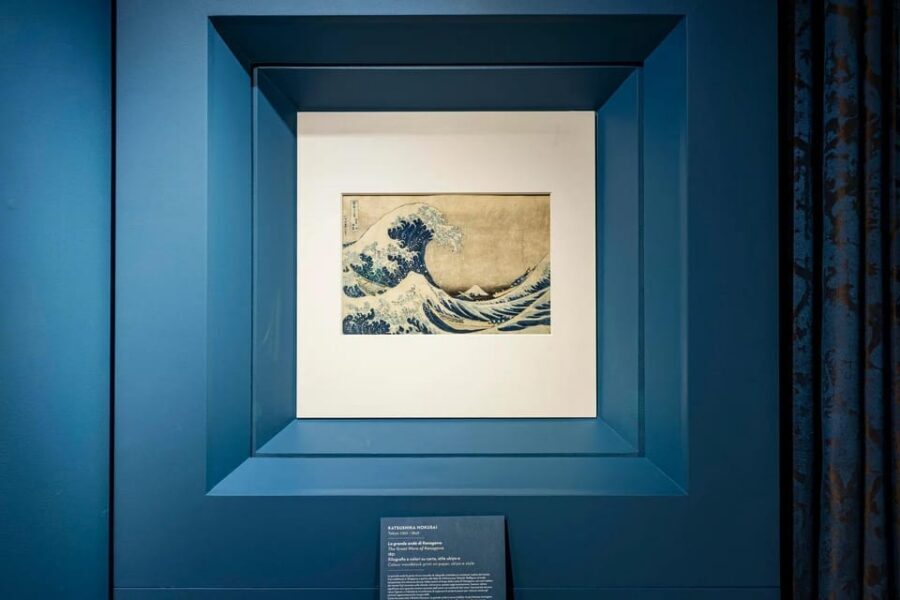
The visit begins on the Noble Floors, designed to evoke the atmosphere of a private residence. This part matters because it changes how you look.
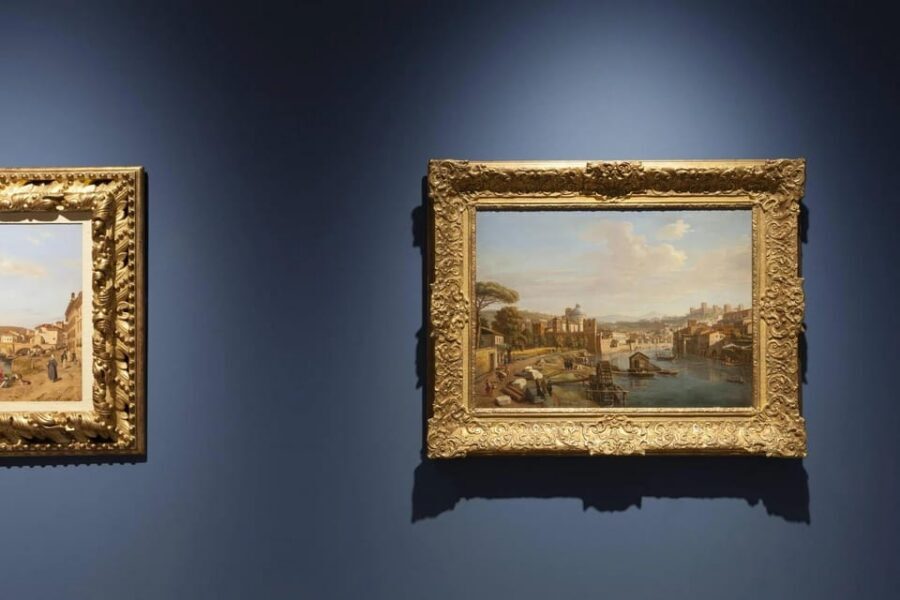
Instead of a cold, museum-like flow, the layout encourages lingering. You’ll get a “cabinet of curiosities” feel—art placed with intention so you notice unexpected combinations. In this section, classical works are interspersed with modern art, which is the museum’s core trick: it forces you to compare styles, themes, and techniques rather than treating centuries as separate worlds.
This is a good match for how many people actually experience art while traveling. Your brain doesn’t separate history into tidy timelines when you’re in a real city. You’ll probably appreciate this section if you like:
- seeing how artists respond to earlier art traditions
- noticing repeated visual themes across time
- taking your time with details rather than rushing
A small consideration: since there’s no guided tour included, you’ll get the most from this area if you’re comfortable reading exhibit labels and letting the room design do some of the work.
The “Dialogue” Concept: What the Layout Really Does to Your Eye
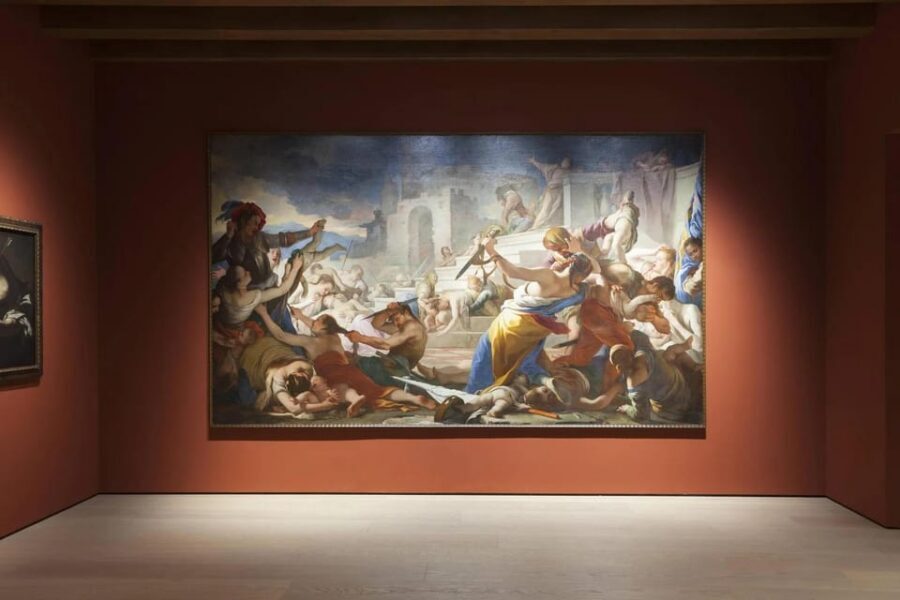
The museum’s arrangement is built to create dialogue between eras, not just to display them. That means you’ll often feel like you’re switching “visual languages” as you move through rooms.
Here’s the practical takeaway: if you’re the type who gets museum fatigue, this approach can actually help. You’re not trapped in a single mood for hours. One moment you’re looking at a 14th-century anchor; the next you’re confronted with 20th-century ideas. Your eyes stay awake because the setting keeps resetting your expectations.
Also, because the collection spans such a wide range—from the 14th century to today—you’ll likely start asking new questions. How does symbolism shift? How do forms change when new ideas take over? Why do some themes feel timeless even when styles radically change? The museum doesn’t answer everything for you, but it sets up the questions in a way that’s fun, not academic.
Twentieth-Century and Contemporary Galleries: Futurism Gets the Spotlight
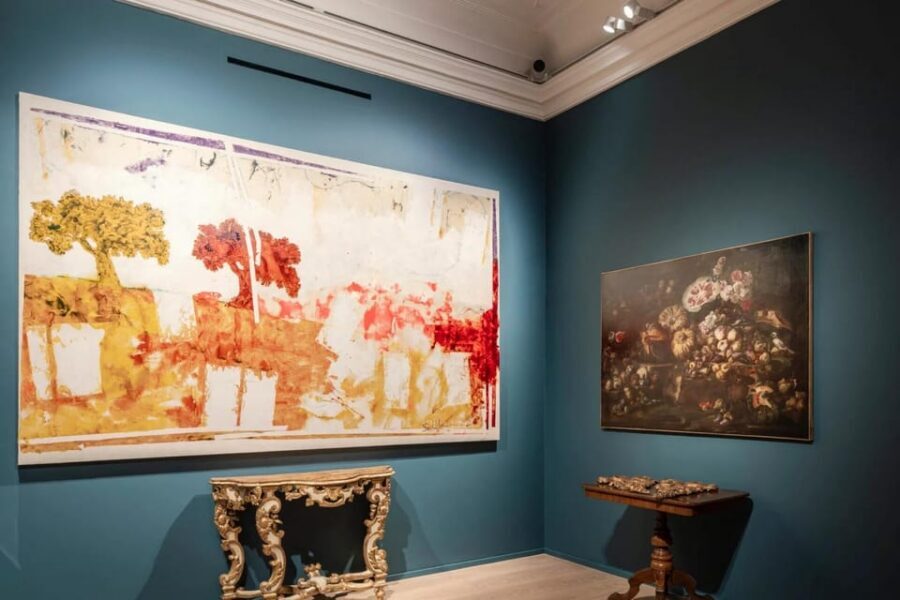
As you move through the second half of the museum, the tone shifts toward 20th-century and contemporary art. This section feels more gallery-like, with artworks arranged to emphasize movement in styles and ideas.
The museum’s focus here is clear: it highlights Futurism and Metaphysical art. That’s where you’ll see major figures such as:
- Umberto Boccioni
- Giacomo Balla
- Giorgio de Chirico
If you’ve ever wondered what Futurism looks like when it’s not presented in a textbook, this is the kind of place where you can actually feel the intent behind the movement. And Metaphysical art can be a surprise: the mood and symbolism can feel staged, eerie, or dreamlike, depending on the piece.
This section is also where you’ll meet the “global moderns” in the same orbit as Italian avant-garde stars—artists including Pablo Picasso and Marcel Duchamp. Seeing these names together in a house-museum flow is part of why the museum feels distinctive. You’re not just encountering famous works; you’re watching the museum connect them through its own curatorial logic.
You can also read our reviews of more museum experiences in Verona

Seeing Collecting, Not Just Art: The Story Behind the Display
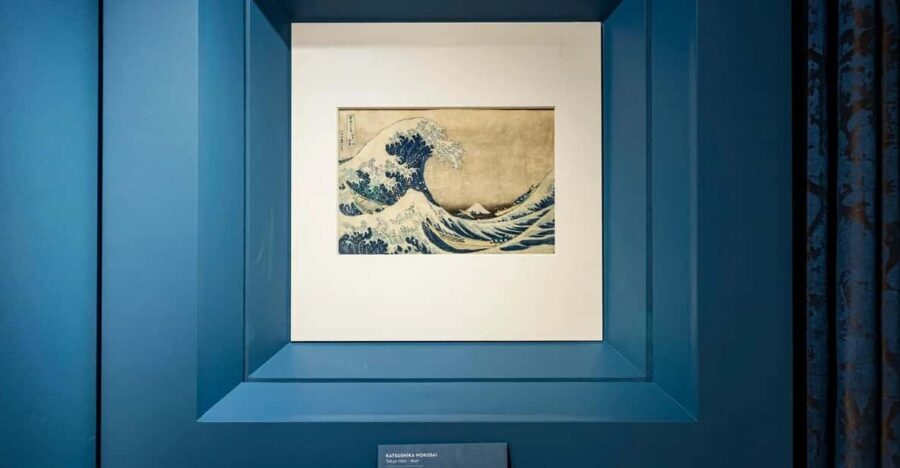
One of the smartest aspects of the Palazzo Maffei House Museum is that it doesn’t only show artworks—it also tells a story about passionate collecting and cultural preservation.
That matters because a lot of museum visits end in one of two ways: either you love a few works and forget the rest, or you walk out with a sense of context. Here, the collection story helps you understand why the display feels like a house museum rather than a department-store gallery.
You’re not just consuming art; you’re experiencing someone’s long-term relationship with it—how a private collection becomes part of public culture. If you enjoy learning how art survives and gets passed along, this adds weight to your visit.
Architecture and Comfort: How the Palazzo Feels During Your Walkthrough
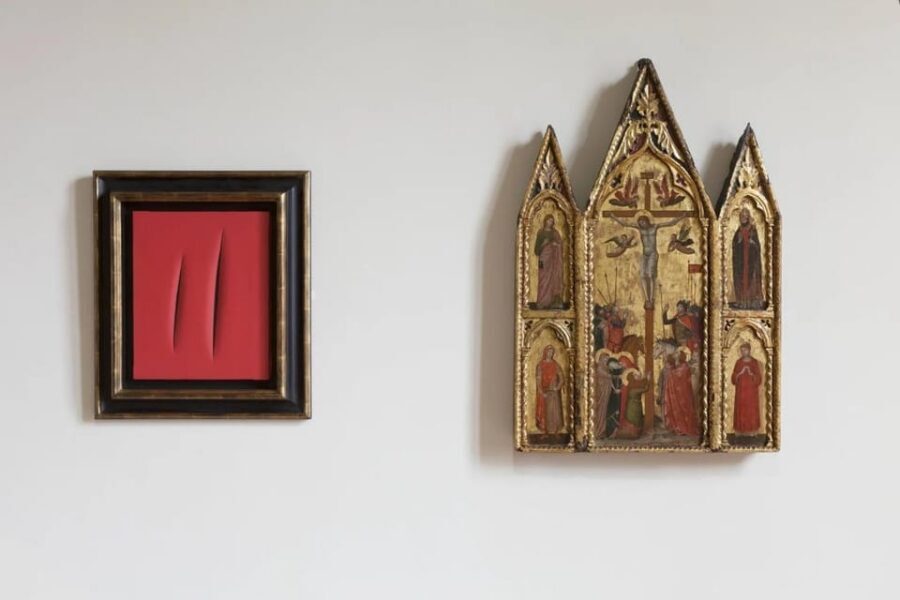
The museum is housed in a historic palace, and that changes the pacing. Rooms feel like rooms, not corridors. That sounds minor, but it affects how much attention you can give without feeling rushed.
It also helps that the museum is in the center of Verona. If your legs get tired, you can step out afterward and reward yourself with the city. Piazza delle Erbe is an easy jumping-off point, whether you want a simple coffee stop or a longer wander through Verona’s streets.
And a practical note from the reported experience: there’s at least one issue that can happen around ticket scanning. In one case, tickets couldn’t be scanned, but staff still let visitors through. That’s a good sign for flexibility, and it suggests you should keep your ticket info accessible on your phone or printed out in case scanning devices act up.
Practical Tips for Planning Your Visit
Here’s how I’d plan this ticket so it feels smooth instead of stressful:
- Book your time slot when you can. The duration is listed as 1 day, but starting times depend on availability, so checking early helps.
- Give yourself enough time in the Noble Floors. This is where the room layout does a lot of the thinking for you.
- Don’t try to sprint the whole museum. With 600+ works, your experience is better if you pick a few themes (classical-to-modern contrasts, Futurism, Metaphysical mood).
- Assume it’s self-guided. Since guided tours aren’t included, come ready to read labels at least briefly and let the arrangement guide you.
- Wear comfortable shoes. It’s a palace visit, and even if you’re only walking within the museum, the structure of old buildings can involve uneven surfaces and lots of steps.
Who This Ticket Is Best For (and Who Might Skip It)
This entry ticket is a strong fit if:
- you like art history that doesn’t feel like a checklist
- you want major modern names (Picasso, Duchamp) inside a more intimate setting
- you enjoy the idea of Futurism and Metaphysical art with real space to think
- you’re in Verona for a short visit and want something right in the center
You might be less thrilled if:
- you rely on a guide to turn labels into a clear narrative
- you prefer only one era of art and get annoyed by contrasts across centuries
- you want a tightly timed, guided schedule (because this is entry-only)
In other words: this ticket rewards curiosity and slow looking more than it rewards speed.
Should You Book Palazzo Maffei House Museum Entry Tickets?
If you’re weighing this against other Verona options, I’d book it when you want a high-quality art break with a distinctive setting—Piazza delle Erbe, a palace interior, and a collection that’s arranged to spark comparisons between centuries.
Skip it only if you strongly prefer guided interpretation or you’re not interested in modern art trends like Futurism and Metaphysical work. Since there’s no guided tour included, your enjoyment will depend on how much you like reading labels and letting the layout do the storytelling.
For many visitors, this is the kind of ticket that feels worth it because it’s not just what you see—it’s how the house museum format changes what seeing means.
FAQ
What does the Verona Palazzo Maffei House Museum entry ticket include?
The ticket includes museum entry.
Is a guided tour included with this ticket?
No. A guided tour is not included.
How much does the ticket cost?
The price is listed as $21 per person.
How long is the experience?
It’s listed as 1 day. Starting times depend on availability.
Where is the museum located?
The museum is in Verona’s historic center at Piazza delle Erbe.
What artworks and time periods can I expect to see?
The museum has over 600 artworks ranging from the 14th century to today.
Which artists are highlighted?
The collection highlights artists including Umberto Boccioni, Giacomo Balla, Giorgio de Chirico, Pablo Picasso, and Marcel Duchamp.
Is the museum wheelchair accessible?
Yes, it is listed as wheelchair accessible.
What if my ticket won’t scan at the entrance?
One reported issue was that tickets couldn’t be scanned, but staff still let visitors through, so it’s worth keeping your ticket details accessible.