REVIEW · MARANO DI VALPOLICELLA
Verona: Truffle Hunting Experience & Amarone Tasting
Book on GetYourGuide →Operated by Tenuta Santa Maria Valverde s.a. · Bookable on GetYourGuide
Truffle season magic starts here, fast. In a small group (up to 8), I love the hands-on hunt for scorzone (black summer) truffles with an Italian tartufaro guide, then the payoff: Amarone paired with local bites in an old winery. One thing to plan around is that truffle hunting can be seasonally closed, and if a Tartufaro isn’t available, the experience shifts to vineyards/cellar time and a different food combo.
What makes this Verona-area stop special is that it isn’t just wine, and it isn’t just walking. You also get a guided cellar tour, tastings of Valpolicella, Ripasso, and Amarone, plus cheeses, salami, chutney, and organic extra virgin olive oil. The cellar-and-terrace format means you’re not racing from one place to another.
One possible drawback: the hunt is real outdoor time. You’ll want good shoes and you should know it’s not suitable for wheelchair users, and it’s also not set up for people with back or heart problems.
In This Review
- Key things to know before you go
- Truffle Hunting Near Verona: the part that feels most real
- Tenuta Santa Maria Valverde: where the tasting actually becomes part of the story
- What a Tartufaro hunt teaches you about truffles
- The cellar tour and how Amarone enters the picture
- Valpolicella, Ripasso, Amarone: tasting like you mean it
- Local bites: cheese, salami, chutney, and olive oil
- Timing, terrace time, and how to get the most from 2 hours
- Seasonality matters: winter becomes vineyards, cellars, and farmhouse time
- Who should book this Verona truffle and Amarone experience
- Price and value: is $158.60 per person worth it?
- Should you book?
- FAQ
- How long is the Verona truffle hunting and Amarone experience?
- Where is the meeting point?
- What wines will I taste?
- What food and other items are included?
- Can children join the tour, and can everyone drink the wine?
- What happens if truffle hunting is closed or the Tartufaro is unavailable?
- How do I get to the winery from Verona?
- Is the experience suitable for wheelchair users or limited mobility?
Key things to know before you go
- Scorzone truffle hunting with a tartufaro guide in the woods and lands around the winery
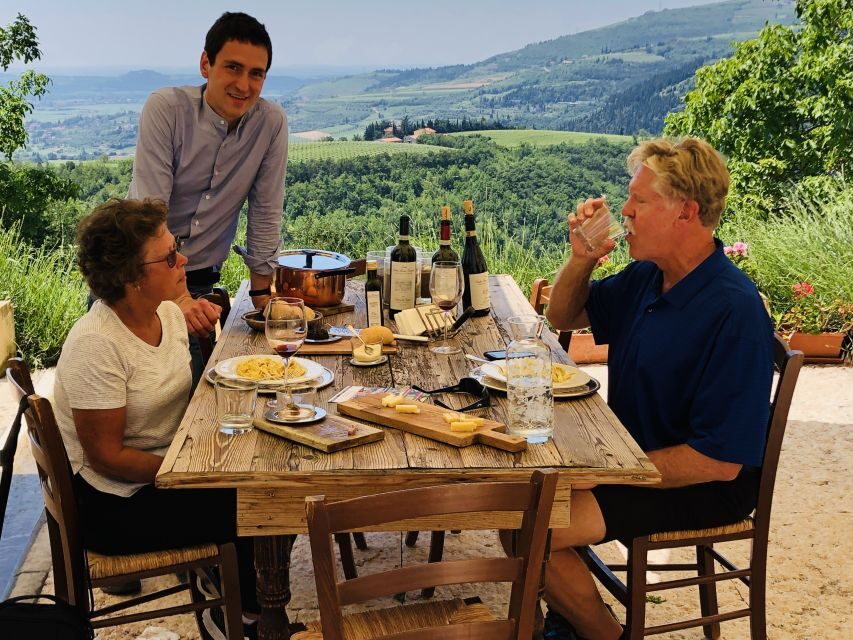
- Amarone + truffles pairing after the hunt, served in an old winery setting
- Valpolicella tastings including Valpolicella, Ripasso, and Amarone
- Local food table with cheeses, salami, chutney, and organic extra virgin olive oils
- Small group feel with an English/Italian instructor, usually up to 8 participants
- Seasonal plan B: in winter, the truffle hunt can switch to vineyard, cellar, and farmhouse visits
Truffle Hunting Near Verona: the part that feels most real
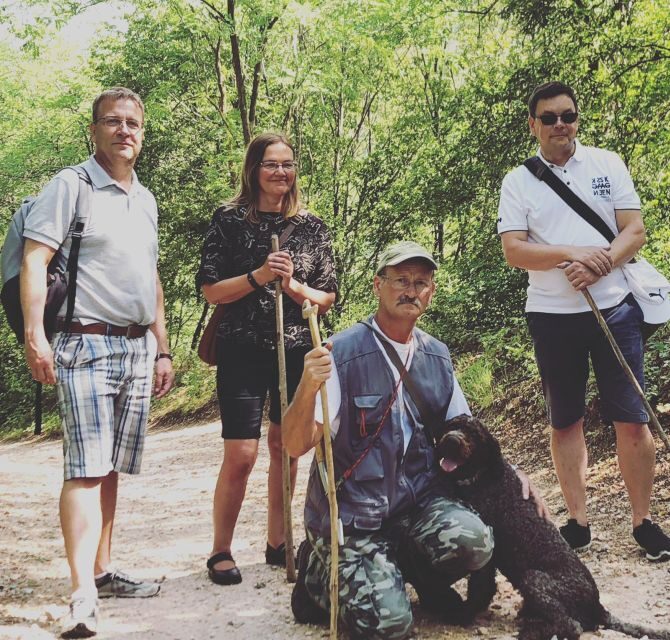
This experience starts with the simplest idea: learn how truffles are found, then try to understand the forest from a scent-first perspective. You meet at Tenuta Santa Maria Valverde in Marano di Valpolicella (Località Gazzo, 4, 37020), then head into the grounds with an Italian tartufaro guide.
The guide’s job is to help you read the clues you’d normally miss. That means you spend time in the woods and on the surrounding lands, not just standing around waiting for someone to pull a truffle from a basket. You’re also tasting the result right after, so the learning doesn’t stay in your head.
I especially like the small-group size. With a maximum of 8, you get time to ask questions and actually follow along when the guide explains what to look for. In a bigger group, you’d likely miss some of the scent-and-weather logic that makes the hunt make sense.
The one catch is that truffle hunting is seasonal. You’re told in advance it’s subject to seasonal closure, and there’s also a possibility the tartufaro availability changes. If that happens, you still get a valuable wine-and-food program, just without the same hunt experience.
You can also read our reviews of more food & drink experiences in Marano Di Valpolicella


Tenuta Santa Maria Valverde: where the tasting actually becomes part of the story
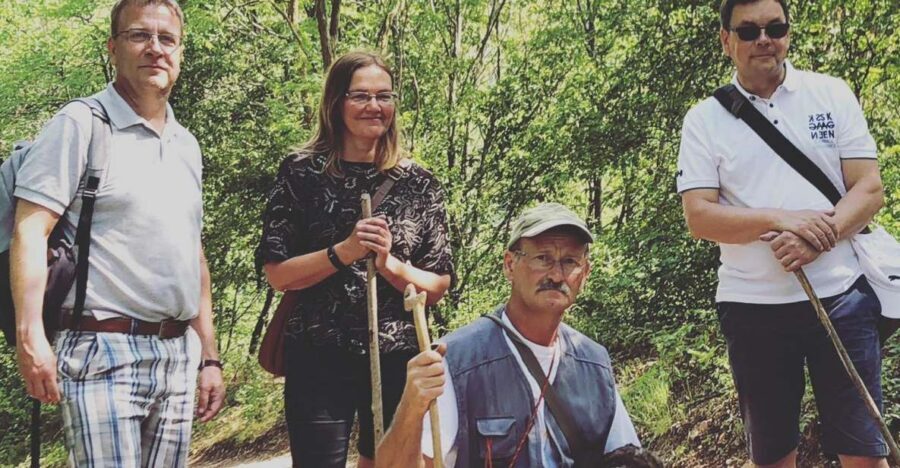
The setting matters, because it keeps the day from feeling like two separate activities glued together. Tenuta Santa Maria Valverde is the meeting point, and it’s also where you return for the wine cellar portion and tastings.
After the outdoor part, you transition to a wine cellar tour with a local winemaker. That’s a big difference from a quick pour-and-go tasting. Even if you’re not a deep wine nerd, you’ll appreciate hearing how the Valpolicella region fits together—because you’re tasting those styles in sequence, not as random single glasses.
Then comes the terrace. You’ll enjoy tastings from a spot that overlooks the Valpolicella region, which gives the day an easy, slow rhythm. It’s one of those moments where you can pause and let the day connect: forest aromas in your memory, then wine aromas arriving in your glass.
What a Tartufaro hunt teaches you about truffles
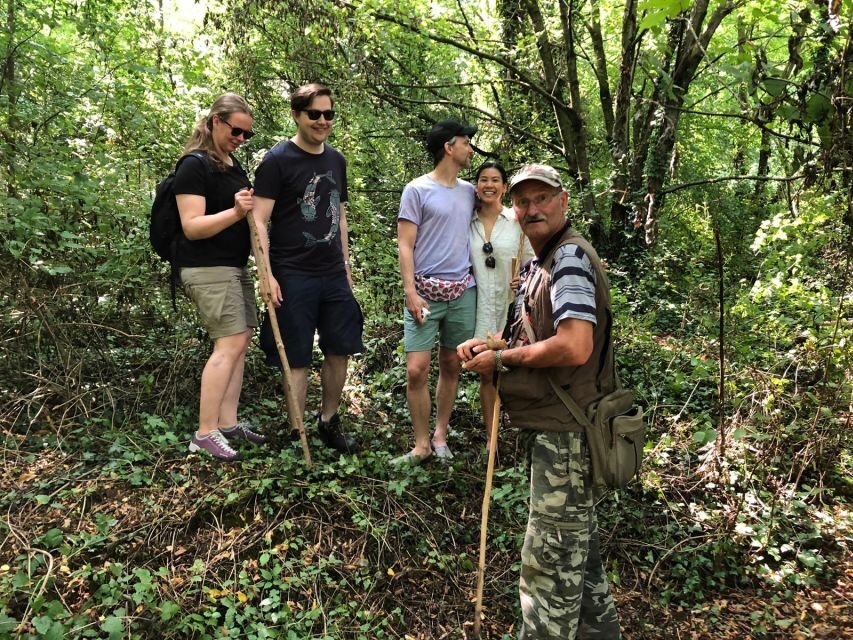
You’ll be hunting scorzone (black summer) truffles, which are the focus of the experience. Your tartufaro guide leads the way, and the main value here is learning how the search works in the real world—timing, terrain, and scent cues.
If you’ve never watched a truffle dog at work, you’ll probably be surprised by how much of the hunt is about patience. In at least one hosted experience, the guide Mirto worked with his dogs Ray and Rosa. You may not meet the same team, but you should expect dogs to play a key role in how the hunt is conducted.
Wear shoes you trust. You’re on uneven ground and you may walk on dirt paths and grass edges. The experience gives you a clear packing list: comfortable shoes, sunglasses, sun hat, and sunscreen. Trekking gear can help, especially if you’re used to walking on groomed tourist paths.
Also keep expectations honest. You’re going out to hunt, and the hunt is subject to what’s available. That’s not a downside; it’s part of why this feels authentic. When you then taste truffles right afterward, you understand it as a craft, not a manufactured souvenir moment.
The cellar tour and how Amarone enters the picture
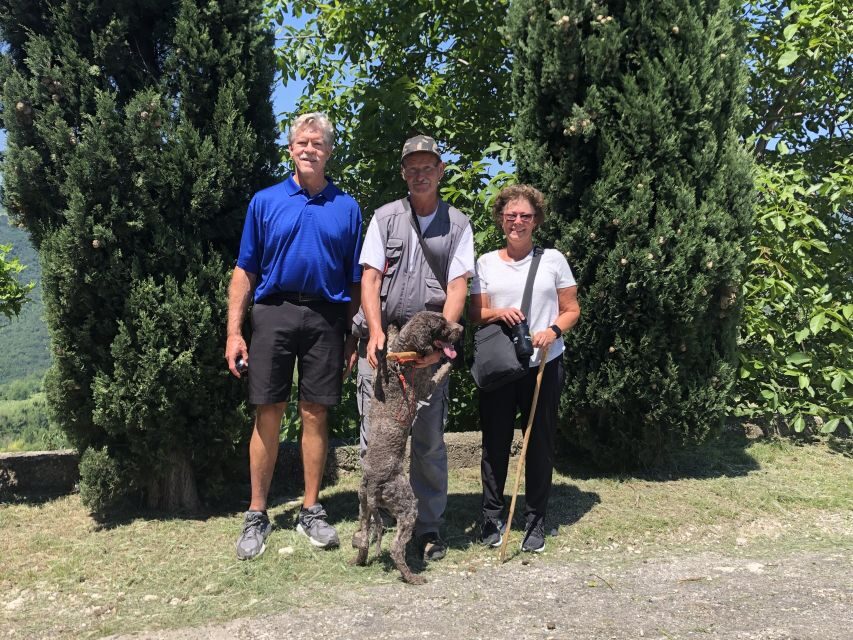
After you return from the hunt, the tone shifts from forest-focused to wine-focused. You’ll take a guided tour of the wine cellar, then move into tastings paired with local food.
This is where Amarone becomes more than a name. Amarone is one of the best-known wines from the Valpolicella area, and the way it smells and tastes can feel completely different from lighter reds. In this experience, Amarone is paired with truffles, which helps you connect aroma categories: forest notes and earthy intensity meeting the dried-fruit, warm-spice style that Amarone is known for.
You’ll also taste other Valpolicella styles: Valpolicella, Ripasso, and Amarone. That sequence is smart, because it gives you a quick sense of how the region’s reds can shift in depth and character. If you don’t usually buy bottles beyond what you’ve heard of, this is one of the easiest ways to learn what your palate actually likes.
Alcohol is also handled with care: participants must be 18 years and older to consume alcohol. So if you’re bringing teens, you can still enjoy the food and non-alcohol parts, but you’ll want to plan around tasting rules.
Valpolicella, Ripasso, Amarone: tasting like you mean it
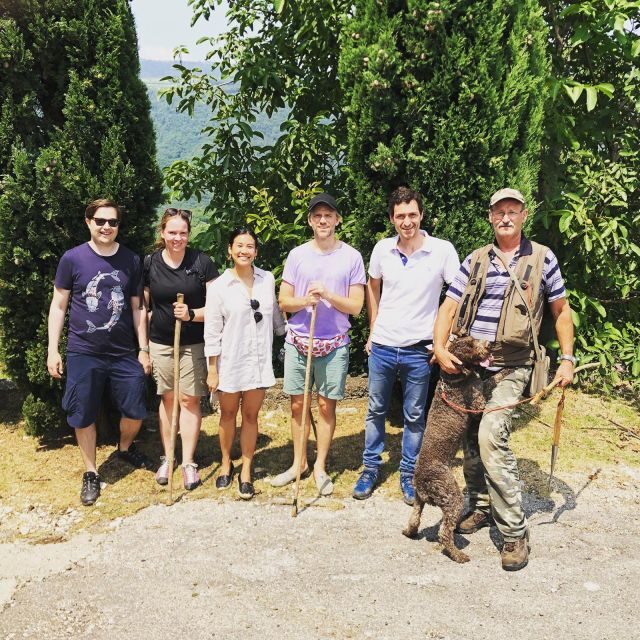
You’ll taste multiple wines, and the experience sets you up to notice differences instead of just sipping and moving on. You’re not only tasting Amarone. You’re also tasting Valpolicella and Ripasso, which are two styles that help explain how the region handles structure and richness.
Here’s how I’d approach it while you’re there:
- Start by noticing color and weight. Valpolicella often feels more upright and red-fruit driven, while the richer styles feel rounder.
- Then check aroma before you judge flavor. The day already includes forest smells from the truffle hunt, so your nose will be doing a lot of work.
- Finally, focus on pairing with food. The food table is not random; cheeses, salami, chutney, and olive oil give you a range of salty, tangy, and savory signals.
The guide and winemaker context matters too. Even if you already know the basics of Valpolicella, hearing how the producer thinks about it can help you translate your own reactions into better choices later when you’re buying bottles.
And yes, you get truffles with wine. The combination is the whole point. Truffle flavor is delicate and intense at the same time, and the pairing helps you notice how wine can either soften its edges or amplify its earthy notes.
Local bites: cheese, salami, chutney, and olive oil
The tasting isn’t only about wine and truffles. You’ll also sample local foods that reflect the area’s everyday table flavors. Included in the tasting are cheeses, salami, chutney, and organic extra virgin olive oils.
I like this part because it gives you context for what Valpolicella is often built to handle: cured meats, strong cheese, and savory condiments. If you’ve ever had wine that seemed good alone but confusing with food, this is a practical reset.
Olive oil is especially useful here. Organic extra virgin olive oil helps you notice how fat and flavor interact with red wine tannins. If you’re the type who brings home ingredients, you’ll probably want to pay attention to the oil quality since you’ll taste it as part of the program.
If the truffle hunt can’t happen due to availability, you still get a strong alternative: a walk in the vineyards, a guided tour of the cellars, wine tasting with local food, and fresh pasta with truffle. In that scenario, you’ll also receive a complimentary bottle of oil. That’s not a small consolation prize; it keeps the day tasting like the real thing.
Timing, terrace time, and how to get the most from 2 hours
The tour runs about 2 hours total. That sounds short, but the structure is tight: you spend time with the tartufaro guide in the open air, then you shift indoors for cellar and tastings.
Timing affects your comfort. If you drive yourself, you’re asked to arrive at the winery at 10:30 AM. If you’re using public transport, you take a bus that starts at 10:00 AM from Verona center or Verona Porta Nuova train station with no changes. If you choose the private transfer, it leaves at 10:00 AM from Piazzale Cadorna in Verona center or 10:15 AM from Verona Porta Nuova.
This matters because you’ll want a calm arrival, especially on a warm day when you’re also going to be outdoors. Bring sunglasses and a hat, and plan to use sunscreen. You’ll be standing and walking during the hunt.
Once you’re on the terrace for tastings, slow down. Don’t treat it like a quick tasting bar. Look out over the Valpolicella region as the flavors shift in your glass. The view isn’t just decoration; it helps your brain connect the day’s story.
Seasonality matters: winter becomes vineyards, cellars, and farmhouse time
Truffle hunting is subject to seasonal closure. In winter, the hunt can be replaced with a visit to the vineyard, the cellars, and the farmhouse.
That’s important for planning because it changes what kind of walking you’ll do and where the day’s “wow” moments come from. In warmer months, the magic is the hunt. In winter, the magic shifts to how the property works as a working estate, plus deeper cellar time and food.
Either way, you’re still tasting Valpolicella wines and local food in the winery environment. So you’re not booking a fragile experience that falls apart. You’re booking a season-aware food and wine day that adjusts based on what’s possible.
Who should book this Verona truffle and Amarone experience
This is a great fit if you:
- Love food + wine pairings and want them tied to a real regional activity
- Enjoy guided nature time, even if it’s not a long hike
- Want a small-group format (up to 8) with an English/Italian instructor
- Like the idea of tasting Amarone paired with truffles, not in isolation
Skip it if you:
- Use a wheelchair, need mobility assistance, or have mobility limits (it’s not suitable for wheelchair users)
- Have back problems or heart problems
- Are pregnant (not suitable for pregnant women)
If you’re traveling with kids, the experience requires children be 5 years and older to join the truffle hunting. Alcohol consumption is limited to those 18 and older, so younger guests can still enjoy the food and program structure, but they won’t be consuming wine.
Price and value: is $158.60 per person worth it?
The price is $158.60 per person, and it includes several high-cost ingredients: a tartufaro-guided truffle hunt, truffle tasting and pairing with Amarone, wine tasting of Valpolicella/Ripasso/Amarone, and local food tastings with cheeses, salami, chutney, and olive oil.
Here’s how I think about value:
- Guides and ingredient-focused tastings take time and expertise, so you’re paying for more than a “tour bus” stop.
- Amarone and truffles aren’t cheap in the first place, and here they’re part of the tasting plan.
- The small group size is a practical value boost. You’re less likely to feel rushed or lost.
If you’re the type who would otherwise spend separately on a tasting plus a countryside activity, bundling them usually makes sense. You get the hunt, then you get the payoff at the table—same day, same property.
Should you book?
Yes, if you want a Verona-area experience that connects truffles to wine instead of treating them like two separate attractions. Book it especially if you care about Amarone paired with real local flavors and you like learning from someone who does this for a living.
Don’t book it if you need step-free access or you’re dealing with health limits that make uneven outdoor time hard. Also be ready for the seasonal nature of truffle hunting; the experience is built to adapt, but it’s not a guaranteed truffle-pull every day.
FAQ
How long is the Verona truffle hunting and Amarone experience?
It lasts about 2 hours.
Where is the meeting point?
You meet at Tenuta Santa Maria Valverde, Località Gazzo, 4, 37020 Marano di Valpolicella VR, Italy.
What wines will I taste?
The tasting includes Valpolicella, Ripasso, and Amarone.
What food and other items are included?
You’ll taste local food including cheeses, salami, chutney, and organic extra virgin olive oils, plus truffles paired with Amarone.
Can children join the tour, and can everyone drink the wine?
Children must be 5 years or older to join the truffle hunting. Participants must be 18 years or older to consume alcohol.
What happens if truffle hunting is closed or the Tartufaro is unavailable?
Truffle hunting is subject to seasonal closure. In winter, it may be replaced with a visit to the vineyard, cellars, and farmhouse. If the Tartufaro is unavailable, the tour includes a walk in the vineyards, guided tour of the cellars, wine tasting with local food, fresh pasta with truffle, and a complimentary bottle of oil.
How do I get to the winery from Verona?
You can use your own car, public transport (a direct bus line from Verona center or Verona Porta Nuova train station starting at 10:00 AM), or a private transfer. If driving, arrive at the winery at 10:30 AM.
Is the experience suitable for wheelchair users or limited mobility?
No. It is not suitable for wheelchair users and is not suitable for people with mobility impairments. It is also listed as not suitable for pregnant women, and for people with back problems or heart problems.