REVIEW · MARANO DI VALPOLICELLA
Valpolicella: Amarone Chateau Guided Tour and Wine Tasting
Book on GetYourGuide →Operated by Tenuta Santa Maria di Gaetano Bertani · Bookable on GetYourGuide
A great glass of Amarone starts with grape drying. This Valpolicella Classica tour at Tenuta Santa Maria di Gaetano Bertani walks you through the estate’s villa, vineyards, and cellar, then lands in a guided wine tasting designed to make the wines click. I especially like how the tour explains Appassimento and Ripasso in plain terms, and I love that the tasting is seated with a sommelier-led approach.
You’ll also get a real sense of how the Bertani family’s winemaking traditions show up in the buildings themselves, from a frescoed villa room to older walled cellars. The only drawback to consider is practical: transportation to the property is not included, and the experience is adult-focused and not suitable for children under 18.
Key points at a glance
- 18th-century villa stops: frescoes, romantic gardens, and estate elegance in a short visit
- 16th-century walled vineyards and cellars: old infrastructure still used for wine work
- Clear Amarone methods: learn about the fruttaio and historic grape-drying practice
- Seated tasting with a sommelier: at least four wines, plus an illustrated explanation for each glass
- Bilingual guide support: English and Italian throughout the walk-through
- Time-friendly format: 1.5 hours, so it fits well between Verona and Lake Garda plans
In This Review
- Amarone at Tenuta Santa Maria: what this 1.5-hour tour is really about
- The frescoed villa room and romantic gardens (where the estate mood starts)
- Brolo vineyards and the 16th-century walled cellars
- The fruttaio: how Appassimento drives Amarone’s character
- The monumental cellar and the tasting that actually makes sense
- Valpolicella between Verona and Lake Garda: where this tour fits best
- Price and value: is $42 for 1.5 hours worth it?
- Who should book this Valpolicella Amarone estate tour
- Should you book it or DIY a winery visit?
- FAQ
- How long is the Tenuta Santa Maria Amarone chateau guided tour?
- What’s included in the experience?
- How many wines will I taste?
- Are transfers or pickup/drop-off included?
- What languages is the tour available in?
- Is this tour suitable for children or pregnant women?
- Is there free cancellation?
Amarone at Tenuta Santa Maria: what this 1.5-hour tour is really about
Valpolicella can be confusing if you only think of it as a place name. This tour fixes that quickly by showing you the physical steps behind the wines. You start on the grounds of Tenuta Santa Maria di Gaetano Bertani, the historic estate owned by Giovanni and Guglielmo Bertani winemakers, in the heart of Valpolicella Classica near Verona and Lake Garda.
The whole experience is built for focus. It’s short at 1.5 hours, which matters when you’re traveling and don’t want wine lessons spilling into your whole day. And because the tasting is seated with an expert sommelier, you don’t just walk and sip—you slow down long enough to understand what you’re tasting.
I also appreciate that the tour uses an illustrated narrative as you go. If wine talk sometimes sounds like a different language, this kind of visual storytelling helps you follow the logic: grapes → drying → aging → the glass.
One more note: this experience is reserved for adults, and it’s not suitable for pregnant women or anyone under 18. If that applies to you, it’s better to plan a different kind of winery visit.
The frescoed villa room and romantic gardens (where the estate mood starts)
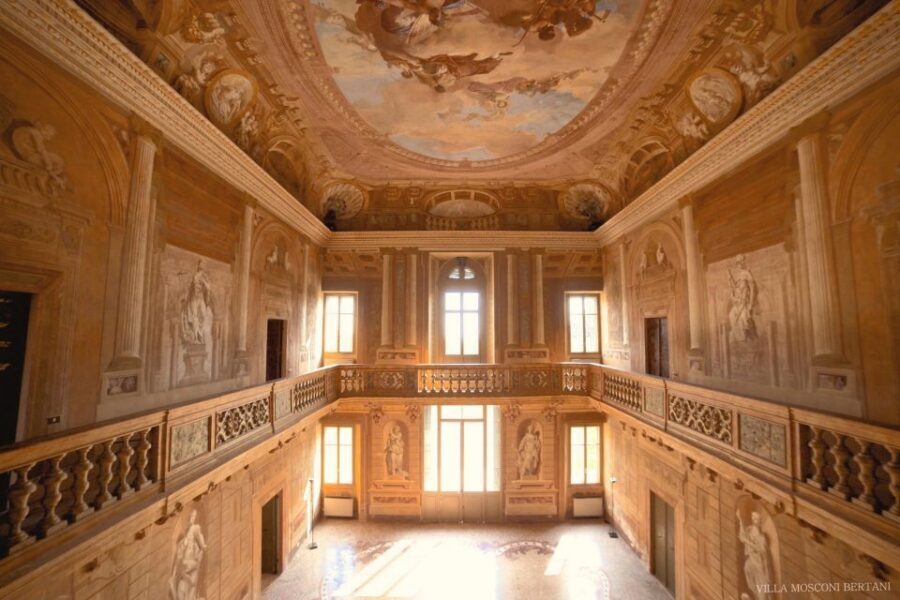
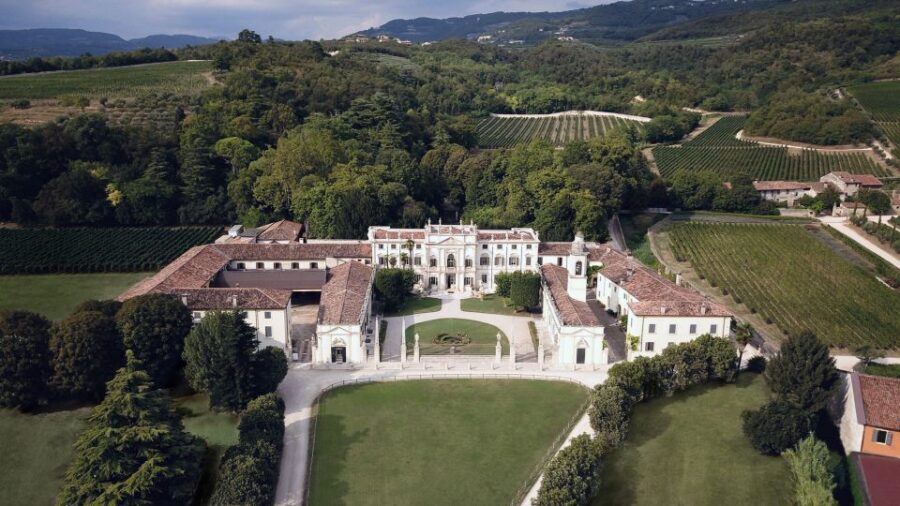
The tour begins where style meets function: an elegant 18th-century villa on the Bertani estate. This is not just a photo stop. The villa sets the tone for how wine culture used to work here—more like an estate lifestyle than a factory tour.
You’ll see a frescoed room, described as a chamber once graced by poets in the Romantic Park. That kind of detail matters because it explains why estates like this were never only about production. Wine, here, is tied to place, art, and long-term thinking.
Then the route moves outdoors into the romantic gardens. Even if you’re not a hardcore garden person, it’s a helpful break from cellar-darkness later. The gardens also help you understand what the estate protects: not only vines and buildings, but the whole setting that makes Valpolicella special.
What to watch for: don’t rush. Take a minute to look at the way the grounds flow into the vineyard areas. The contrast between polished villa elegance and the more practical grape spaces later is part of the story.
You can also read our reviews of more food & drink experiences in Marano Di Valpolicella


Brolo vineyards and the 16th-century walled cellars
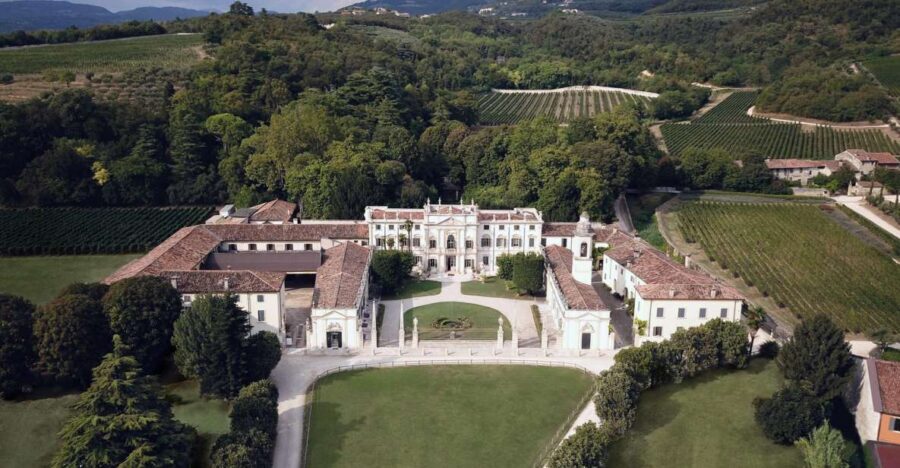
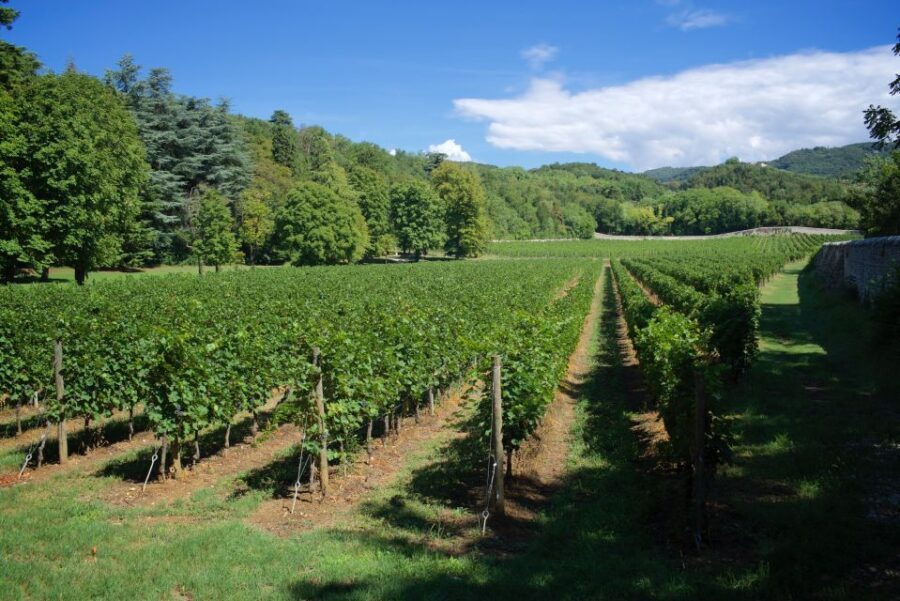
Next you shift from architecture to agriculture. The tour includes time in the estate’s private vineyards, often referred to as the brolo—the estate’s own vineyard holdings. This is where the “why” behind Amarone starts to make sense. You’re not just tasting a finished product; you’re learning how the land and the grape choice feed the process.
Then you move into older 16th-century walled vineyards and cellars. Walled spaces do a job over time. They can help stabilize the environment where wine is stored, and they create a sense of structure that makes the winemaking feel anchored, not trendy.
In a short tour, this is a smart way to do history without turning it into a lecture. You see the older built environment first, then you get the techniques that were developed to make grapes and seasons work for the winemaking calendar.
Possible downside: cellars can feel cool and damp. Bring a light layer if your plan includes winter months or if you run cold easily. Also, wear shoes with grip. Even if the walk is brief, estate paths can be uneven.
The fruttaio: how Appassimento drives Amarone’s character
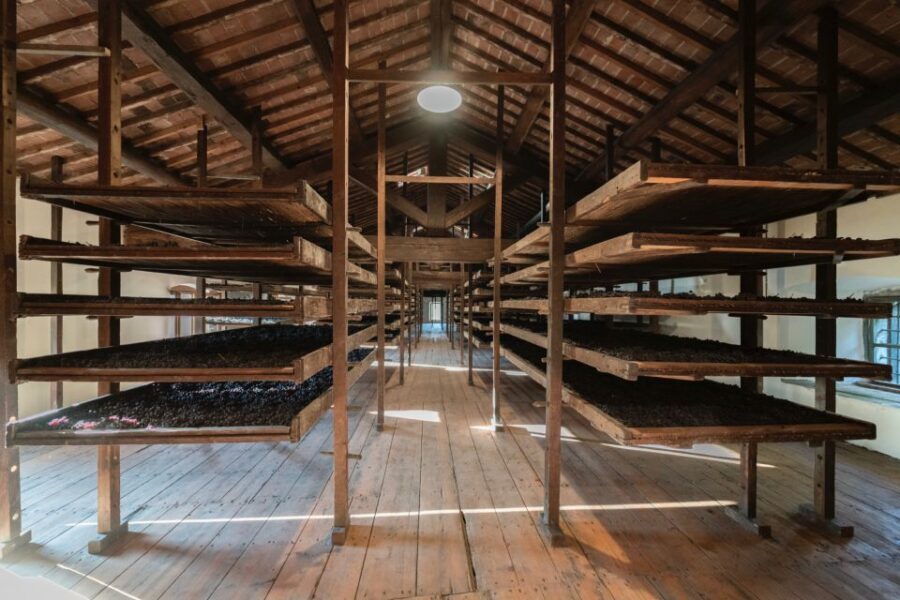
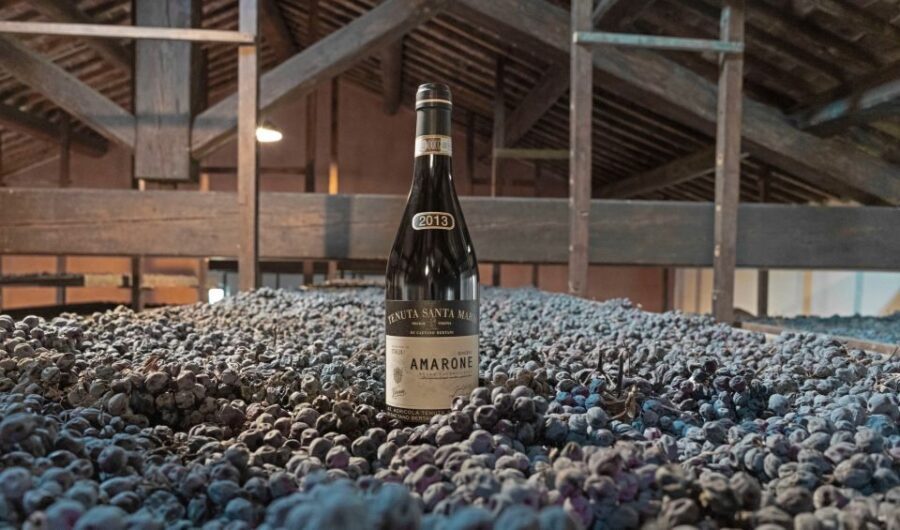
This is the heart of why people come to Valpolicella for Amarone della Valpolicella. The tour explains the historic grape-drying technique known as Appassimento. You’ll learn about the process of drying grapes in the fruttaio, a traditional room used specifically for this purpose.
Here’s what I like about how this part is framed for you: it connects technique to flavor. Drying concentrates the grapes. That concentration can translate into deeper fruit character and a stronger backbone in the finished wine. So when you later taste, you’re not guessing—you know what your glass is trying to do.
You’ll also hear about Ripasso, the technique that follows the drying step. Together, these methods are the reason Valpolicella wines can feel fuller, darker, and more complex than people expect from a region name on a label.
What to pay attention to during this stop:
- Listen for how the drying step changes the grape behavior before it becomes wine.
- Notice how the guide ties technique to what you’ll taste later.
- If you’re the type who forgets wine vocabulary, relax. The illustrated narrative is designed to keep you oriented as you go.
The monumental cellar and the tasting that actually makes sense
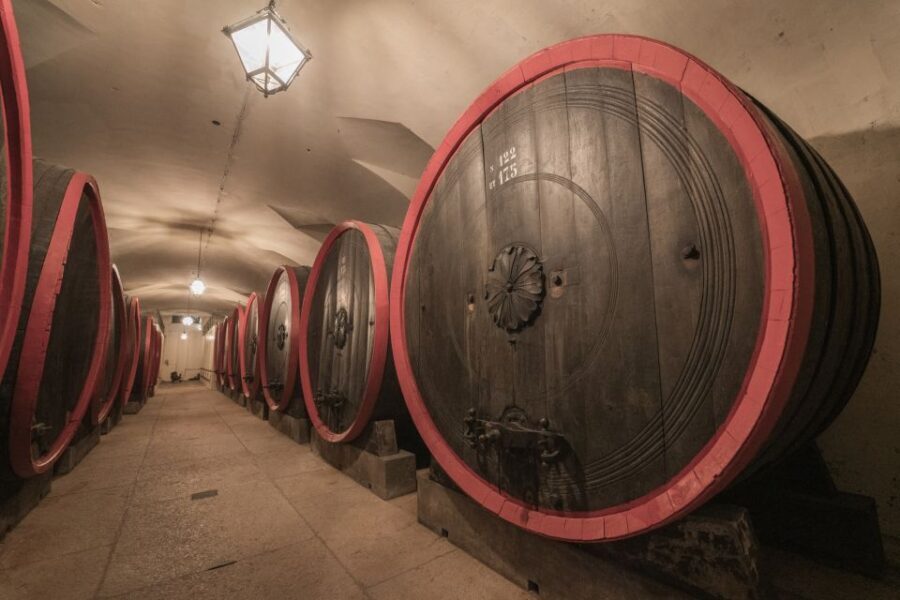
After the production stops, you descend into the cellar, described as monumental and focused on aging. This is where the tour shifts from process to patience. Wine becomes wine through time, and aging is not an afterthought here—it’s part of the craft.
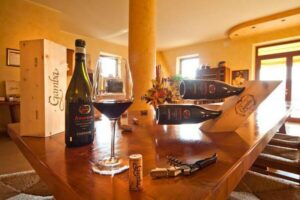
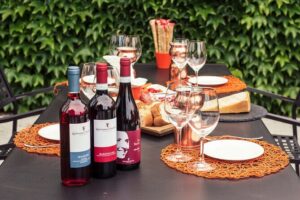
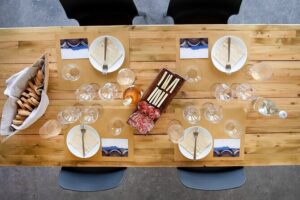
From there, you finish with a curated tasting of no fewer than four wines. You’ll taste multiple distinct options, each tied to terroir, grape selection, and the winemaking techniques you just learned about. The tasting is paired with an explanation for each wine, using the illustrated format that helps you connect the dots.
Because the tasting is guided by a sommelier, you can ask questions. If you’ve ever tasted something and wondered what you were supposed to notice, this is the moment to get your bearings. The guide can help you interpret aromas and structure without making it feel like you’re taking a test.
Order matters too. When you taste wines in a sequence that mirrors the methods you’ve just learned, the differences stop being random. You start recognizing patterns: where richness comes from, where spice or structure shows up, and why Amarone-style depth doesn’t appear out of thin air.
Quick practical tip: you’re doing a tasting at the end of a walk. Pace yourself through the vineyard portions. Your palate will thank you. And if you’re planning a dinner right after, know that wine has a way of changing your appetite.
Valpolicella between Verona and Lake Garda: where this tour fits best
Location is a big part of value with wine tours, and this one is placed nicely for people doing a Verona + Garda style trip. Valpolicella Classica sits near Verona and not far from the peaceful pull of Lake Garda, so it can work as either a morning plan or an afternoon break.
If you’re basing yourself in Verona, this tour is the kind of experience that gives you a countryside feel without requiring you to overhaul your schedule. If you’re near Lake Garda, it adds a cultural and culinary layer beyond just lake views and gelato.
The big advantage: you get a concentrated estate experience—villa, vineyard history, cellar aging, and a tasting—without needing a full day itinerary. At 1.5 hours, you can often keep your broader sightseeing plans intact.
Just remember: transfer to the property isn’t included, and pickup/drop-off isn’t part of the package. So you’ll want to plan how you’ll get there and back before you book.
Price and value: is $42 for 1.5 hours worth it?
At $42 per person for 1.5 hours, this tour lands in a pretty practical range, especially because it bundles several expensive-to-deliver elements: an expert guide, a sommelier-led seated tasting, and a walk that includes the villa, vineyards, cellar, and the teaching stops about Appassimento and Ripasso.
The real value isn’t just that you taste wine. It’s that you learn a specific Valpolicella system tied to Amarone. If you’re the type who enjoys wine more when you understand the “how,” this is the kind of tour that turns sipping into storytelling.
That said, the total value depends on your transport plan. Since transfers aren’t included, your effective cost can be higher if you need to arrange taxis or private rides. Still, if you’re already traveling with a car or you’ve planned local transport, the $42 price can feel fair for what you get: multiple wines, expert guidance, and an estate setting that isn’t rushed.
My take: for a focused Amarone-focused experience, $42 feels like it’s paying for instruction and access, not just a glass count.
Who should book this Valpolicella Amarone estate tour
This tour is a good match if you want:
- A wine tasting with explanation, not just tasting for tasting’s sake
- A short, structured format that fits into a trip around Verona and Lake Garda
- A walk that includes both historic buildings (villa and walled cellars) and production methods (fruttaio drying and Ripasso)
It may not be your best choice if:
- You need an experience for kids under 18, or you’re planning for someone pregnant (the tour isn’t suitable for either)
- You dislike estate walks and prefer purely indoor experiences
- You don’t have an easy way to handle transport, since pickup/drop-off and transfers are not included
Should you book it or DIY a winery visit?
Book this tour if you want the quickest path to understanding Amarone’s logic. The combination of estate architecture (villa and frescoed room), production spaces (brolo vineyards, walled cellars), and the method lesson (Appassimento in the fruttaio plus Ripasso) makes this feel like an efficient “course in a glass.”
Skip it if you prefer total freedom, have no transport plan, or want a family-friendly daytime activity. Also, if you’re only interested in tasting and not the techniques, a simpler tasting-only stop might feel more comfortable.
If you’re on the fence, use this simple test: do you enjoy learning what changes between grapes-in-the-drying-room and wine-in-your-glass? If yes, this tour is built for you.
FAQ
How long is the Tenuta Santa Maria Amarone chateau guided tour?
The tour lasts 1.5 hours.
What’s included in the experience?
You get a guided property tour, a bilingual tour guide, and a seated wine tasting with an expert sommelier.
How many wines will I taste?
The tasting includes no fewer than four distinct wines.
Are transfers or pickup/drop-off included?
No. Transfer to the property is not included, and pickup and drop-off are not offered.
What languages is the tour available in?
The live guide is offered in English and Italian.
Is this tour suitable for children or pregnant women?
It’s not suitable for children under 18 and not suitable for pregnant women.
Is there free cancellation?
Yes. You can cancel up to 24 hours in advance for a full refund.
—
If you tell me where you’re staying (Verona side or Lake Garda side) and what month you’re going, I can suggest the easiest way to time this without turning the transport into a headache.