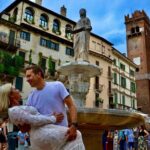
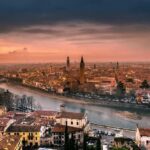
Two hours, and Verona clicks into place. I love how the walk strings together Roman and medieval landmarks without making you plan every step, and I also like the small-group feel when your guide (Sara, Graziano, Maria, Elettra, Constanza, for example) keeps the story moving from stop to stop.
The one trade-off: this is mainly a city walk for seeing the big places from the outside. If you want full museum-style visits inside monuments, you’ll need to budget extra entry fees and time on your own.
In This Review
- Key Takeaways Before You Walk
- A 2-Hour Orientation Walk Through Verona’s Top Stops
- Meeting Point and Pace: What Two Hours Really Means
- Piazza Bra to the Arena di Verona: Start Where Verona Wants You
- Vicolo del Guasto and Porta Borsari: Ancient Streets, Real Texture
- Riva San Lorenzo and Church Stops: The Breather and the Details
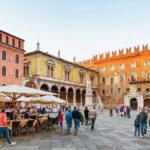
- Piazza delle Erbe and Piazza dei Signori: Two Squares, Two Moods
- Ponte Pietra and Arche Scaligere: Views Plus Medieval Power
- Casa di Romeo and the Romeo Story: Past the Headlines
- Where the Tour Ends: Courtyard of the Old Market
- What You Pay: Value for a Guided Verona Loop
- Not a Museum Tour: How to Plan if You Want Inside Access
- Who This Verona Walk Fits Best
- Should You Book This Walking Tour?
- FAQ
- How long is the Verona Highlights & Hidden Corners Walking Tour?
- Where does the tour start and end?
- What languages is the guide available in?
- Is this tour private?
- Are monument and museum entry tickets included?
- What’s included in the tour price?
Key Takeaways Before You Walk
- Start at Piazza Bra, then roll straight into Roman Verona with the Arena di Verona setting the tone
- You pass Porta Borsari and other ancient touches that most people miss when they rush between photos
- Riva San Lorenzo gives you a breather with river views before you head back into the historic core
- Piazza delle Erbe and Piazza dei Signori show two sides of the city: trade and power
- You end at the Old Market area, which is a handy springboard for your next meal or stroll
A 2-Hour Orientation Walk Through Verona’s Top Stops
This Verona Highlights & Hidden Corners Walking Tour is built for first-time orientation. You’re looking at a tight loop of the city’s best-known sights plus a few quieter street scenes that help you understand how Verona fits together.
The duration is about 2 hours, which is perfect if Verona is on your itinerary for a day (or if you just landed and want a quick win). You get a guide in English and other languages (Spanish, French, German, Italian), and the tour works as an in-person walk through the historic center.
You can also read our reviews of more walking tours in Verona
Meeting Point and Pace: What Two Hours Really Means
You meet at Via Dietro Listone, 1, 37100 Verona VR, and the tour ends back at the meeting point. That round-trip matters because you avoid the end-of-tour scramble—especially helpful in Verona’s older streets where quick turns can throw you off.
The tour is listed as “walking,” and the stops are compact: a bit of time at each square or landmark. So think “short looks and street-level context,” not “slow wandering.” Plan for classic cobblestone footing. If the weather turns (and it can), bring a layer and good grip shoes.
You also have a private option, meaning only your group participates. There’s also a small-group option (minimum 2 participants), so you can choose based on how flexible you want your cost and vibe to be.
Piazza Bra to the Arena di Verona: Start Where Verona Wants You
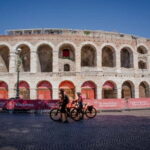
Your tour begins in Piazza Bra, Verona’s main square. This is the right opening move because it’s where the city feels most immediate: architecture, cafes, and that big-sight energy that makes you look up even if you came in sleepy.
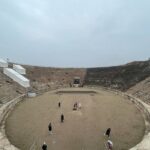
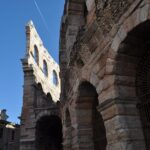
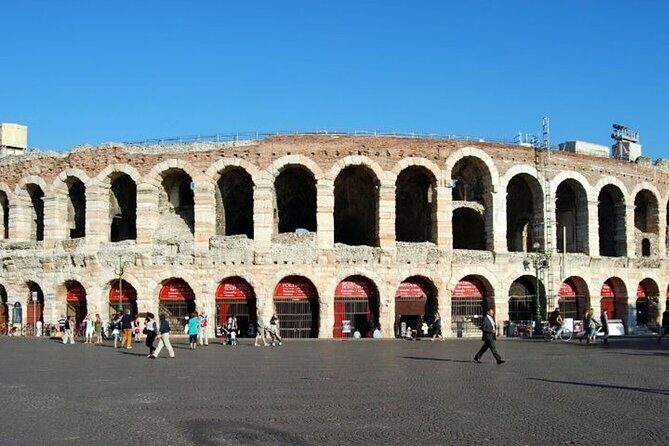
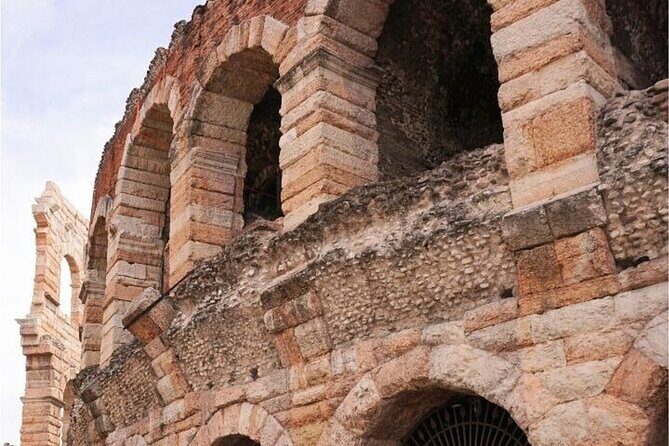
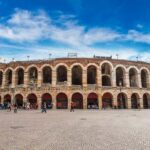
From there you head to the Arena di Verona, the Roman amphitheater. Even if you don’t go inside, seeing it in its real streetscape setting helps you grasp the scale of Roman Verona. The Arena isn’t just a postcard building; it’s a visible anchor for the city’s ancient past.
One extra value here: a great guide can point out details you’d otherwise miss because you’re busy looking for the “main thing.” In past tours, guides like Sara and Graziano have been praised for making the history feel clear and human, not like a lecture you survive.
Vicolo del Guasto and Porta Borsari: Ancient Streets, Real Texture
Next up is Vicolo del Guasto, a narrow alley that’s perfect for breaking the “straight-line sightseeing” habit. In a place like Verona, side streets are where you start noticing how buildings relate to each other—how space feels tight, how streets curve, how small shopfronts create a different rhythm than the big squares.
Then you pass through Porta Borsari, a Roman gate and a UNESCO World Heritage site. This is one of those stops that pays off later when you look at maps or compare old-city layouts. You’ll get an easy mental model: Verona’s modern center grew around these ancient entry points, and that’s why the layout still makes sense when you pay attention.
If you like architecture and city structure (even a little), this section is a strong reason to book.
Riva San Lorenzo and Church Stops: The Breather and the Details
After the Roman touches, the route shifts gears with Riva San Lorenzo, a scenic riverside promenade over the Adige. This stretch is more than a view stop. It helps you reset your eyes after stone, crowds, and tight alleys—especially if your day includes shopping or extra museum visits afterward.
Then you visit Chiesa di San Giovanni in Foro. Because the tour is a city walk and not a full inside-the-monument experience, you’ll typically appreciate the church as part of the streetscape. Still, it’s a meaningful stop because you’re reminded that Verona’s big stories aren’t only secular. Religious architecture and civic life overlap here.
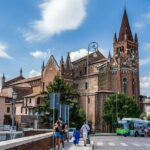
A similar idea shows up with Basilica di Santa Anastasia, where you can admire the impressive Gothic facade and ornate interior cues from what you can see during the walk. If you’re the type who likes to look up, this is a good section to take your time with photos and close reading of details.

Piazza delle Erbe and Piazza dei Signori: Two Squares, Two Moods
Then come the big public stages: Piazza delle Erbe and Piazza dei Signori.
In Piazza delle Erbe, you get the market-square atmosphere—stalls, fresh food energy, and that Verona feeling that’s less about legend and more about daily life. It’s a strong pairing after the calmer river walk because it brings you back into human-scale activity.
Piazza dei Signori is different. You’ll see the elegant palaces and monuments that signal power and status. This stop helps you connect the dots between what you’ve been seeing and why Verona became important beyond being the setting for Shakespeare’s stories.
Ponte Pietra and Arche Scaligere: Views Plus Medieval Power
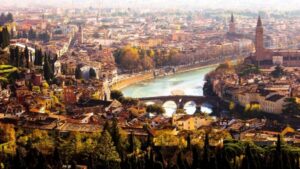
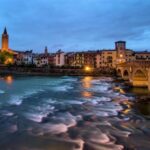
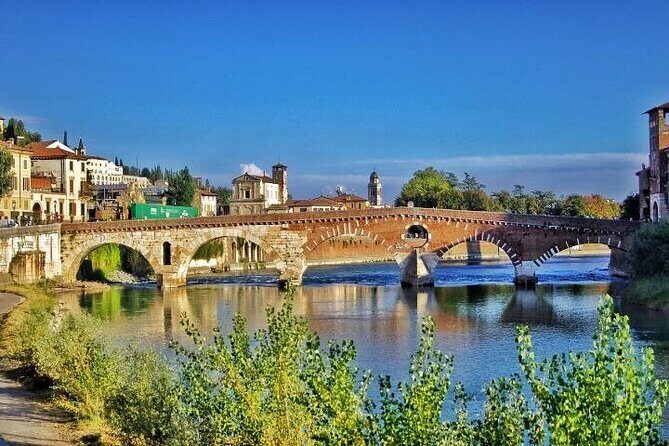
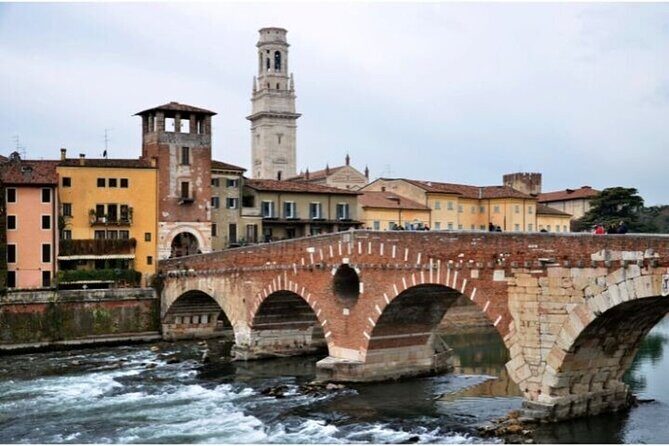
Next is Ponte Pietra, an old bridge over the Adige. From here you can take in city views that look different than the ones you get from squares. Bridges also force you to reorient, which is great on a first-day tour: you start understanding where the river cuts through Verona and where the historic core sits.
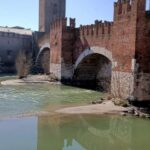
Then you finish with Arche Scaligere, the Gothic-style funerary monuments dedicated to the Scaligeri family. This is one of the most “medieval Verona” moments on the route. The Scaligero rulers shaped the city, and the monuments show you how serious their legacy was.
If you like walking tours that give you more than one era at a time, this is where the whole itinerary makes sense: Roman structures, then gates and churches, then civic squares, then medieval dynastic memory.
Casa di Romeo and the Romeo Story: Past the Headlines
The tour includes Romeo’s House (Casa di Romeo), traditionally linked to Shakespeare’s lovers. You’re not touring the story like a film set. Instead, you’re placing the legend into a real urban context—streets, stone, and everyday Verona life around it.
This matters because it prevents the “only Romeo and Juliet” Verona experience. In other words, you walk away seeing why Verona has so many layers and why people often return for more.
Where the Tour Ends: Courtyard of the Old Market
Your last stop is the Courtyard of the Old Market, finishing back near the meeting area. Ending here is practical: it keeps you close to areas where you can keep walking or find a meal without making another long transit plan.
If you want to squeeze in extra sights after the tour, this ending zone is a smart launch point. It’s also a good moment to ask your guide what to do next, since guides who know Verona well tend to offer quick, realistic suggestions based on your interests.
What You Pay: Value for a Guided Verona Loop
At $37.77 per person for about 2 hours, this is positioned as a low-friction way to get an orientation sweep with a real guide. You’re paying for:
- A guided route through Verona’s most important areas
- Interpretation at each stop so landmarks feel connected
- A guide available in multiple languages (English included)
- Help from the team to book tickets for visits you want to add
Admission tickets are listed as free for the listed stops, but the fine print matters: entry to monuments and museums isn’t included. So treat this tour as a walk-and-see experience first. If you decide you want interiors later, you’ll pay separately.
Also note the tour includes a mobile ticket, and it’s offered with group discounts. It’s commonly booked around 41 days in advance, which is a hint that dates can sell out—especially in busy seasons.
Not a Museum Tour: How to Plan if You Want Inside Access
This is a city tour, not a full inside-the-monuments program. That’s not a flaw—it’s the point. You get to see more places in less time, and you still have energy left to plan your deeper visits separately.
So if you’re the kind of person who wants to enter every major site, you’ll likely need to:
- Add separate ticketed visits after the walk
- Decide what matters most to you (Arena interiors, church details, Romeo house access, and so on)
The good news: your guide and the team can help you book tickets for the visits you want.
Who This Verona Walk Fits Best
This tour works especially well if:
- You want a first-day Verona introduction and a sense of orientation fast
- You like history explained at street level, not just in captions
- You want the Romeo and Juliet angle, but you also want Roman gates, river views, and major squares
- You prefer a private or small-group setup over large group herding
It also pairs well with a day trip plan, since two hours gives you a structured start without eating your whole day. And yes, it handles bad weather too—guides have been praised for keeping things going even when it rained.
Should You Book This Walking Tour?
I’d book it if you want a guided Verona route that covers the big hits plus a few quieter streets, and you want to leave with a map in your head. The price is reasonable for a guided 2-hour orientation, and the private/small-group option makes it easier to ask questions.
I would not book it as your only Verona plan if you’re aiming for lots of inside-ticket experiences. This is best as a “get your bearings, then choose what to enter” strategy.
If you have limited time, book early. Since it’s often reserved about 41 days ahead on average, you’ll sleep better knowing you’ve locked in your start.
FAQ
How long is the Verona Highlights & Hidden Corners Walking Tour?
It lasts about 2 hours (approx.).
Where does the tour start and end?
The tour starts at Via Dietro Listone, 1, 37100 Verona VR, Italy, and ends back at the meeting point.
What languages is the guide available in?
The tour offers in-person guiding in English, Spanish, French, German, and Italian.
Is this tour private?
It’s listed as a private tour/activity, meaning only your group participates. A group option also exists with a minimum of 2 participants.
Are monument and museum entry tickets included?
No. Entry to monuments and museums is not included. The tour notes admission tickets as free for the listed stops, but you should expect that interiors may require separate tickets.
What’s included in the tour price?
The price includes the walking tour, the guide, help from the team to book desired tickets, and a mobile ticket. Food, drinks, transport, and tips are not included.