REVIEW · VERONA
Tour Guidato nel centro di Verona accompagnato da un Angelo
Book on Viator →Bookable on Viator
Verona in one hour, with a guardian angel vibe. This short guided walk is built around the key squares and landmarks people miss when they wander solo, and it layers in story-time along the way. I love how it stays tightly focused (no pointless detours), and I really like the way you get context for what you’re looking at—Verona’s symbols, big-name locations like Dante, and the bells of the towers. The main drawback is that it’s external visits only, so if you want deep interior time, this won’t scratch that itch.
You meet at the Madonna Verona Fountain in Piazza Erbe and finish in Piazza Duomo, near a sculpture with an angel. It’s in English, capped at up to 20 people, and you use a mobile ticket. Do wear comfy shoes; even at one hour, central Verona is still city walking with cobbles and crowds.
In This Review
- Key things I’d circle before you go
- How this one-hour guided loop actually helps you see Verona
- Piazza Erbe to the Madonna Verona Fountain: your starting line
- Piazza delle Erbe: history, a city symbol, and the Torre del Gardello link
- Torre dei Lamberti: the bells you remember after the walk
- Piazza dei Signori and the Scaligeri power story (including Dante)
- Basilica di Santa Anastasia: who Anastasia was and why she mattered
- Ponte Pietra: how the bridge came to be
- Teatro Romano: seeing ancient Verona without ticket time
- Duomo di Verona in Piazza Duomo: how to end the walk
- Price and time: does $46.96 for about 1 hour pay off?
- Who this tour suits best (and who should skip it)
- Should you book this guided center-of-Verona walk?
- FAQ
- Is this tour in English?
- How long is the guided tour?
- Are you able to enter the sights during the tour?
- Where does the tour start and end?
- Do I need to buy admission tickets?
- How many people are in the group?
Key things I’d circle before you go
- Piazza delle Erbe stories: history plus Verona’s symbol and the Torre del Gardello connection
- Torre dei Lamberti bells: history of the tower and what makes its bells unforgettable
- Piazza dei Signori + Scaligeri: Palazzo del Governo, the Scala lords’ tombs, and Dante
- Santa Anastasia explained: who Anastasia was and why she became a Saint
- Ponte Pietra and Teatro Romano: quick stops that connect Verona’s layers of time
- End at Piazza Duomo: finish at the cathedral square near the angel sculpture
How this one-hour guided loop actually helps you see Verona
A lot of Verona tours are either too long or too vague. This one is the opposite. You get a structured route through the classic center, with an intentional pace that works for people who are short on time or just want their bearings fast.
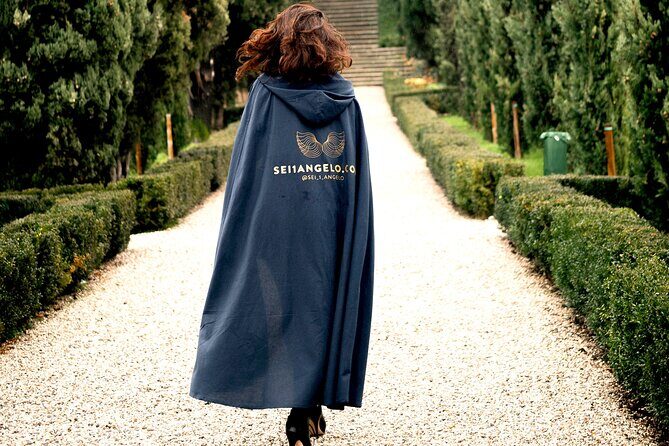
The other big win is the tone. “Accompanied by an Angel” isn’t just a cute title. You feel guided and supported, with a steady flow of what matters at each stop. The tour’s design keeps you looking up and around instead of snapping photos while mentally zoning out.
The group size also matters. With a maximum of 20, you’re less likely to get lost in a human wave, and questions can land before the guide moves on.
You can also read our reviews of more tours and experiences in Verona.
Piazza Erbe to the Madonna Verona Fountain: your starting line
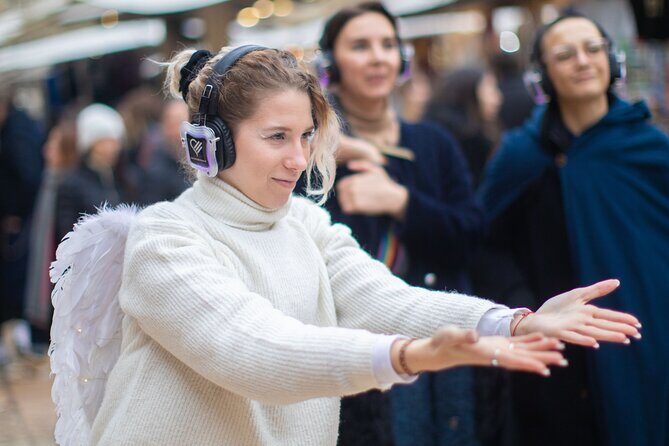
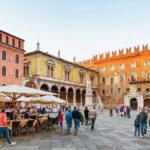
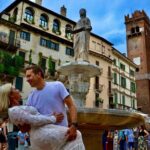
You begin at the Madonna Verona Fountain in Piazza Erbe (Piazza delle Erbe, 37121 Verona). This is a smart start because Piazza Erbe is one of the places where Verona’s identity feels visible right away: the square’s role in city life is easy to understand once someone explains what you’re seeing.
Expect the guide to get you oriented before you spread out. You’ll be ready for the next turns because you’ll know what symbols and sights to watch for—not just where to stand.
Practical note: you’re in the center of Verona, so public transportation connections are handy, and the area is walkable. Still, build a little extra time if you’re arriving during peak hours.
Piazza delle Erbe: history, a city symbol, and the Torre del Gardello link
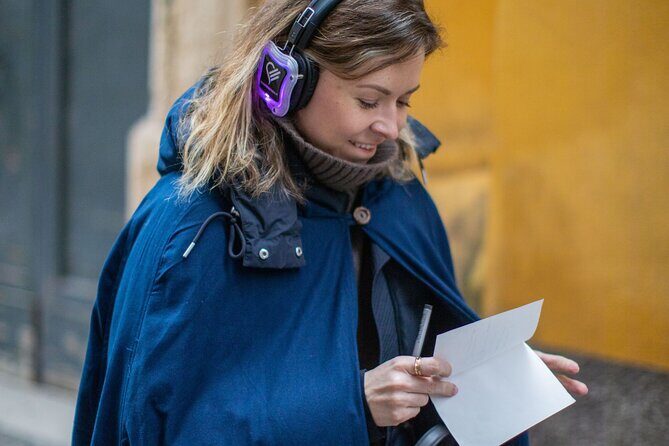
Your first real stop is Piazza delle Erbe. You’ll learn the square’s history and what symbol of Verona is located there. You’ll also uncover the secret of the Torre del Gardello—specifically, how that tower fits into the story of the area.
Why this stop works: squares like this aren’t just pretty spaces. They’re political, commercial, and symbolic stages. With a guide, you stop treating the buildings like wallpaper and start reading them as signals of power and identity.
What to do while you listen: pause, look around, and try to connect the symbol you’re told to the details you see in front of you. If you’re the type who likes to “collect” facts quickly, this is your sweet spot.
Torre dei Lamberti: the bells you remember after the walk
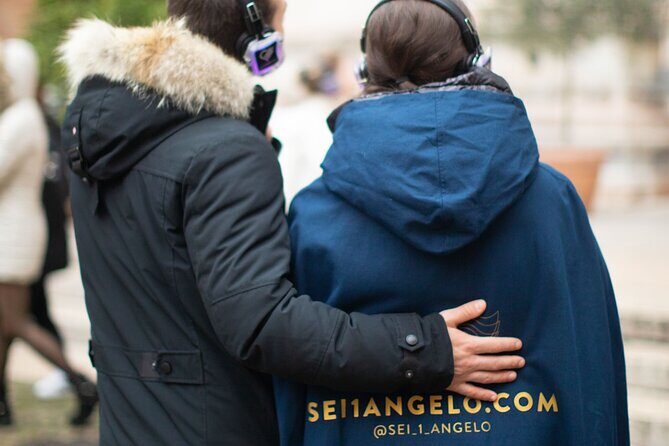
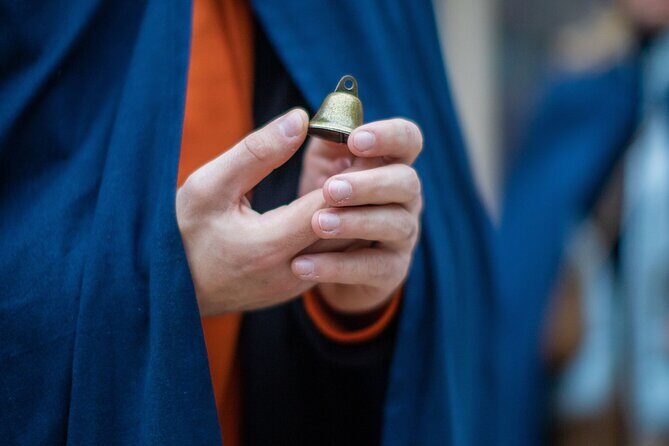
Next is Torre dei Lamberti, another external stop. The guide focuses on the tower’s history and its unforgettable bells—the kind you feel in your memory even if you can’t ring them yourself.
Towers in Verona are more than skyline decoration. They’re part of the city’s storytelling language, marking eras and ambitions. When you’re told what the bells represent, the whole area makes more sense, and the tower stops looking generic.
Because this is an outside-only moment, don’t expect ticket lines or interior viewing. Do expect a quick but meaningful piece of context that turns a landmark into a story.
Piazza dei Signori and the Scaligeri power story (including Dante)
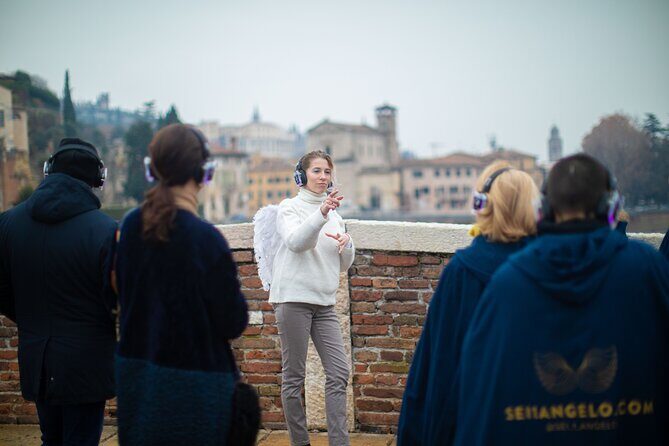
Then you move to Piazza dei Signori, one of the most important squares in the historic core. Here, the guide brings in the history of the square, the Scaligeri dynasty, and key points like Palazzo del Governo and Dante.
You’ll also find out about the tombs of the lords of the Scala—so you’re not just hearing about politics in the abstract. You’re connecting names and dynasties to physical places in front of you.
Why I like this part: it’s where Verona shifts from “pretty buildings” to “how the city worked.” You start to understand why Dante is mentioned here, and why the Scala lords’ tombs aren’t random details. It turns a square into a map of influence.
Timing tip: since the stop is short, listen for the connections the guide makes (who ruled, where power shows up, what to notice next). If you spend too long scanning for photos, you’ll miss the logic layer.
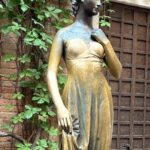
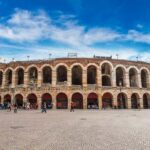

Basilica di Santa Anastasia: who Anastasia was and why she mattered
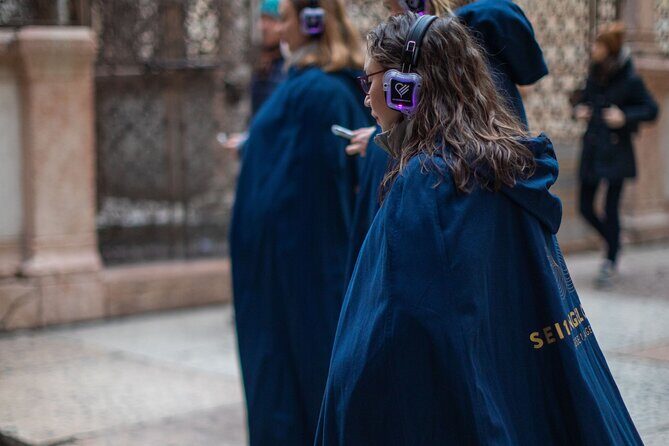
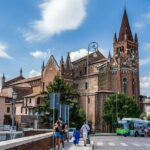
At Basilica di Santa Anastasia, the focus is on a person: who Anastasia was and why she became a Saint, plus the story behind the Church. Again, this is an external visit only.
This stop is useful even if you never step inside, because it explains why the building holds weight for locals. Once you understand the Saint’s significance, the façade reads differently. It stops being just another church stop and becomes part of Verona’s spiritual timeline.
If you’re traveling with kids or family, this is also a good moment. A human story is easier to track than architectural jargon, and it gives everyone something to talk about on the walk.
Ponte Pietra: how the bridge came to be
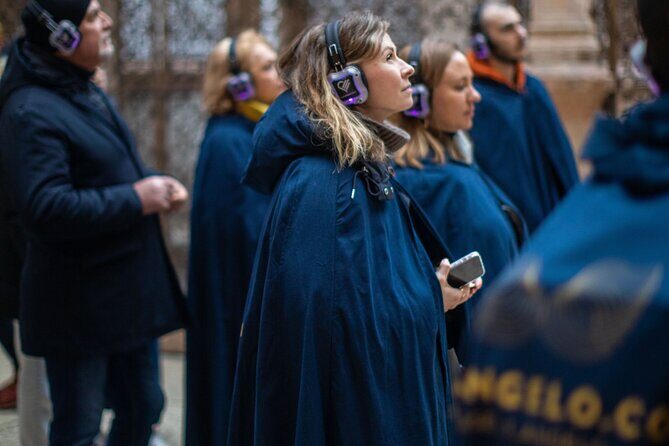
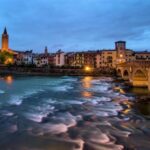
Next up is Ponte Pietra. The guide shares the history behind the bridge’s creation, keeping the stop quick and visual—external only.
Bridges are perfect tour material because they naturally connect places and eras. Even without going into technical detail, you can understand the role of Ponte Pietra as a link in the city’s movement.
What I’d do here: stand where you can see both sides and let the guide’s explanation anchor your view. When you know what you’re looking at and why it was built, the bridge becomes more than a photo background.
Teatro Romano: seeing ancient Verona without ticket time
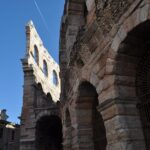
Then you’ll spot Teatro Romano, another external visit. You’ll see an ancient building that has survived to this day.
This is one of the strongest “value” stops because it gives you a tangible time jump in a very short window. Verona isn’t just Renaissance and medieval stone; you also get a reminder that the city’s roots go deeper.
The drawback is, again, you’re viewing from the outside. But for one-hour tours, that’s normal—and honestly, it keeps the pace moving so you don’t end up with half the day tied to a single site.
Duomo di Verona in Piazza Duomo: how to end the walk
You finish at Duomo di Verona – Cattedrale di Santa Maria Matricolare in Piazza Duomo. The ending is near a sculpture with an angel on the square.
This wrap-up spot is smart. Piazza Duomo is where many people want to land anyway because it feels like the center of gravity for the city’s major sights. By finishing here, you get a satisfying conclusion that makes your whole route feel intentional.
If you’re trying to keep your photos organized, this is where you can slow down. You’ll have just enough story context to make the final images feel meaningful, not random.
Price and time: does $46.96 for about 1 hour pay off?
At $46.96 per person for about an hour, you’re not paying for ticketing-heavy sightseeing. You’re paying for guidance, structure, and story context across multiple stops—without needing to research everything yourself.
That price feels most fair when:
- you want to see a lot of the center without planning each turn
- you like learning what to notice (symbols, dynasties, key figures)
- you don’t have a full afternoon to devote to sites with long entry rules
Also, the admission side is straightforward: the stops are listed with free admission tickets, and the tour itself uses a mobile ticket. In plain terms, you’re mostly covering the guide and coordination, not buying a pile of separate entrances.
The main reason this can disappoint is the same reason it’s efficient: external-only viewing. If you’re hoping to do serious interior exploring, you may need a different kind of tour.
Who this tour suits best (and who should skip it)
This one-hour guided walk fits best if you’re:
- on a tight schedule in Verona
- traveling with mixed ages who need a pace that doesn’t drag
- the type who enjoys story-driven sightseeing more than long museum time
- trying to get oriented before you explore on your own after
It’s less ideal if you:
- want long time inside churches or major interiors
- need a quieter pace where you can linger at each stop for 20-30 minutes
- prefer fully self-guided experiences with zero group movement
Should you book this guided center-of-Verona walk?
If you want a fast, story-rich overview of Verona’s core sights, I think you’ll like this. The route covers major anchors—Piazza Erbe, Torre dei Lamberti, Piazza dei Signori, Santa Anastasia, Ponte Pietra, Teatro Romano, and the Duomo area—so you leave with mental connections, not just scattered photos.
Book it if you value efficiency and context. Skip it if your priority is interior access and long site time. For most people doing Verona for the first time or trying to fit the city into a short stay, this is a solid buy.
FAQ
Is this tour in English?
Yes. The experience is offered in English.
How long is the guided tour?
It lasts about 1 hour.
Are you able to enter the sights during the tour?
This is described as external visits only at each stop.
Where does the tour start and end?
It starts at the Madonna Verona Fountain in Piazza Erbe and ends in Piazza Duomo, near a sculpture with an angel.
Do I need to buy admission tickets?
The stops are listed with admission ticket free, so there aren’t paid site admissions indicated for the included viewpoints.
How many people are in the group?
The tour has a maximum size of 20 travelers.