REVIEW · VALPOLICELLA
Valpolicella: Wine experience Valpolicella in a glass
Book on GetYourGuide →Operated by CANTINE GIACOMO MONTRESOR · Bookable on GetYourGuide
A good wine tour doesn’t just pour wine; it explains it. This 1.5-hour Montresor experience in Verona combines a cellar walkthrough (from pressing and fermentation to grape drying and aging) with a wine museum stop, then finishes with a guided tasting that spotlights classic Valpolicella styles—including Amarone.
I especially like how the tasting is paired with local cold cuts and cheeses, so you learn what works, not just what tastes good. I also like that you get a real sense of the production steps, not a vague talk-and-wine situation. One thing to consider: this is not a vineyard walk. You’ll spend the whole experience inside, and the pace can feel a bit script-driven.
In This Review
- Key points to know before you go
- Montresor’s setup: wine museum plus cellar in one ticket
- Price and what you’re really paying for at about $47
- Getting to Via Ca’ di Cozzi 16 from central Verona
- The cellar tour: pressing, fermentation, grape drying, and underground aging
- Wine museum time: turning background into better tasting
- Your tasting flight: what you’ll sip in the order
- Food pairing: cold cuts, cheese, and why season matters
- Pace and flow: 40 minutes tour, 60 minutes tasting
- What to bring (and what to skip)
- Who should book this Valpolicella experience?
- Should you book this Montresor Valpolicella tasting?
- FAQ
- Where is the meeting point for the tour?
- How long does the experience take?
- What’s included in the ticket price?
- How do I get there from central Verona?
- Is transport included?
- What wines are included in the tasting?
- What food is served with the wine tasting?
- What languages are the guide and tour offered in?
- Is the tour suitable for kids or pregnant travelers?
- What’s the cancellation policy?
Key points to know before you go
- Cellar route, step by step: pressing/fermentation, grape drying room, then underground aging spaces
- Wine museum included: you get context on Valpolicella traditions as you taste
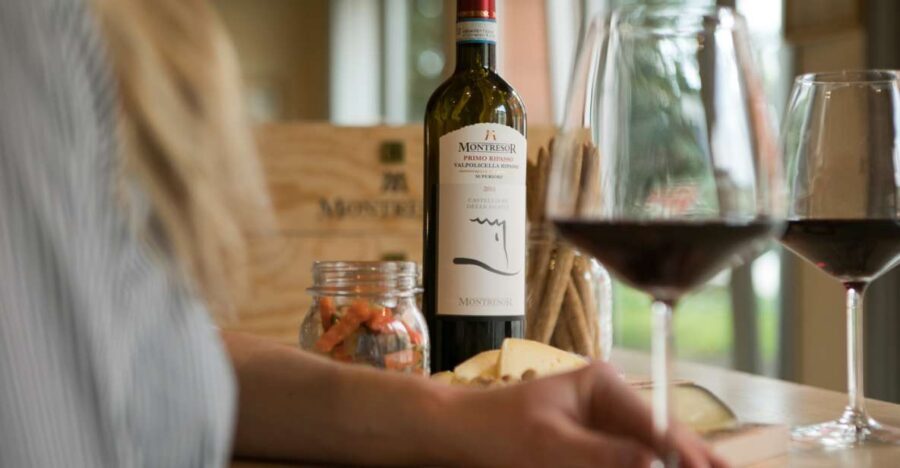
- A focused tasting line-up: Lugana, Valpolicella Classico, Ripasso, Amarone, and Amarone Riserva
- Food pairing that actually matters: cold cuts and cheeses chosen to match the wines and season
- Small-group potential: some time slots can feel more personal
- Inside-only experience: plan for a tour of production spaces, not vineyard scenery
Montresor’s setup: wine museum plus cellar in one ticket
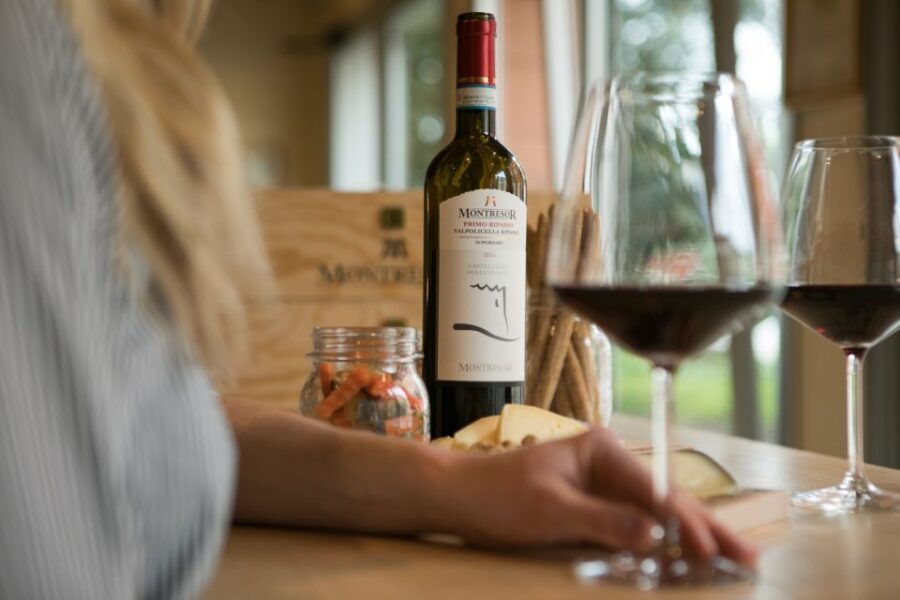
If you’re short on time but want the “how does it get made?” part of wine, this format is smart. You start with a guided route through production spaces, then shift to a wine museum for background, and only then move into tasting. That order matters. When you taste Amarone later, you already understand what makes it different—especially the idea of concentrated grapes and careful aging.
CANTINE GIACOMO MONTRESOR has built the experience around learning-to-taste. Instead of dumping five pours in a row with no structure, your guide walks you through the process and then uses that knowledge while you sip. For many people, that’s the difference between enjoying wine and actually getting better at tasting.
You can also read our reviews of more wine tours in Valpolicella
Price and what you’re really paying for at about $47

At $47 per person for about 1.5 hours, the value comes from what’s included, not from some grand setting. Your ticket covers entry to the winery, the wine museum, a guided tasting session, and snack-style pairing food, plus a live guide.
This matters because the tasting isn’t just water-and-crackers. You’re tasting a specific set of wines (including Amarone and an Amarone Riserva), and you’re doing it with cold cuts and cheeses meant to go with the wines. If you roughly translate that into a per-wine cost, you’re paying about the price of a tasting plus food and guided interpretation. In other words: the cost isn’t only about the wine; it’s about the pairing and the production story.
Also, the time commitment is tight. If you’re doing Verona sightseeing in a packed day, this tour gives you a complete wine experience without eating up half your trip.
Getting to Via Ca’ di Cozzi 16 from central Verona
Logistics make or break a short tour, and this one is fairly easy.
You meet at Montresor winery, inside the premises at Via Ca’ di Cozzi, 16. If you’re coming from Verona’s core, you can take a taxi from Arena. Public transport is also workable: take bus 21 or 93 from near Castelvecchio Castle (stop across from the castle entrance). If you’re driving, there’s parking at the winery.
Why this matters: when you’re spending 90 minutes tasting, you don’t want to burn time guessing transit. Plan to arrive a bit early so you can settle in without feeling rushed.
The cellar tour: pressing, fermentation, grape drying, and underground aging
The guided part starts with a visit that covers the key stages of Valpolicella winemaking. You move through production areas that show how grapes become wine, not just the romantic end result.
Here’s what you should expect as you follow the guide through the spaces:
You’ll see areas connected to pressing and fermentation, where the juice starts its transformation. Then you move toward the ancient grapes drying room. This is the step people tend to remember, because it’s where the style shift begins: the grapes are dried to concentrate flavors before the winemaking continues.
From there, you go into the underground cellars for aging and refinement. This is where you’ll start hearing why time and temperature control matter in the cellar. It’s also where the tour helps you connect what you see to what you’ll sip later—especially once Amarone is on the table.
One practical note from real experience with this type of tour: production facilities can be cooler and dimmer than you expect. Wear comfortable clothes that handle indoor temperature shifts, and bring your camera if you like photos, but keep an eye out for any areas where photography might be discouraged.
Wine museum time: turning background into better tasting
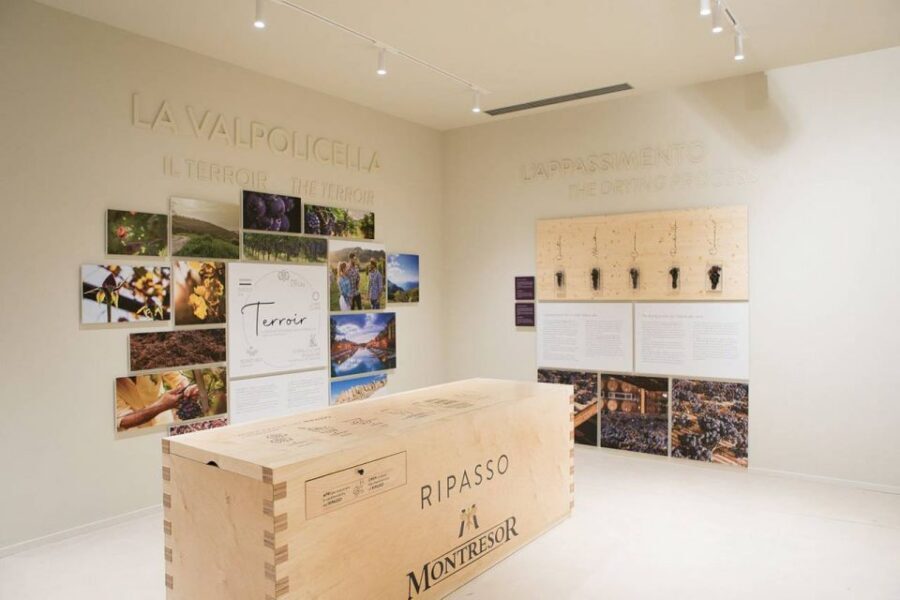
After the cellar route, the wine museum helps connect the dots. This is the moment where many people go from tasting “by guess” to tasting with a framework.
Because the tour is structured, the museum doesn’t feel like a separate attraction. It’s part of the same story. The guide gives context on the Valpolicella area and the specific styles you’ll encounter in your tasting line-up. That’s a big deal when you’re tasting close relatives—like Valpolicella Classico versus Ripasso—because the differences can be subtle if you don’t have labels explained.
If you like learning through visuals and displays, this museum component is a plus. If you prefer pure wine without any teaching, you might still find it useful, but you’ll want the guide to keep things moving during the tasting portion.
Your tasting flight: what you’ll sip in the order
The tasting is built around a chosen route of wines and is paired with seasonal local food. In the lineup, you’ll find:
- Lugana DOC Satinato
- Valpolicella DOP Classico Capitel della Crosara
- Valpolicella Superiore Ripasso DOP Castelliere delle Guaite
- Amarone della Valpolicella DOCG Satinato
- Amarone della Valpolicella DOCG Satinato Riserva
A smart way to taste here is to compare “style by style,” not to chase just the strongest wine. Start with the Lugana, then pay attention to how the Valpolicella styles shift in body and character. When Amarone arrives, use what you saw in the grape drying room as your mental anchor. Amarone isn’t just a bigger red—it’s a different approach to concentration and aging.
You’ll also taste an Amarone Riserva, which is a helpful contrast if you’ve only had standard Amarone before. You can treat it as your “same idea, more time” test.
One more useful tip: if your guide talks quickly, write down any wine name that interests you before you move on. Then you can remember which bottle you want to look for later in shops or restaurants.
Food pairing: cold cuts, cheese, and why season matters
You don’t just taste wine in silence. You get a light lunch that’s designed to match the wines you’re drinking.
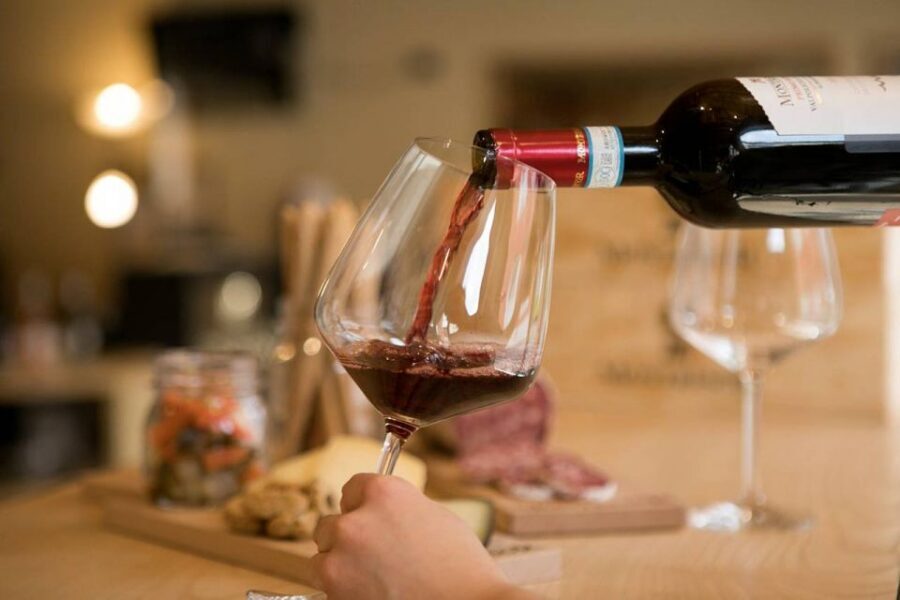
Your snack selection includes cold cuts, cheeses, and typical products from the area, chosen according to the season. The goal is straightforward: better pairings, fewer random bites.
In a tasting like this, pairing helps you notice structure. A richer red often changes how you perceive fat and salt in cheese. And cured meats can make tannins feel softer or sharper depending on the wine. It’s one of the few times you’ll get to compare wines in a way that mimics real dining.
One important constraint: this tour isn’t suitable for vegans. If you follow a plant-based diet, you’d need to look for a different experience with vegan accommodations.
Pace and flow: 40 minutes tour, 60 minutes tasting
The schedule is built to fit neatly into a busy day. You’ll start with a guided tour of about 40 minutes, and then you’ll move into wine tasting with regional food for about 1 hour.
In practice, that means you’re not in “slow museum stroll” mode. It’s a guided pace that keeps moving from one concept to the next. That’s good if you want a full experience without stretching out your afternoon. But it can feel rushed if you’re the type who likes asking lots of deeper questions mid-stream.
So if you have specific questions—about Ripasso methods, what makes Amarone different, or what to look for when buying bottles—choose a moment. Asking during transitions often works better than interrupting the guide mid-explanation.
Also, group size can vary. Some time slots may be smaller, which makes the Q&A easier and the tasting feel more personal. If you want that calmer vibe, consider booking the less popular hours.
What to bring (and what to skip)
This tour is simple, but a few details help.
Bring:
- A camera
- Comfortable clothes for indoor cellar spaces
You should also know what’s not allowed and what doesn’t fit:
- Unaccompanied minors aren’t allowed
- Children under 18 aren’t suitable
- Pregnant women aren’t suitable
- Vegans aren’t suitable
Wheelchair access is listed as available, so if you need that, you can plan around the fact that the tour is designed to be wheelchair accessible.
Who should book this Valpolicella experience?
This experience is a great match if you want:
- A guided start-to-finish Valpolicella wine story in under two hours
- An easy place to learn how production steps connect to taste
- A tasting that includes Amarone and Amarone Riserva, not just entry-level reds
- A food pairing component—cold cuts and cheese—that helps you taste better
You might want to skip it if you’re looking for:
- A vineyard walk with outdoor views
- A super long, slow, think-for-yourself wine education session
- A fully vegan menu
It also works well as an add-on to Verona sightseeing. Because it’s indoor and time-efficient, you can slot it in even if the weather isn’t cooperating.
Should you book this Montresor Valpolicella tasting?
Book it if you want a high-structure wine experience: cellar first, museum context next, then a tasting you can actually understand. The price is fair for what’s included—entry, museum time, a guided tasting, and paired local food—especially since Amarone and Amarone Riserva are part of the flight.
Skip it if you hate guided pacing, want outdoor scenery, or need vegan-friendly options. And if you’re someone who asks lots of questions, keep your questions ready and look for a time slot that feels less crowded.
If your goal is to leave with stronger tasting skills and a better sense of why Amarone tastes the way it does, this one is a solid choice.
FAQ
Where is the meeting point for the tour?
You meet inside the Montresor winery at Via Ca’ di Cozzi, 16.
How long does the experience take?
The duration is about 1.5 hours.
What’s included in the ticket price?
Included: entry ticket to the winery, wine museum, wine-tasting session, snacks, and a live guide.
How do I get there from central Verona?
You can take a taxi from Arena. You can also use bus 21 or 93 from Castelvecchio Castle (the stop is opposite the castle entrance). Parking is available at the winery.
Is transport included?
No. Transport is not included.
What wines are included in the tasting?
The tasting route includes Lugana DOC Satinato, Valpolicella DOP Classico Capitel della Crosara, Valpolicella Superiore Ripasso DOP Castelliere delle Guaite, Amarone della Valpolicella DOCG Satinato, and Amarone della Valpolicella DOCG Satinato Riserva.
What food is served with the wine tasting?
You get a light lunch/snacks featuring cold cuts, cheeses, and typical products of the area chosen according to the season, designed to enhance the wine pairing.
What languages are the guide and tour offered in?
The live guide speaks Italian and English.
Is the tour suitable for kids or pregnant travelers?
No. It’s not suitable for children under 18 or for pregnant women.
What’s the cancellation policy?
Free cancellation is available up to 24 hours in advance for a full refund.