REVIEW · VERONA
Discover the old market and make fresh pasta
Book on GetYourGuide →Operated by Verona In Tour · Bookable on GetYourGuide
Follow the eggs to fresh pasta.
This 4-hour hands-on class in the Villafranca area is all about the old market first, then switching gears to handmade pasta right near the stalls. You’ll walk among market tables, pick ingredients with the chef, and then learn to knead and shape classic Veronese dishes you can actually eat a few hours later. The payoff is real: you finish with a taste of what you cooked, paired with renowned Veronese wines.
My favorite parts are the practical teaching style and the fact that nothing feels staged. You’re limited to a small group of up to 10, so you get real attention while you work eggs and flour into dough. One possible drawback: a past booking reported unclear pre-trip instructions and no confirmation until about an hour before departure, so I’d double-check your message thread close to the start time.
In This Review
- Key things to love about this Villafranca pasta experience
- Meeting at Villafranca by the Scaliger Castle
- Old-market shopping: choosing ingredients like a local
- The cooking lesson in a Venetian-style space with castle views
- Shaping fresh pasta: from kneading to Tortellini Nodo d’amore
- Beyond tortellini: pappardelle, tortelli, and seasonal vegetable stuffing
- Tiramisu: the dessert that keeps you smiling
- Wine pairing with what you cooked: the real payoff
- Small-group format: why it feels personal (and not rushed)
- Timing and what fits in 4 hours
- Who should book this fresh pasta and wine class?
- Booking tips: how to avoid the only real headache
- Should you book this Villafranca pasta and wine experience?
Key things to love about this Villafranca pasta experience
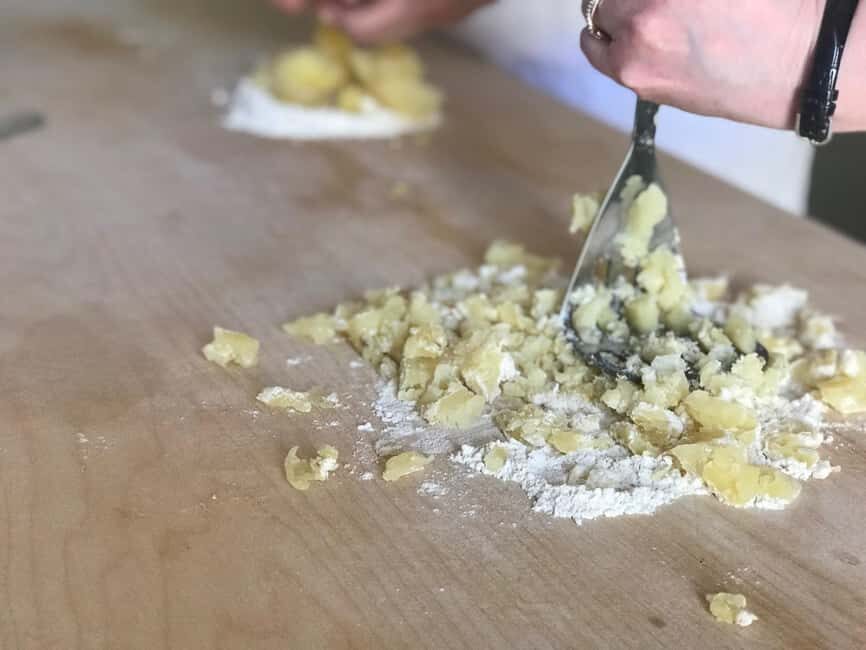
- Market shopping on Wednesday: the Villafranca market day runs on Wednesday, so you may be shopping the most lively version of the market.
- Tortellini Nodo d’amore, shaped by hand: you’ll knead and form the famous tortellini style, not just watch someone else do it.
- Seasonal fillings from the stalls: tortelli stuffed with seasonal vegetables come directly from what you choose with the chef.
- More than one pasta format: expect variety, including Tortellini plus options like pappardelle or tortelli.
- Tiramisu is part of the lesson: you’ll also make this classic Italian dessert, not just pasta and wine.
- A garden setting with the Scaliger Castle in view: cooking happens in a welcoming place with garden views and castle atmosphere.
Meeting at Villafranca by the Scaliger Castle
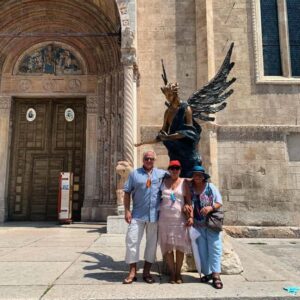
You’ll meet the chef at Villafranca in front of the Scaliger Castle. The coordinates are 45.3514404296875, 10.846451759338379, which is helpful if you prefer to plug it into your maps app and arrive with zero guesswork.
What makes this start work is that you’re dropped into the right rhythm immediately. You’re not traveling across town and then waiting to cook. You’re at the castle area, close to where the market action happens, and the whole experience grows outward from there.
This is also where the small-group vibe starts to matter. With a limit of 10 participants, you’re more likely to feel like you’re part of a shared cooking session instead of an assembly line. The chef speaks Italian and English, so you can follow the steps without needing to play food-charades.
You can also read our reviews of more shopping tours in Verona

Old-market shopping: choosing ingredients like a local

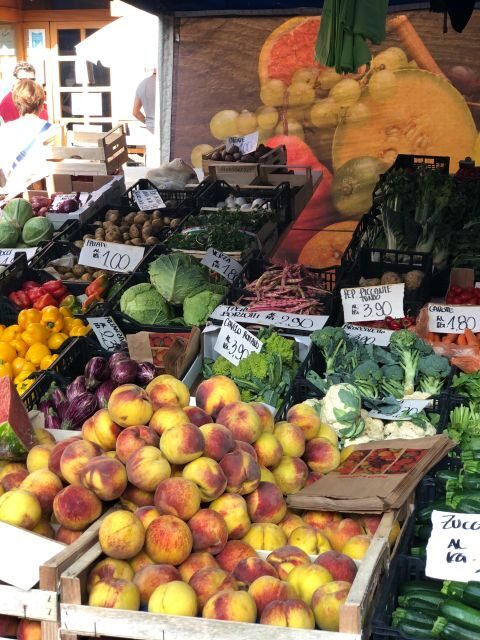
Right after meeting, the experience begins with a walk among market stalls. You’re not just there for photos. You’re there to select ingredients that will become your pasta and fillings.
On Wednesdays, Villafranca’s market day is in full swing, so the selection you’ll have access to is tied to that weekly rhythm. On other days, the group chooses ingredients together with the chef in selected local shops instead of the Wednesday market.
Here’s why that’s a big deal for your experience: pasta teaches you technique, but market shopping teaches you taste. When you pick ingredients in the moment, you’re more likely to understand why certain flavors belong together. Even if you’re not a hardcore foodie, you’ll start thinking like a cook: which vegetables look best today, what looks most seasonal, and what makes sense for a filling.
Practical note: bring your curious brain. Market walking can feel slow if you expect a quick bus ride. But if you enjoy local food culture, this first hour sets the tone, and you’ll feel more confident once you’re at the dough stage.
The cooking lesson in a Venetian-style space with castle views
After you choose ingredients, you move to the cooking lesson area just a few steps from the market. The setting is described as a typical Venetian cuisine with a beautiful garden and overlooking the Scaliger Castle.
That detail matters more than it sounds. Cooking classes can be cramped and fluorescent. Here, you’re working with an open-air feel and a view that keeps your energy up. You’ll likely spend less time staring at a clock and more time actually learning what your hands are doing.
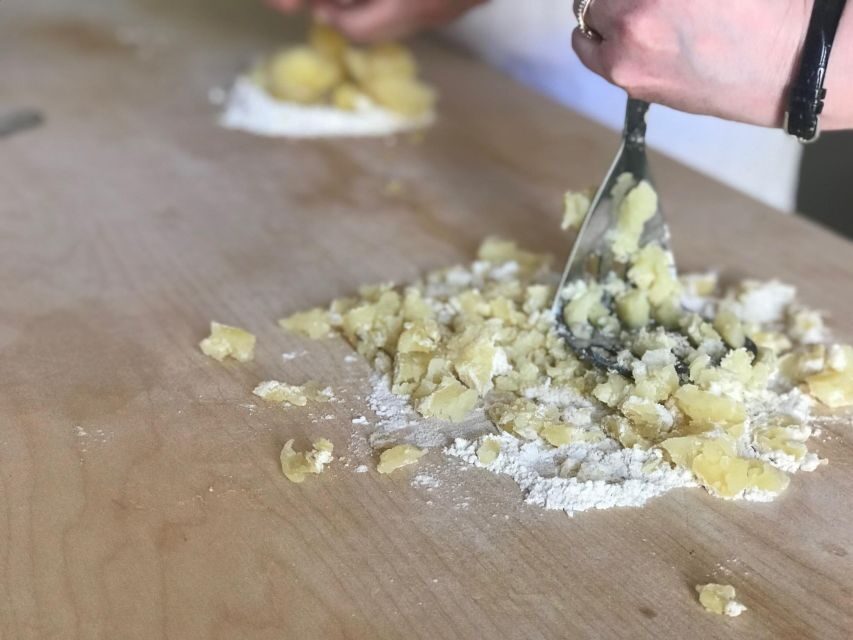
You’ll be welcomed into the kitchen, and the teaching starts with a classic foundation: eggs and flour. The goal is to learn the techniques for making excellent pasta the way grandmothers once did. You’ll knead by hand, which is where most people suddenly realize dough isn’t just a recipe—it’s texture.
Shaping fresh pasta: from kneading to Tortellini Nodo d’amore
The star of the lesson is the Tortellini “Nodo d’amore.” You’ll knead the dough by hand and form this famous tortellini style as part of the session.
If you’ve never made stuffed pasta before, expect a learning curve—but not a stressful one. With a small group, the chef can slow down and explain key steps in a way that sticks. You’re learning in real time, which is the quickest route to improvement.
This is where the most praised aspect from the experience lands: people liked that the chef was ready with explanations and useful tips to help you improve your technique. One guest described the chef as professional and always willing to explain concepts and advise while cooking. Another noted lots of interesting learning and a chef who made the process feel easy.
A quick consideration: stuffed pasta can take more time than you expect. You might finish some steps slower if you’re still getting comfortable with folding and shaping. That said, the class format is built around teaching, not rushing.
Beyond tortellini: pappardelle, tortelli, and seasonal vegetable stuffing
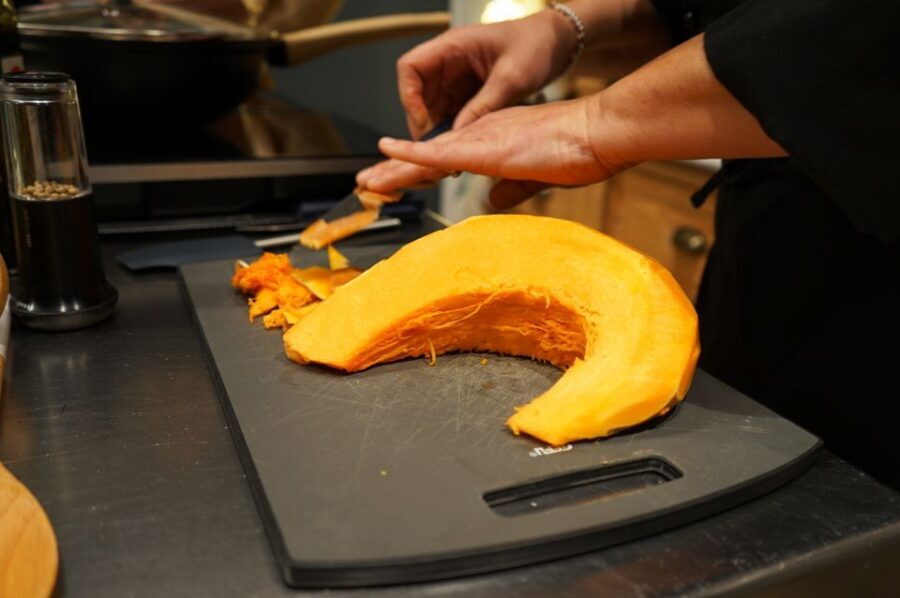
You won’t stop at just one pasta shape. The session includes additional local products such as pappardelle or tortelli stuffed with seasonal vegetables from the market.
This matters because it gives you a fuller snapshot of the region’s pasta culture. Tortellini is a recognizable signature, but pappardelle and tortelli show how different pasta types fit different sauces and fillings. Even if you don’t cook all these at home right away, the experience helps you connect shape, filling, and texture.
A practical way to approach this part: watch what the chef emphasizes during assembly. With any stuffed pasta, small differences in thickness and sealing can change the outcome. Since the cooking happens in a real kitchen with direct guidance, you’ll get faster feedback than you would trying to learn from a book later.
Tiramisu: the dessert that keeps you smiling
You’ll also prepare tiramisu during the class. For many people, this is the relief moment. Pasta can be a hands-on workout; dessert is the payoff lane.
The experience frames tiramisu as part of the full homemade meal, not as an afterthought. You’ll learn and make it in the same session, which means you’re not piecing together an extra cooking plan later in your trip.
If you like desserts, this is a strong reason to book. It rounds out the experience so you leave with both savory and sweet confidence—useful if you want to replicate something at home without building a full multi-course menu.
Wine pairing with what you cooked: the real payoff
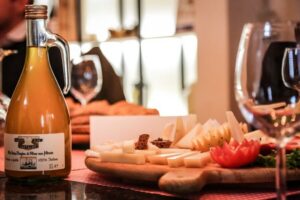
After hands-on cooking, you taste what you made, paired with renowned Veronese wines. This is one of those details that changes how you remember the day.
Instead of cooking and then sending your food off to the side, you get to eat your own work. That makes the flavors feel personal. It also helps you learn what the wine does to your perception of taste—how richness, acidity, and body can balance pasta and dessert.
A note on rules: alcohol and drugs are listed as not allowed. At the same time, wine tasting is included in the experience. So follow the host’s guidance on what’s served and when, and don’t assume you can treat it like a free-for-all.
Small-group format: why it feels personal (and not rushed)
This activity is limited to 10 participants. That’s a sweet spot for a cooking class like this.
With a larger group, you often get a quick lecture and then figure it out on your own. Here, the chef can correct technique while you’re working, and you’re more likely to ask questions without feeling like you’re interrupting.
Language support also helps. With instruction available in Italian and English, you’re less likely to lose steps because of vocabulary. Even when a cooking term is familiar, the method might not be—and that’s where real explanations pay off.
Timing and what fits in 4 hours
The duration is 4 hours, which is long enough to do meaningful hands-on work but short enough to stay energized.
You should expect:
- market time to choose ingredients
- the cooking lesson with dough kneading and shaping
- additional pasta preparation
- tiramisu preparation
- tasting and wine pairing
The lesson is packed, but that’s the point. You’re learning by doing, and then you’re eating. If you prefer slow travel and long, unstructured meals, this may feel busy. If you enjoy structured learning with a clear end goal, it hits the mark.
Who should book this fresh pasta and wine class?
This class is a strong fit if you want:
- a hands-on fresh pasta cooking class experience rather than a passive tour
- a market component that teaches ingredient selection
- a small-group format where the chef can guide you step-by-step
- to cook classic Veronese-style dishes like Tortellini Nodo d’amore and also make tiramisu
- to end with a tasting paired with Veronese wines
It’s also ideal if you like doing something social. The description emphasizes enjoying it in company, and the format naturally creates interaction because you’re working near each other in the kitchen.
Who might skip it? If you’re only interested in major sightseeing and you don’t want a cooking-focused afternoon, you may feel it’s too food-centered. And if you rely on absolute certainty of pre-trip instructions, I’d take extra care about confirmation messages since one prior guest had a last-minute confirmation issue.
Booking tips: how to avoid the only real headache
The overall feedback is positive, especially about the chef’s professionalism and the feeling that you learn practical techniques and small tips to improve your results.
Still, one review flagged unclear instructions and late confirmation from the operator side. That doesn’t mean it’s a pattern, but it does give you a sensible preparation rule.
Here’s what I’d do:
- check that you received a confirmation message ahead of time
- if you don’t see it, contact the host/operator and ask for the details in writing
- plan to arrive a little early at the Scaliger Castle meeting point area, since that’s where everything begins
It’s a small effort that protects your day.
Should you book this Villafranca pasta and wine experience?
Yes, if you want a genuinely practical food experience in the Villafranca area—market first, pasta second, then wine and dessert with what you made. The combination of handmade tortellini, extra pasta shapes, and tiramisu makes it feel like you get full value out of the 4 hours. And the small group format helps you learn instead of merely watch.
I’d especially book it if you like the idea of taking home technique. The chef’s teaching approach is repeatedly praised for clear explanations and useful tips, which is exactly what helps your pasta improve later.
Skip it only if you prefer open-ended sightseeing with no cooking, or if you strongly need ironclad, early communication and can’t handle last-minute confirmations. For everyone else, this is the kind of day that turns into a real story because you made the food yourself.