REVIEW · VALPOLICELLA
Valpolicella: wine tasting on a spectacular terrace
Book on GetYourGuide →Operated by Castrum Wine Relais · Bookable on GetYourGuide
A terrace tasting in Valpolicella feels like a small victory. I love the panoramic setting and the way the visit connects wine to place, starting near the VII-century Castrum Rotari walls. You’ll also taste a strong lineup, including Amarone and Recioto, not just light sips and quick talk. One thing to consider: you’ll go down stairs to reach the barrels room.
This experience works best if you enjoy guided context along with the wine. I like how the guide walks you from production areas to relaxation time, then back again through Valpolicella history and the people behind the labels. The only real drawback is the stairs—if you don’t like steps, this may be uncomfortable.
In This Review
- Key highlights you’ll actually care about
- Where the Valpolicella story starts: Castrum Rotari and Castelrotto
- The guided walk to the barrels room (and the one catch)
- The terrace payoff: panoramic views with a rain plan
- The Castrum Platinum Collection tastings you’ll get
- Valpolicella styles in plain language: Classico, Ripasso, Corvina, Amarone, Recioto
- The guide’s role: history + wine labels that mean something
- Food pairing: how cheese and cold cuts keep you moving
- Price and value: is $33 worth it for 1.5 hours?
- Who this tour is best for (and who should skip it)
- Practical tips for a smoother tasting
- Should you book the Castrum terrace tasting?
- FAQ
- How long is the Valpolicella wine tasting?
- Where do I meet the guide?
- What wines are included in the tasting?
- Is food included, and what kind?
- What languages are available for the live guide?
- Is there a rain plan if the terrace can’t be used?
- Is this tour suitable for children?
Key highlights you’ll actually care about
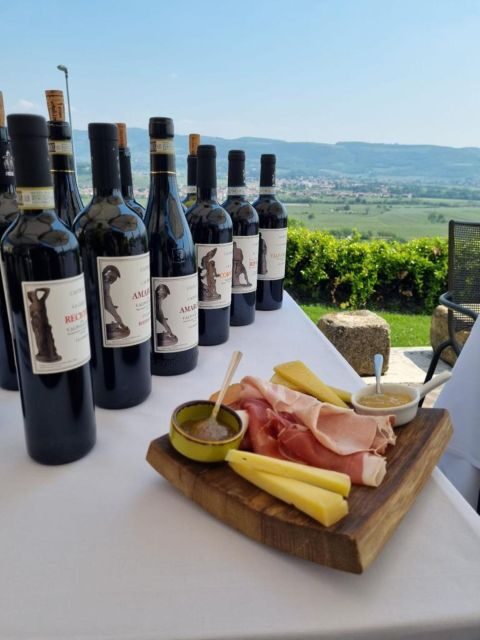
- Panoramic terrace views in Valpolicella, plus an indoor option above the barrels if it rains
- Castrum Platinum Collection tastings that feel purpose-built, not random pours
- VII-century Castrum Rotari history tied directly to the wines you drink
- Dedicated labels by Innocenzo Fraccaroli, born in 1805 in this place
- A structured tasting lineup covering Valpolicella Classico, Ripasso, Corvina, Amarone, and Recioto
- Local cheese, cold cuts, and dessert option to slow down the pace and balance the wines
Where the Valpolicella story starts: Castrum Rotari and Castelrotto
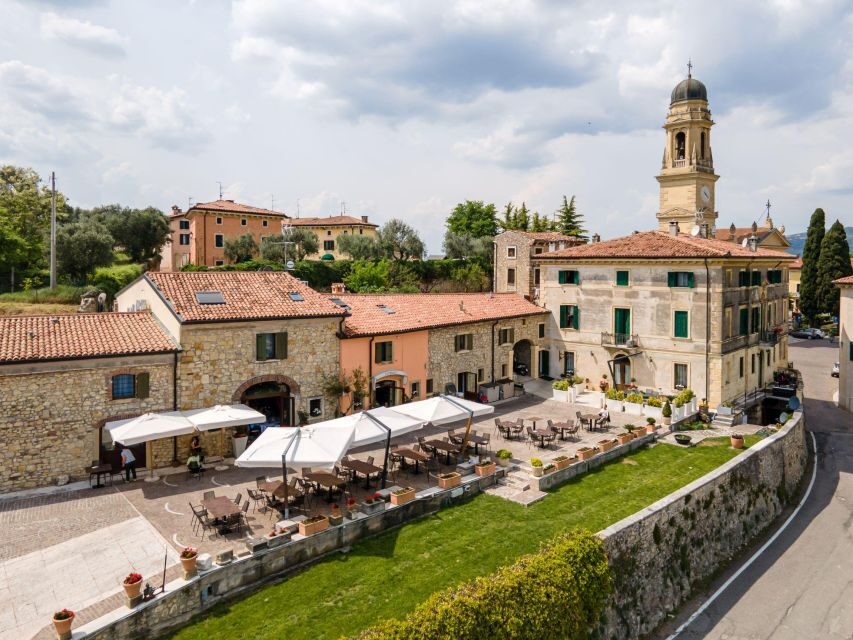
This is a Valpolicella tasting with a sense of ownership over the local story. You start at the winery area where you’ll meet your guide by looking for Giampiero Borghetti Winery. From there, the flow is intentional: production first, then the views, and finally the tasting sitting in the right mood.
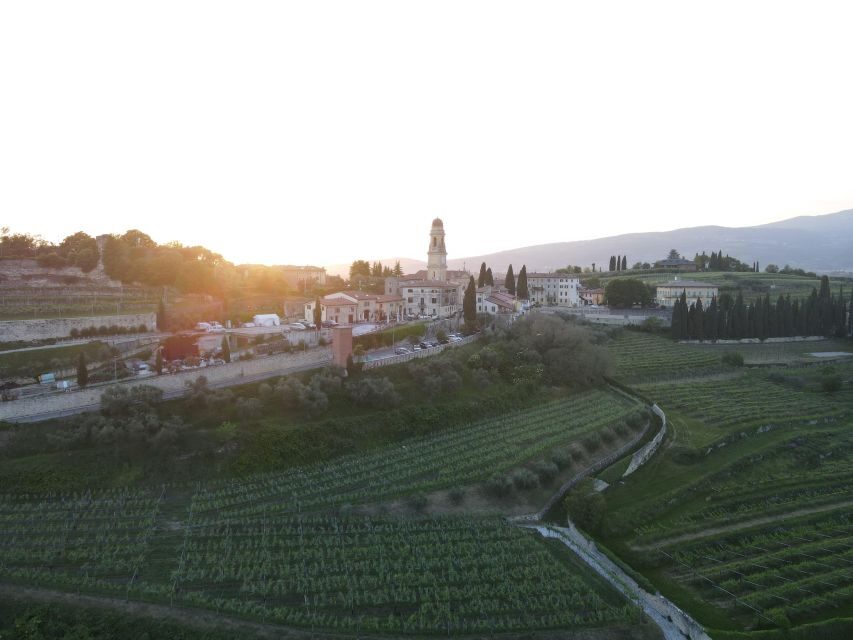
The big thread tying everything together is history. The tour focuses on Valpolicella’s past and on Castrum Rotari, a VII-century site that’s close to where the wine tradition lives on. That matters because it explains why people keep returning to the same slopes and the same grapes year after year. You’re not just checking a box for wine; you’re learning the logic behind the place.
Along the way, you’ll also hear about Castelrotto and how it connects to Valpolicella’s wines. In practical terms, this gives you something to remember while you’re tasting—what you’re drinking has a reason, and the guide ties it back to local identity.
You can also read our reviews of more tours and experiences in Valpolicella.

The guided walk to the barrels room (and the one catch)
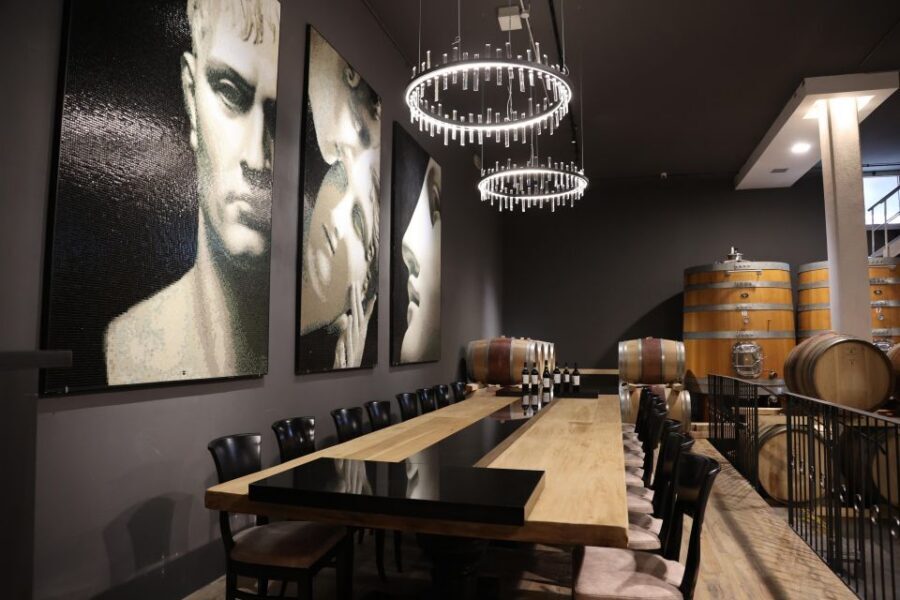
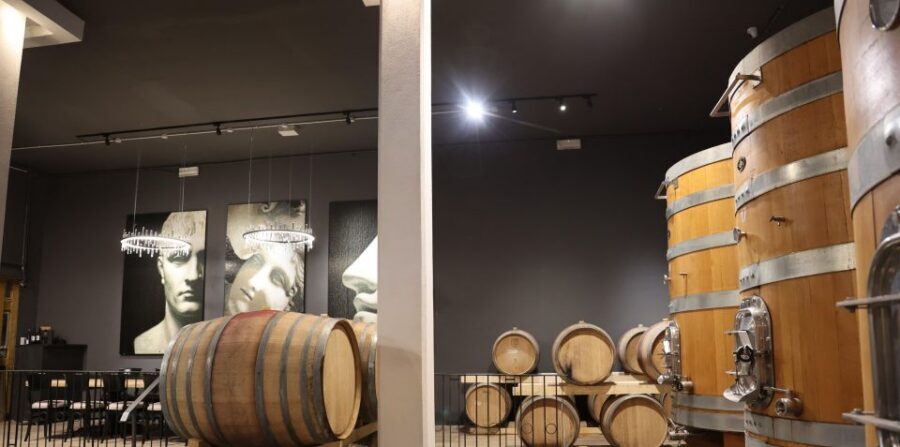
Before you get the terrace moment, you’ll be led to the barrels room where wines are produced. This is the part that makes the tasting feel grounded, because you see where aging and structure happen.
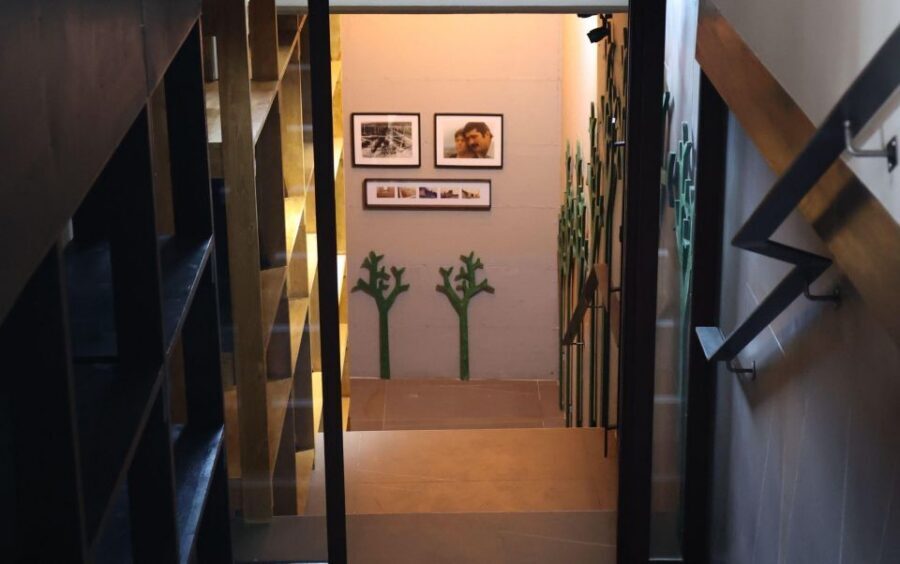
There’s one important detail: you have to go down stairs to reach the barrels room. The tour data doesn’t mention an alternative route, so if steps are a problem for you, plan accordingly. I’d treat this as the only real “watch-out,” because everything else is designed to keep the experience comfortable.
If you’re fine with stairs, this stop is where the visit earns its pace. You’ll get a guided sense of how production links to the wine styles you’ll sample later. Even if you’re not a wine nerd, it helps you taste with better context instead of guessing what you’re supposed to notice.
The terrace payoff: panoramic views with a rain plan
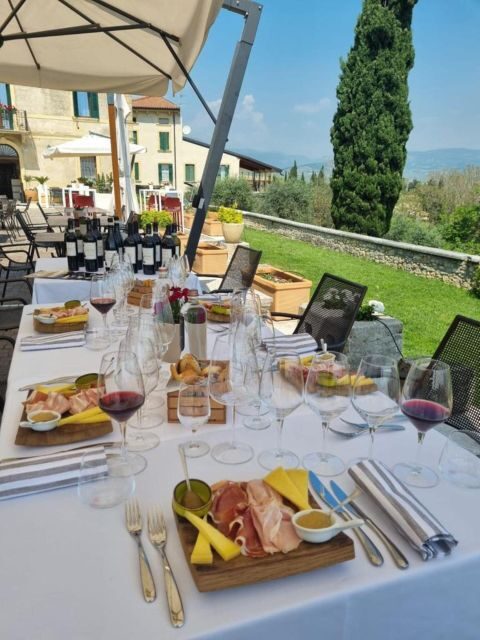
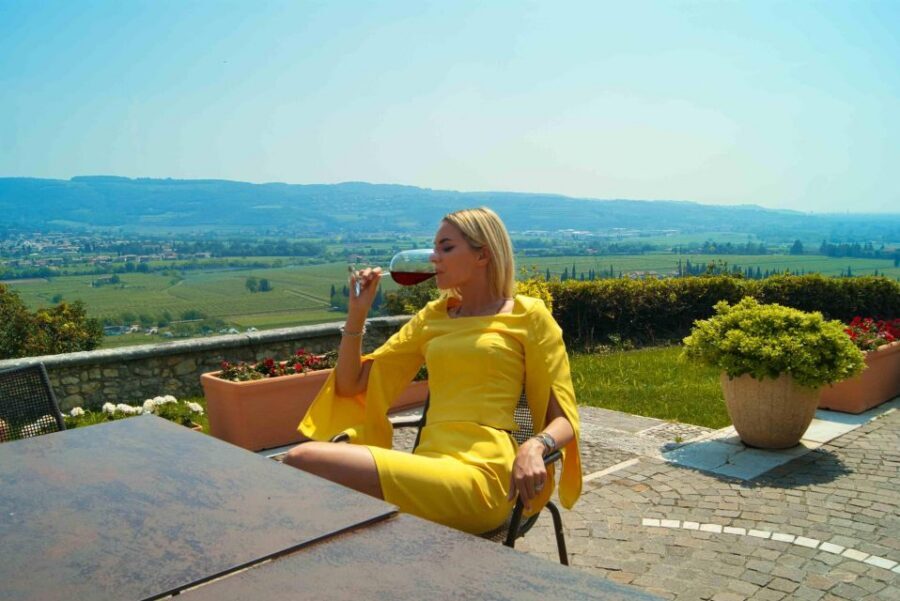
Once the guided production section wraps up, the tour settles into the best part: relaxation time. You’ll move to the most panoramic terrace in Valpolicella. The terrace setting isn’t just decoration; it changes how you experience the wines. You can taste with breathing room, and the flavors feel less rushed.
And yes, there’s a weather option. If it rains, you’ll stay in a covered setting on the scene above barrels instead of forcing the terrace. That detail matters because it protects the “slow wine moment” you came for, even when the sky doesn’t cooperate.
In short: this is the kind of tasting where the venue helps you enjoy the wine rather than trying to out-shout it.
The Castrum Platinum Collection tastings you’ll get
This experience is built around their Castrum Platinum Collection wines. That doesn’t mean every pour is fancy-sounding and untouchable. It means the tasting is organized around their own selection and their own labels, with the guide explaining how they fit Valpolicella’s style range.
Here’s the lineup you’ll taste:
- Valpolicella Classico Superiore DOC Giustizia
- Valpolicella Classico Superiore Ripasso DOC Davide
- IGT Corvina Icaro
- Amarone Classico della Valpolicella DOCG Achille
- Recioto Classico della Valpolicella DOCG Clizia
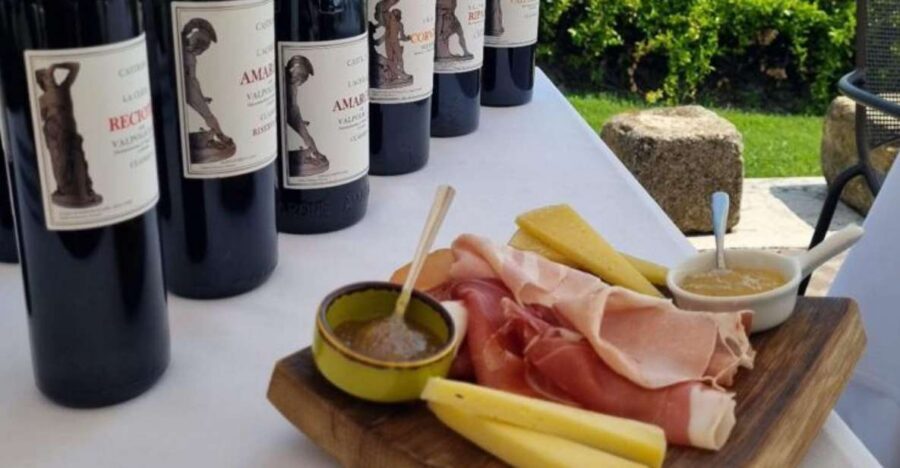
- Plus local cheese and cold cuts and a final dessert if the option is selected
What I like about this list is that it takes you through a real progression. You’re not stuck only in the sweet or only in the dry styles. You get a chance to compare how the same grape identity and regional approach can lead to lighter structures, richer ripasso styles, and then the heavyweight impact of Amarone and the sweetness of Recioto.
If you’re wondering what to expect taste-wise, don’t fixate on memorizing notes. Instead, pay attention to the shift in weight and sweetness as the tasting moves forward. That’s where the guide’s Valpolicella context pays off.
Valpolicella styles in plain language: Classico, Ripasso, Corvina, Amarone, Recioto
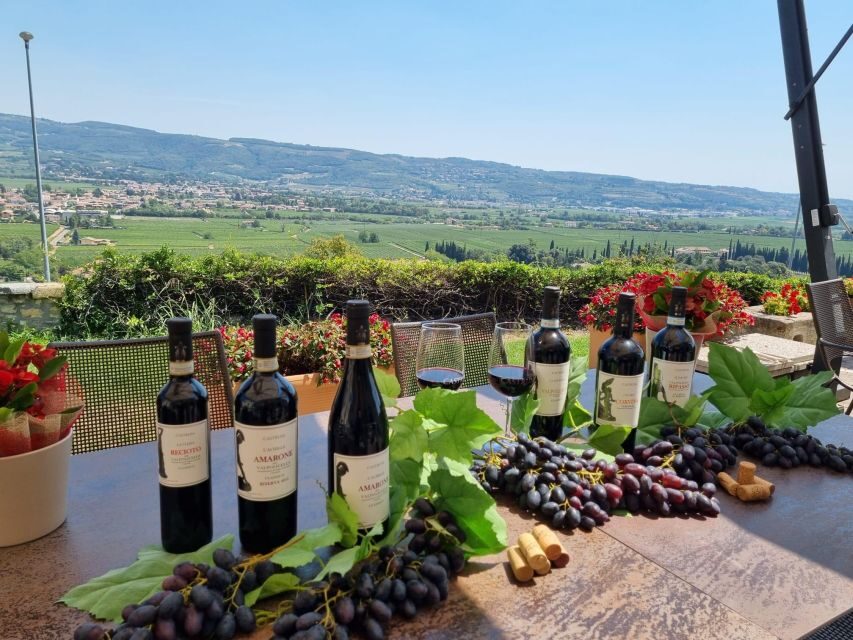
You’ll hear names, but you can also use the tasting as a quick map of Valpolicella.
Valpolicella Classico Superiore tends to read as more structured and focused than a basic version. In a tasting like this, it’s a good anchor: it helps you set your baseline for acidity and fruit character.
The Ripasso step is the bridge toward deeper flavors. Ripasso is often about adding complexity and richness through an additional process, and in this tasting it helps you understand why people love Valpolicella beyond just the easy-drinking stereotypes.
Then you’ll taste IGT Corvina (Icaro). Corvina is one of the key grapes associated with the Amarone and Recioto world, and this pour gives you a way to connect the dots. Even without technical jargon, it helps you understand why the region’s iconic wines carry such recognizable DNA.
Finally: Amarone and Recioto. These are the big cultural signatures here. Amarone brings drama—more intensity and a sense of weight—while Recioto brings sweetness and a different kind of balance. If you’ve never had both, this is a smart one-stop pairing because the differences teach you faster than reading about them.
The guide’s role: history + wine labels that mean something
This isn’t a “pour and point” situation. The tour is explicitly guided, and you’ll get explanations in English, Italian, and Spanish (so you can pick the language you prefer). The guide leads you through Valpolicella’s history and ties it back to wine.
Two details make this feel more authentic than a standard tasting worksheet.
First is the connection to Castrum Rotari. The guide doesn’t treat the VII-century setting like scenery. It’s part of how they frame wine as something rooted in time and community.
Second is the label storytelling. You’ll learn about their exclusive wine labels dedicated to Innocenzo Fraccaroli, a sculptor born in this place in 1805. That’s a memorable angle because it connects the bottles you hold to real people with local roots. It also gives you something to talk about while you’re tasting, which makes the experience easier to enjoy with friends or solo.
Food pairing: how cheese and cold cuts keep you moving
Wine tours can go one of two ways: either you get only sips, or you get food that turns the tasting into an awkward cafeteria moment. This one strikes a middle line with a practical pairing format.
You’ll have a selection of local cheese and cold cuts during the terrace portion. Then there’s a final dessert if the option is selected. The timing makes sense. It keeps the stronger wines from feeling too heavy and gives you something to reset your palate between styles.
If you tend to get full quickly, start with smaller bites and let them work alongside each wine. If you love food, use the tasting as a chance to notice which wines pair naturally with salty and fatty flavors. It’s an easy way to build real taste memory without needing a sommelier vocabulary.
Price and value: is $33 worth it for 1.5 hours?
At $33 per person (for a 1.5-hour experience), the price reads as fair for a guided tasting with a full set of recognizable styles. You’re not just paying for a glass; you’re paying for a guided walk, a production-area stop in the barrels room, and a terrace session that includes multiple wine categories.
Here’s what makes the value feel concrete:
- You taste five named wines spanning Classico, Ripasso, Corvina, Amarone, and Recioto
- You get local cheese and cold cuts included
- You also have a plan for rain that protects the core terrace idea
- The experience comes with context: history around Castrum Rotari and label stories tied to local sculpture
Could it be more expensive elsewhere? Sure. But for this structure—wine range plus setting plus guided explanation—$33 doesn’t feel like a pushy upsell. It feels like a solid, not-too-long afternoon plan.
Who this tour is best for (and who should skip it)
This tasting is a good fit if you want Valpolicella wine with place-based storytelling, not just a blind lineup of pours. It also suits you if you like the idea of learning why wines carry meaning locally—especially through the Castrum Rotari connection and the Innocenzo Fraccaroli label dedication.
You might want to skip it if you need a fully step-free experience, because you do go down stairs to reach the barrels room. Also, the tour isn’t suitable for children under 18, so it’s clearly aimed at adult travelers.
If you’re visiting for a short stay and want something more meaningful than a quick tasting at a bar, this one’s a strong pick. The time is long enough to feel like you did something, not so long that you lose the day.
Practical tips for a smoother tasting
A few small choices can make a difference:
- Wear shoes you’re comfortable in for stairs on the way to the barrels room.
- Plan to arrive ready to walk and listen. This tour works best when you don’t multitask through the history portions.
- If dessert is important to you, choose the option that includes it ahead of time.
- If you’re taxi-dependent, be ready to ask for help at the end; the experience includes support for arranging transport.
Also, because the guide offers English, Italian, and Spanish, you can match your comfort level. It’s easier to enjoy the label and history parts when you understand every detail.
Should you book the Castrum terrace tasting?
I think you should book this experience if you’re chasing three things: a panoramic Valpolicella terrace, a guided explanation that connects wine to local history, and a tasting lineup that genuinely spans the region (from Classico to Amarone and Recioto).
Don’t book it if stairs are a problem for you, or if you only want quick sips with no added context. In every other case, this is a well-shaped 1.5-hour plan: you’ll leave with better context, better comparisons between wine styles, and the kind of setting you’ll remember long after the last pour.
If you’re deciding between this and a more generic tasting, pick this one for the combination of production-room access plus the terrace session—that pairing is the whole point.
FAQ
How long is the Valpolicella wine tasting?
The experience lasts about 1.5 hours.
Where do I meet the guide?
Meet at the winery area by looking for Giampiero Borghetti Winery.
What wines are included in the tasting?
You’ll taste Valpolicella Classico Superiore DOC Giustizia, Valpolicella Classico Superiore Ripasso DOC Davide, IGT Corvina Icaro, Amarone Classico della Valpolicella DOCG Achille, and Recioto Classico della Valpolicella DOCG Clizia.
Is food included, and what kind?
Local cheese and cold cuts are included, and a final dessert is included if you select the dessert option.
What languages are available for the live guide?
The live tour guide is available in English, Italian, and Spanish.
Is there a rain plan if the terrace can’t be used?
Yes. If it rains, you’ll enjoy the experience in a covered area on the scene above barrels.
Is this tour suitable for children?
No, it is not suitable for children under 18.