REVIEW · TURIN
Fine Chocolate Tasting in Turin
Book on GetYourGuide →Operated by Slow Travel · Bookable on GetYourGuide
Turin has a soft spot for chocolate, and this tasting is the proof. At Chocolate7, you focus on Piedmont specialties and bean-to-bar craft, not mass-market bars. I like the clear structure: you start with Gianduja, then work through other chocolate styles and ends with international dark, milk, and white.
What I really enjoy here is the pace and the host. Giovanni is friendly, passionate, and generous with samples, and he’ll talk you through how the chocolate is made and what to notice in the flavors. One thing to keep in mind: the shop is small, and it isn’t suitable for wheelchair users.
In This Review
- Key Highlights You’ll Feel Right Away
- Entering Chocolate7: a boutique stop in Turin
- Your 1-hour tasting flow: Gianduja to dark, milk, and white
- What bean-to-bar really means (and why it affects your taste buds)
- Local Piedmont flavors: Gianduja isn’t just dessert
- International makers at the end: using contrast as a learning tool
- Price and value: is $36 worth one hour of chocolate?
- Meeting point, timing, and what to do once you arrive
- Who this suits best in Turin
- Hazelnut allergies and comfort: ask at the beginning
- Should you book Fine Chocolate Tasting in Turin?
- FAQ
- How long is the fine chocolate tasting in Turin?
- What does it cost per person?
- How many people are in a group?
- Where do I meet the host?
- What types of chocolate will I taste?
- Is this experience focused on bean-to-bar chocolate?
- What languages are available for the guided tasting?
- Can the host accommodate a hazelnut allergy?
- Is the experience wheelchair accessible?
Key Highlights You’ll Feel Right Away

- Gianduja first: a Piedmont classic with toasted hazelnuts and smooth chocolate
- All four types tasted: Gianduja plus dark, milk, and white for side-by-side comparisons
- Mostly organic, no emulsifiers: built for flavor that tastes like the ingredients
- Bean-to-bar explained: you learn how chocolatiers control quality from production steps
- Small group size: limited to 8 participants, so questions don’t get lost
- All about tasting notes: you’re guided to notice texture, aromas, and finish
Entering Chocolate7: a boutique stop in Turin
This experience happens inside Chocolate7, a small boutique shop in Turin. It’s located to the left of a sushi restaurant, and you meet the host inside the shop—show your ticket to get started.
The vibe is part of the value. You’re not shuffled through a big room or kept at a distance. Instead, it feels like a focused tasting session where the host can guide you step by step.
Because it’s compact, think comfortable shoes and don’t assume there’s lots of space to spread out. If you’re sensitive to tight rooms, plan to arrive relaxed—this is meant to be casual, not rushed.
Your 1-hour tasting flow: Gianduja to dark, milk, and white
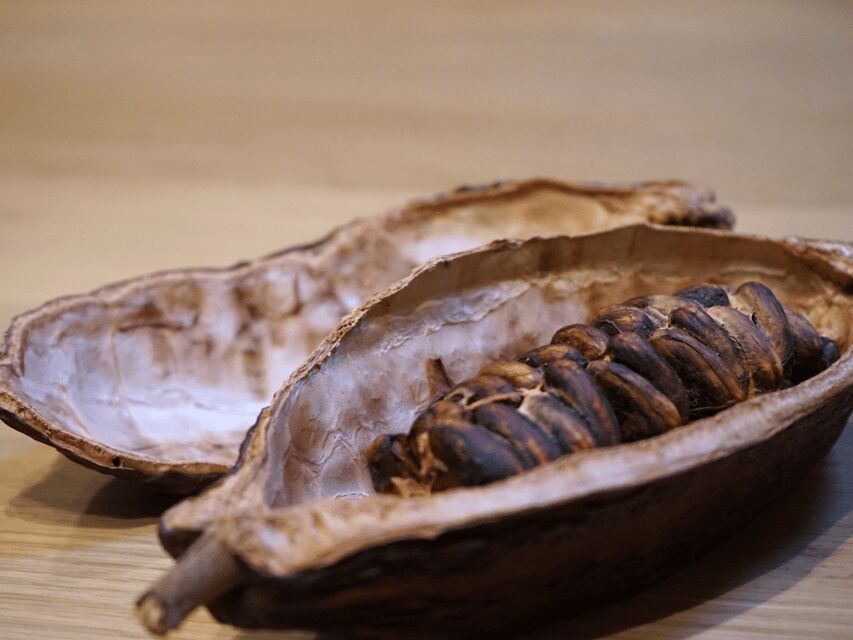
You get a full hour of chocolate on purpose, with the tasting designed like a mini flight. The order matters because each chocolate style teaches you how flavor changes with ingredients and processing.
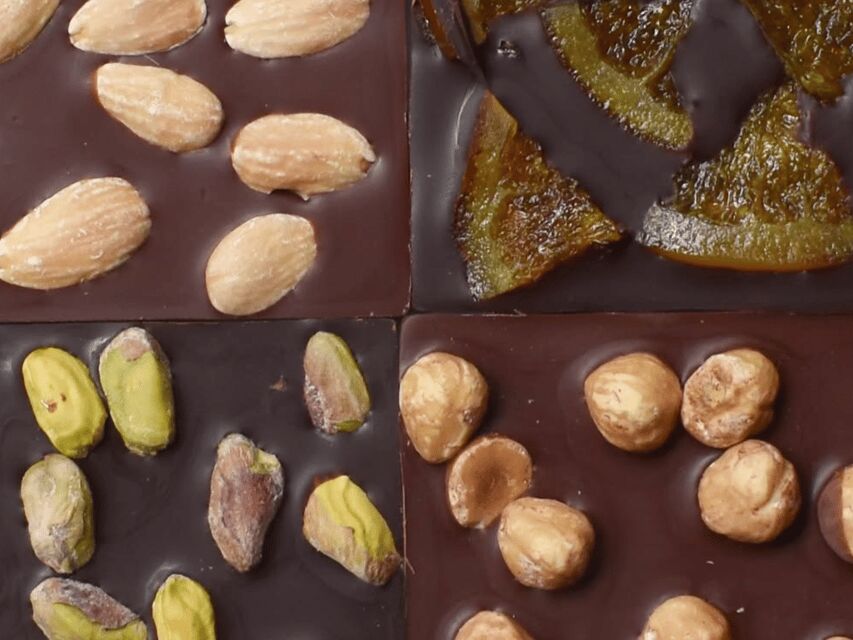
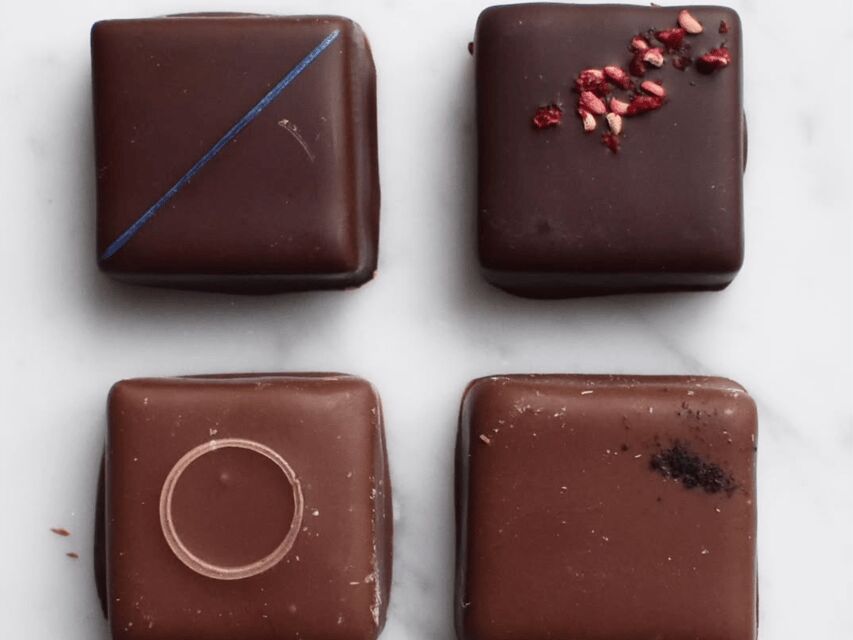
First comes Gianduja, Turin’s famous blend of rich chocolate and toasted Piedmont hazelnuts. It’s a smooth, creamy entry point and a great way to understand why local chocolate culture is its own world, not just marketing.
Next you move through other chocolates from local and Italian makers. This is where the tasting notes start to feel useful. You’ll learn what to look for beyond sweetness—things like aroma, how the flavor develops, and how the finish lingers.
Then you wrap up with international bean-to-bar chocolate in three styles: dark, milk, and white. Going from Gianduja’s hazelnut richness to dark, then milk, then white helps you calibrate your palate fast. You’ll likely start noticing how cocoa percentage, cocoa butter, and added ingredients shift texture and sweetness.
What bean-to-bar really means (and why it affects your taste buds)
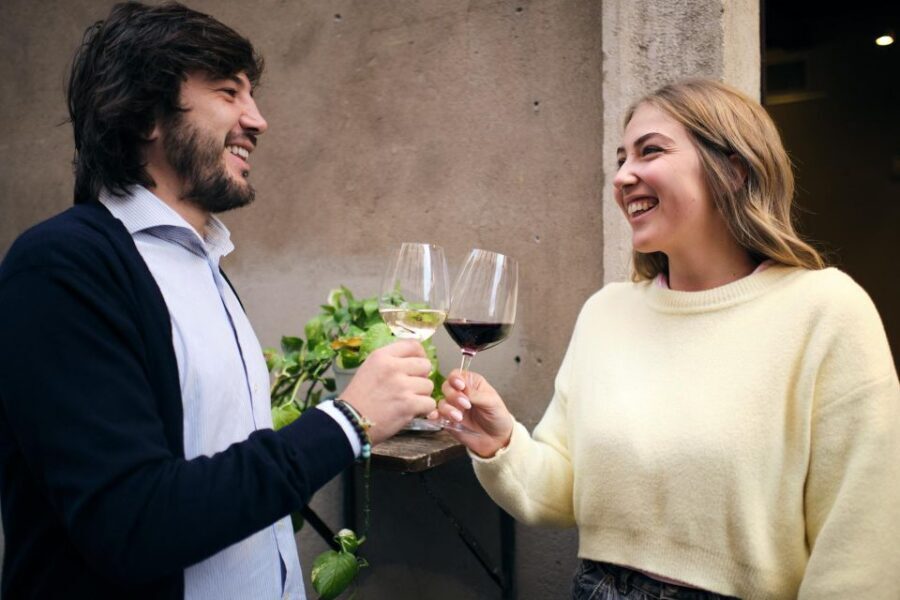
A big part of the experience is learning the bean-to-bar method. That term can sound like a slogan, but here you’ll get it explained as a production approach where chocolatiers oversee key steps of the process.
Why should you care? Because when makers control more of the pathway—from cacao sourcing to the final chocolate—the chocolate tends to taste more specific and less generic. In this tasting, that shows up in the way flavors feel distinct across each sample.
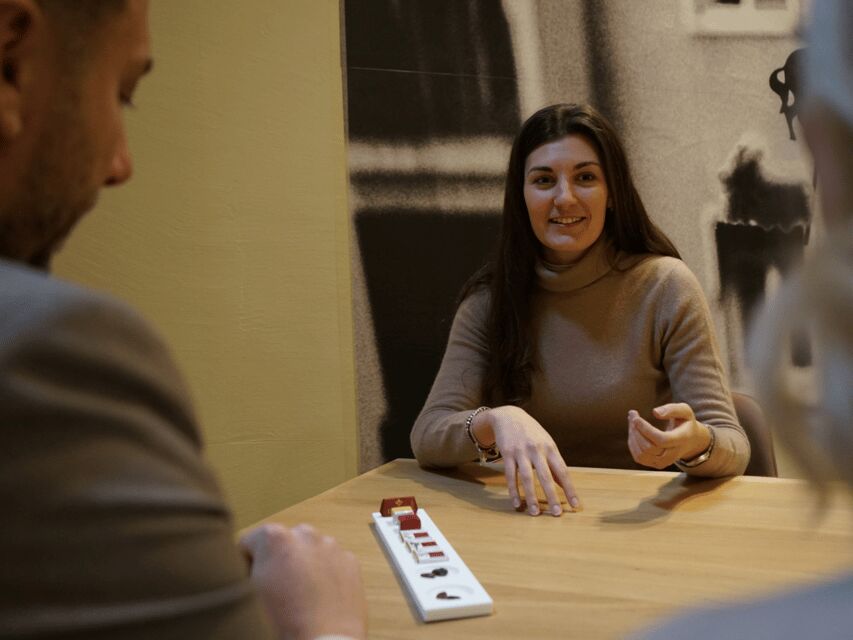
The host also shares tasting notes, which is the practical part you can use later. You’re not just eating; you’re learning how to describe what you’re getting—texture, aromas, and how the flavor changes as it melts.
This matters if you’ve mostly had industrial chocolate before. The contrast can be shocking in a good way, because fine chocolate often tastes less like sugar and more like ingredient character.
Local Piedmont flavors: Gianduja isn’t just dessert
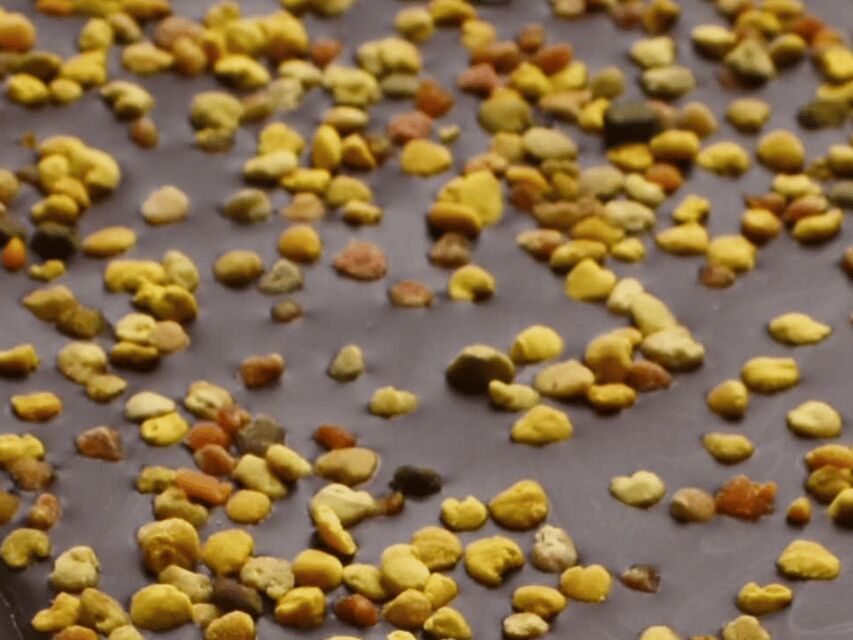
Gianduja is the anchor of this tasting, and it’s a smart starting point. Piedmont hazelnuts have their own roasted, nutty profile, and combining that with chocolate changes the whole sensory experience.
When you taste it first, you set your baseline. After that, each later sample feels like a comparison rather than random bites. You can more easily tell what’s happening when the tasting moves away from hazelnuts and toward cocoa-forward flavor in dark chocolate.
You also get a chance to taste from local and Italian producers, so you’re not only stuck in the Turin spotlight. Instead, you’re learning how regional taste differences can show up in the craft and in the final bite.
International makers at the end: using contrast as a learning tool
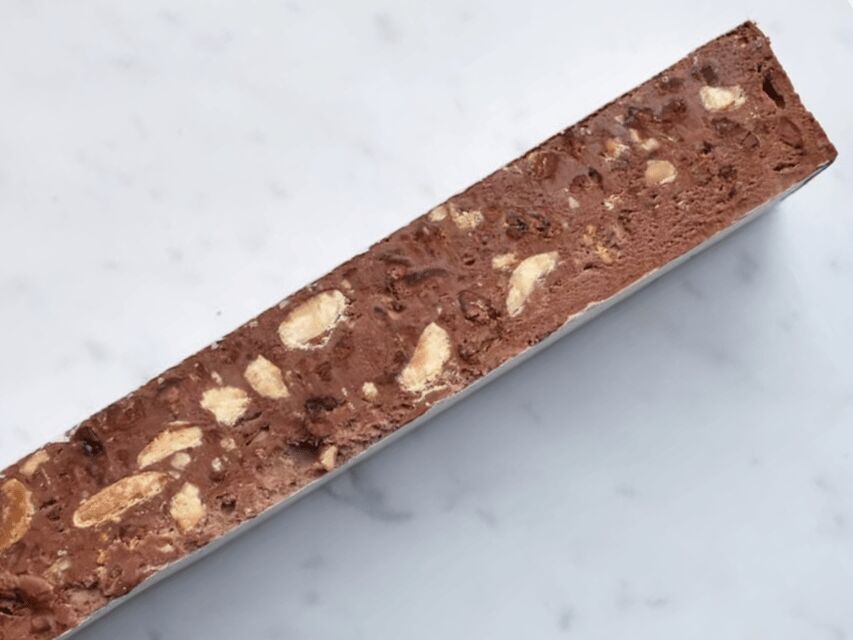
The last segment is international chocolate, and it’s built for contrast. You’ll taste dark, milk, and white, with each one showing a different approach to cocoa and sweetness.
Dark is typically the most direct route to cocoa flavor, and it’s often where you notice how a maker’s processing choices affect bitterness, fruitiness, or nuttiness. Milk smooths the experience—more cream-like texture and softer flavors. White is the curveball, because it’s driven by cocoa butter and added ingredients more than cocoa solids.
By ending here, you finish with a clear palate map. Even if you don’t consider yourself a chocolate nerd, you’ll walk out with an easier sense of what you personally like—and why.
Price and value: is $36 worth one hour of chocolate?

At $36 per person for a 1-hour small-group tasting, you’re paying for two things: high-quality chocolate and guided interpretation. This isn’t just a free candy snack. The tasting is structured, and the host explains the how and the why behind the flavors.
You’ll taste multiple chocolates: Gianduja, local/Italian picks, and international dark, milk, and white. Samples are described as plentiful, and the overall feeling from the experience is that you leave with a clearer palate, not just a sugar buzz.
Is it for everyone? If you love sweet desserts but don’t care about ingredients or texture, you might find it more educational than necessary. But if you enjoy food details, gift shopping for someone picky, or simply want a smarter way to spend an hour, the price can feel fair.
Also, it’s easy to treat like a smart add-on in your Turin schedule. One hour fits well when you’re walking neighborhoods and want a break that actually feels local.
Meeting point, timing, and what to do once you arrive
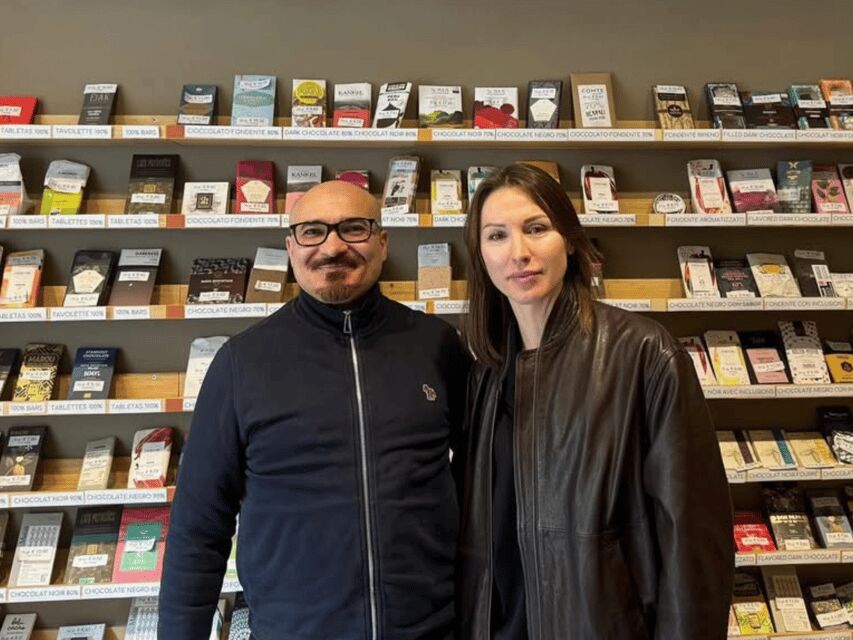
You’ll meet the host inside Chocolate7. It’s a small boutique, positioned to the left of a sushi restaurant. Walk in, show your ticket, and start with the host’s guidance right away.
Check the start time when you book, since the tasting is scheduled in 1-hour blocks. Plan to be ready to taste from the first minute—this is not a long sit-down class. Comfortable shoes matter because you may move slightly as the host guides you through samples.
Language is a plus if you’re traveling with friends who don’t share your comfort level. The tour is offered with a live guide speaking Italian, French, and English.
Who this suits best in Turin
This is a great fit if you’re the kind of person who reads menus and then thinks about what’s inside the food. It’s also ideal if you want a hands-on taste session with learning moments, not a lecture.
It’s especially good for:
- Couples and small groups who like food tastings
- Chocolate lovers who want to compare styles side by side
- Travelers who prefer boutique, local-feeling activities over big group attractions
It’s less ideal if:
- You need wheelchair accessibility (the experience is not suitable for wheelchair users)
- You have hazelnut allergies and don’t communicate your needs at the start
Hazelnut allergies and comfort: ask at the beginning
Gianduja is part of the core tasting, so hazelnuts are important here. If you have a hazelnut allergy or intolerance, the host can provide alternatives, but you need to communicate it at the beginning of the tasting.
That’s the key point: don’t wait. Tell the host right when you start so they can manage the tasting order safely and keep the experience smooth.
The shop is small and seating may feel limited. One person noted the room is tight and could use more chairs, which is your clue to keep expectations realistic if you need extra space to feel comfortable.
Should you book Fine Chocolate Tasting in Turin?
Book it if you want an hour that feels both local and skill-based: Turin’s Gianduja, careful side-by-side tasting, and an explanation of bean-to-bar craft that actually helps you notice differences. It’s a smart choice when you want more than “eat chocolate”—you want to understand what you’re tasting.
Skip it only if you’re mainly chasing a casual dessert moment with zero interest in learning. Also pass if you need wheelchair accessibility, since this shop setup isn’t suitable.
FAQ
How long is the fine chocolate tasting in Turin?
The experience lasts 1 hour.
What does it cost per person?
The price is $36 per person.
How many people are in a group?
The group is limited to 8 participants.
Where do I meet the host?
Meet the host inside the Chocolate7 shop, located to the left of a sushi restaurant. Show your ticket inside to start.
What types of chocolate will I taste?
You’ll start with Gianduja, then taste other chocolates from local and Italian makers, and finish with international chocolates made with dark, milk, and white.
Is this experience focused on bean-to-bar chocolate?
Yes. You’ll learn about the bean-to-bar production method during the tasting.
What languages are available for the guided tasting?
The live guide speaks Italian, French, and English.
Can the host accommodate a hazelnut allergy?
If you’re allergic or intolerant to hazelnuts, the host can provide alternatives, but you must communicate it at the beginning of the tasting.
Is the experience wheelchair accessible?
No. It is not suitable for wheelchair users.